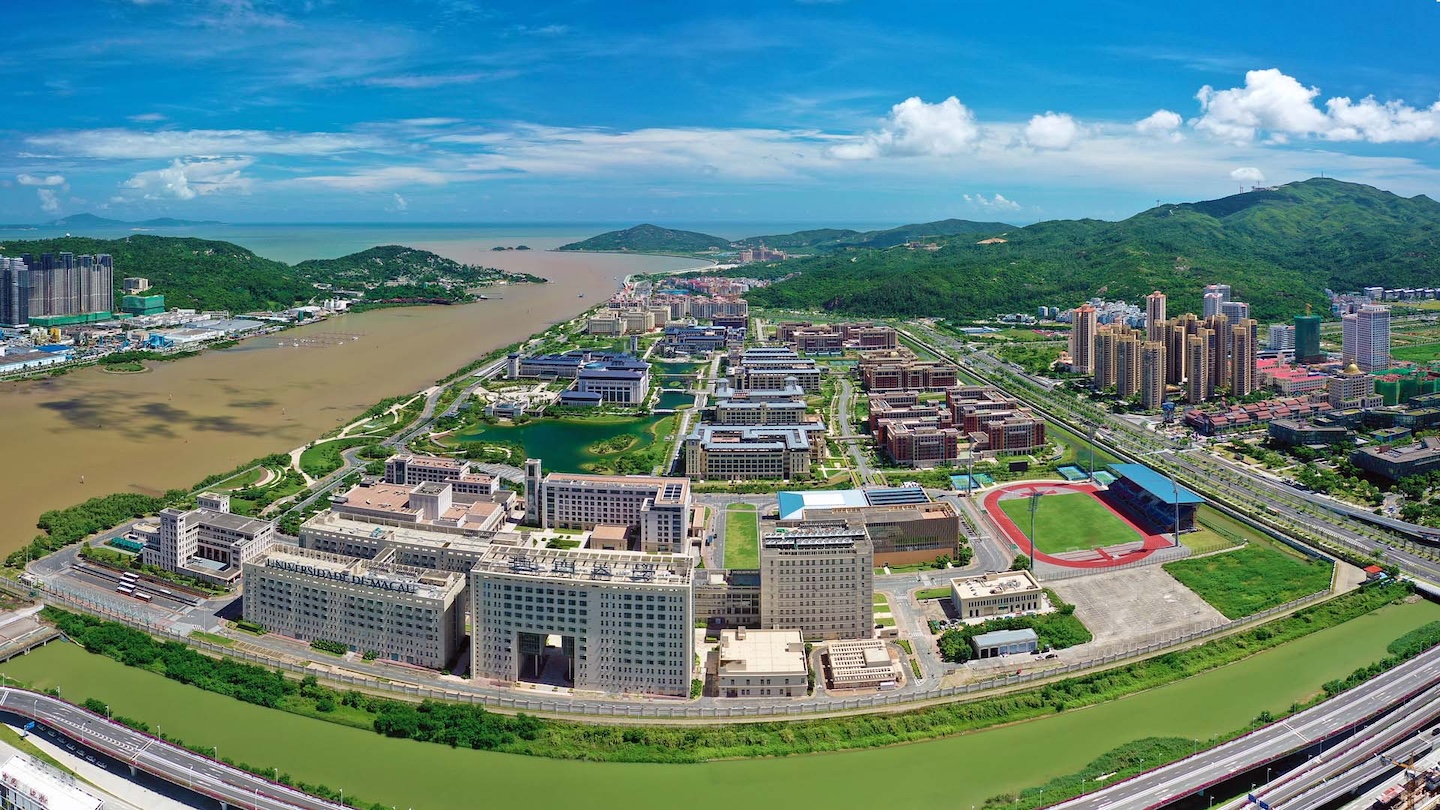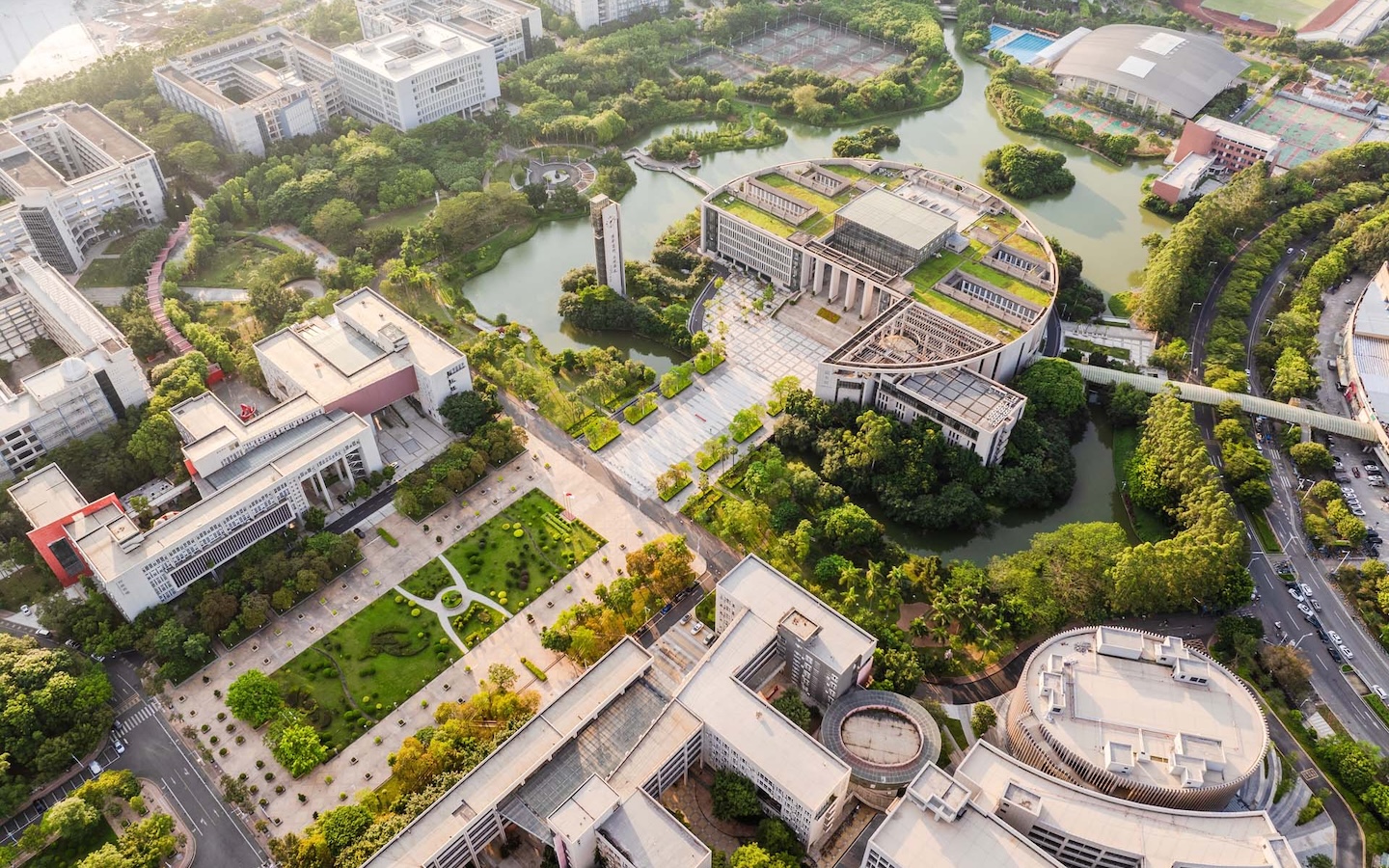
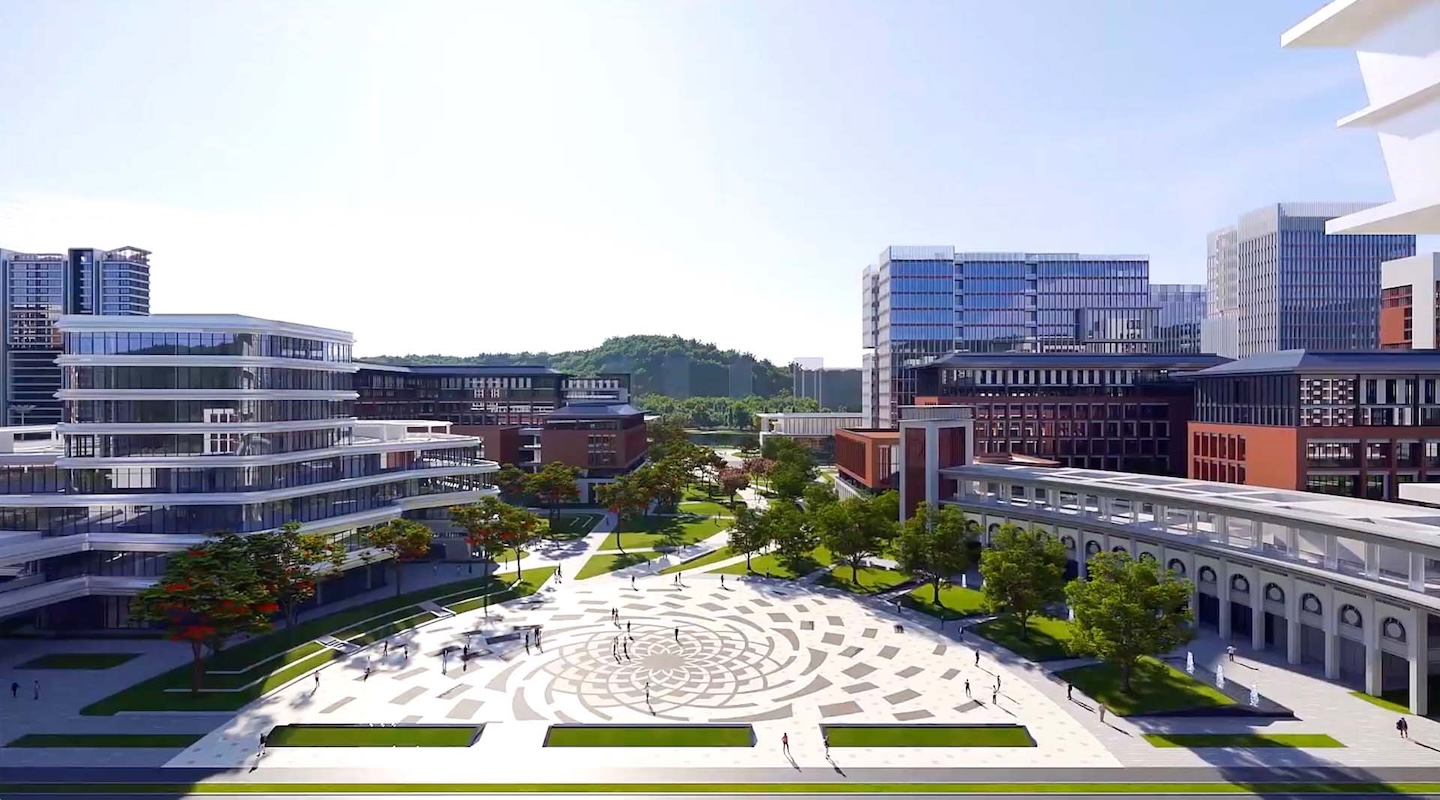
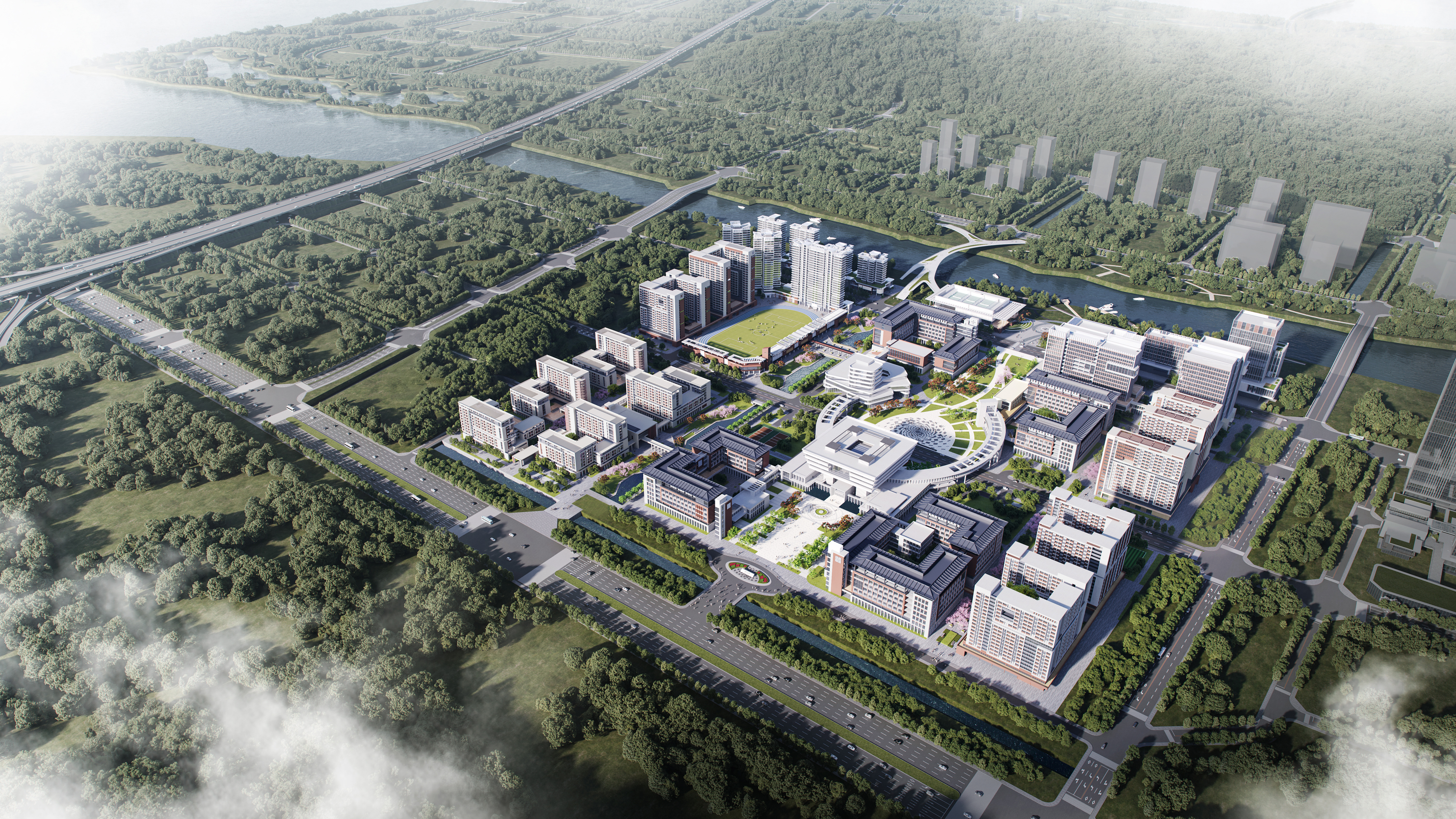
As the Macao-Hengqin International Education (University) Town begins to take shape, expectations are high that the 20-billion patacas project will not only cultivate further talent for Macao’s emerging industries under the Government’s “1+4” economic diversification strategy, but also serve the broader development needs of the region and the nation. Crucially, observers say, it should provide more diverse career paths and opportunities for the next generation.
Before Macao Chief Executive Sam Hou Fai outlined last year the University Town as one of four key infrastructure projects intended to drive the city’s development, the Central Government had already underscored Macao’s role in terms of talent development. At the third plenary session of the 20th Central Committee of the Communist Party of China in 2024, chaired by President and Party General Secretary Xi Jinping, the central authorities pledged support for Hong Kong and Macao to become hubs for high-level international talent and to play a greater role in the country’s opening-up efforts.
“The University Town reflects Macao’s strong commitment to align with national development strategies,” said Samuel Tong Kai Chung, president of the Macau Institute of Management (MIM). “Given the current geopolitical climate, China urgently needs to develop its domestic talent development and innovation ecosystems.”
Over the years, universities in Macao have played a growing role in nurturing talent not only locally but also regionally. According to data from the Education and Youth Development Bureau (DSEDJ), of the 67,332 undergraduate and postgraduate students enrolled in over 400 programmes across Macao’s 10 higher education institutions during the 2025/26 academic year, 72.7 percent – or 48,935 students – were from the Chinese mainland. Local students accounted for 23.1 percent (15,563), while students from Hong Kong made up 2.7 percent (1,846). The remaining cohort – fewer than 1,000 students – came from Taiwan and elsewhere.
Aligned with the nation’s interests, the University Town project strategically combines Macao’s international openness with Hengqin’s land resources and policy advantages. “The city’s vision of building a hub for high-level international talent goes far beyond merely attracting a few individuals,” Mr Tong noted.
“It’s about leveraging Macao’s highly open and international environment and Hengqin’s favourable conditions to create a global university platform that can attract top-tier scholars and experts,” he continued. “This not only supports the national talent strategy but also injects the scarcest intellectual capital into Macao.”
Mr Tong also views the project as deepening Macao’s integration with Hengqin, which has been designated by the Central Government as a strategic platform to support the advancement of Macao, particularly following the establishment of the Guangdong-Macao Intensive Cooperation Zone in Hengqin in 2021, an area jointly administered by Guangdong and Macao authorities.
According to MIM’s president, Hengqin helps address two of Macao’s long-standing development bottlenecks: limited space and market scale. In the case of the University Town, Hengqin provides the physical space for Macao’s universities to expand, recruit more students, attract renowned scholars, and expand global academic collaborations. “Establishing a University Town is a crucial step in unlocking new opportunities for the expansion and advancement of higher education in Macao,” Mr Tong added.
New academic disciplines
According to the Macao Special Administrative Region (MSAR) Government’s plan, the project will be developed in three phases through 2030. By then, the city’s three public universities – University of Macau (UM), Macao Polytechnic University (MPU), and Macao University of Tourism (UTM) – will have established new campuses in Hengqin. Once complete, student enrolment is expected to exceed 20,000, which represents circa 30 percent of the city-wide student body in the 2025/26 academic year.
While specific programmes to be offered at the new campuses in Hengqin are still being outlined, legislator Kou Ngon Seng says such courses should align closely with the needs of Macao’s emerging sectors, as defined in the city’s “1+4” diversification strategy. The “1+4” economic development strategy refers to Macao’s aim to strengthen its role as a tourism and leisure destination, while developing four new industries: “Big Health”, with a focus on Traditional Chinese Medicine (TCM); modern financial services; high and new technologies; as well as MICE, with the hosting of large-scale international events, including business conventions, sporting events and concerts.
“The University Town should nurture talent that can contribute directly to these sectors and respond to demand arising from the city’s economic diversification,” stated Mr Kou, who also serves as president of the Macau Development Strategy Research Centre.
The academic focus of each higher-education institution’s campus in Hengqin should be distinct, he suggested. For instance, the UM Hengqin campus – set for completion by 2029 – will include the faculties of Medicine, Information Science and Computing, Engineering, and Design. The joint campus for MPU and UTM, due to be completed in 2030, could focus on areas such as artificial intelligence, smart tourism, sports technology, and Portuguese-language studies, Mr Kou added.
“The University Town carries the important mission of cultivating local talent in Macao and building an international talent hub,” the legislator remarked. “By introducing innovative academic disciplines and establishing a strong research environment, it could enhance the research capabilities and global competitiveness of Macao’s talent pool.”
Synergetic effect
Mr Kou also sees the University Town as complementary to the other three key infrastructure projects proposed by the Macao Government, particularly the Macao science and technology research industrial park, which will span two sites and focus on the fields of biomedicine, integrated circuits, digital technology, and aerospace.
“With its focus on cutting-edge research and applied technology, the University Town can generate a strong synergy with the Macao science and technology research industrial park,” he said. “By creating a mechanism that would connect the University Town, the industrial park, and tech enterprises, Macao can better convert academic research into industrial applications, accelerating the growth of its technology sector and economy.”
Mr Tong shares the same perspective, noting that global technology and innovation hubs are often anchored by leading universities that integrate academia with industry. In addition, the other two proposed key infrastructure projects – the Macao Pearl River West Bank International Air Transport Hub and the Macao international integrated tourism and cultural zone – could also play, to a certain extent, a supporting role in attracting talents to Macao.
The air transport hub, which covers the expansion of the Macau International Airport and a new pre-clearance cargo terminal in Hengqin, will help boost the city’s aviation connectivity, while the tourism cultural zone – entailing the construction of a national museum of culture, an international performing arts centre, and a contemporary art museum – can enhance the living environment for talent, Mr Tong explained. “Together with the University Town, these can help Macao become a hub for high-end talent,” he stressed.
A rise in rankings
Aside from aligning with national development strategies, the University Town is envisioned as a springboard for Macao’s next generation: fostering more academic and career pathways for young locals while equipping them with the tools to thrive in a fast-changing global landscape.
“Creating a high-quality learning environment is a prerequisite for nurturing top-tier talent,” said Sio Hin Wa, president of the General Association of Chinese Students of Macao. “By offering local youth access to a broader range of disciplines and cutting-edge fields of study right here at home, the University Town project lays a strong foundation not only for individual growth but also for Macao’s long-term development.”
Career planning and academic progression remain top concerns for many young people in Macao, Mr Sio observed. The University Town might help address these challenges by broadening local higher-education options and aligning them more closely with real-world needs. He noted that the initiative will also offer students early exposure to the workforce through internships, university-industry collaboration, and hands-on learning opportunities, creating a supportive environment for a smoother, more confident transition from classroom to career.
The project also comes at a time when Macao’s universities are making measurable gains in terms of global recognition. While historically trailing behind regional counterparts, local institutions are now boosting their rankings. “As Macao’s universities rise in international rankings and the University Town becomes a reality, the city will become increasingly attractive to both local and overseas students,” Mr Sio said.
In the 2026 edition of the Times Higher Education World University Rankings, which polled 2,191 institutions from 115 countries and regions, UM climbed to 145th place, from the 180th spot in 2025, and from the 301–350 range in 2020. MUST was ranked between 251–300 this year, while the City University of Macau made its debut in the 601–800 bracket.
The Macao Government also hopes that the University Town will foster deeper collaboration between local and internationally renowned institutions, developing new programmes to attract and retain global talent. Mr Sio believes this internationalisation will equip students with a broader global outlook. “With Hengqin’s spatial and policy advantages, students could also be able to engage more directly in the development of the Guangdong-Hong Kong-Macao Greater Bay Area and the country as a whole. It broadens their horizons,” he stated.
As the first phase of the project is now in progress, Mr Sio called on the authorities to enhance support for local youth in areas such as career guidance and student services.
“This project is not only a key driver for Macao’s economic diversification and integration with Hengqin, but also a strategic platform to expand opportunities for Macao’s youth, helping them define their paths earlier and build stronger competitiveness for the future,” he concluded.