As the city readies for the Year of the Horse, Macao hums with ritual and anticipation. Streets bustle, homes are meticulously cleaned, and red decorations appear everywhere, signalling a carefully-choreographed effort to tidy away any hint of misfortune and ensure future prosperity.
Chinese New Year – also known as the Spring Festival – has deep roots in Macao’s history and culture, marking a farewell to that which is old and a welcome to that which is new. Celebrations traditionally extend until the Lantern Festival, on the fifteenth day of the first lunar month.
According to feng shui tradition, the upcoming year is known as “Bing Wu”, or the Fire Horse, when energy is said to radiate with the intensity of the midday sun: vibrant, fiery, and impossible to ignore.
In Chinese astrology, each lunar year begins on the second new moon following the winter solstice. This year, the cycle starts on February 17. Macao marks the occasion with three consecutive days of public holiday, from February 17 to 19, corresponding to the first three days of the Chinese New Year.
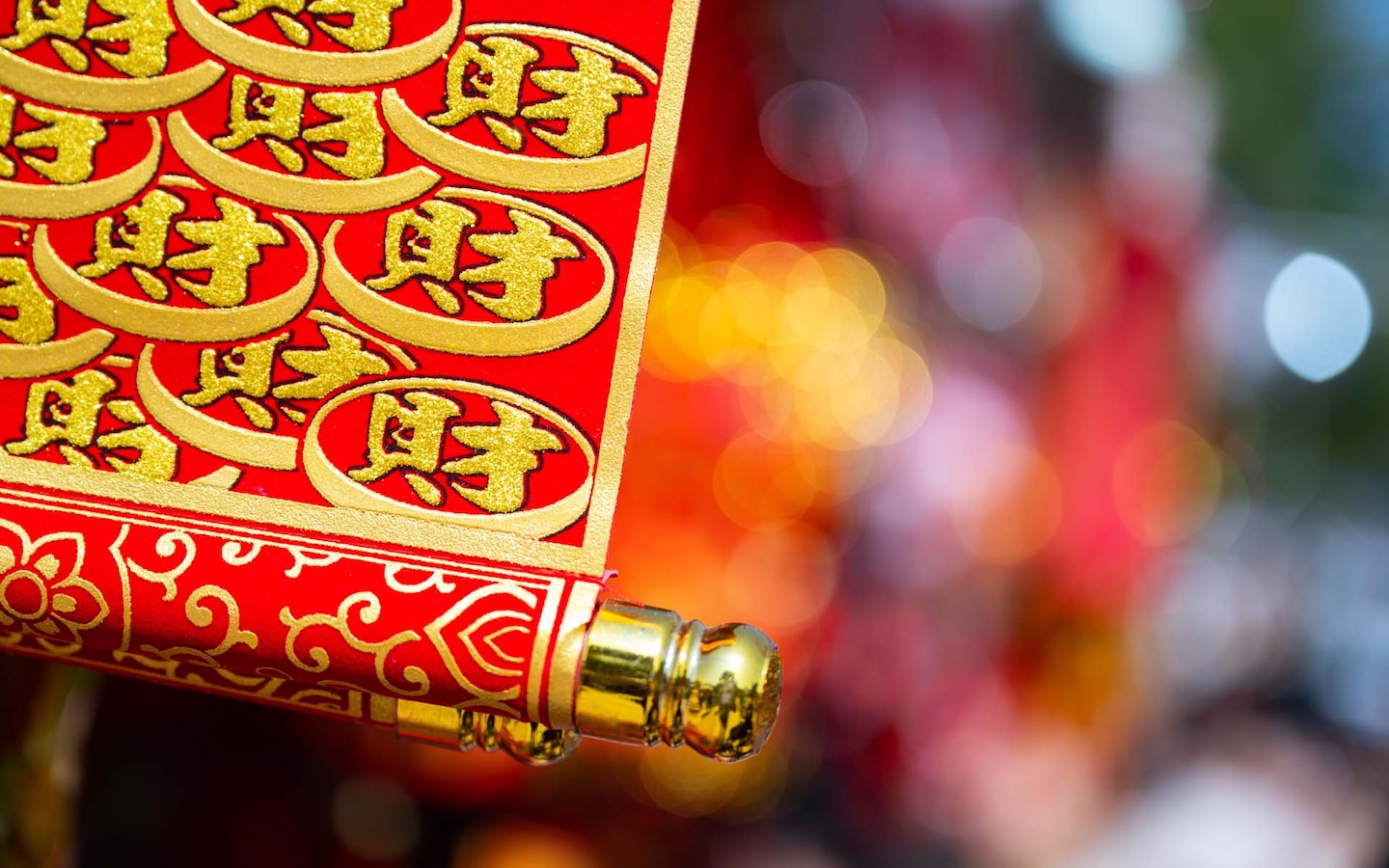
Locally, the celebrations reflect the customs of the Lingnan region. Families make offerings to the Kitchen God, hold reunion dinners, and display spring couplets, or “fai chun”, with auspicious greetings. Relatives and friends come together to enjoy New Year delicacies, reinforcing the communal spirit that defines the festival. Locals exchange lucky money in red envelopes (“lai si”) and observe the tradition of remaining at home on the third day of the Chinese New Year, to avoid conflict.
These customs are more than decorative – they are regarded as ways to start the year with harmony, luck, and positive energy. Households take care not to discard rubbish or pour away water in the initial days of the New Year, actions believed to expel symbols of fortune. Even the bath carries symbolism: some families use an infusion of pomelo leaves to wash away misfortunes from the past year.
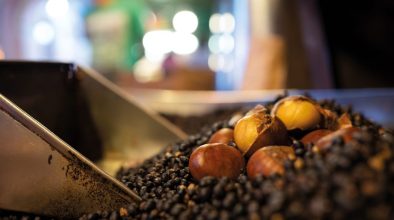
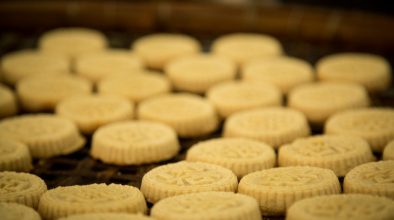
Food plays an equally important role in the celebrations. Fish represents abundance; sticky-rice cakes signify progress; long noodles promise longevity; and tangerines bring luck and prosperity. Each dish is carefully chosen to strengthen family unity and invite health, wealth, and happiness for the year ahead.
Seeking fresh blessings
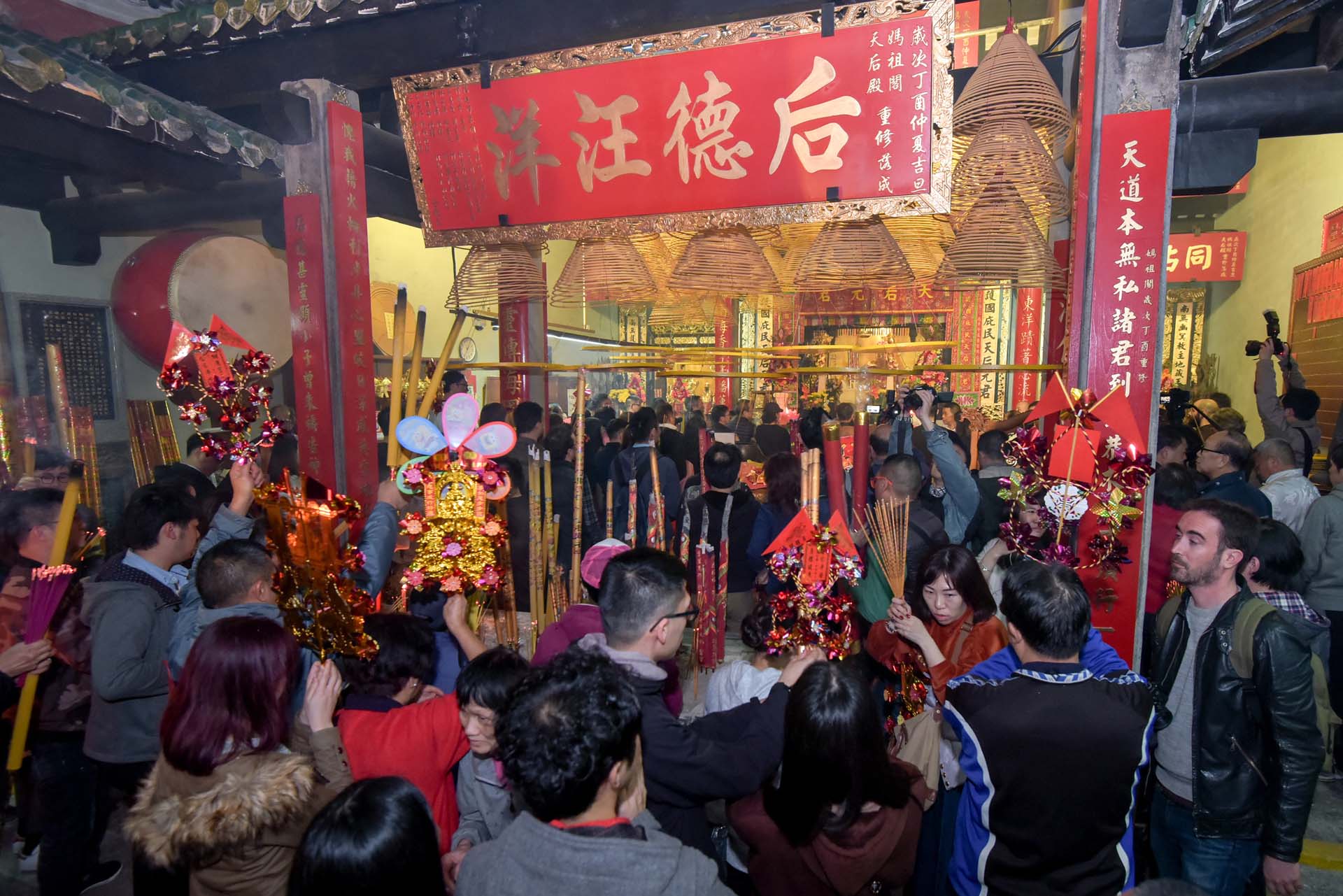
Visiting a temple during Chinese New Year carries deep spiritual meaning for many Macao people. Marking a moment of renewal, the festival is widely seen as a time that influences fortunes for the year ahead. Temple visits offer an opportunity to seek blessings for good health, family harmony, academic achievement, career advancement and prosperity.
Among the most-frequented sites during the festive period is A-Ma Temple, where crowds traditionally gather in the early hours of Chinese New Year. Worshippers arrive bearing incense and offerings, hoping to secure good fortune as the fresh year begins.
The holiday period sees temporary stalls set up in the square that fronts A-Ma Temple, for the selling of incense and joss sticks. The stalls offer worshippers convenient access to ritual essentials while contributing to the festival ambience. This year, the stalls are open to the public from the afternoon of February 16 until February 23.
Lighting the path to fortune
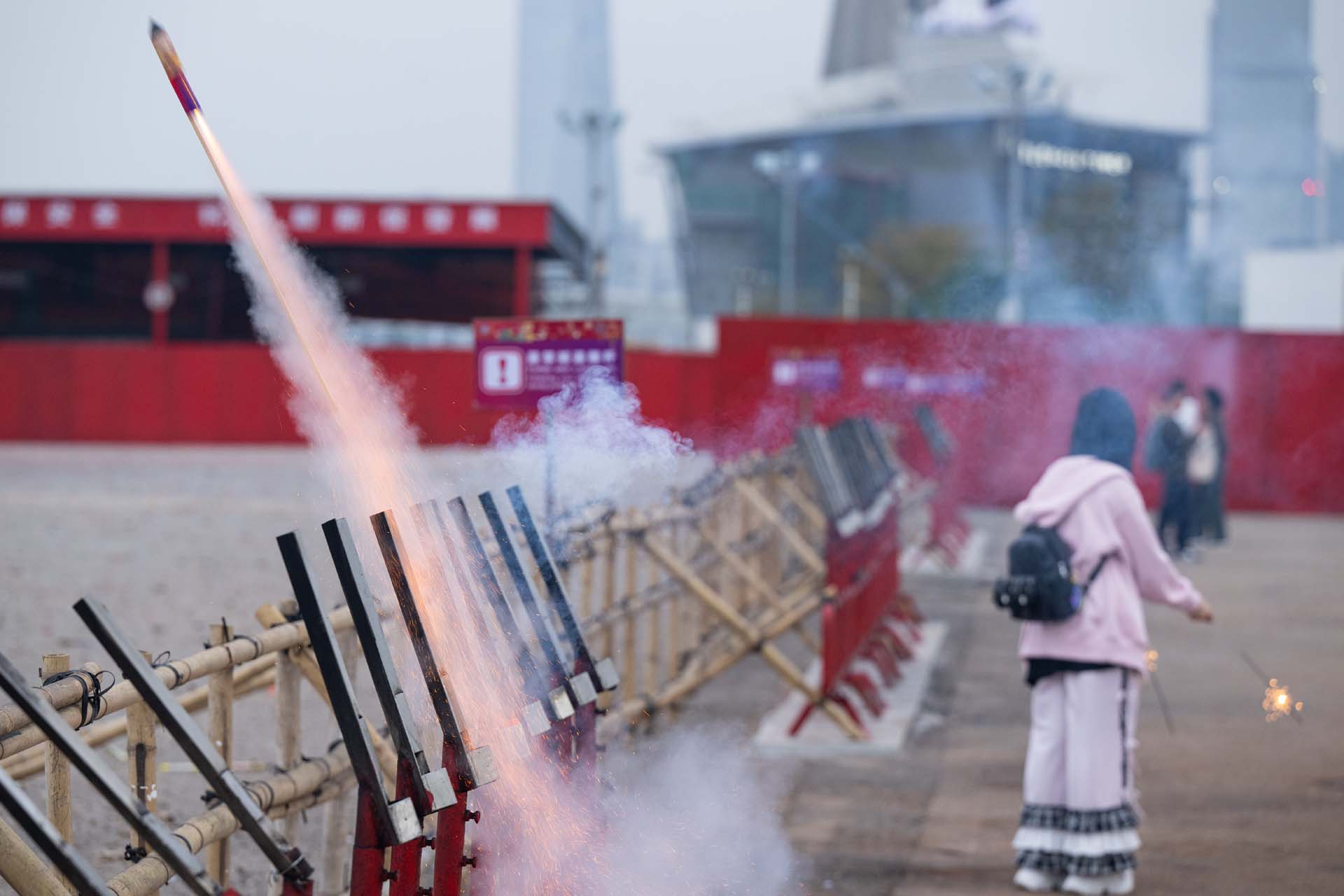
The boom of firecrackers and the fizz of fireworks remain among the most recognisable markers of Chinese New Year in Macao. Their use is rooted in belief that noise and light wards off misfortune, including evil spirits and bad luck, so clearing the way for a peaceful and prosperous year ahead.
To balance tradition with public safety, local authorities designate special areas each year where locals and visitors can buy and set off fireworks and firecrackers under safe conditions. The activity is particularly popular among family groups and young people, offering a shared moment of celebration during the holiday period.
This year, one designated area is in operation, located in Taipa near the waterfront along Estrada Almirante Marques Esparteiro. Six licensed stalls are selling fireworks and firecrackers on site, with the special zone open from February 16 to 21.
Preparing for prosperity
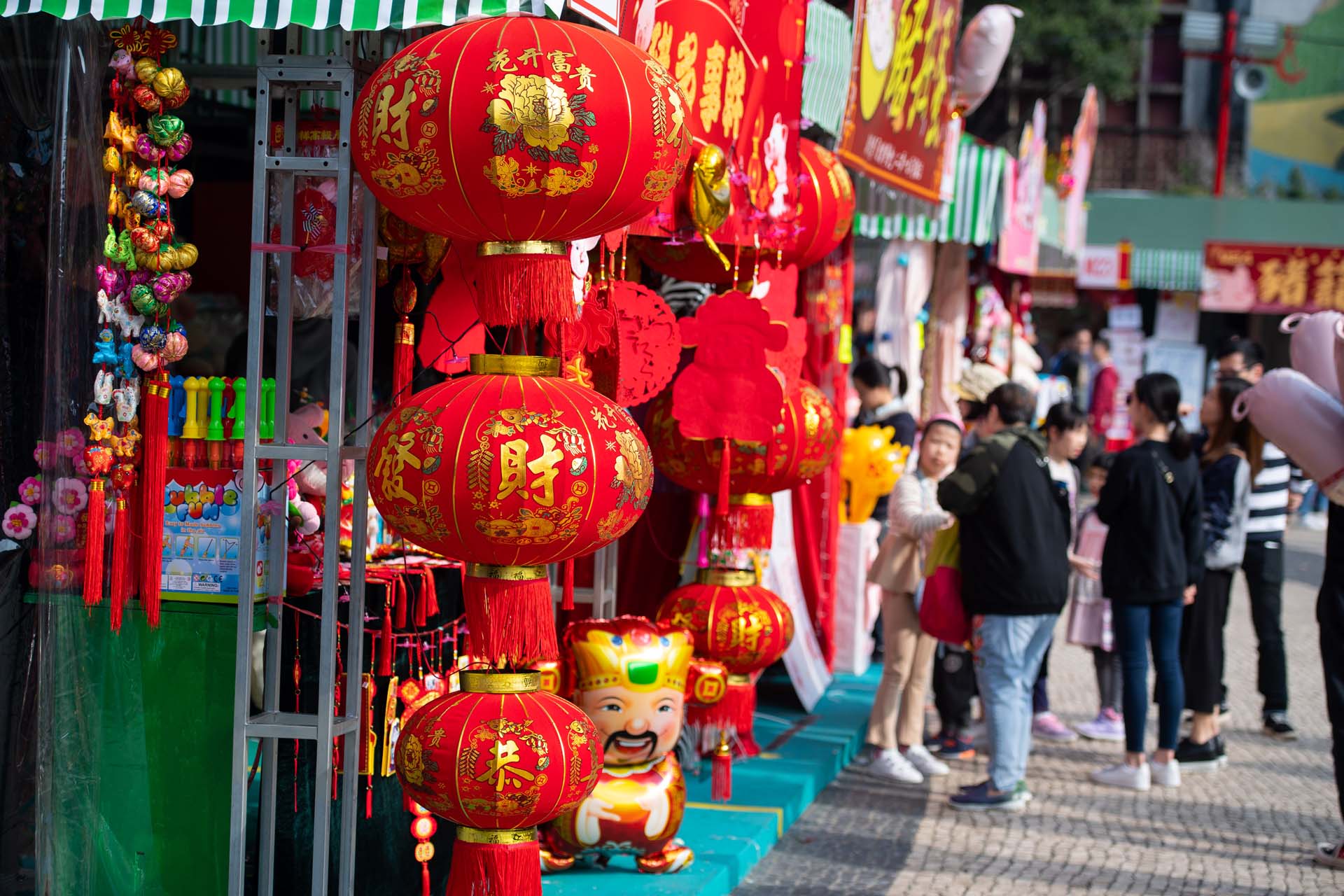
Chinese New Year markets offer an array of festive decorations, flowers, incense and symbolic gifts, with each item in turn associated with ideas of renewal and auspicious beginnings. For many residents, a visit to such a market ahead of Chinese New Year is an essential ritual, allowing homes and offerings to be prepared in line with long-held beliefs about welcoming good fortune in the year ahead.
One of Macao’s main New Year markets is held at Tap Seac Square. This year’s edition runs from February 10 until the night of February 16 to 17. The final hours of the market are traditionally one of the busiest periods as crowds gather for last-minute festive shopping.
This year’s Tap Seac market features 16 stalls selling New Year products, six offering festive flowers, and four stalls dedicated to snacks. A programme of cultural and entertainment performances is also being staged in the square.
Wheel of good fortune
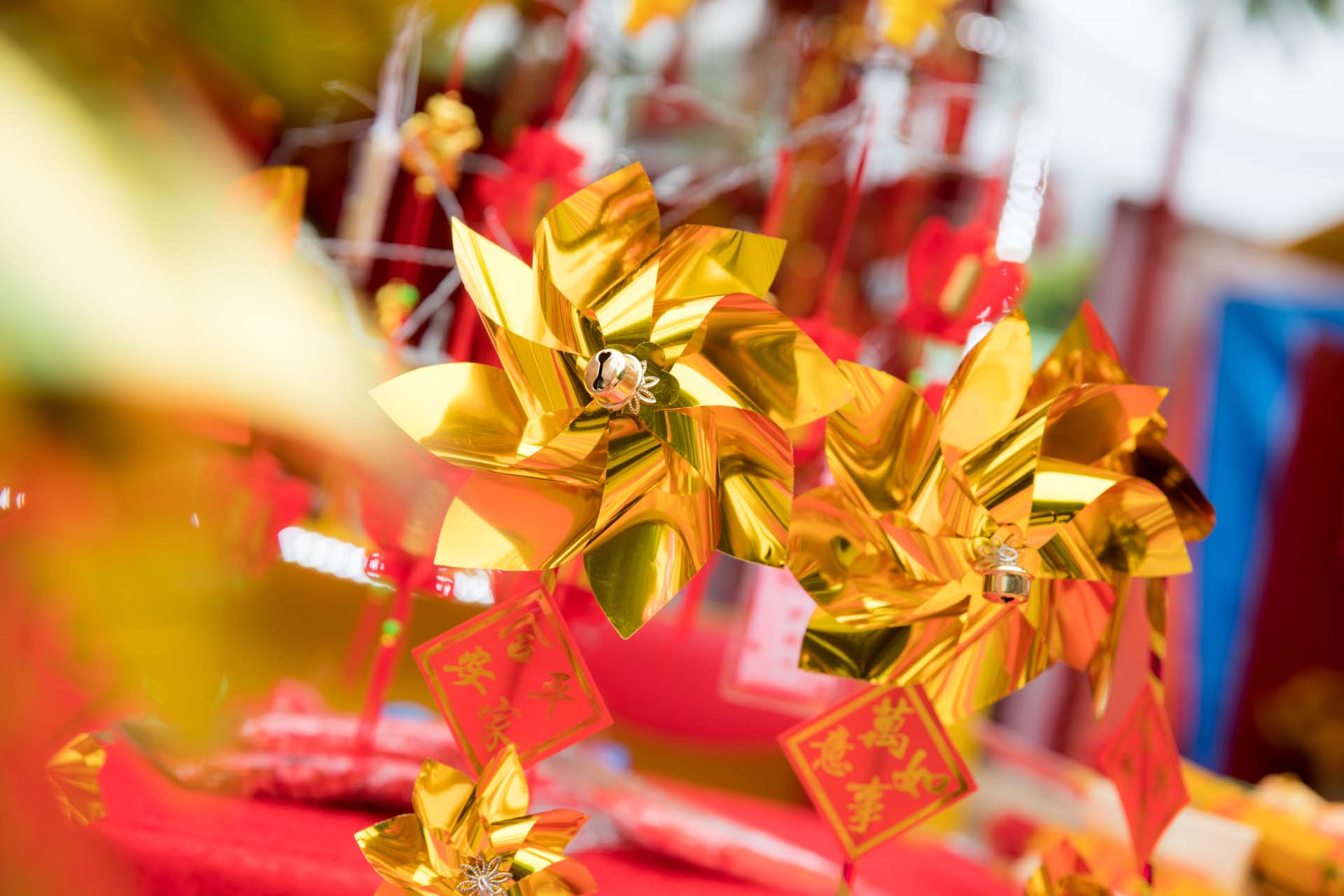
Pinwheels are among the most recognisable symbols of Chinese New Year, celebrated for their associations with luck, renewal, and positive energy. In Chinese tradition, spinning a pinwheel is thought to “turn” misfortune away, while attracting good fortune, prosperity and success.
Throughout the festive season, pinwheels are displayed in homes, markets and temples. Their bright colours – often red and gold – bring vibrancy to streets and public spaces. For children, they are also playful objects, linking cultural tradition with family participation and festive fun.
During the holiday, pinwheels can be found at a number of places, including temporary stalls selling incense and joss sticks in the square in front of A-Ma Temple. This year, those particular stalls are open to the public from the afternoon of February 16 until February 23.
Tradition in motion
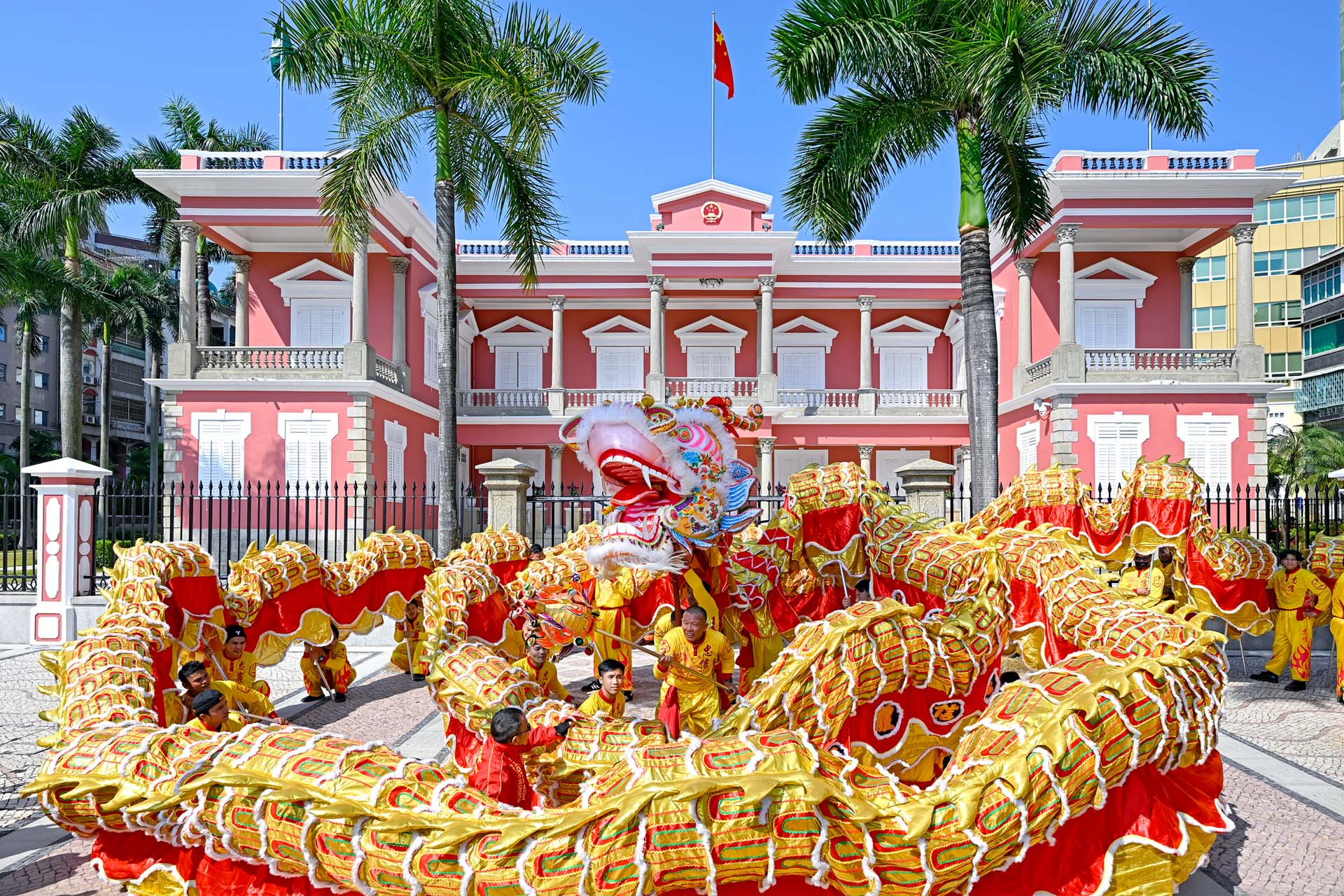
Organised annually by the Macao Government Tourism Office (MGTO), the Gigantic Golden Dragon Parade traditionally takes place on the first day of the Chinese New Year, drawing locals and visitors alike.
The parade is among the highlights of Macao’s Chinese New Year celebrations, with the dragon (“loong”) symbolising strength, prosperity, and good fortune. Winding its way from the Ruins of St Paul’s to A-Ma Temple, the parade honours cultural traditions and ushers in Chinese New Year with colour, spectacle, and auspicious energy.
As well as the dragon parade, MGTO stages a series of complementary celebratory events. This year, a community roadshow is on February 17 and 18, while drone and fireworks displays are lighting up the waterfront at Macau Tower on the evenings of February 19 and 23, and March 3.
Horse on parade
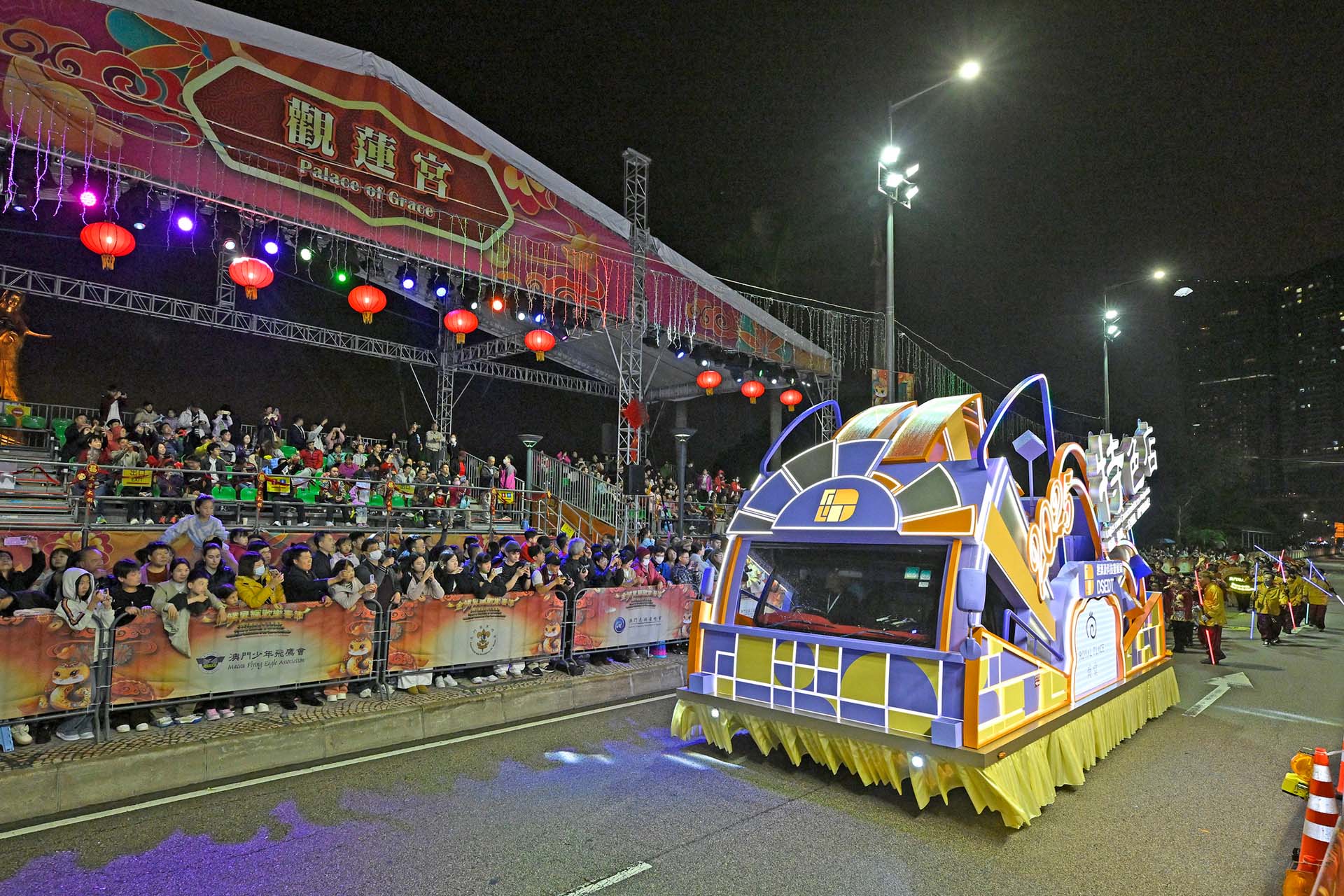
In recent years, float parades have made their way into Chinese New Year celebrations in Macao. These are organised by the Macao Government Tourism Office and blend colourful performance with displays of great flair.
This year, the first parade is at 8pm on February 19, the third day of the Chinese New Year. Beginning at Sai Van Lake Square, the procession winds along Avenida Dr Sun Yat-Sen, past the Macao Science Center, concluding at Macau Fisherman’s Wharf. The event features cultural performances with groups drawn from the Chinese mainland, Hong Kong, Macao, and overseas, adding energy to the 17-float procession.
A second parade is at 8pm on February 28, the twelfth day of the Chinese New Year. Starting at Rua Norte do Patane, it moves along the northern part of Macao Peninsula before concluding at Iao Hon Market Park, where cultural performances are to entertain the crowd. This parade also features 17 floats.