
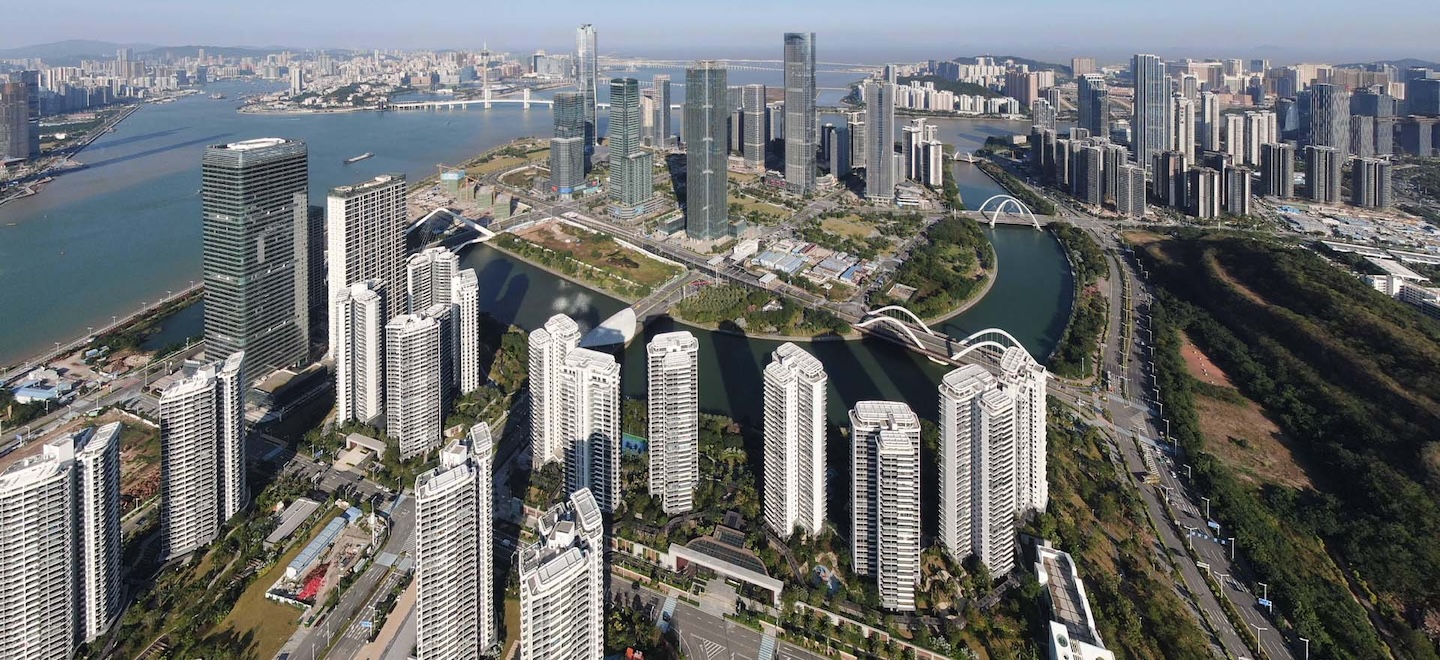
With the Guangdong–Macao Intensive Cooperation Zone in Hengqin rolling out a pilot dual-currency payment system across major commercial districts, Macao ID holders in Hengqin can now pay daily expenses directly in patacas using their usual mobile payment platforms in Macao, including MPay and mobile banking apps from local banks such as Bank of China Macau Branch and Industrial and Commercial Bank of China (Macau). There is no longer a need to transfer funds to a Chinese mainland electronic wallet or convert patacas into renminbi in advance.
The pilot dual-currency payment scheme was first introduced in September 2024 at the Macau New Neighbourhood development, allowing residents and visitors to make small mobile purchases in either patacas or renminbi at the complex’s merchants. Located in Hengqin, the integrated housing estate is solely targeted at ID holders of the Macao Special Administrative Region (SAR).
By August last year, the pilot dual-currency payment programme had expanded to six major commercial districts within the Cooperation Zone. Policies in the zone – occupying the entire Hengqin Island, immediately adjacent to Macao – include tax incentives, simplified cross-boundary procedures and measures allowing Macao ID holders to work and live in Hengqin more easily.
The Cooperation Zone is widely seen as a central component of Macao’s long-term economic strategy and a major experiment in cross-boundary governance within the Greater Bay Area development plan. The introduction of dual-currency payments formed part of a package of 30 financial support measures for the Cooperation Zone issued in February 2023 by the People’s Bank of China, the China Banking and Insurance Regulatory Commission, the China Securities Regulatory Commission, the State Administration of Foreign Exchange, and the Guangdong provincial government.
According to official information from the Cooperation Zone, the system is built around a “one device, one QR code” model that integrates payment channels from both Macao and the Chinese mainland. Merchants need only a single terminal to accept electronic payment tools from both sides. For people whose income mainly comes from Macao and is denominated in patacas, but who live or spend regularly in Hengqin, the change significantly reduces both the time costs and psychological barriers associated with cross-boundary fund transfers, observers say.
Payment convenience
Most commercial districts participating in the scheme are areas frequently visited by people from Macao for everyday spending, including restaurants, retail outlets and lifestyle services.
Macao ID holder Huang Chengbin, deputy director-general of the Macao Civil Alliance for Building Development, who relocated to Hengqin at the end of 2019, recalled that during his early years there, payments mainly relied on Chinese mainland mobile apps like WeChat Pay or Alipay, both of which required linking a Chinese mainland bank card.
“In the past we had to withdraw patacas in Macao, exchange them for renminbi cash, bring the cash to Zhuhai within the cross-boundary cash declaration limits and deposit it into a bank account,” he said.
Another option was to transfer funds through the Macao version of Alipay, but the process was limited. “Each transfer was only around 3,000 yuan to 5,000 yuan, and it took time to process.” Mr Huang noted that if funds were transferred through traditional banking channels, arrangements often had to be made half a day in advance.
“If I wanted to go out for dinner tonight, I would have to transfer money this morning. Otherwise, I wouldn’t be able to pay,” he said. Although electronic channels later reduced transfer time to around an hour, the process still required planning.
Today, under the “one device, one QR code” system, he simply opens MPay and pays directly using funds linked to his Macao bank card and bank account. “Now all my spending can be handled within one app. Points, records, everything is in the same system. I don’t have to switch between Alipay, WeChat or MPay anymore.”
For Mr Huang, the change represents more than technical convenience. “In the past, coming to Hengqin felt like travelling for work or tourism because you had to switch payment systems. Now it feels seamless, like an extension of daily life in Macao.”
He believes the shift has shortened the psychological distance between Hengqin and Macao. “In the past you would remind yourself that this is the Chinese mainland and you needed another payment method. Now you barely think about it,” he said.
Mr Huang also noted that MPay is already accepted in many scenarios in Hengqin, including petrol stations, and occasionally offers promotional discounts. “Both petrol stations in Hengqin accept MPay. Sometimes you get discounts like 5 or 10 yuan off a 200-yuan purchase,” he said.
He hopes the service will expand further to include more scenarios such as taxi services and online platforms. As a resident who frequently travels between Macao and Hengqin, Mr Huang believes payment facilitation could also help attract small and medium-sized Macao enterprises to set up operations in Hengqin.
Looking back over the past few years, Mr Huang said he has witnessed Hengqin–Macao integration evolve from “hard connectivity” to “soft connectivity”. “In the beginning transfers took half a day, then two hours. Now payments are instant. The change in time efficiency is obvious,” he said.
From two to one device
While Macao ID holders experience a seamless transition, the integration of payment systems has also brought operational benefits for Macao-backed businesses operating in Hengqin.
Jessica Tong, owner of Seng Pan Coffee – one of the first Macao brands to open in the Macau New Neighbourhood residential project – has seen the evolution of dual-currency payments from the early pilot phase to the current stage.
With more than 20 years as a brand in Macao, Seng Pan Coffee chose to open a café in the Macau New Neighbourhood because of its community orientation towards people from Macao. “The whole environment feels like a small Macao. Most of our customers are Macao ID holders – about 90 percent are people we already knew,” Ms Tong said. Because the customer base is clearly defined, she believes offering familiar pataca-based mobile payment methods helps increase the willingness of customers to spend.
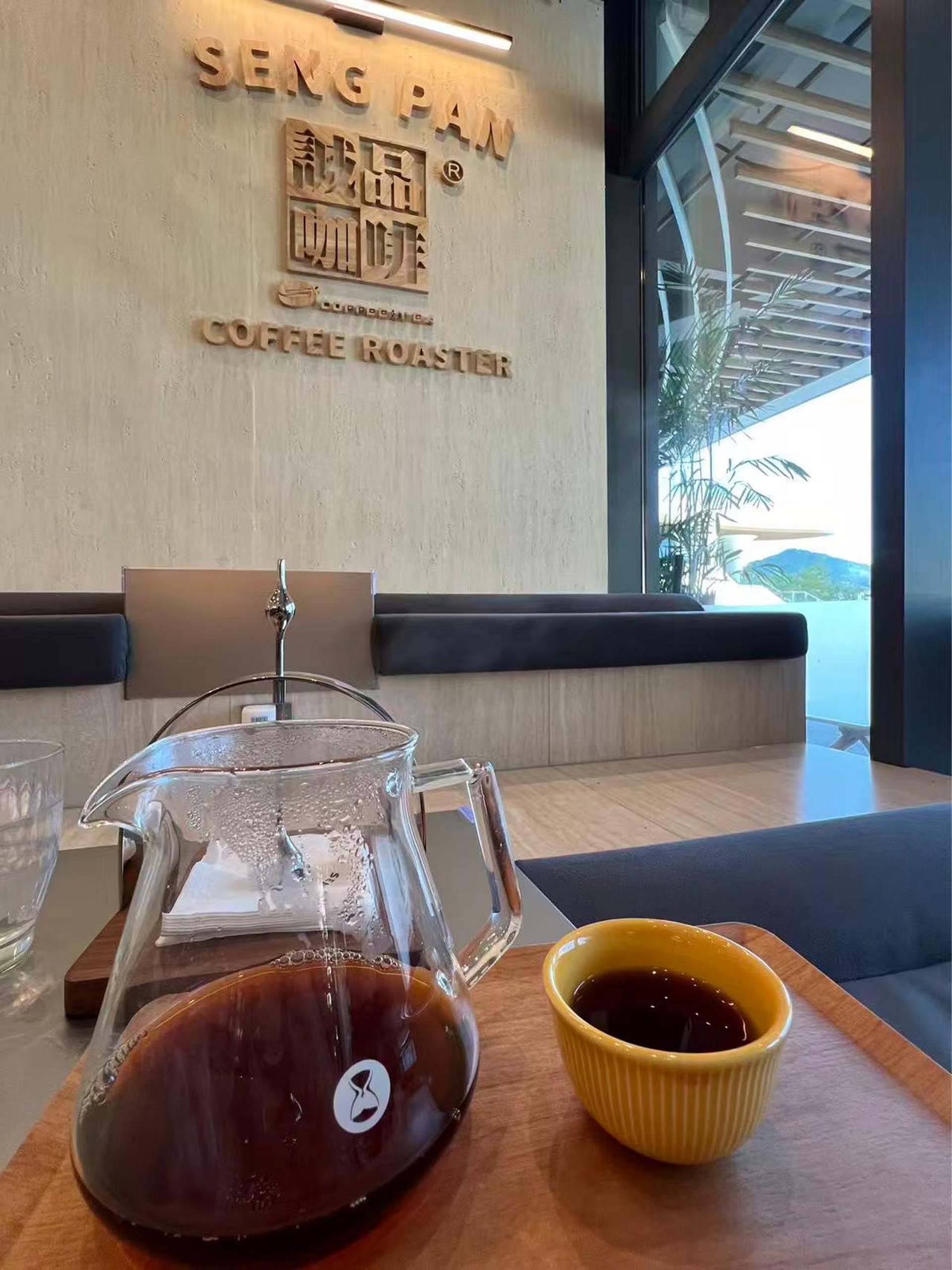
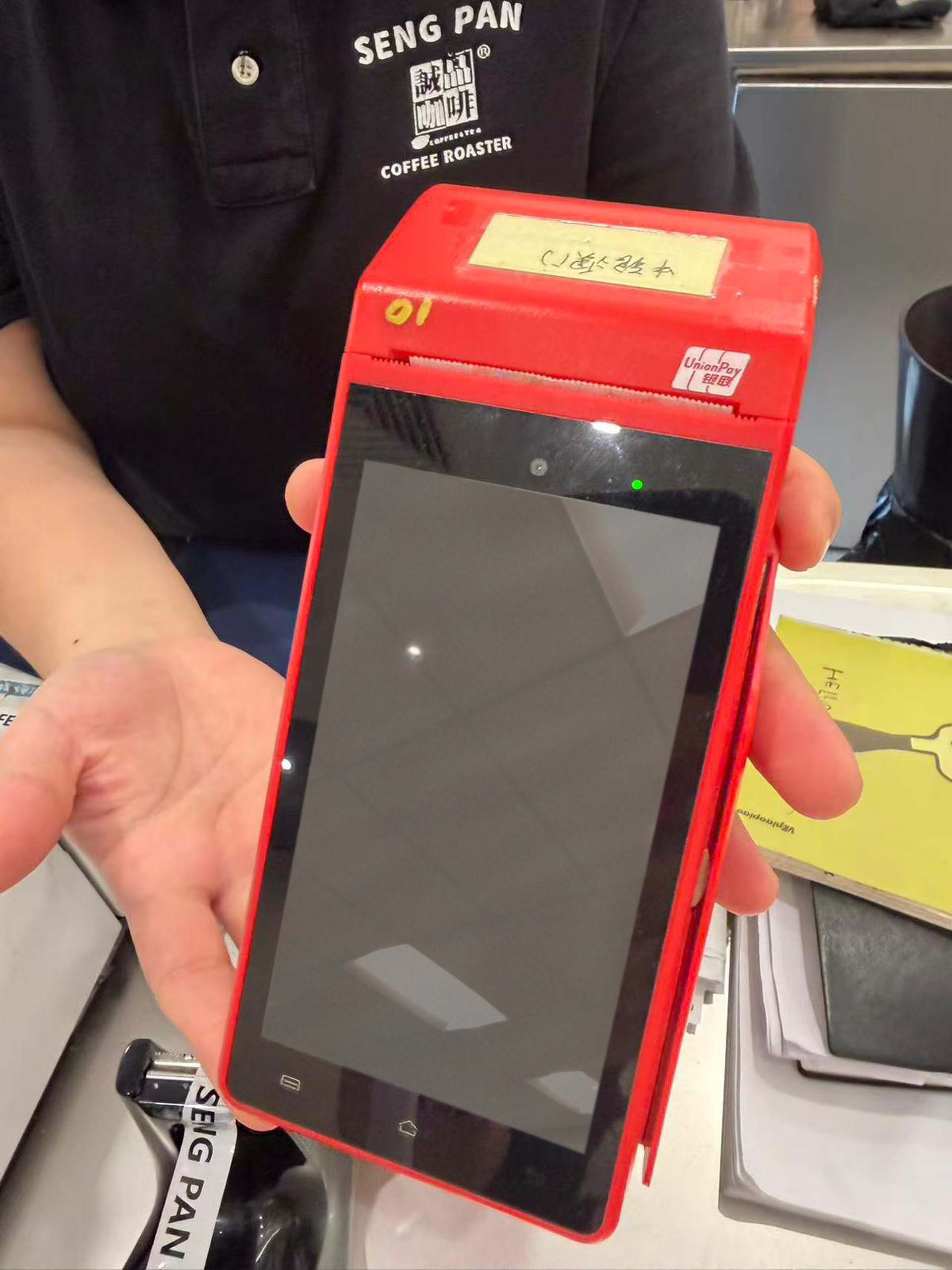
When dual-currency payments were introduced in the second half of 2024, merchants could accept both patacas and renminbi. However, before the full rollout of the “one device, one QR code” system, two separate payment terminals were still required.
“In the past we needed two machines: one for MPay payments in patacas and another Chinese mainland terminal for payments in renminbi,” Ms Tong explained. The arrangement not only occupied counter space but also increased the time staff needed to switch devices during busy periods.
“Now everything can be processed with one machine, which has simplified the workflow considerably,” she said.
With the integrated system, staff training has also become simpler. New employees can learn the payment process more easily, reducing errors that might affect the customer experience.
Under the current arrangement, merchants can maintain both pataca and renminbi accounts. When customers pay in patacas via MPay, the funds are deposited directly into the merchant’s pataca account and vice-versa. If renminbi exchange is required for mainland procurement or operational costs, settlement can be conducted according to the daily bank exchange rate.
“There are no additional service fees,” Ms Tong explained. If there is no immediate need for conversion, funds can remain in the pataca account for flexible use, she added.
Merchants can also apply to transfer settlement proceeds back to their corporate bank accounts in Macao if needed. Compared with previous arrangements that required complex procedures to remit income back to Macao, the new system offers greater flexibility, Ms Tong said.
In addition to payment integration, consumption incentives recently introduced for Macao ID holders have also helped increase customer traffic. She noted that MPay users who hold a Macao ID can participate in promotional campaigns within designated commercial districts and participating merchants. The subsidy portion is reimbursed to merchants through the promotional mechanism, so it does not represent an additional burden for businesses.
Ms Tong observed that the proportion of transactions settled in patacas at her café has risen significantly since the promotion began. “Recently many customers are paying in patacas through MPay,” she said.
Financial logic of everyday integration
From a financial and policy perspective, Hengqin’s dual-currency payment initiative goes beyond improving consumer convenience. Oriol Caudevilla, board director and secretary-general of the Global Impact FinTech Forum (GIFT), a non-profit fintech think tank that helps facilitate social, financial and digital inclusion, described the scheme as “a very positive and meaningful development”.
Speaking to Macao Magazine, the financial expert said that although the arrangement may appear technical at first glance, it signals a deeper level of financial integration within the Greater Bay Area, particularly at the level of retail transactions and everyday life.
“When residents can transact seamlessly across boundaries using familiar currencies and payment tools, it shows that integration is no longer confined to large-scale finance or infrastructure projects, but is increasingly embedded in daily economic activity,” said Mr Caudevilla, until recently honorary fellow at the Asian Institute of International Financial Law of The University of Hong Kong.
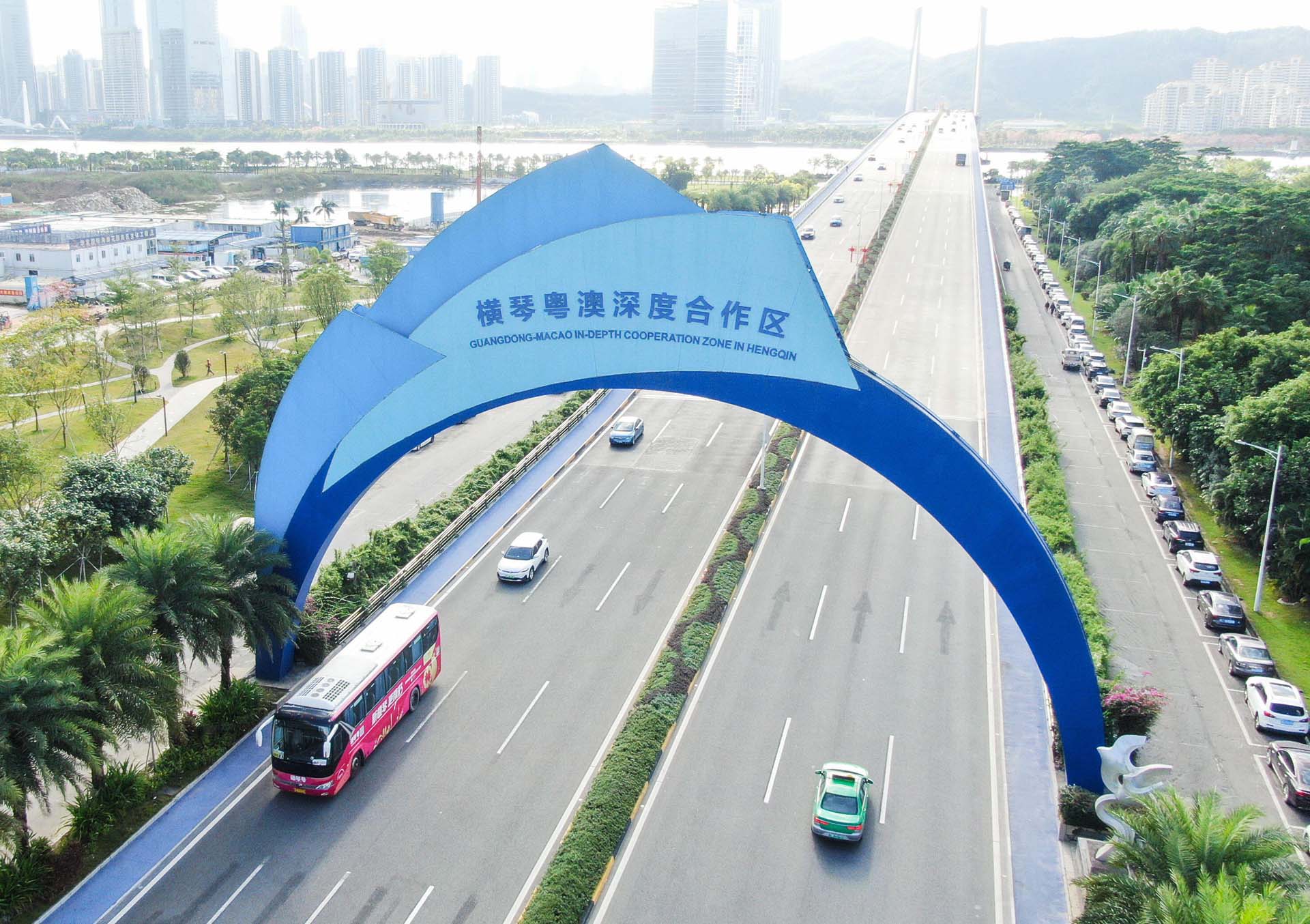
From a regional perspective, he noted that the expansion of dual-currency payment systems between Macao and Hengqin reflects the evolving role of the Cooperation Zone as a practical testing ground for institutional and financial innovation. In the longer term, he said it is plausible that similar dual-currency or interoperable payment models could emerge in other parts of the Greater Bay Area.
“The fact that these systems are being deployed in major commercial districts suggests strong confidence in both the technical robustness and regulatory coordination behind the initiative.”
Mr Caudevilla emphasised that the development should not be viewed merely as a step forward in consumer convenience. “Convenience is certainly an important outcome, but the broader significance lies in the structural progress it represents,” he said.
According to him, the initiative demonstrates that payment systems, regulatory frameworks and operational standards are becoming sufficiently aligned to support real-time cross-boundary retail transactions – an essential building block for deeper economic integration. “This reflects a mature stage of technical coordination that moves beyond parallel systems towards genuine interoperability.”In practical terms, payment convenience can have a tangible effect on cross-boundary consumption patterns and mobility. “When friction at the point of payment is reduced, people are more likely to travel, spend and participate in cross-boundary activities,” Mr Caudevilla said.