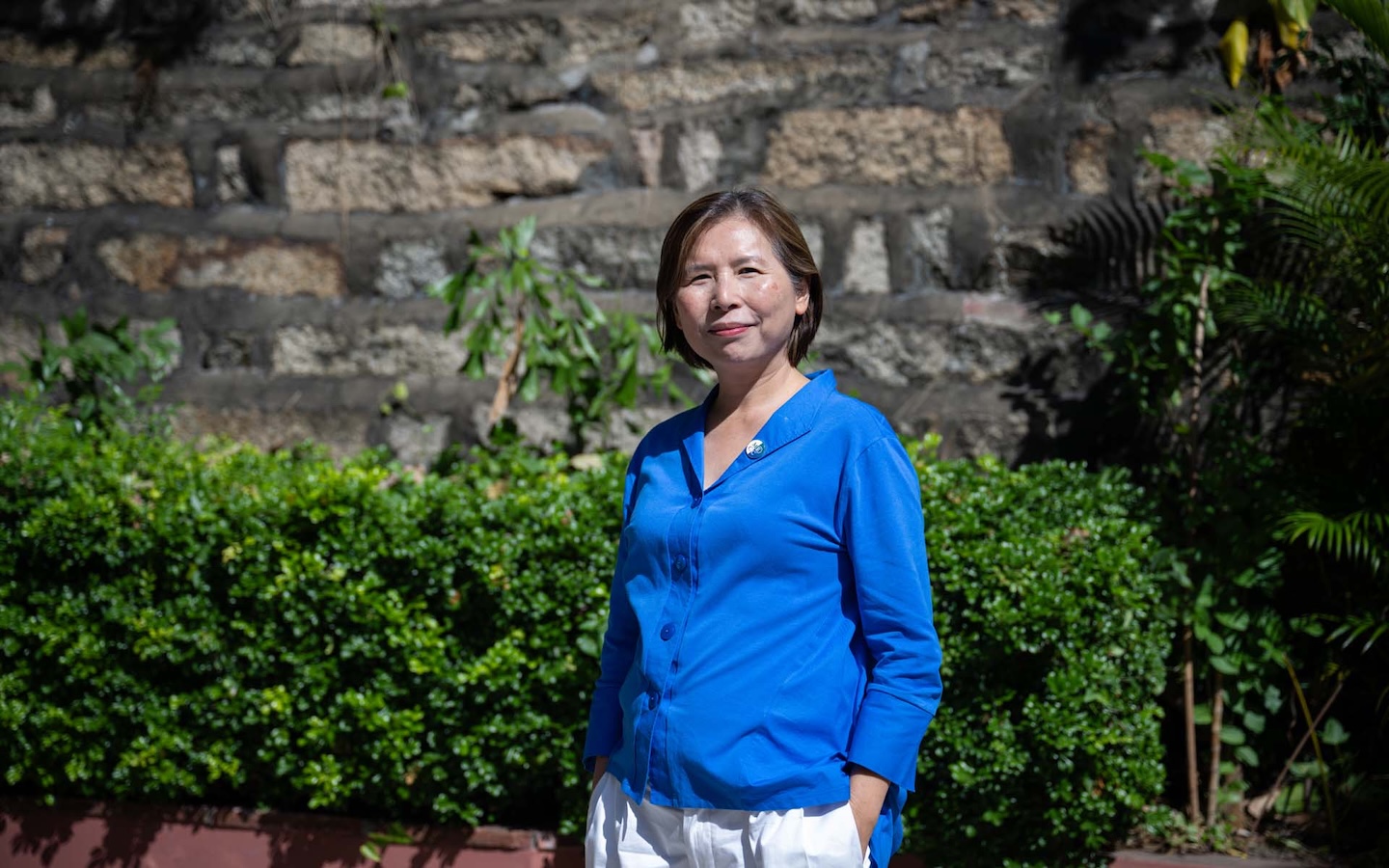
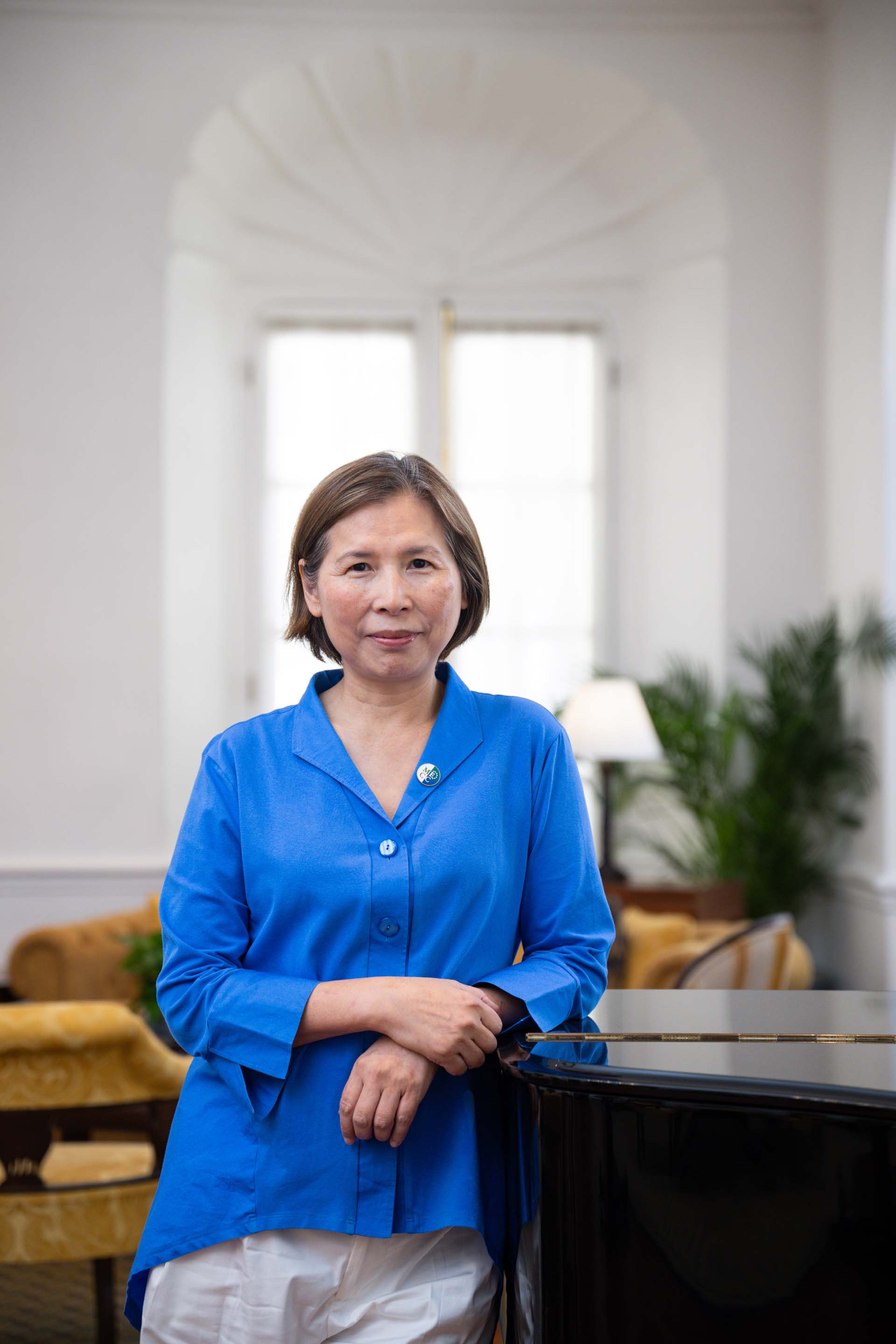
European companies have been well-established in Macao for decades and play an important role in the city’s economic growth, Echo Chan, president of the board of directors of the Macau European Chamber of Commerce (MECC), said in an interview with Macao Magazine. She is confident that European businesses will find even more opportunities in future as the city continues to diversify its economic structure.
Further investment in technology, finance, as well as the expansion of the Meetings, Incentives, Conventions and Exhibitions (MICE) industry are areas that could help Macao build a more resilient and multifaceted economy, with European businesses bringing a wealth of experience that could help achieve the city’s diversification goals.
Ms Chan also believes that Macao’s close proximity and connections with neighbouring Hengqin on the Chinese mainland – as well as the Guangdong-Hong Kong-Macao Greater Bay Area – provide excellent opportunities for European businesses seeking to expand their presence in the region, with the chamber well-positioned to facilitate the exchange of business and trade.
“Member companies of our European trade chambers have long been rooted in Macao, and they are all pleased to see that Macao’s economic structure is improving gradually,” Ms Chan stated.
“The ‘1+4’ directive, for instance, and the other new ideas to develop the technology sector or cultural businesses as mentioned in [Macao’s] Policy Address, provide opportunities for our members to expand their businesses.”
The “1+4” economic development strategy refers to Macao’s aim to strengthen its role as a tourism and leisure destination, while developing four new industries: “Big Health”, with a focus on Traditional Chinese Medicine (TCM); modern financial services; high and new technologies; as well as MICE, with the hosting of large-scale international events, including business conventions, sporting events and concerts.
“We place particular emphasis on connecting the skills and strengths of European companies, in areas like green technology, innovative design, and professional services, with Macao’s [economic] diversification policy,” Ms Chan said.
A growing chamber
MECC was founded in 2013 by a number of European chambers of commerce based in Macao including the Luso-Chinese Chamber of Commerce, the British Chamber of Commerce in Macao, the France Macau Chamber of Commerce, the German Macau Business Association, the Irish Chamber of Commerce of Macau, and the Macao-Romanian Chamber of Commerce.
The organisation has continued to grow since then, welcoming the Italian Chamber of Commerce in Hong Kong and Macao; the Austrian Chamber of Commerce Hong Kong & Macau; as well as other individual and corporates as members.
The “trade chamber of chambers” is the nexus, serving as a network linking Macao’s established European businesses with local and regional trade chambers or government units, Ms Chan explained.
Ms Chan served close to 30 years in the Macao Special Administrative Region (MSAR) Government, predominately in leadership positions for the city’s trade promotion services and retired from public service in 2022. In October 2025, she was elected as president of the board of directors of MECC for a two-year term.
Many of the MECC’s trade chamber constituents are European businesses that have “long been rooted” in Macao and have “participated extensively” in the city’s “robust” tourism and economic developments in the past, Ms Chan highlighted.
The European Union (EU) remains one of Macao’s major trade partners. In 2024, the Chinese mainland was Macao’s top trading partner, accounting for 28.3 percent – or circa 40.21 billion patacas – of the city’s trade volume, at 142.16 billion patacas, showed data from the city’s Statistics and Census Service.
The EU was the city’s second largest trading partner, accounting for 26.6 percent – or nearly 37.83 billion patacas – of Macao’s trade volume in 2024. Most were imports from the EU, but Macao’s exports to the EU expanded by 42.9 percent year-on-year, to approximately 215.9 million patacas.
The EU was also one of Macao’s largest sources of foreign direct investment in 2024, with total stock at nearly 12.40 billion patacas, according to the statistics bureau.
The MSAR Government’s policy of pursuing economic diversification is seeing “initial results”, particularly in the fields of finance, technology, culture and tourism, as well as the MICE sector, Ms Chan said.
The MECC head believes the diversification strategy – which she described as “necessary” for the city’s development – will bring broader opportunities for European businesses, or even new international investors.
Hengqin and Greater Bay Area
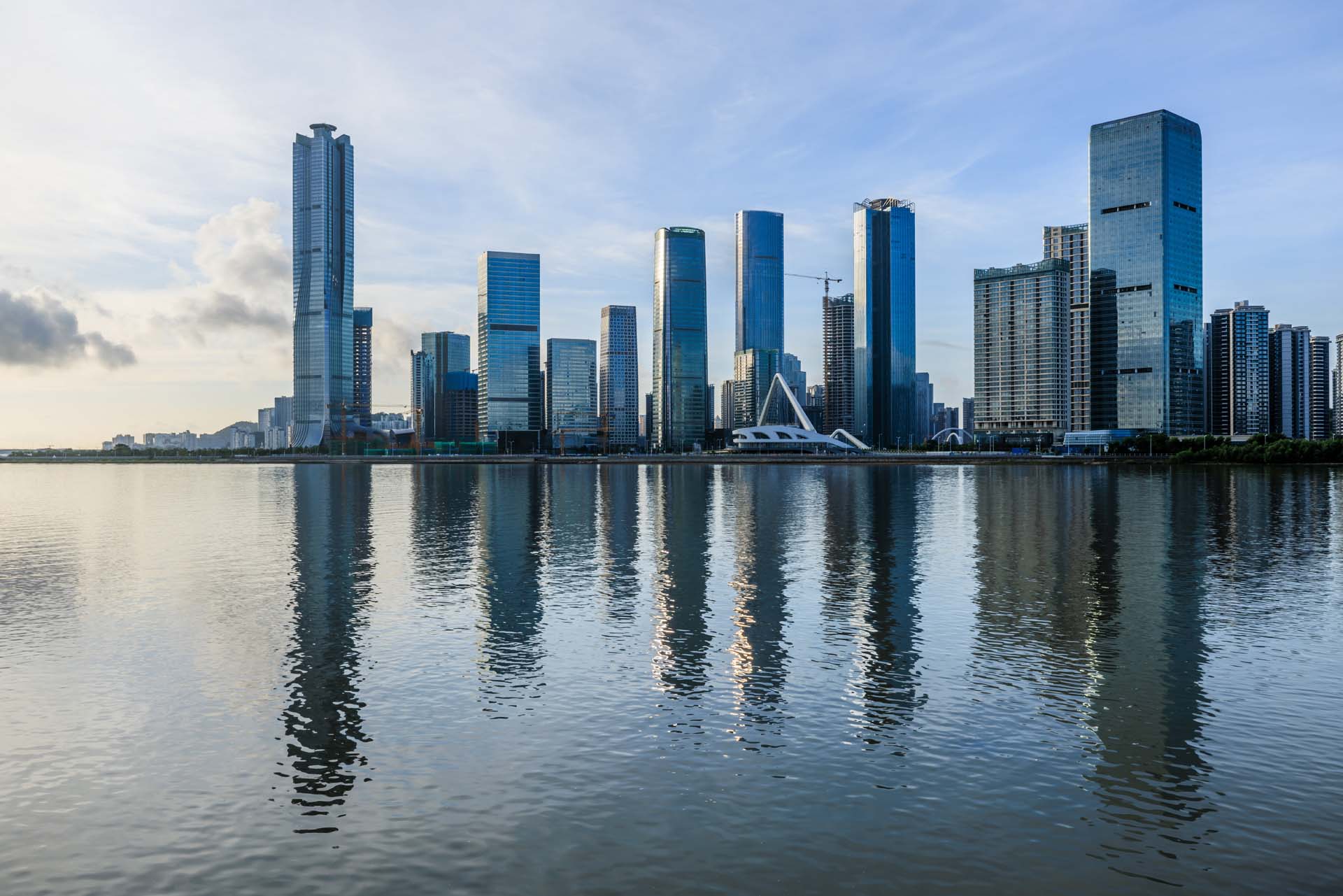
Neighbouring Hengqin is the answer to Macao’s “spatial limitations” in terms of economic diversification, particularly for developing the technology sector, as well as TCM, finance, and the tourism industries, Ms Chan said.
The trade chamber encourages its members to leverage Macao’s close connection to Hengqin to explore business opportunities in areas such as the green economy, high-end manufacturing and other professional services.
“Hengqin has some [supporting] professional services, more human resources, and good policies for companies to set up their outposts,” Ms Chan said.
Hengqin and the Greater Bay Area present a potential wider market for companies to expand their businesses, the MECC president noted. The chamber’s role is to act as an “information gateway” and “network builder” for its members seeking opportunities in the Greater Bay Area.
“We can liaise with government departments or other regional institutions from Hengqin or the Greater Bay Area to build up a communication channel, so that any new developments or policies relating to the market can be conveyed effectively,” Ms Chan said.
“We also cater to our members’ needs, and organise relevant seminars, corporate visits, policy briefing sessions or business matching events,” she added. “For instance, we recently organised a visit for our board members to [meet with] a number of high-tech and AI [artificial intelligence] companies in Shenzhen, and co-hosted forums in Hengqin focusing on the blue economy and green energy, assisting members in expanding regional cooperation.”
The MECC is also open to liaising with companies from the Chinese mainland which may be interested in connecting with European trade members, Ms Chan stated.
“The exchange is a bilateral one. We welcome companies from the Chinese mainland to communicate with our members, should they be interested in exploring the European market and would like to seek cooperation opportunities.”
SMEs ‘key’ for cooperation
MECC membership comprises multinational corporations, small and medium-sized enterprises (SMEs), and professionals from various industries, including financial services, technology, tourism, cultural and creative businesses, and green energy.
“A significant portion of our members are SMEs. They are a key constituency that we serve at the chamber,” Ms Chan highlighted.
“We highly value the potential of SMEs in terms of innovation, and their operational flexibility … and we are committed to providing them with tailored support services,” the MECC president added. “Through our various national [chamber] members, we gather information on the development status and the challenges faced by their respective enterprise members, especially SMEs operating in Macao.”
Ms Chan believes that a major challenge for SMEs is an “information gap” regarding policies and investment measures. The chamber aims to help by providing information about policy updates, introducing government aid programmes, or creating networking opportunities with larger corporations in a timely manner.
“We leverage our cooperation ties with relevant government departments with the aim to [give] SMEs [an opportunity] to take part in government-led promotional campaigns. We also play the role of organising relevant corporate visits for our members.”
“For instance, in early December this year, the China Electronics Chamber of Commerce hosted their AI expo” in Macao and Zhuhai, Ms Chan said. “Through our access, we are able to refer our members to take part in the event.”
The event – Global Artificial Intelligence Machines and Electronics Expo – presented the latest technological advancements in AI, digital systems, smart equipment and audio-visual technology through three themed pavilions in Macao and Zhuhai. Major technology companies from the Chinese mainland attended the event.
“Of course, a business opportunity is not built just from one [corporate] visit; but at least that is a starting point to build knowledge, and any [new] business always starts from there,” Ms Chan concluded.