China’s 15th Five-Year Plan, to be submitted to the National People’s Congress (NPC) for review in March, will outline national development priorities for the period from 2026 to 2030. According to the recommendations for formulating the plan approved at the fourth plenary session of the 20th Central Committee of the Communist Party of China (CPC) in October, the central authorities plan to “consolidate and enhance” the role of the Guangdong-Hong Kong-Macao Greater Bay Area – together with the Beijing-Tianjin-Hebei region and the Yangtze River Delta – as one of the country’s “engines of high-quality development”.
Major objectives for the 15th Five-Year Plan period are to include obtaining “significant achievements in high-quality development” and “substantial improvements in scientific and technological self-reliance and strength,” according to the communiqué of the fourth plenary session of the 20th CPC Central Committee. “Fresh breakthroughs in further deepening reform comprehensively” and “further improvements in quality of life” are also goals mentioned in the document, as well as “further advances in strengthening the national security shield”.
“We will work hard for a further five years to see that by the year 2035, China’s economic strength, scientific and technological capabilities, national defence capabilities, composite national strength, and international influence will all be markedly stronger,” and that China’s per capita gross domestic product is “on par with that of a mid-level developed country,” said the communiqué.
Policy support
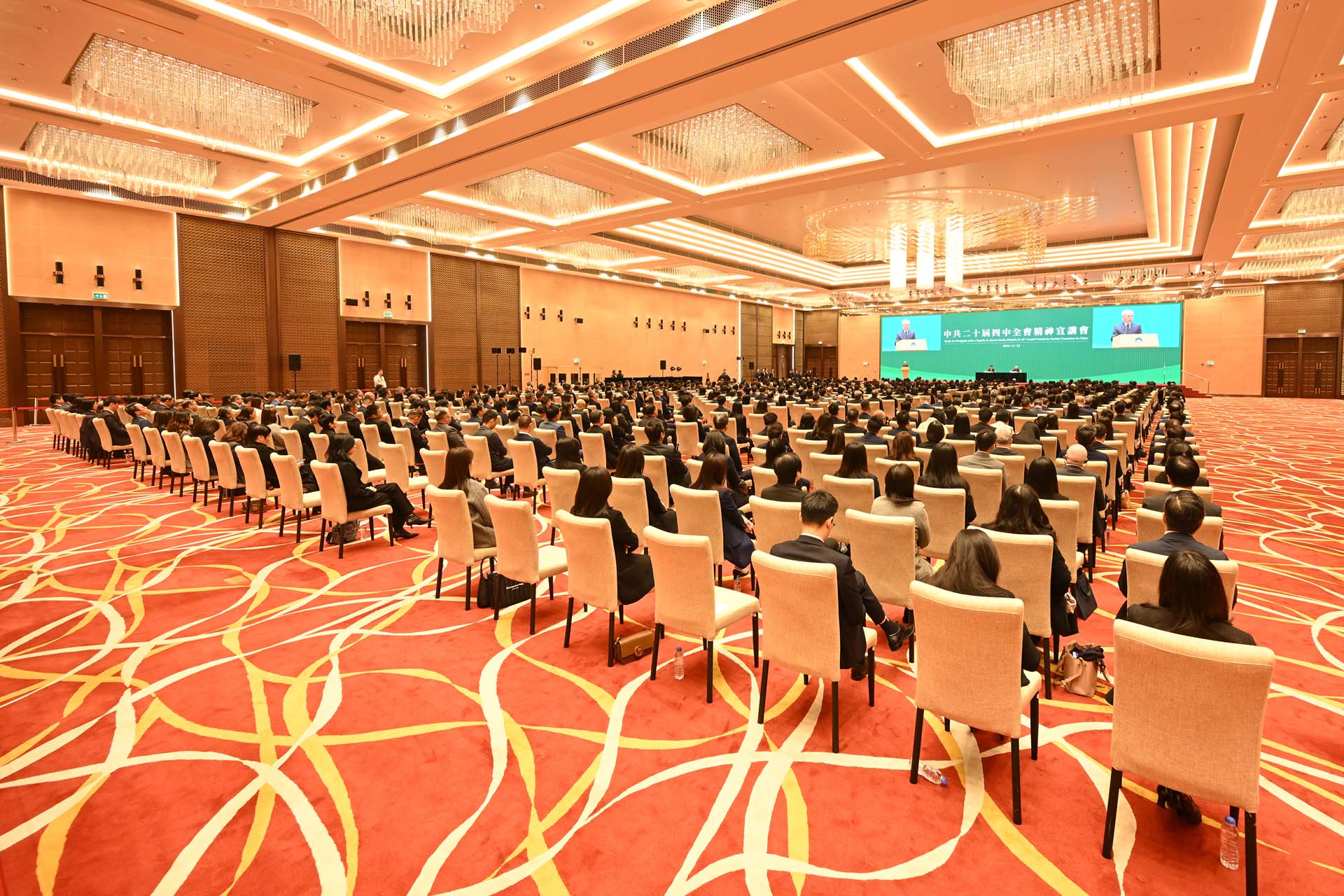
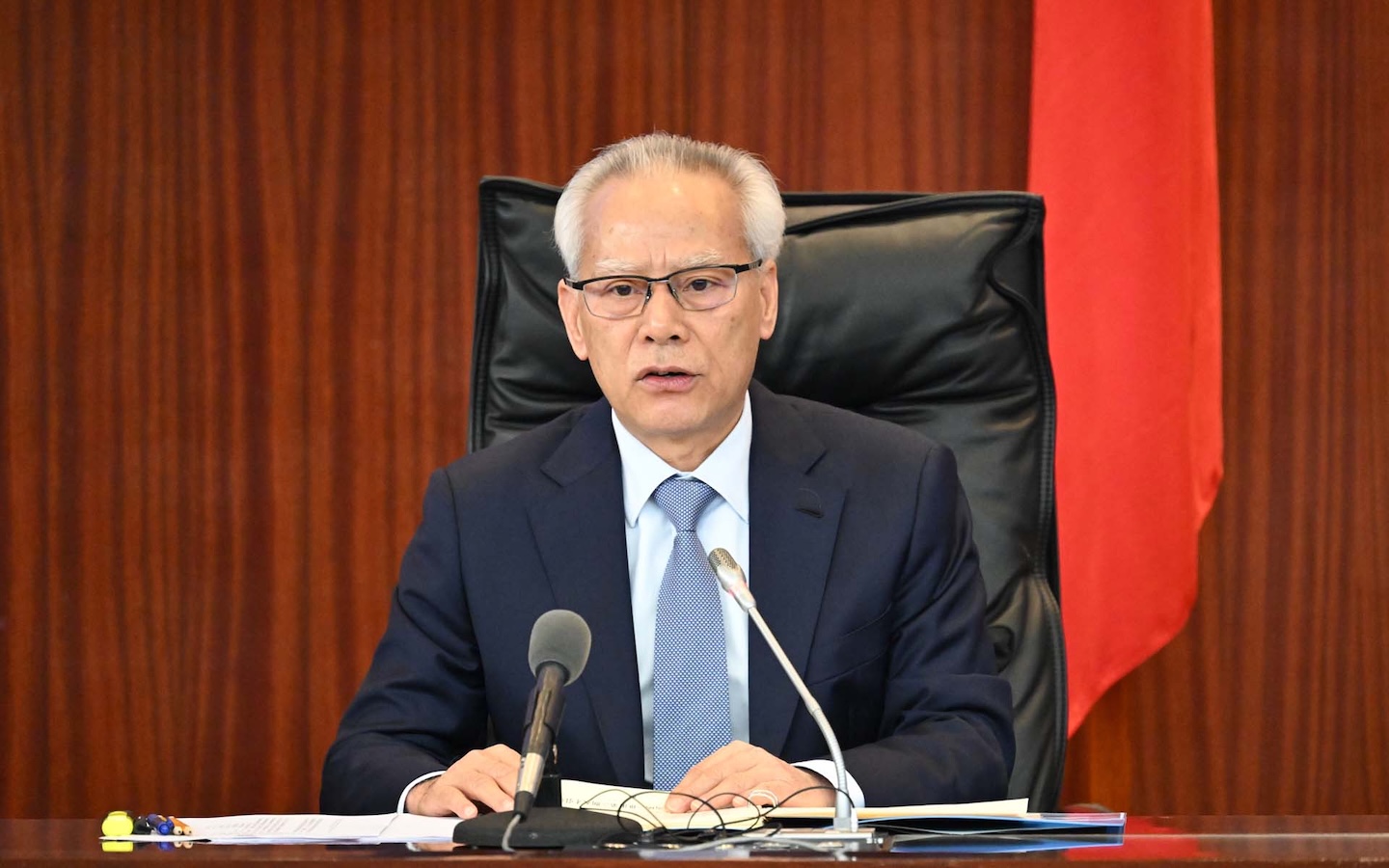
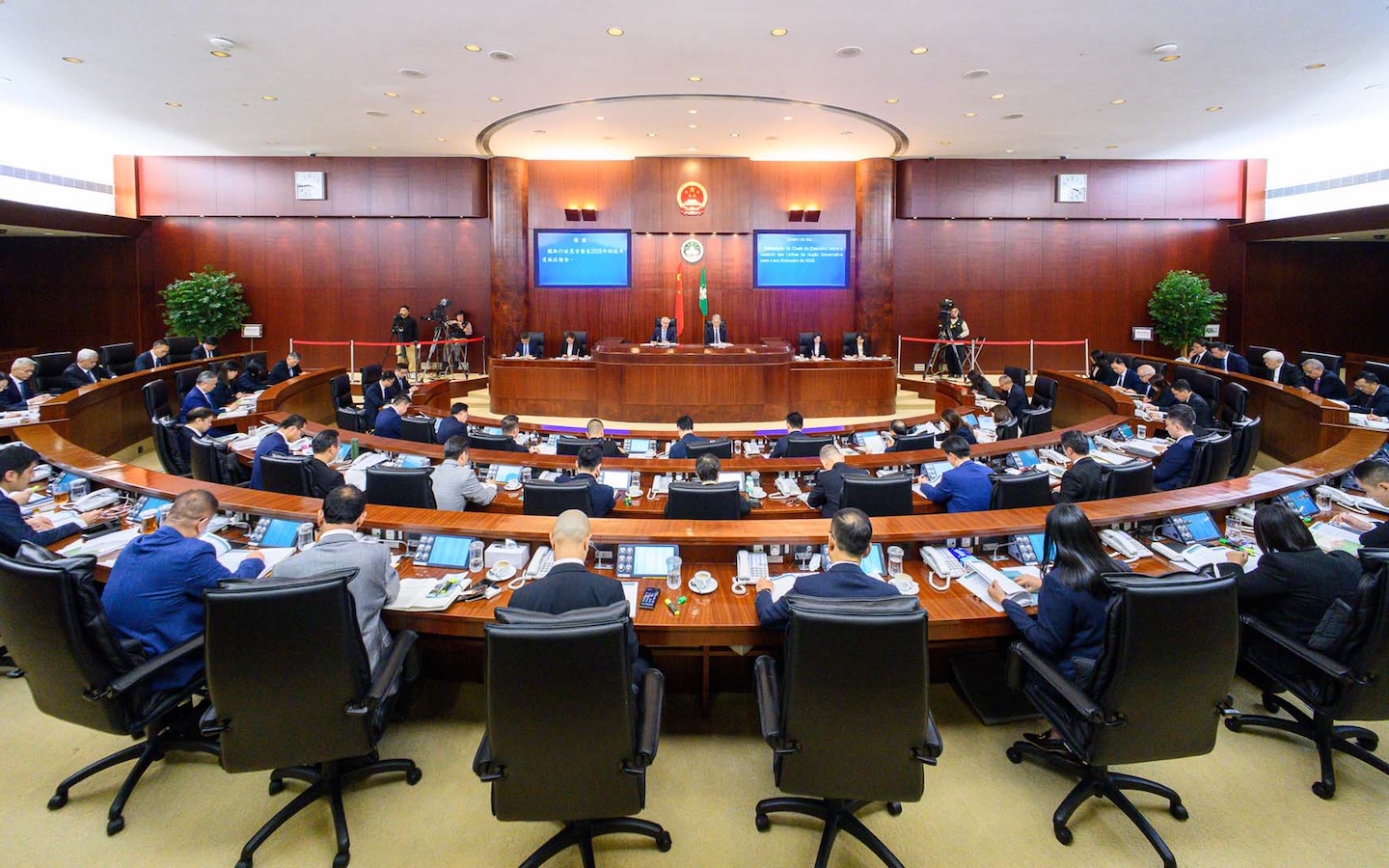
Speaking at a seminar held in late November on the guiding principles set by the CPC Central Committee for the 15th Five-Year Plan, the Macao Special Administrative Region (MSAR) Chief Executive, Sam Hou Fai, said the city would further align its efforts with national development. He noted that the MSAR Government was preparing Macao’s own Third Five-Year Plan for Social and Economic Development (2026-2030), which was being developed to integrate the city more effectively into national development and to support the advancement of Chinese-style modernisation.
Mr Sam expressed confidence that during the 15th Five-Year Plan period, the country would continue to achieve the ‘twin miracles’ of rapid economic growth and long-term social stability. This, he said, would open up broad space and significant opportunities for Macao’s appropriate economic diversification and improve people’s livelihoods.
Invited by the MSAR Government to speak at the event, Zhu Weidong, Deputy Director of the CPC Office of the Central Commission for Financial and Economic Affairs and Deputy Director of the CPC Office of the Central Leading Group for Rural Affairs, said the CPC Central Committee had put forward clearer and more substantial directives on promoting the long-term prosperity and stability of Macao and Hong Kong. This, he noted, fully reflected the Central Government’s consistent care, attention, and support for the two regions. “In the future, policy support for Hong Kong and Macao will only become stronger and extend across an even broader scope,” he said.
The President and Party Secretary of the Chinese Academy of Sciences, Hou Jianguo, was also a speaker at the same seminar. He shared insights, based on the recommendations of the CPC Central Committee, on how Macao could leverage its strengths to better integrate into, and serve, overall national development.
Expectations raised
Sonny Lo Shiu Hing, a political scholar from the University of Hong Kong specialising in Hong Kong and Macao affairs, told Macao Magazine that the structure of the 15th Five‑Year Plan broadly follows that of previous plans, but the expectations placed on Macao and Hong Kong point to an acceleration of regional integration within the Greater Bay Area.
Prof. Lo noted that calls for strengthened regional coordination – such as consolidating the development momentum of the Greater Bay Area – first emerged during the 13th and 14th five-year plans. “Apart from the phrase ‘high-quality development’, which is new, the broader concepts relating to cooperation between mainland provinces and regional clusters represent a continuation of [the country]’s political and economic trajectory,” he said. He added that for the past decade, the Central Government has consistently insisted on regional linkages to drive economic growth.
The CPC Central Committee 15th Five-Year Plan recommendations state that the central authorities “should support Hong Kong and Macao in better integrating into and contributing to the country’s overall development” and improve policies facilitating their residents’ career development and daily life on the Chinese mainland. While these objectives were already articulated in the 14th Five-Year Plan, Prof. Lo said the latest document places greater emphasis on speeding up integration – particularly within the Greater Bay Area.
The scholar said the Central Government has set out a clearer division of roles for Hong Kong and Macao in the new planning framework. For Macao, the draft recommendations once again emphasise its mandate to develop the “one centre, one platform and one base” strategy. In this context, Prof. Lo noted that while these positioning statements build on earlier strategies, the 15th Five‑Year Plan places stronger emphasis on “accelerating” Macao’s appropriate economic development. “Diversification must gather pace,” he said. Within the Guangdong-Macao Intensive Cooperation Zone in Hengqin especially, “Macao needs to push forward the development of conventions and exhibitions, Traditional Chinese Medicine, maritime tourism, and its bond and securities markets.”
Hong Kong, meanwhile, has been tasked with further consolidating its position as an international financial, shipping, and trade centre, while speeding up its transformation into a global innovation and technology hub. “Hong Kong’s innovation and technology sector still lags behind Shenzhen, so it needs to accelerate,” Prof. Lo said.
Talent development is also a core priority of the new planning cycle. The CPC Central Committee 15th Five‑Year Plan recommendations propose supporting Macao and Hong Kong “in building themselves into international hubs for high-calibre talent.” Although the wording refers to global recruitment, Prof. Lo said the main source of new manpower would, in all likelihood, be specialised professionals from the Chinese mainland.
Prof. Lo also stressed that the final 15th Five-Year Plan will likely not view the Greater Bay Area solely through a domestic lens. This strategy is closely aligned with China’s broader diplomatic agenda, including multilateral cooperation and the Belt and Road initiative. Within this framework, Hong Kong and Macao can use their international networks to facilitate investment and partnerships, while Macao should further strengthen its economic and industrial cooperation with Portuguese-speaking countries.
For the scholar, the most notable feature of the upcoming plan – as per the details already available – lies not in new content but in the pace of its implementation: “The 15th Five-Year Plan is a continuation, but the Central Government now expects Hong Kong and Macao to step up efforts.” He added that under the leadership of MSAR Chief Executive Mr Sam the city is required to accelerate the development of new industries if it is to achieve “significant change” within the next five years.
Fresh opportunities for Macao
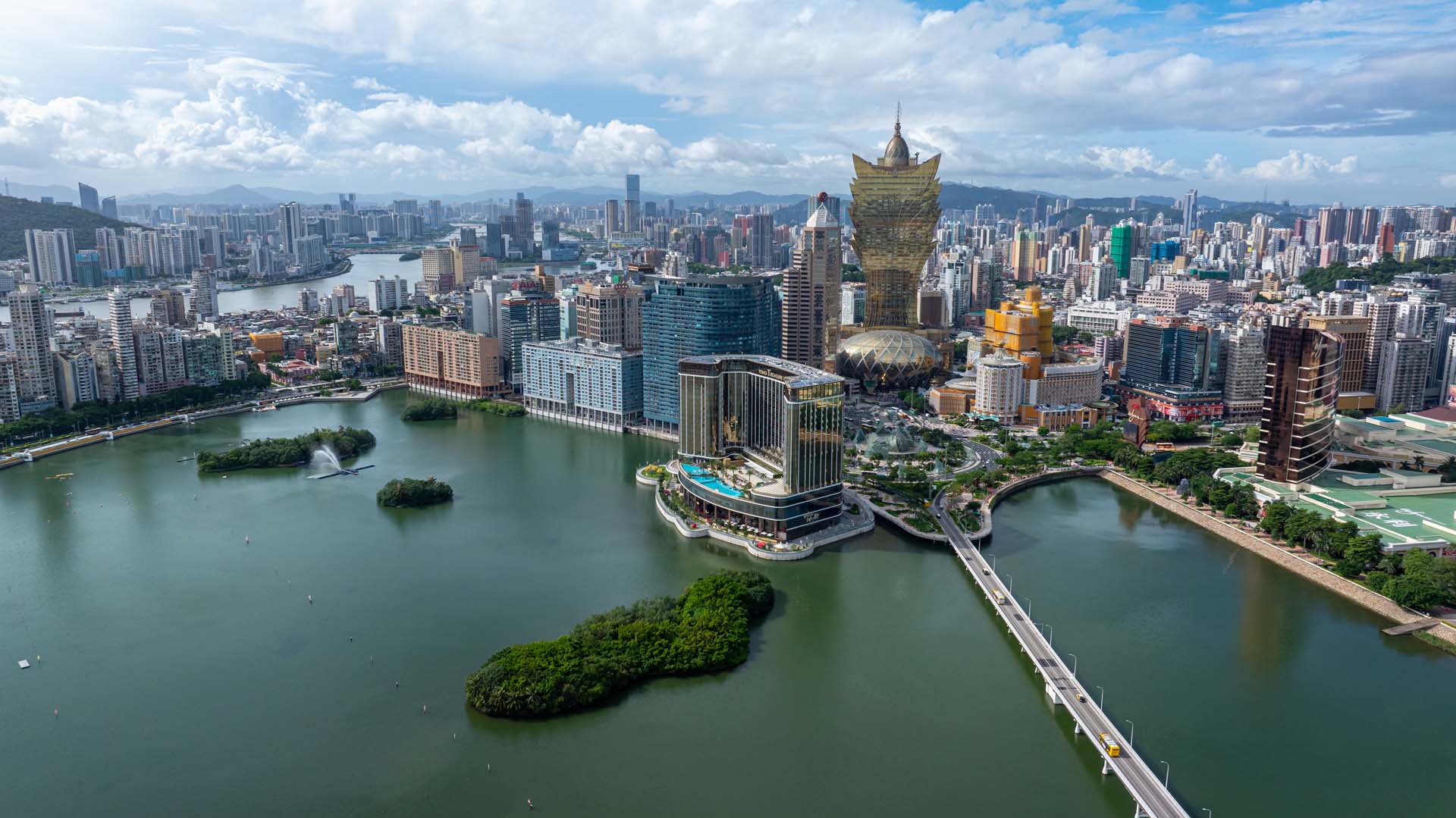
Lao Ngai Leong, a Macao deputy to China’s NPC, said the set of recommendations put out by the CPC Central Committee for the 15th Five-Year Plan “opens new development space and opportunities for Macao”. Although the plan is still being finalised, he noted that at least three priorities highlighted in the CPC Central Committee’s communiqué and recommendations will have direct and long-term significance for the city.
Speaking to Macao Magazine, Mr Lao said the first major element is the proposal to “build a modernised industrial system”, placing the focus on the real economy and promoting digitised, green and integrated growth. He stressed that this direction is closely aligned with the MSAR Government’s 2026 Policy Address, which sets out priorities to push ahead with administrative reform, strengthen economic diversification, improve people’s livelihoods, and deepen Macao’s integration into national development. “This will provide clearer policy direction and stronger national support for Macao’s appropriate economic diversification,” he said.
He added that during the 15th Five-Year Plan period, Macao can deepen cooperation with the Chinese mainland as the country prioritises high-quality growth and technological self-reliance. “In areas such as technological innovation and industrial upgrading, Macao can leverage its unique strengths and combine them with mainland resources – technology, talent, capital, and market reach – to achieve mutual benefits,” Mr Lao said. The plan’s emphasis on technological strength and the real economy, he added, also means Macao must advance more rapidly in innovation adoption, recruitment of professional talent, and cooperation on scientific and technological platforms.
The second priority mentioned by Mr Lao concerns high-level opening-up. The CPC Central Committee’s recommendations call for “pursuing high-quality Belt and Road cooperation” and expanding ‘two-way’ investment flows. The Macao NPC deputy said this provides Macao with a broader stage to engage in the national opening-up agenda. As an international city shaped by Chinese and Western influences, Macao holds unique advantages in external connectivity, service platforms and commercial mediation, positioning it to play a more active role in the next phase of opening-up. “The MSAR Government has already made the building of a higher-level opening-up platform a key goal,” which “fully aligns” with national strategy, he added.
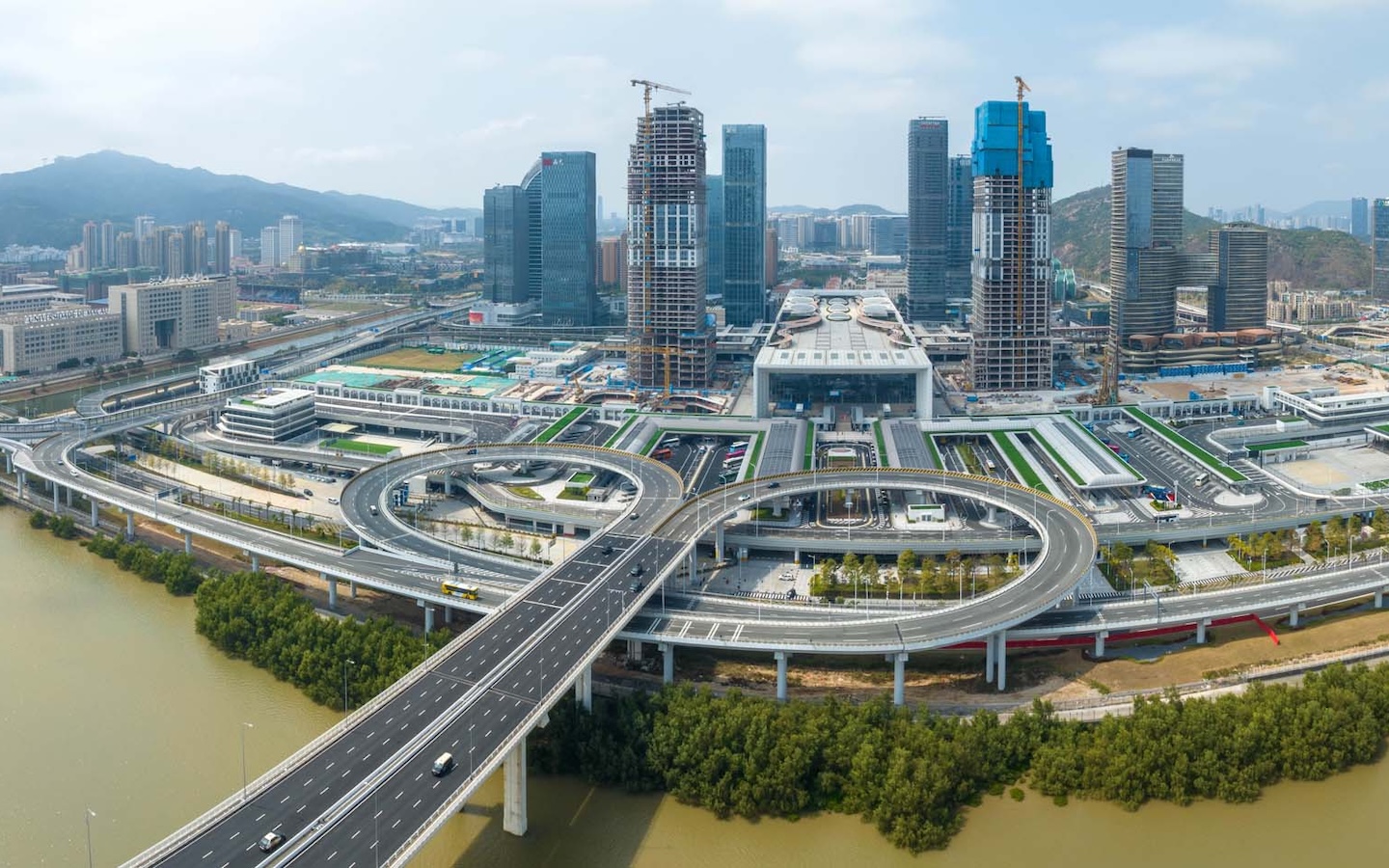
Mr Lao also highlighted that the Cooperation Zone in Hengqin will in all likelihood gain new momentum under the 15th Five-Year Plan. He described the zone as the core vehicle for Macao’s economic diversification, and said the new Five-Year Plan will offer clearer policy direction for its second stage of development. “In the next phase, Hengqin must firmly uphold the ‘Macao + Hengqin’ positioning, advance deeper Macao-Hengqin integration, and achieve more substantial breakthroughs in industry, regulation and the movement of people, capital and resources,” he said.
The third area of direct relevance to Macao, according to Mr Lao, is the CPC Central Committee’s renewed call to “carrying out work” related to Macao and Hong Kong. Mr Lao said this reaffirmation was both encouraging and indicative of the city’s responsibilities. He said Macao should continue to protect national interests, and work to maintain the city’s long-term stability and prosperity. He urged the MSAR Government to continue strengthening coordination with mainland authorities, implement Central Government support measures, and help residents integrate more effectively into national development.
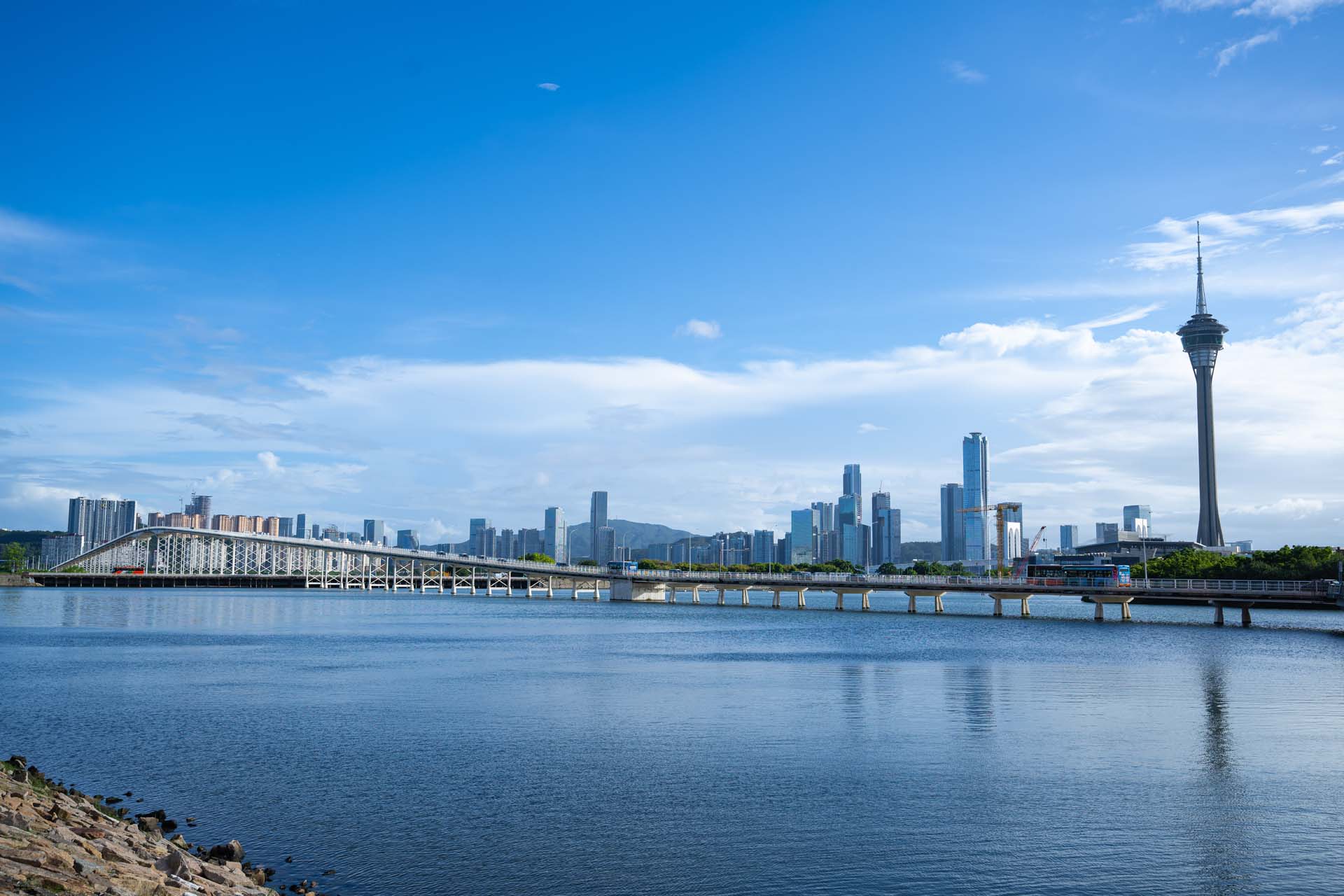
Recommendations on Macao for 15th Five-Year Plan
In the document “Recommendations of the Central Committee of the Communist Party of China (CPC) for Formulating the 15th Five-Year Plan for National Economic and Social Development”, adopted last October at the fourth plenary session of the 20th CPC Central Committee, there is a part focused on “promoting long-term prosperity and stability” in Macao and Hong Kong.
The document reaffirms the need for Macao to “better play” its strategic positioning as a world centre of tourism and leisure, as a service platform for commercial and trade cooperation between China and Portuguese-speaking countries, and as an exchange and cooperation centre where mainstream Chinese culture and diverse cultures coexist – collectively known as ‘one centre, one platform and one base’ – and to push forward with appropriate economic development.
The recommendations include ensuring that both Macao and Hong Kong – as special administrative regions of the People’s Republic of China – “are more effectively governed”, promoting economic and social development.
Integration into national development is also emphasised: “Cooperation between the [Chinese] mainland and Hong Kong and Macao in economic and trade affairs, science and technology, culture, and other fields should be strengthened, and policies and measures should be improved to make it more convenient for people from the two regions to develop careers and live on the [Chinese] mainland.”
The recommendations stress that Macao and Hong Kong “have the backing of the motherland and maintain close connection with the rest of the world”. It adds: “These unique strengths and important roles should be further leveraged.”