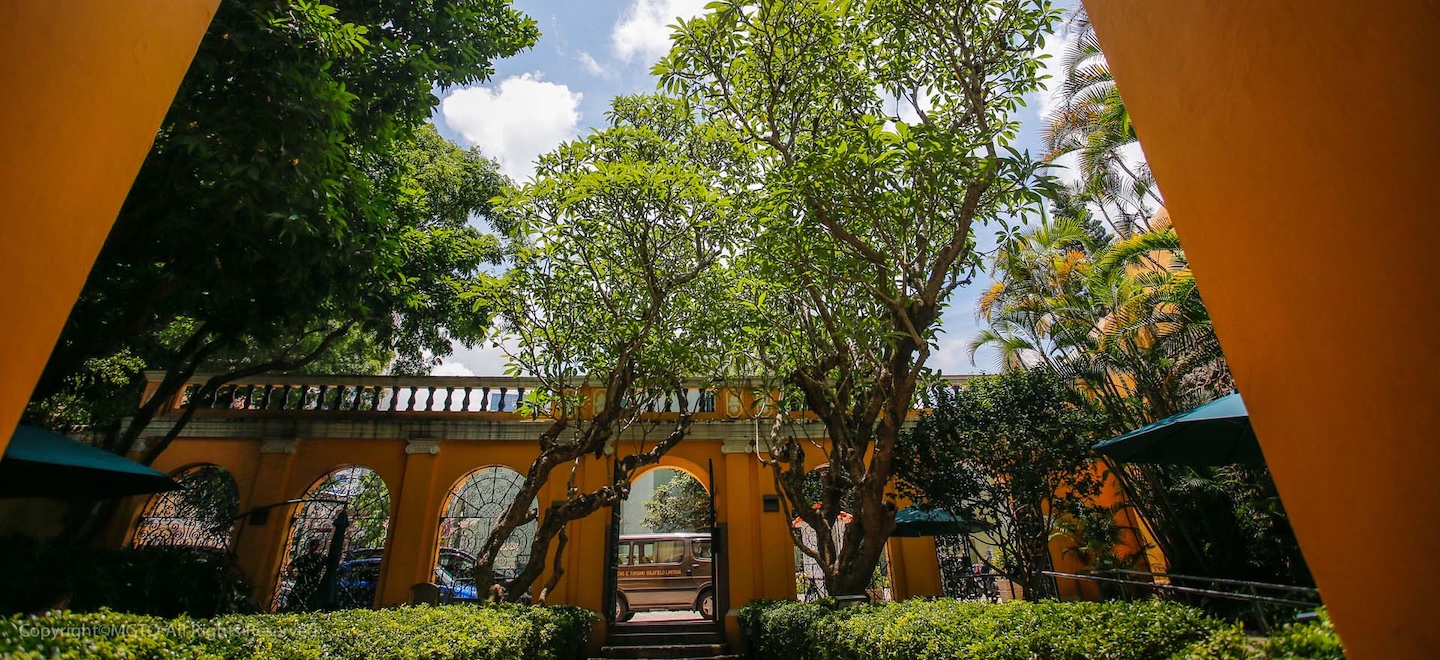
Beneath a canopy of weathered branches and the faint curl of incense smoke, time seems to slow at Kun Iam Temple, a Buddhist temple dedicated to the Goddess of Mercy. Here, in the temple’s courtyard, a Jambolan plum tree rises with quiet authority, its gnarled trunk and sweeping limbs a testament to centuries of life. Long before Portuguese poet Luís de Camões penned his verses or Tang Xianzu, the Ming Dinasty playwright famous for “The Peony Pavilion”, roamed the streets of Macao in the 16th century, this tree was already rooted and blooming.
The “Syzygium cumini” – also known as the Malabar plum – is believed to be around 515 years old. It stands among 658 ancient and heritage trees officially protected in Macao, according to the latest assessment from the Municipal Affairs Bureau (IAM). Ancient and heritage trees are living monuments that have endured storms, upheavals and the steady march of urban change. Their survival, however, is not merely a matter of resilience; it is also a reflection of cultural intention.
Across Macao, many of the city’s oldest trees are found within temple grounds, where nature and belief intertwine. For feng shui master Mickey Hung, this is an example of cultural significance and reflects a long-established set of metaphysical beliefs.
“It is no coincidence that ancient trees often stand in front of Macao’s temples. Take, for example, the two century-old banyan trees in front of the Kun Iam Temple and Tin Hau Temple, in Cheok Ka Village,” Mr Hung said. “They are more than just greenery; these ancient trees, with their lush foliage and enormous canopies, act like loyal guards, gathering auspicious Qi [vital energy] from all directions in front of the temple gate and gently building it inside. Their thick trunks and dense crowns slow down the wind, preventing Qi from being scattered, making the Qi field around the temples more stable and harmonious,” he explained.
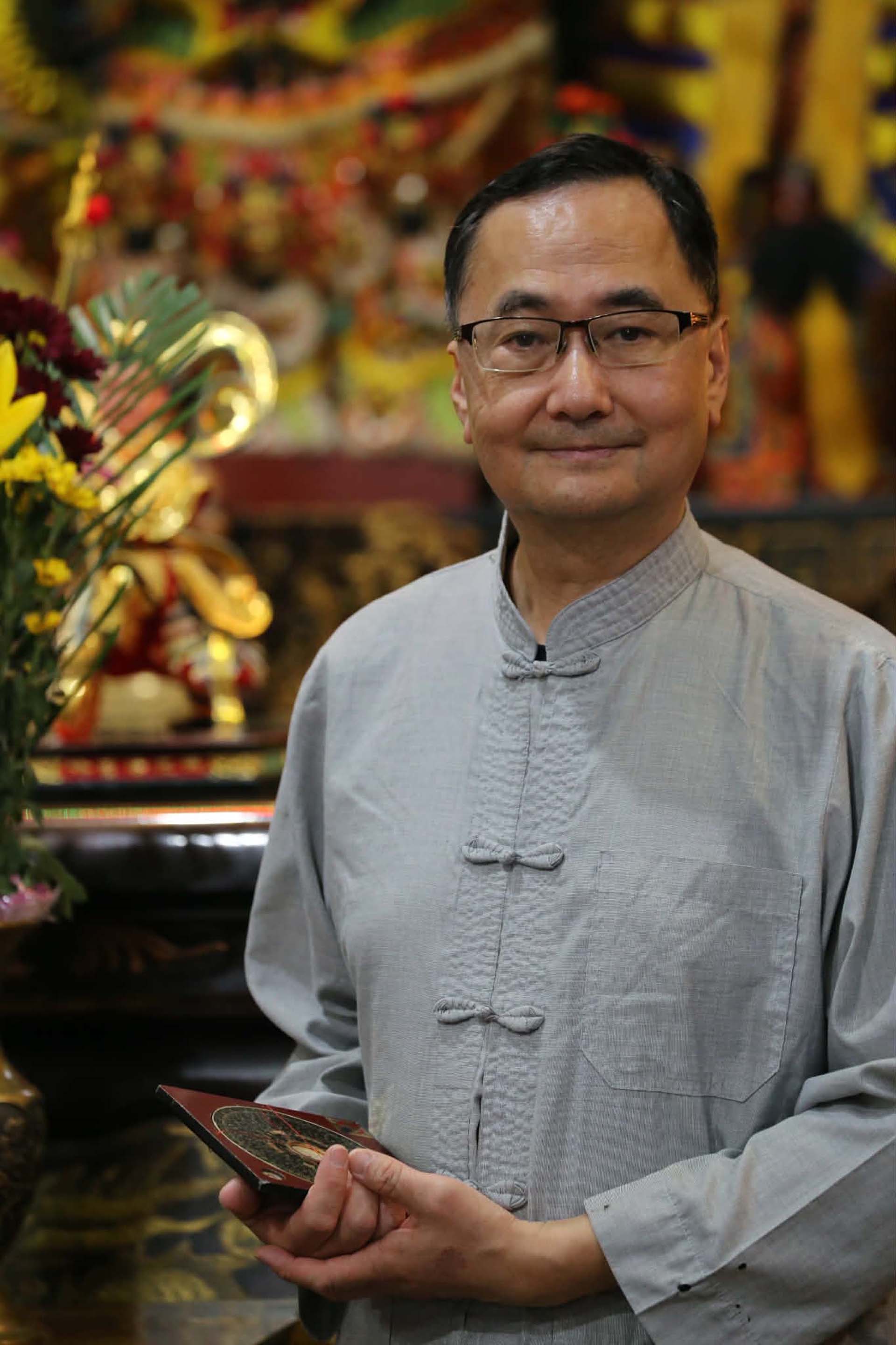
The feng shui master, a well-known proponent of Eastern metaphysics, often walks the city with his students, tracing the invisible flows that shape its energy. To him, these trees are “living textbooks on feng shui”, natural structures that temper wind, cast shade and cultivate balance within an increasingly dense urban fabric.
“In modern feng shui practices, especially in a place as land scarce as Macao, it’s difficult to find natural ‘backing mountains’, like in ancient times,” Mr Hung noted. “In Macao, the specific attributes of ancient trees make them the ideal choice for man-made protective shields. They act as the city’s lungs, absorbing the ‘Turbid Qi’ [stagnated energy] and ‘Sha Qi’ [negative energy] from roads and dense buildings, releasing oxygen through photosynthesis, while also smoothing and softening chaotic energy flows,” he explained.
“The huge canopies of ancient trees block the sun, lower ground temperatures and create a micro-environment that is cooler in summer and warmer in winter,” the feng shui master added. “The lush trees within the Camões Garden, for instance, keep the garden’s temperature noticeably lower than the surrounding streets.”
Where tradition meets science
If feng shui offers one lens through which to understand these ancient trees, science provides another; one that increasingly echoes similar conclusions.
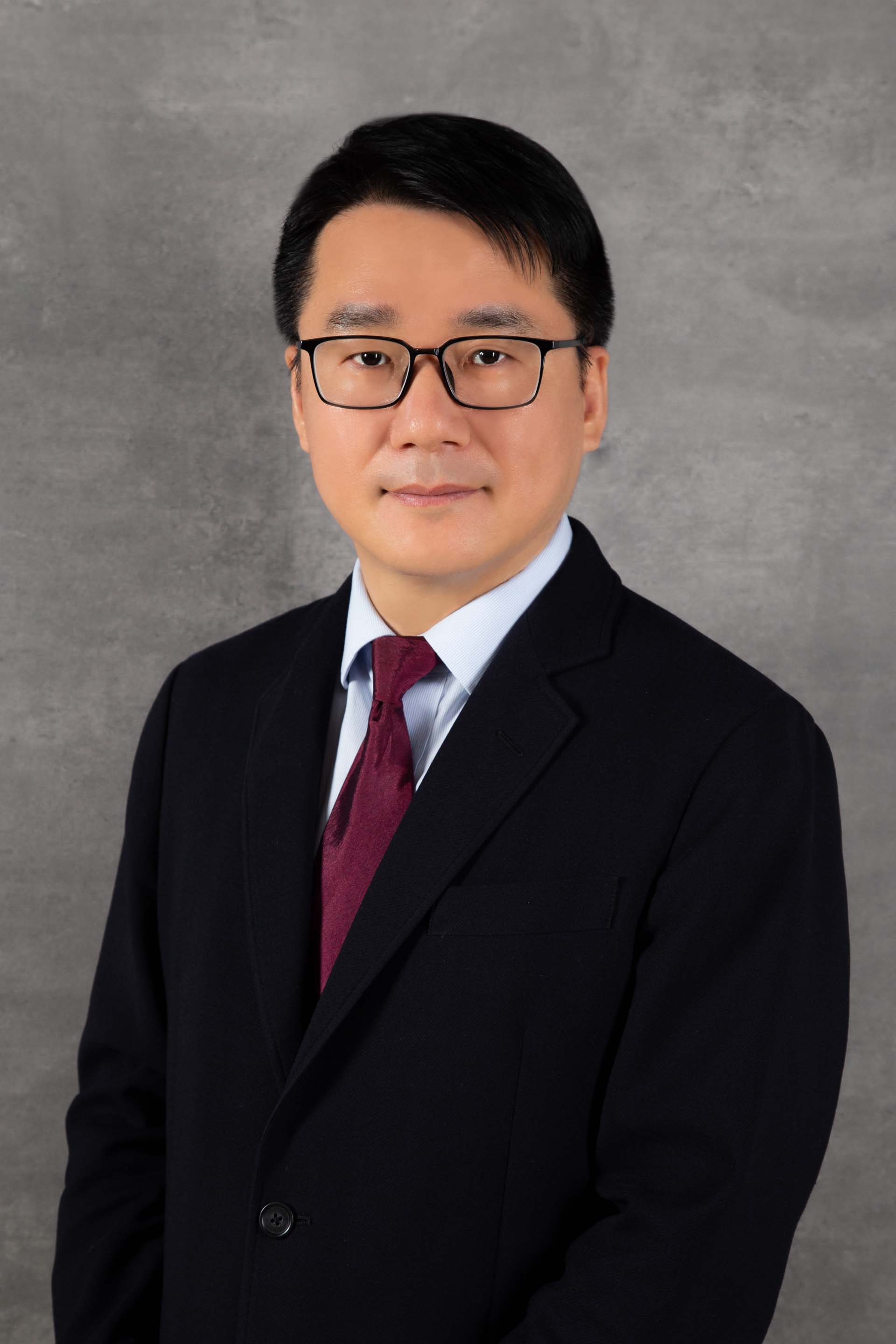
Research conducted by Professor Allen Zhang Hao, head of the School of General Education and Languages and associate professor at the Department of Construction, Environment and Engineering at the Technological and Higher Education Institute of Hong Kong (THEi), underscores the ecological value of old-growth trees in cities like Macao. “Ancient trees play a crucial role in urban diversity and cannot be replaced by younger trees,” the scholar stated.
“Their complex structure and morphology, wide canopy and extensive root system provide a wide range of microhabitats that can support a rich community of flora and fauna,” said Professor Zhang, who is also Programme Leader of Bachelor of Science (Honours) in Horticulture, Arboriculture and Landscape Management at THEi. “The cavities, dead branches and cracks are all supporting different species. Ancient trees offer food, shelters and reproductive sites. They also serve as stepping stones for species movement across fragmented landscapes in urban areas,” he added.
Beyond biodiversity, their environmental contributions are both measurable and significant. Acting as natural regulators, these trees store substantial amounts of carbon, filter pollutants and mitigate rising urban temperatures.
“Large trees, with greater canopy cover and total leaf area, have a larger capacity to remove air pollutants and a higher carbon storage and sequestration. Also, the large canopy will lower the air temperature through transpiration cooling and canopy shading. The latter reduces the heat absorption and re-radiation of urban structures”, Professor Zhang observed.
“During the city planning, the preservation of ancient trees should be considered as one strategy for the climate action plan of a place. The economic value brought through the mitigation of the urban heat island effect should not be overlooked in the decision-making process,” he added. “It should be noticed that there are also other tangible and intangible benefits derived from the other ecosystem services of an ancient tree.”
Silent witnesses of a changing city
In Macao, where space is scarce and transformation constant, these trees do more than support ecosystems: they also anchor memory.
For Carlos Lo Ka Nok, research assistant professor at the Faculty of Arts and Humanities of the University of Macau, ancient trees function as living records of the city’s evolution. “We can still find old trees within both the urban and rural landscapes of Macao. Their distribution reveals the historical urban fabric of the past. The history of these old trees provides a crucial insight into Macao’s urban development,” he stated.
As the city expanded, landscapes shifted and ownership changed, trees remained, transitioning from private or communal assets to protected public heritage. “During urbanisation, former rural and private spaces were progressively transformed into public urban areas. Consequently, trees transitioned from being private property or collectively owned by villages to falling under the jurisdiction of municipal authorities,” Professor Lo explained.
He added: “Once relevant, their role in providing sustenance to city dwellers diminished, but it was replaced by increasingly important functions such as air purification, ornamentation and shade provision.”
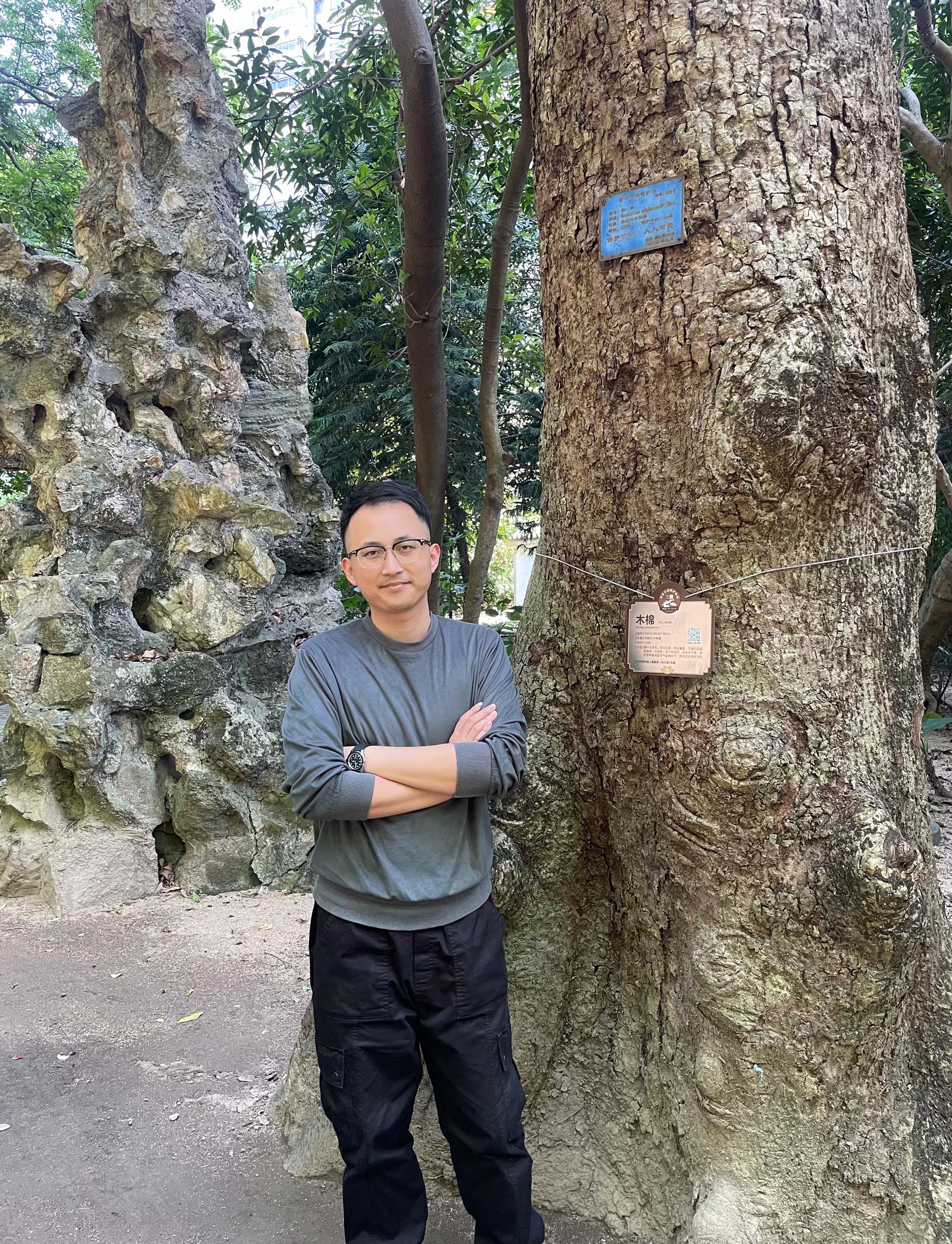
Their placement continues to reveal traces of the past. Clusters of old trees hint at former gathering spaces, while the presence of non-native species reflects centuries of trade and exchange.
“In my experience conducting historical research in towns and villages, the distribution and age of old trees allow me to roughly infer the spatial layout of a particular village over the past one or two centuries,” Professor Lo, who is also a vice-president at the Macao Heritage Ambassadors Association, said.
“In traditional rural settings the shade provided by trees was utilised effectively, with people gathering beneath them to cool off, thereby creating public spaces. Within Chinese villages, for instance, the old banyan trees often formed gathering spots for people to chat and exchange information,” the scholar added.
“Trees have distinct growth cycles and maximum lifespans and trees planted in different periods reflect different historical eras. During the Qing Dynasty, when trade between Macao and Southeast Asia flourished, species were imported from Southeast Asia and were planted in Macao and the surrounding areas. The Portuguese authorities in Macao began importing various tree species from overseas,” the researcher explained. “Now the most common tree in Macao, the ‘Ficus rumphii’, likely originated from Southeast Asia and became an important landscape element for decorating city streets.”
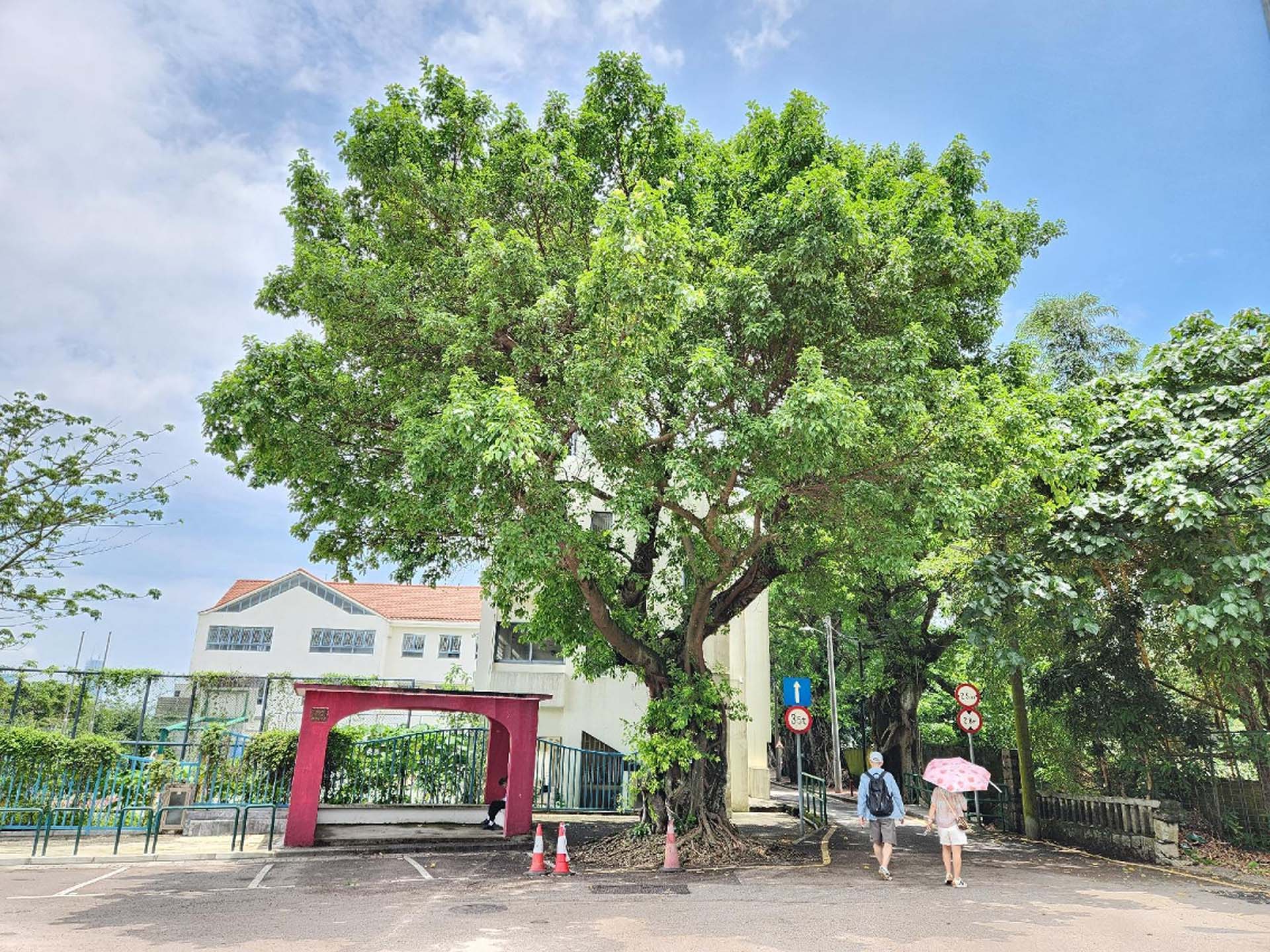
Amid Macao’s ever-changing skyline, these ancient trees offer a rare sense of continuity. Rooted in place yet evolving with their surroundings, they stand as quiet custodians of both nature and history.
“The ecological and cultural significance of ancient trees is invaluable to a city. The preservation of ancient trees in a city like Macao, with rapid urban development, helps ameliorate the negative environmental impacts,” Professor Zhang affirmed. “Culturally, ancient trees are living monuments that showcase the local history and symbolise the cultural identity within an evolving landscape”, he stated.
The scholar cautioned however that as rapid urban development will in likelihood “affect the growing environment” of ancient trees, “a regular tree monitoring and care programme must be in place,” a step, he said, was “often ignored”.
“Raising public awareness about the irreplaceability of ancient trees is crucial for supporting their conservation during urban development,” he concluded.
TREES TELL STORIES OF THE PAST
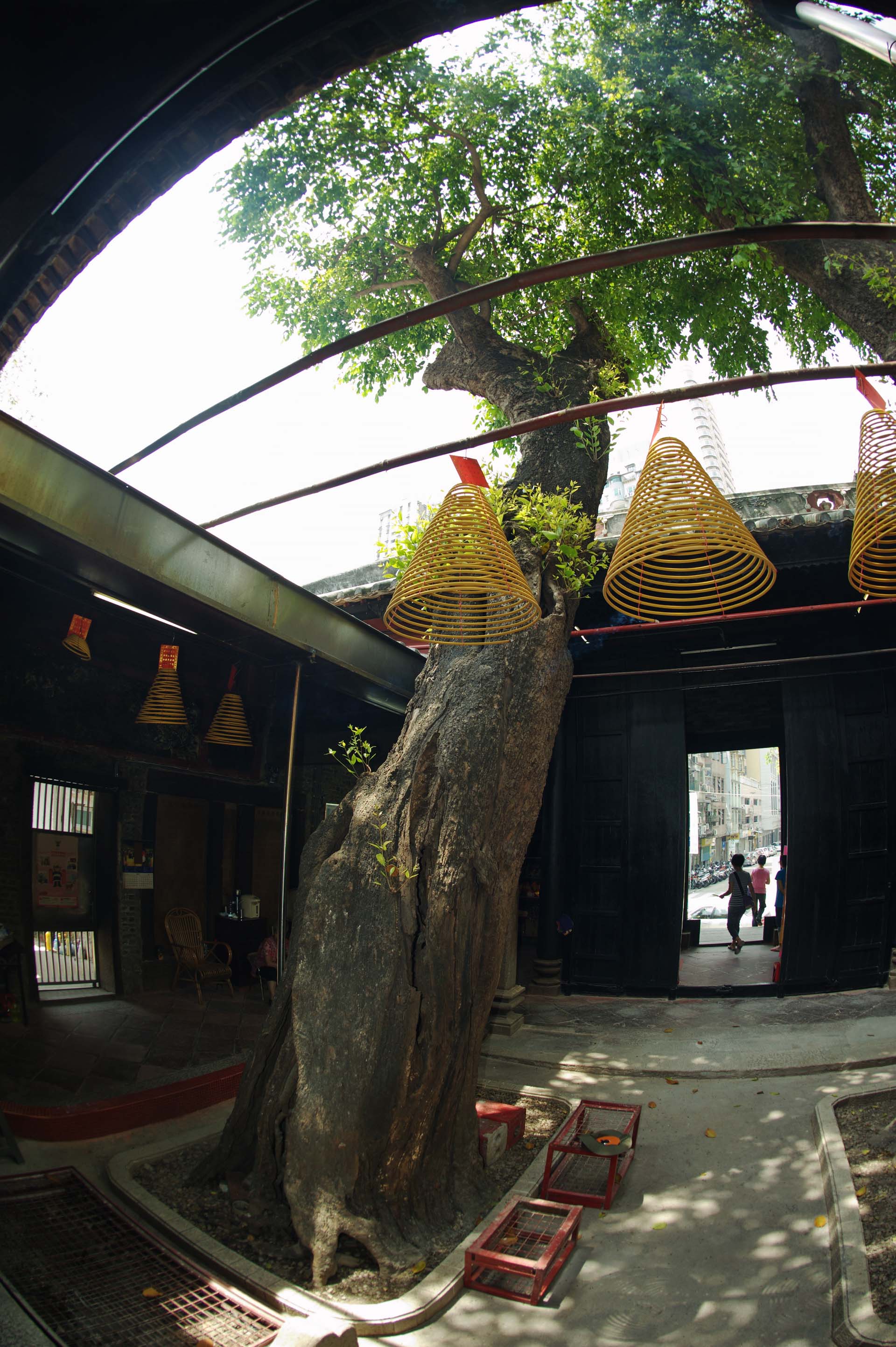
Five hundred years standing
Hidden within the courtyard of Kun Iam Temple stands a towering tree that has watched over the site for more than 500 years, silently bearing witness to the transformation of its surroundings. It is believed to be the oldest tree in all of Macao.
Its presence predates not only the current temple structures, built around 1821, but possibly even the earliest shrine established on the site.
The tree belongs to the species “Syzygium cumini”, commonly known in English as Jambolan plum tree or Java plum tree. It is a tropical evergreen tree native to the Indian subcontinent and Southeast Asia, widely recognised for its small, astringent, purple-black edible fruit.
The tree stands in the courtyard just behind the temple entrance; beside it stands another Java plum tree, some two decades its junior. It is believed that, when the temple was constructed, the builders deliberately preserved them, designing the buildings around their trunks so that architecture and nature could coexist. This decision reflects the traditional Chinese philosophy of harmony between humanity and the natural world.
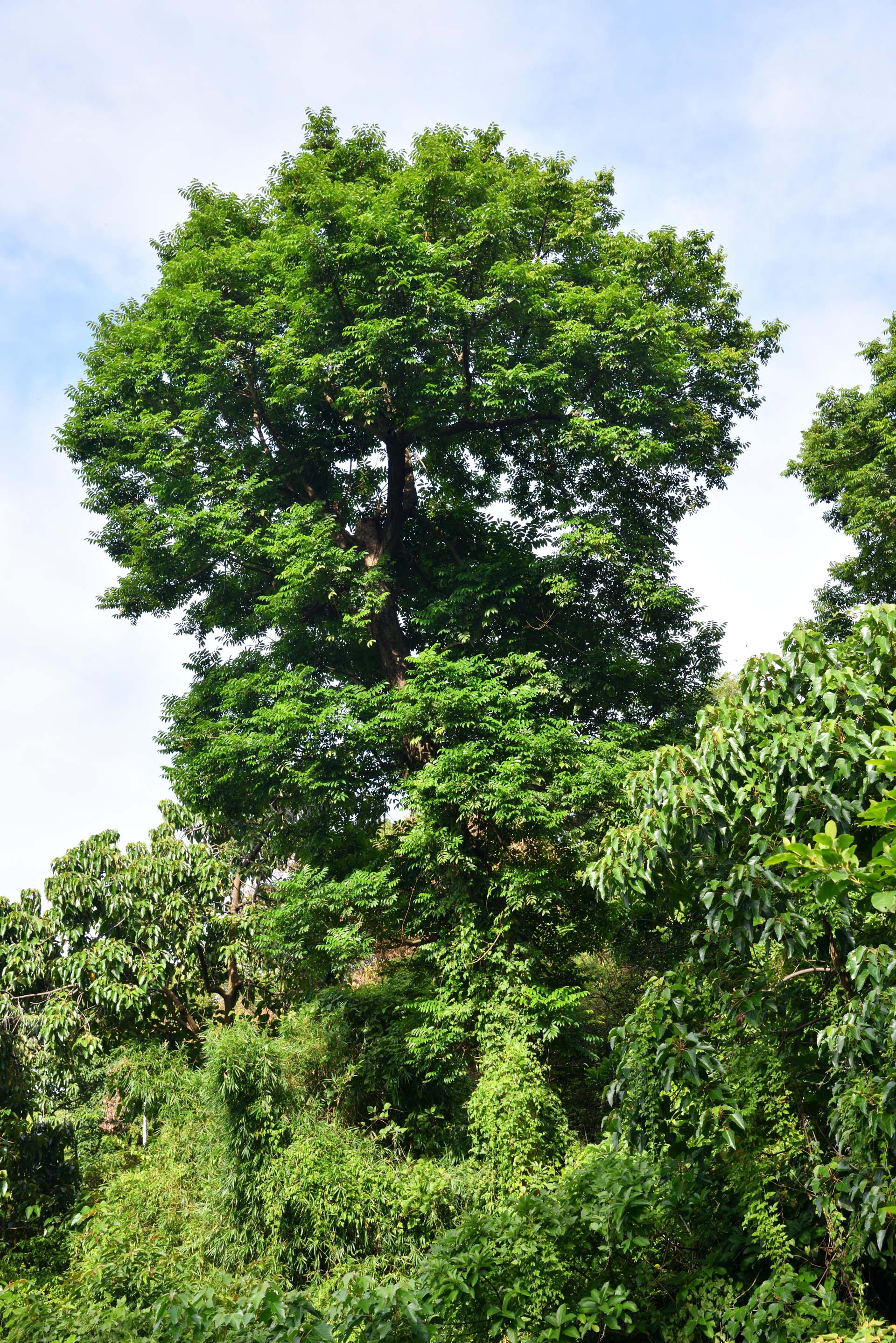
The last ancient olive tree
The species “Canarium album”, commonly known as the Chinese white olive, is a fast-growing evergreen native to East Asia, valued for its edible, nutrient-rich fruit, which is widely used in cooking and traditional medicine.
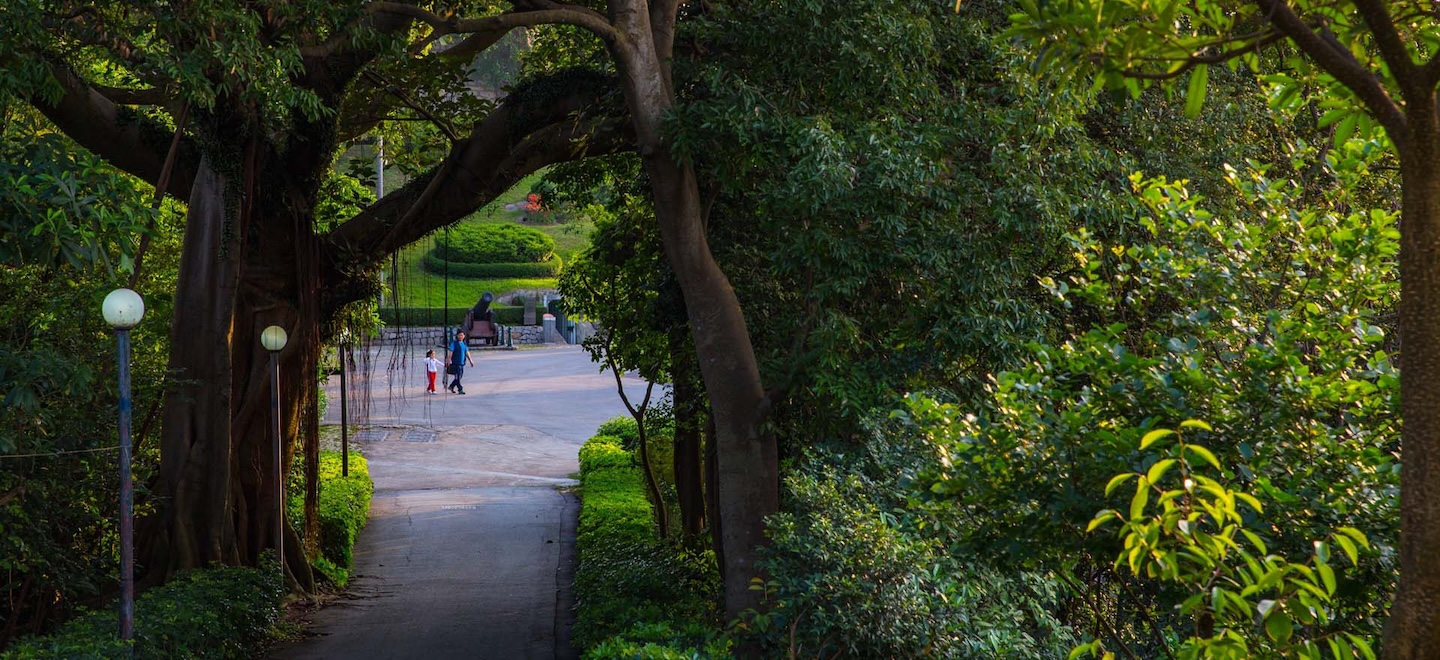
Ancient specimens are rare in Macao. Only one tree in the territory is known to be more than a century in age, standing in Guia Hill Municipal Park. Rising to approximately 18.5 metres, the tree is lush and verdant, its broad canopy spreading like a parasol when viewed from a distance.
In ancient China, the white olive carried rich symbolic meaning. Its distinctive flavour – bitter at first, then sweet – made it a powerful metaphor for honest counsel or effective medicine: initially unpalatable, yet ultimately beneficial. The association earned it the nickname “remonstrance fruit”, and it became a recurring subject in classical poetry. Song dynasty (960-1279) scholars including Su Shi, Ouyang Xiu, Huang Tingjian and Mei Yaochen are renowned for having composed verses inspired by it.
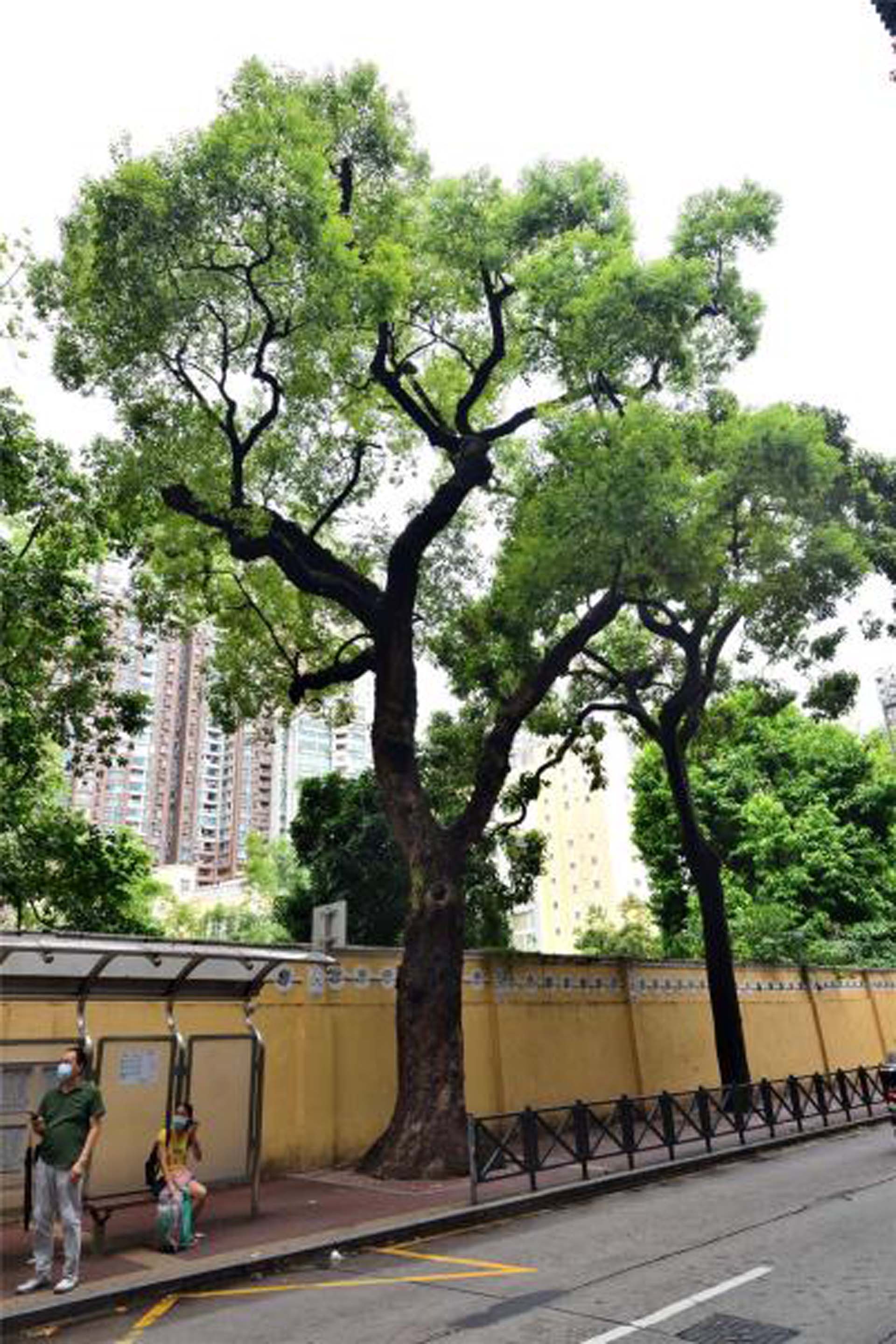
A presence from another era
Near Lou Lim Ieoc Garden, along Avenida de Conselheiro Ferreira de Almeida, a row of large trees stands with trunks nearly a metre in diameter, rising from the middle of the pavement. One of the camphor trees (“Cinnamomum camphora”) here is estimated to be around 230 years old.
In recent years, the Macao authorities have redesigned this stretch of pavement to improve pedestrian movement while protecting the trees’ growth. The walkway beside the trees was widened, creating safer and more comfortable conditions for pedestrians without disturbing the roots.
These trees are living reminders of a much earlier landscape, from a time when Avenida de Conselheiro Ferreira de Almeida did not yet exist. Old maps show that the area where the old camphor tree now stands was once Long Tin Village, surrounded by fields and ponds. It is believed that a road once passed beside this tree, linking the small village to the old city of Macao.
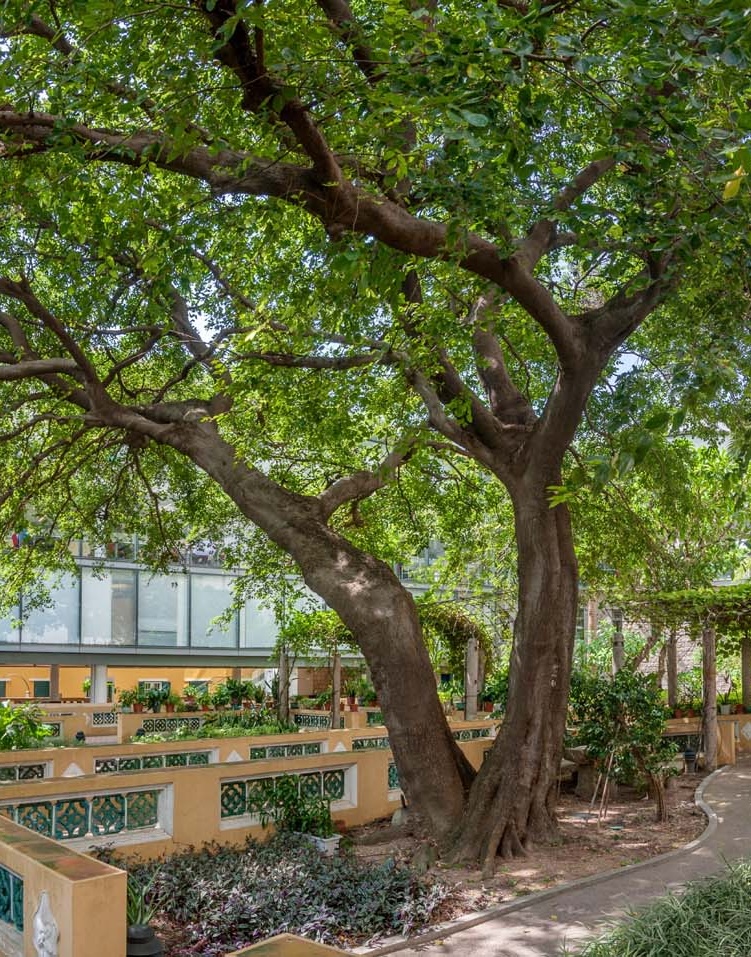
The library’s oldest resident
In the rear garden of the Sir Robert Ho Tung Library stands a hackberry tree (“Celtis sinensis”) with a canopy spanning more than six metres. The large tree is estimated to be around 170 years old.
The building that now houses the library was originally constructed before 1894. The property changed hands several times before being purchased by Sir Robert Ho Tung in 1918. After his death in 1956, his descendants fulfilled his wishes by bequeathing the premises for the establishment of a public library – it officially opened to the public in 1958.
By around 2002, the original library building faced a shortage of space and plans for expansion began. During site inspections, it was concluded that both the front and rear gardens were integral to the distinctive character of the library and should be preserved as much as possible. The final design was adapted to ensure that the hackberry tree would continue to thrive, and the new extension opened in 2006.
Roots of continuity
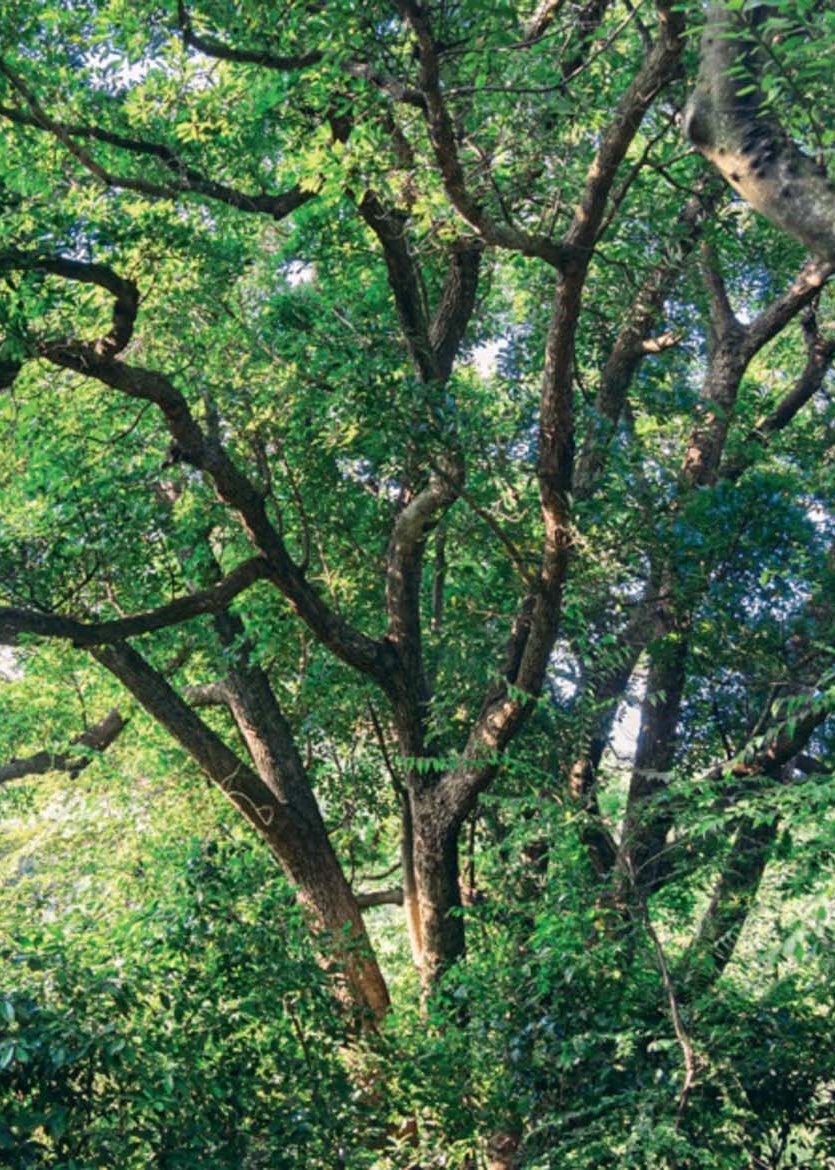
Along the Hac Sá Reservoir Fitness Trail, a Hong Kong machilu (“Machilus chinensis”) stands tall and resilient, its dense canopy a deep sea of green. The tree has a trunk diameter at breast height of 1.5 metres and is estimated to be more than 210 years old.
It is one of the few ancient trees to have survived the wildfires and pest infestations that devastated Coloane’s forests in the 1960s and 1970s, when large areas of woodland were destroyed and very few old trees remained.
In 1999, at the time of Macao’s return to the motherland, the first Chief Executive of the Macao Special Administrative Region, Ho Hau Wah, planted another Machilus chinensis on Small Taipa Hill. Since then, each newly inaugurated Chief Executive has continued the tradition by planting the same species at the same place. The current Chief Executive, Sam Hou Fai, did so in March last year.
Roots of continuity
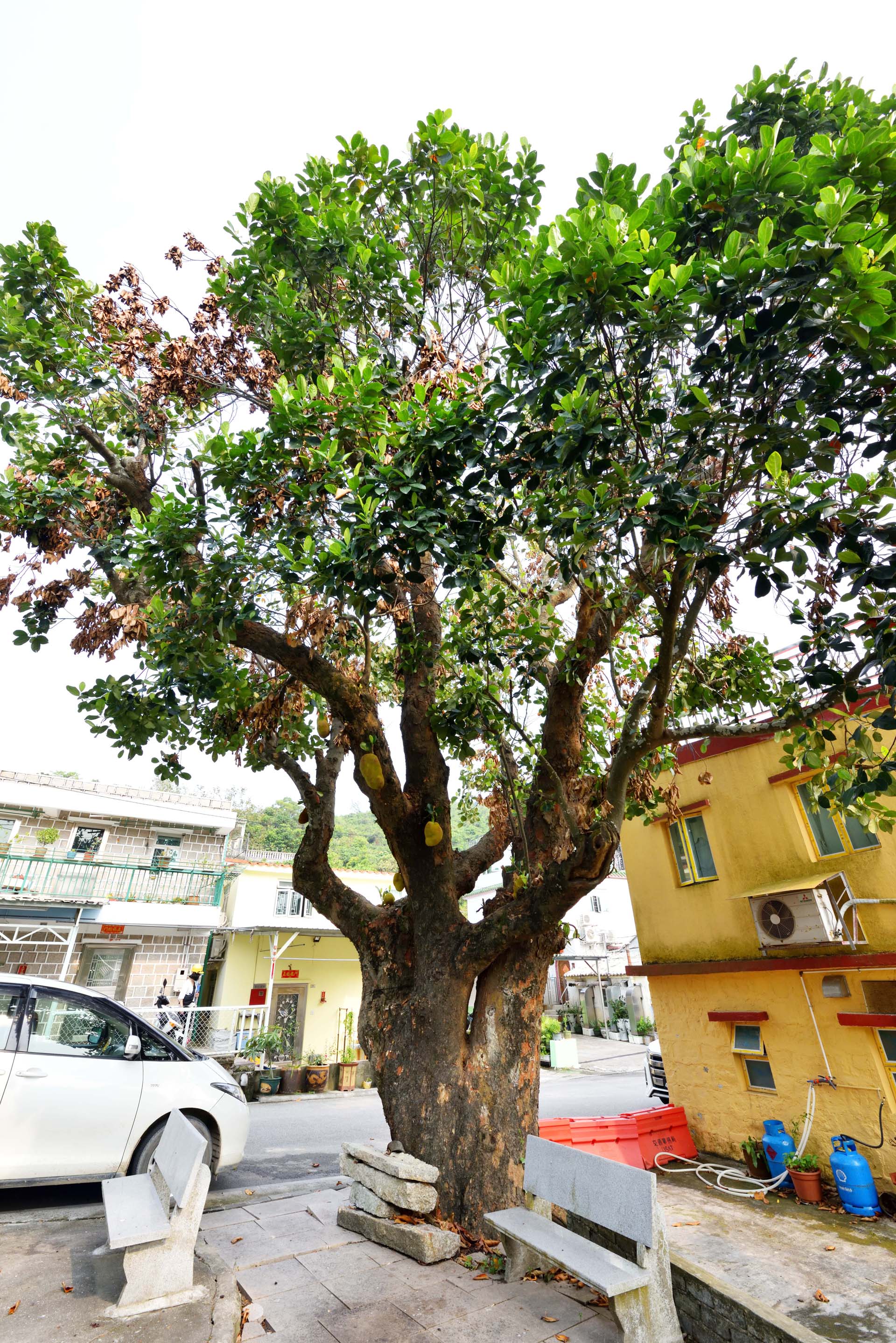
Along the Hac Sá Reservoir Fitness Trail, a Hong Kong machilu (“Machilus chinensis”) stands tall and resilient, its dense canopy a deep sea of green. The tree has a trunk diameter at breast height of 1.5 metres and is estimated to be more than 210 years old.
It is one of the few ancient trees to have survived the wildfires and pest infestations that devastated Coloane’s forests in the 1960s and 1970s, when large areas of woodland were destroyed and very few old trees remained.
In 1999, at the time of Macao’s return to the motherland, the first Chief Executive of the Macao Special Administrative Region, Ho Hau Wah, planted another Machilus chinensis on Small Taipa Hill. Since then, each newly inaugurated Chief Executive has continued the tradition by planting the same species at the same place. The current Chief Executive, Sam Hou Fai, did so in March last year.
From convent to garden
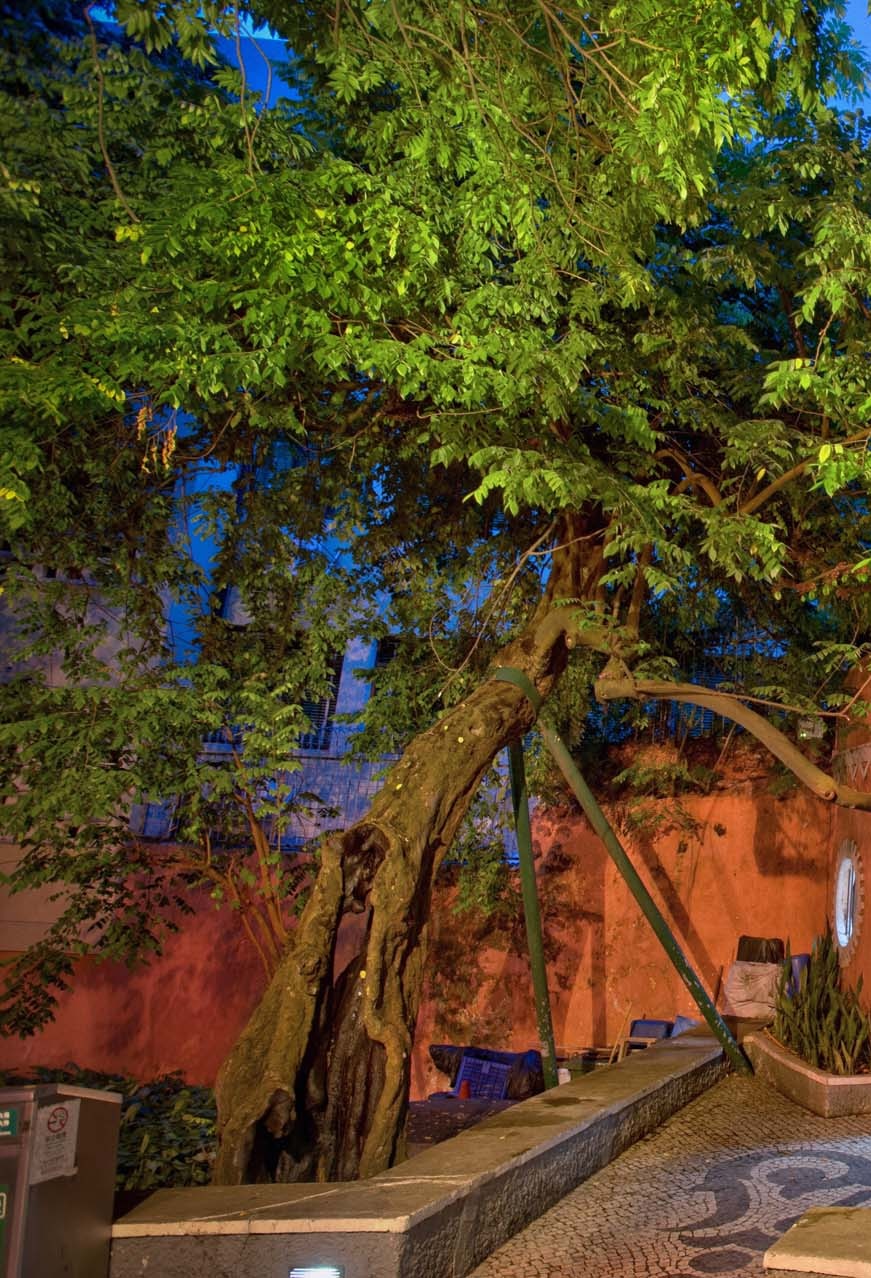
The St. Francis Convent was established in Macao in 1580 by Spanish Franciscan friars and later came under the care of Portuguese Franciscans. In 1834, the local authorities assumed control, eventually demolishing the convent between 1862 and 1864, to make way for a military barracks. Part of the former convent grounds were transformed into Macao’s first public garden, designed in a distinctive Southern European style. In 1935, the opening of Rua Nova à Guia reduced the garden’s size, but its character remained.
Amid all these changes, a star fruit tree (“Averrhoa carambola”) has stood on the site – today’s St. Francis Garden – for more than 260 years. This small evergreen tree is a living witness to a time when the sea still lapped close to the garden. That proximity ended in the 1920s, when land reclamation pushed the shoreline further away, leaving the tree to endure the city’s transformation.
Life amid the gravestones
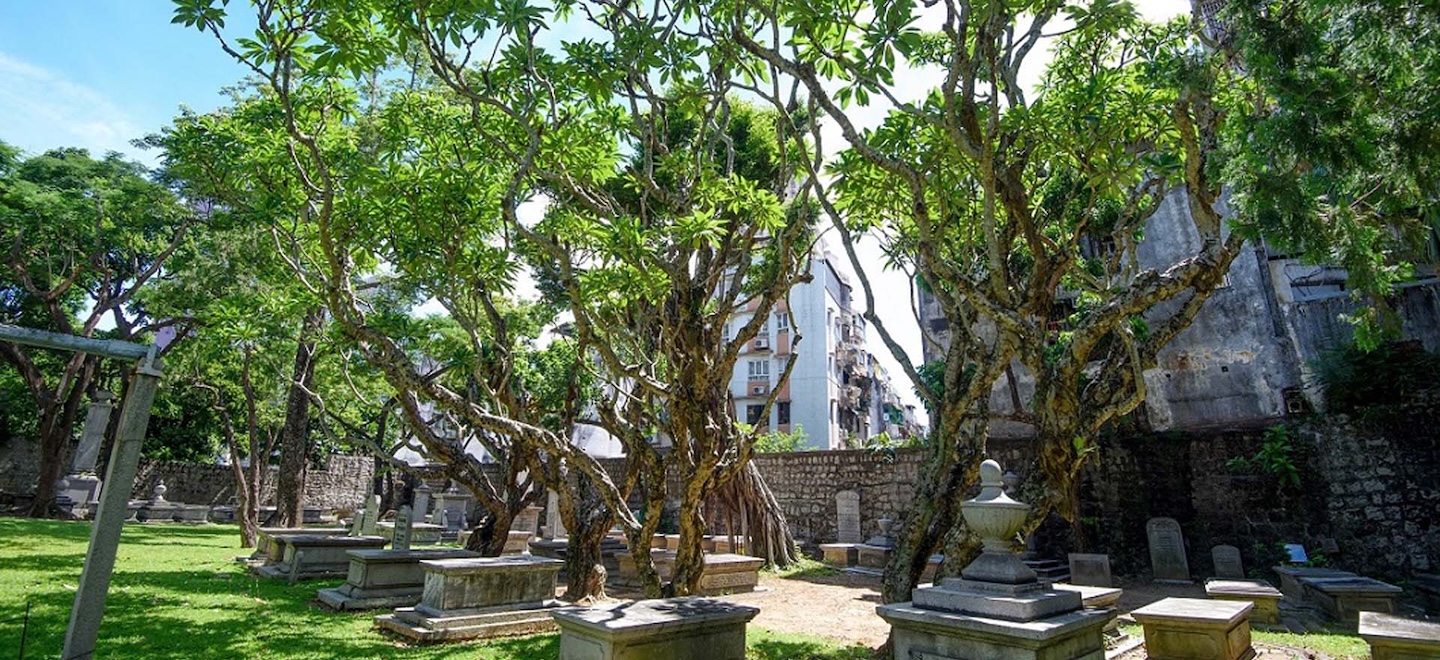
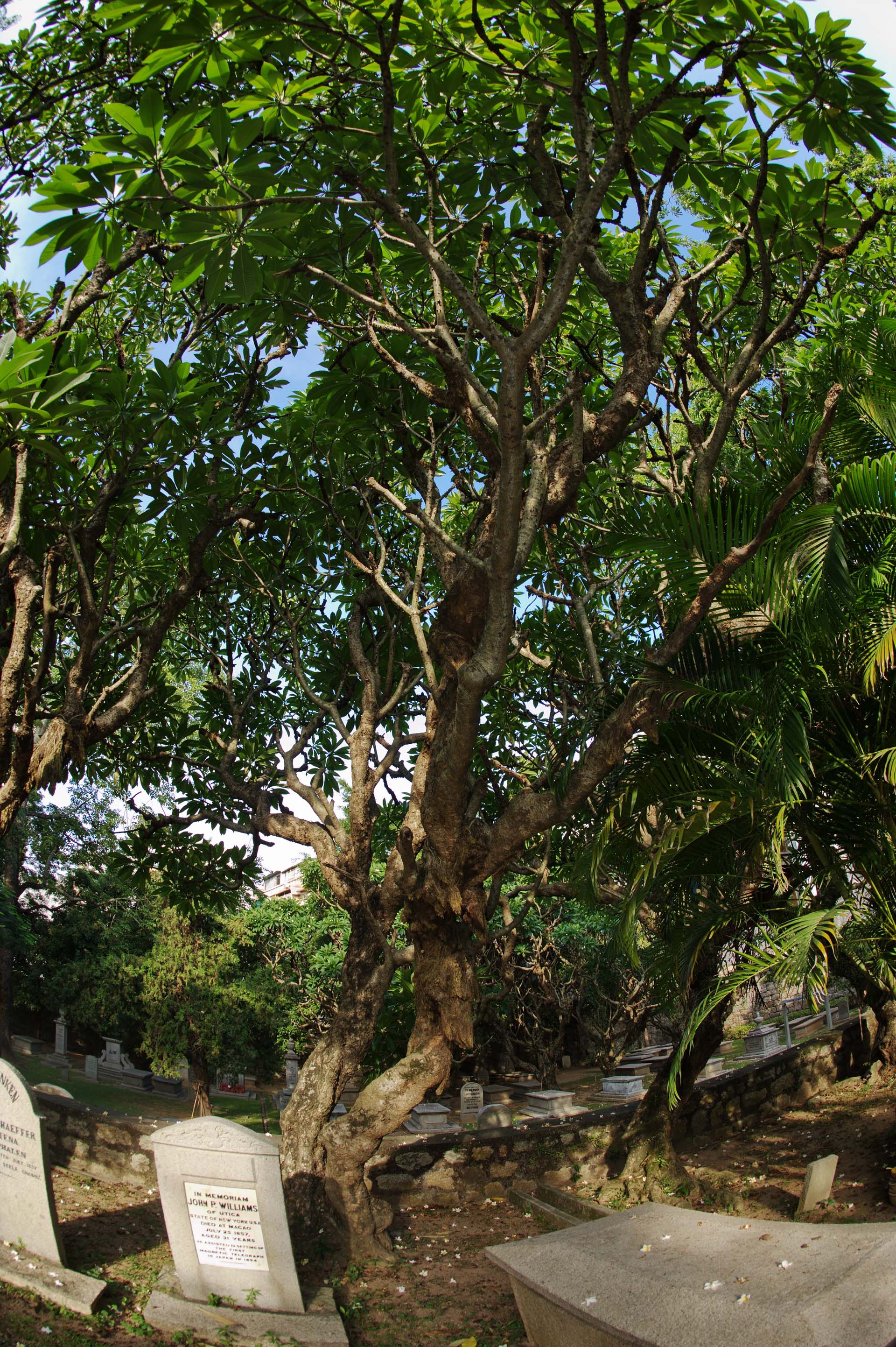
Frangipani (“Plumeria rubra cv. Acutifolia”) is a flower of summer, yet its branches are stark and gnarled – particularly those of the white-flowered frangipani trees in the Protestant Cemetery next to Camões Garden.
The cemetery was established under the guidance of Reverend Robert Morrison (1782–1834), who arrived in Macao in 1807 as Chinese interpreter for the British East India Company. With an increasing Protestant population in Macao, it became urgent to find a suitable burial site. In 1821, following the death of his wife, Rev. Morrison requested that the British East India Company acquire a plot of land for the interment of its staff and other deceased Protestants in Macao. The cemetery remained in use until 1857. Its layout has survived intact ever since.
The frangipani trees may have been added to the cemetery more than 160 years ago, intended to adorn the burial grounds. Today, their vigour serves as a reminder that life and death are intertwined, two sides of the same coin.