How was the General Union of Neighbourhood Associations of Macau (UGAMM or “Kai Fong”) established?
UGAMM was established in 1983. Why 1983? This was linked to preparations for Macao’s return to the motherland. [Editor’s Note: China and the United Kingdom had formally begun negotiations regarding the handover of Hong Kong in 1982, and Macao was expected to follow suit.] At the time, we saw the need to bring together the strength of various neighbourhood associations across different districts that were already providing services to residents. These organisations were created to offer support and convenience to people living in their respective neighbourhoods, functioning as groups of mutual aid. We wanted to contribute to the process of Macao’s return to the motherland. As a result, we pooled our resources and formally established UGAMM [bringing together an initial group of 24 neighbourhood associations].
What are the key services currently provided by UGAMM? Have there been changes before and after the establishment of the Macao Special Administrative Region (MSAR)?
The scope of our services has broadly remained the same since our establishment: we have always worked at neighbourhood level. However, after UGAMM was formed, the consolidation of resources from affiliated associations gradually allowed us to provide more professional support.
Before the handover, our resources were limited, and our work focused mainly on social services and mutual aid, albeit under constraints. Afterwards, with increased resources allocated by the MSAR Government, we evolved from a mutual aid-based organisation into one providing more professionalised services.
UGAMM is like a large member of the family community – we live in the same neighbourhoods as the residents we serve. Our services are open to everyone, and we aim to support different groups through our platform.
Our work covers a wide range of activities. Today, our services cater to people from birth to over 100 years old. We offer childcare services, as well as programmes for young people, families, the wider community and the elderly.
For example, during Chinese New Year, we organise visits to elderly people living alone, bringing warmth to them during the festive season. These initiatives often attract participation from businesses, young people and students.
We have also launched promotional schemes in several districts. Over the past two years, we have organised charity markets in different areas, supported by major leisure and entertainment operators. These markets help connect large enterprises with local small and medium-sized businesses and contribute to the community economy.
For older residents, our services have become increasingly diverse. These include day care centres, initiatives for elderly people living alone, and the “Peng On Tung” tele-assistance programme, which provides round-the-clock support to elderly residents living on their own.
Support for the elderly appears to be a major focus of UGAMM’s work.
As Macao’s ageing population has become a more pressing issue in recent years, we have increased our investment in elderly services, including the use of artificial intelligence. Recently, we launched a mobile application called “Happy Elderly Home”, designed specifically for elderly people living alone. The app monitors daily step counts and detects abnormal movement patterns that may indicate an incident. If an alert is triggered, our staff will contact the individual to provide assistance.
Technology-led initiatives such as this allow us to deliver better support for elderly residents, and we intend to continue developing services in this direction.
Another key service is the “Peng On Tung” tele-assistance programme. Around 2009, Macao’s Social Welfare Bureau announced plans to establish the service through a public tender. At the time, this type of hotline was new to Macao. Although we already provided extensive elderly support, we lacked experience in operating such a system, so we invited consultants from neighbouring regions to assist with training.
We eventually won the tender, and for more than a decade we have delivered the service to a professional standard. It has received positive feedback from the community. Elderly residents, in particular, widely recognise its value: when they encounter difficulties at home or outdoors, they can immediately contact staff to receive emergency assistance.
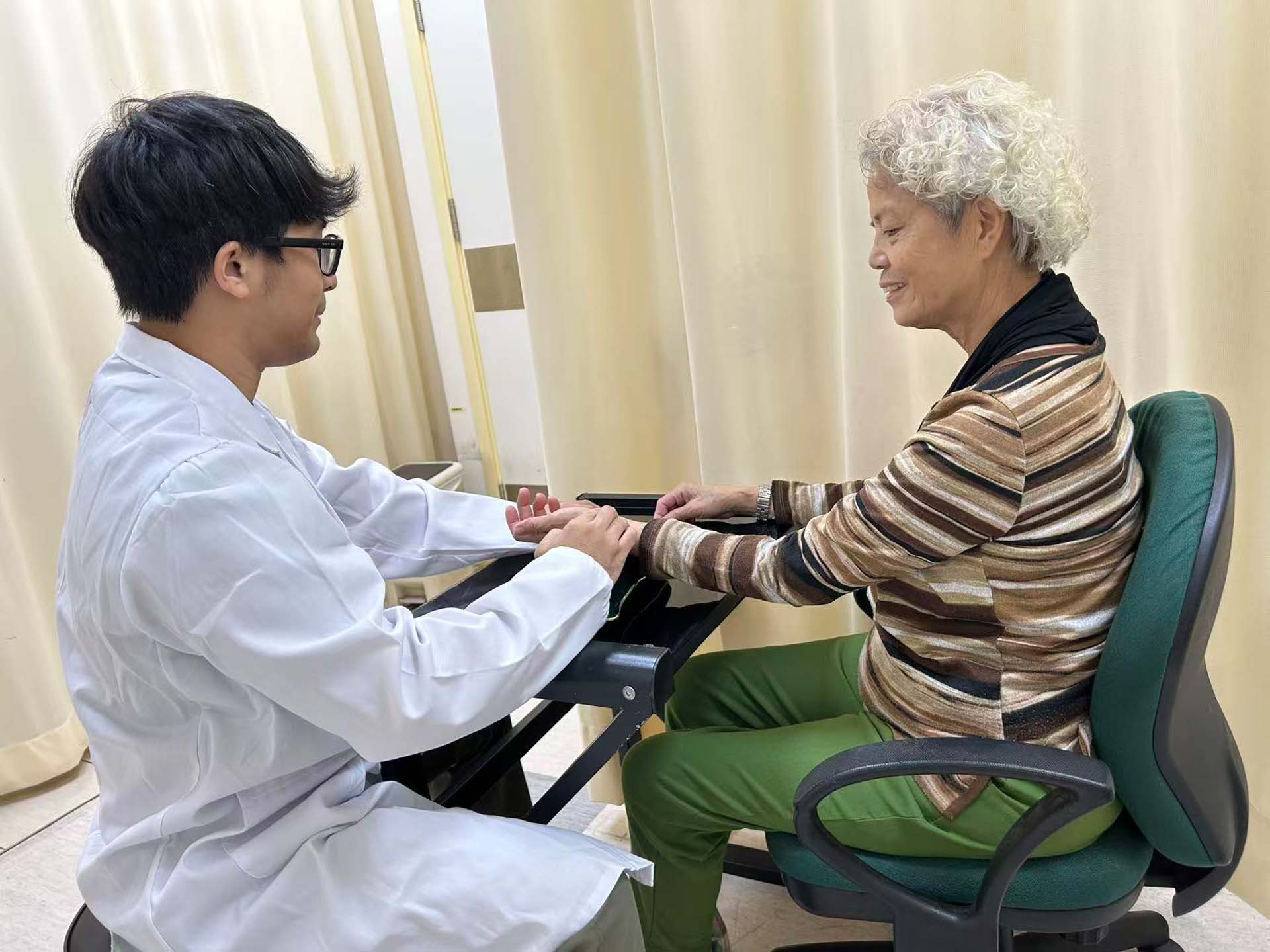
In recent years, diversifying support for young people beyond UGAMM-run nurseries and schools has been a priority.
Youth services are a major focus for us. We have professionals providing counselling services in schools, with a team of more than 60 specialists assigned to different institutions to offer individual counselling and group support. This service has been in place for around two decades and is well recognised by schools and the wider community.
We also provide various forms of support to young people through the close community networks of our affiliated neighbourhood associations. When younger generations face challenges, our staff are often able to step in and offer timely assistance.
Families are another key focus. We have long provided services for families, and we also work closely with nurseries, parent associations and other groups to support those in need. In addition, we run dedicated schemes for single-parent families to help them cope with everyday pressures.
UGAMM also participates in the local political sphere. What are the organisation’s main areas of focus in this regard?
Members of the Legislative Assembly associated with UGAMM tend to raise issues closely related to people’s livelihoods. When our staff, colleagues or board members encounter problems in their daily lives, or when residents approach us with concerns, these issues are conveyed by UGAMM-affiliated legislators during assembly sessions.
One practical example involved elderly residents telling us that the crossing times at certain traffic lights were too short for them to cross the road safely. Our team conducted on-site investigations to assess the situation. Another recurring issue concerns water leakage in older buildings, which requires updates to the regulatory framework. These are the kinds of everyday concerns that our legislators raise in the Legislative Assembly after receiving and investigating feedback at neighbourhood level.
UGAMM has long been a close partner of the MSAR Government, supporting its work on livelihood-related issues. Neighbourhood associations across different districts are often involved in government initiatives related to the environment, public hygiene and community development. We hope to continue this role, and that the issues raised by our legislators can help advance development at community level.
UGAMM is also involved in business incubation programmes with large leisure and entertainment enterprises.
We do work with some leisure and entertainment companies on these programmes. In recent years, we have established a cultural incubation centre for local youth, with funding from a local leisure and entertainment enterprise. Young people from families facing difficulties, as well as talented students, can receive arts education there at affordable prices.
We offer courses in dance, piano, singing, painting and other art forms, with the aim of promoting artistic development. The programme has achieved encouraging results, with some students winning awards in public competitions.
How many offices and service points does UGAMM currently operate?
We have four offices across different districts in Macao to support our services. In total, we have 28 affiliated neighbourhood associations located throughout the city, as well as 34 service centres offering support ranging from childcare to elderly care.
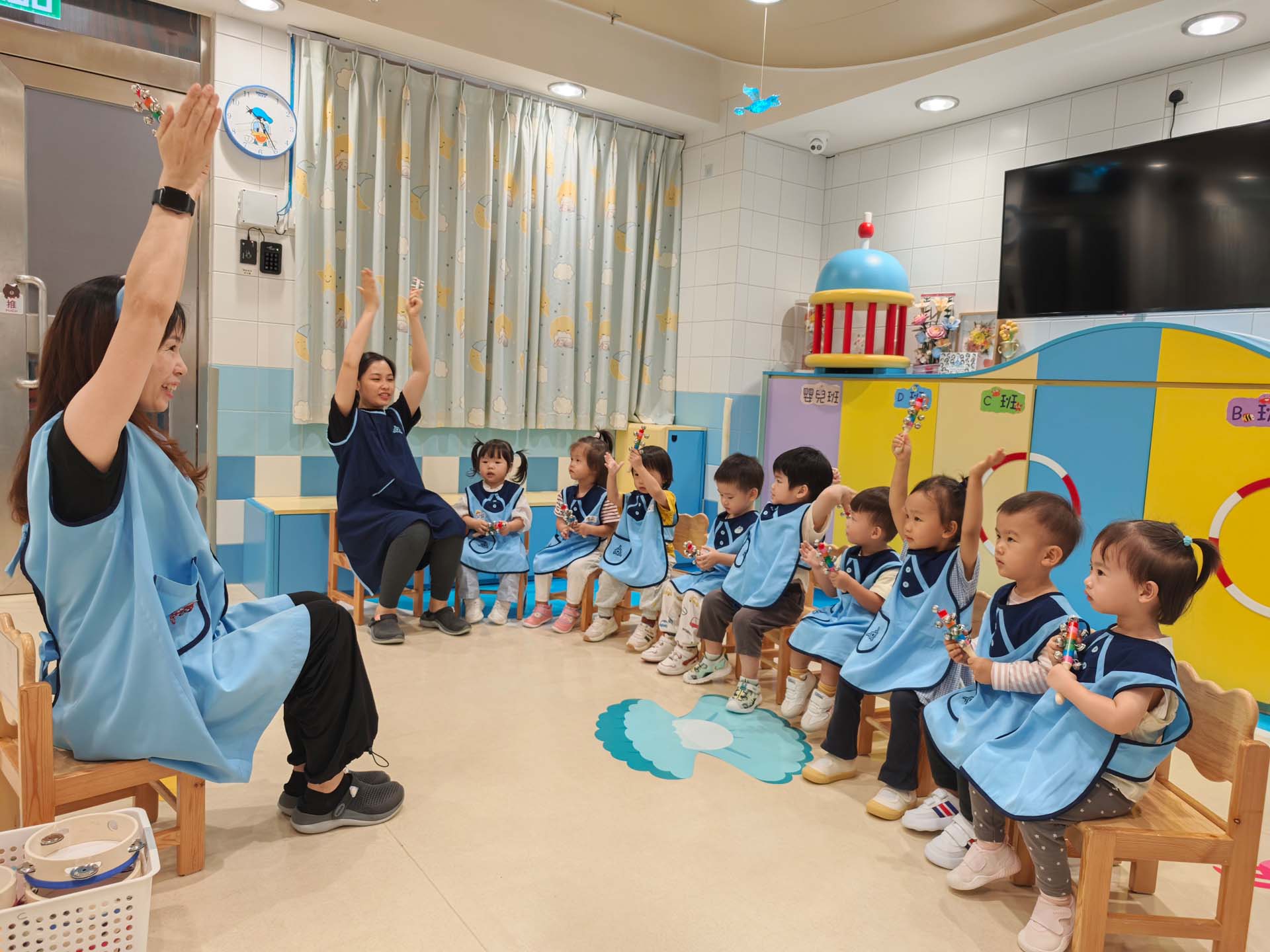
As there is growing focus on the development of the Guangdong-Hong Kong-Macao Greater Bay Area, what plans does UGAMM have to extend its coverage beyond Macao?
In recent years, we have extended our service network to other parts of the Greater Bay Area beyond Macao. We now operate service points on Hengqin Island, in Gongbei in Zhuhai, and in Zhongshan.
Initially, our services were aimed at Macao identity card holders living elsewhere in the Greater Bay Area. However, Hengqin is now a region jointly developed by Macao and the country, and our services there have expanded to cover all residents, regardless of whether they hold Macao ID cards. In Hengqin, as in Macao, we provide support for people from infancy to old age.
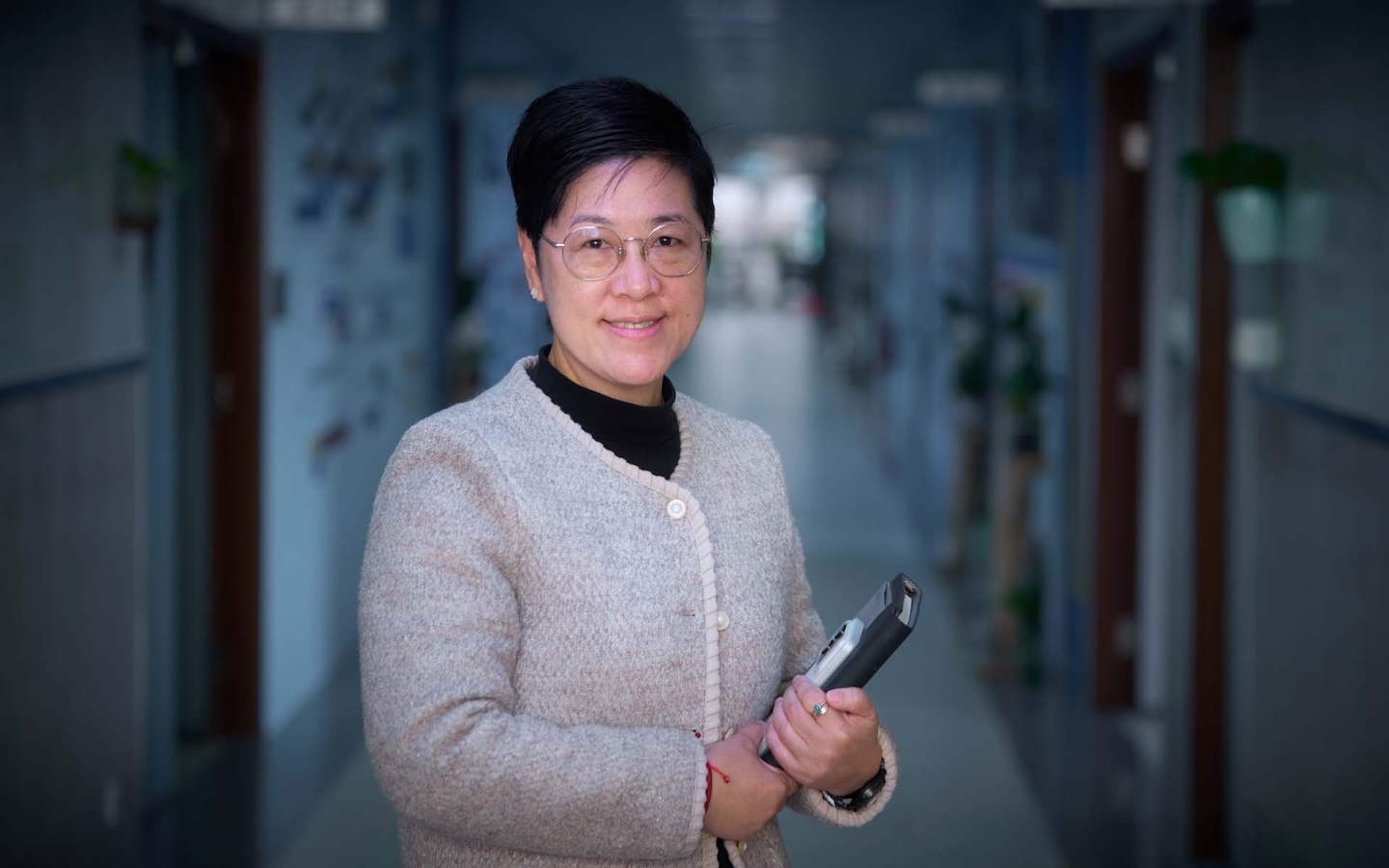
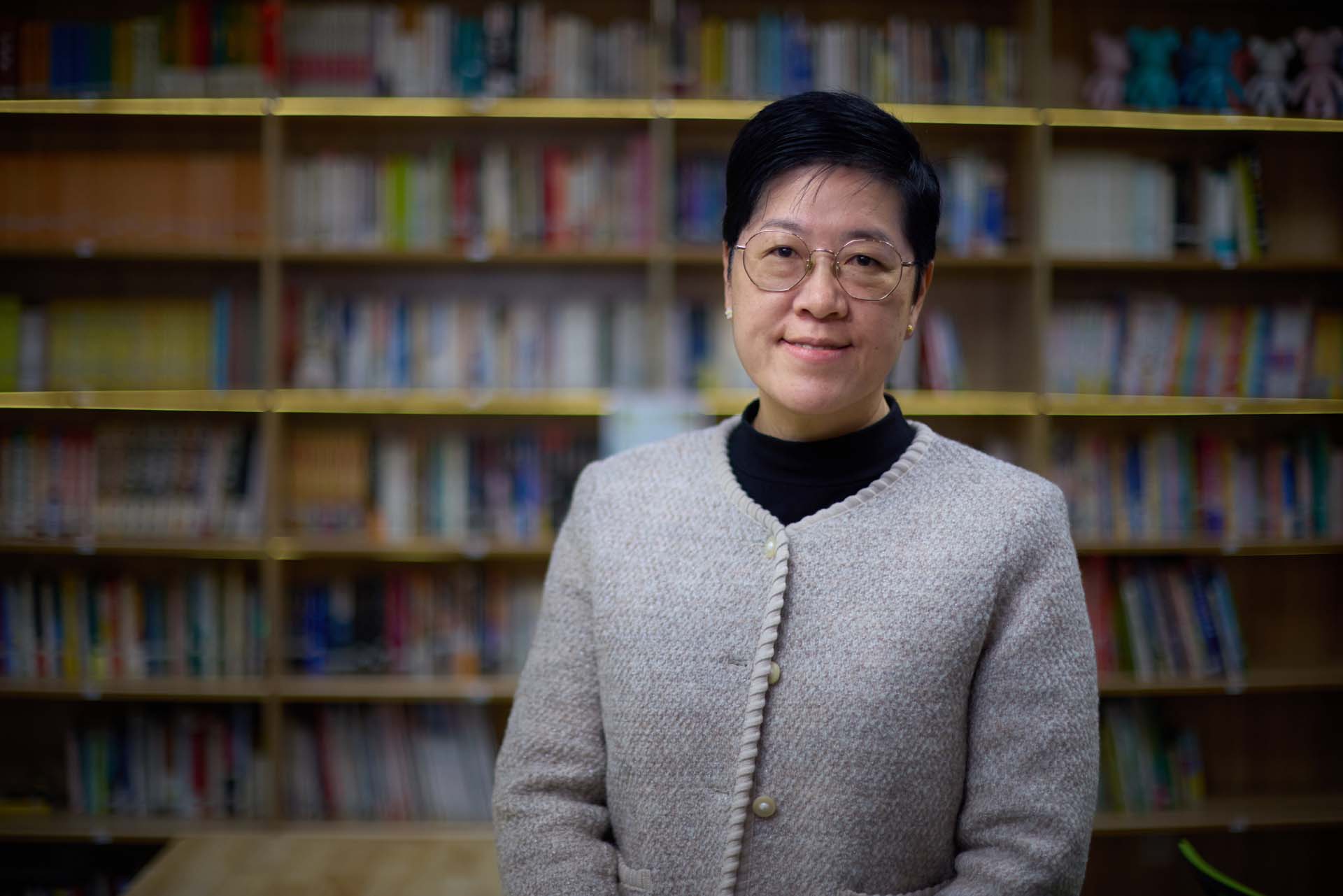
| THE FACE OF MACAO’S CIVIC COMMUNITY At the heart of Macao’s civic community for more than a decade, Ng Siu Lai has been a familiar presence as a senior figure with the General Union of Neighbourhood Associations of Macau (UGAMM). With her fingers squarely on the pulse of the Macao community, she rose to become the chairwoman of UGAMM in 2021. Her influence extends beyond the local sphere too. She currently serves as a Macao deputy to the National People’s Congress, having previously been a delegate to the Chinese People’s Political Consultative Conference. Her national-level roles mirror UGAMM’s prominence within Macao’s political landscape. The organisation maintains close links with the city’s legislature, with three current members of the Legislative Assembly – Leong Hong Sai, Ngan Iek Hang and Ho Ion Sang – associated with the group. UGAMM also plays an active role in government-led initiatives. In addition, the group’s leadership is frequently consulted on policymaking priorities for the Macao Special Administrative Region (MSAR). Just two months after assuming office on December 20, 2024, Chief Executive Sam Hou Fai met with UGAMM representatives to exchange views on his political agenda. At the meeting, Ms Ng underscored the organisation’s intention to “remain committed to its role as a bridge for liaison and communication between the government and the public”, according to a release from the Government Information Bureau. |