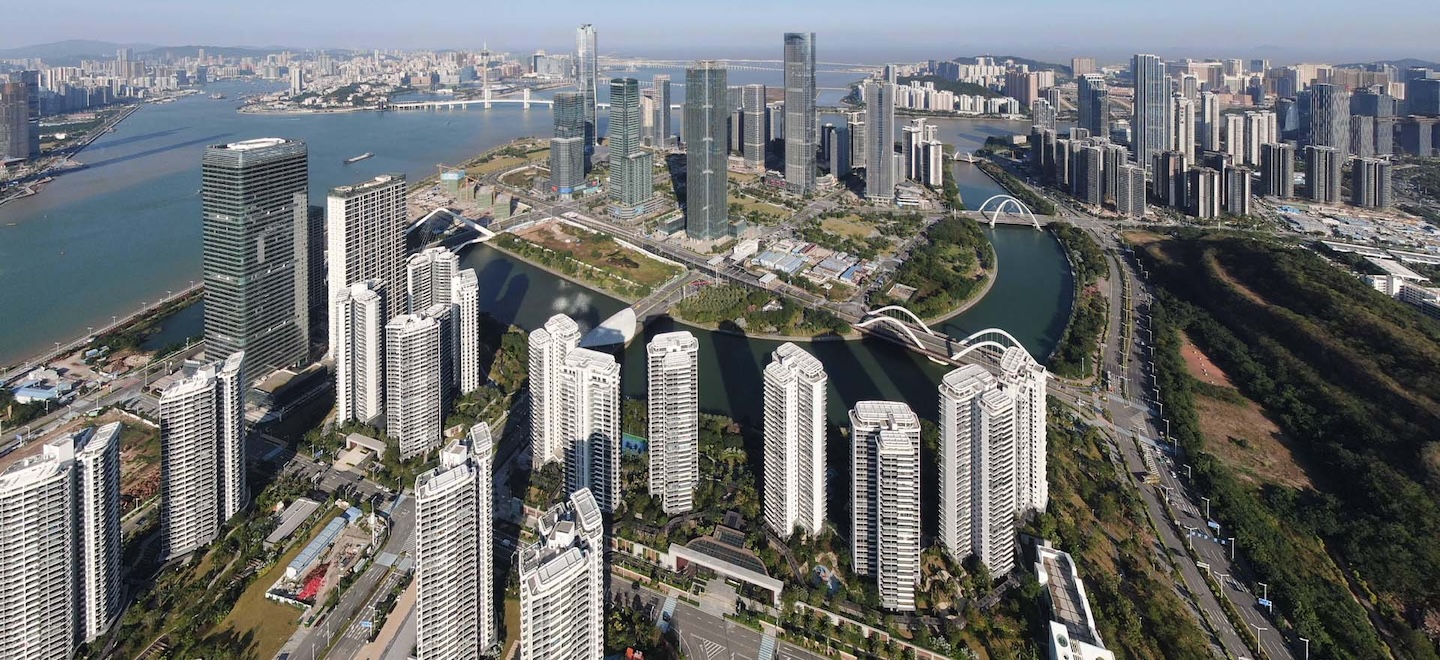
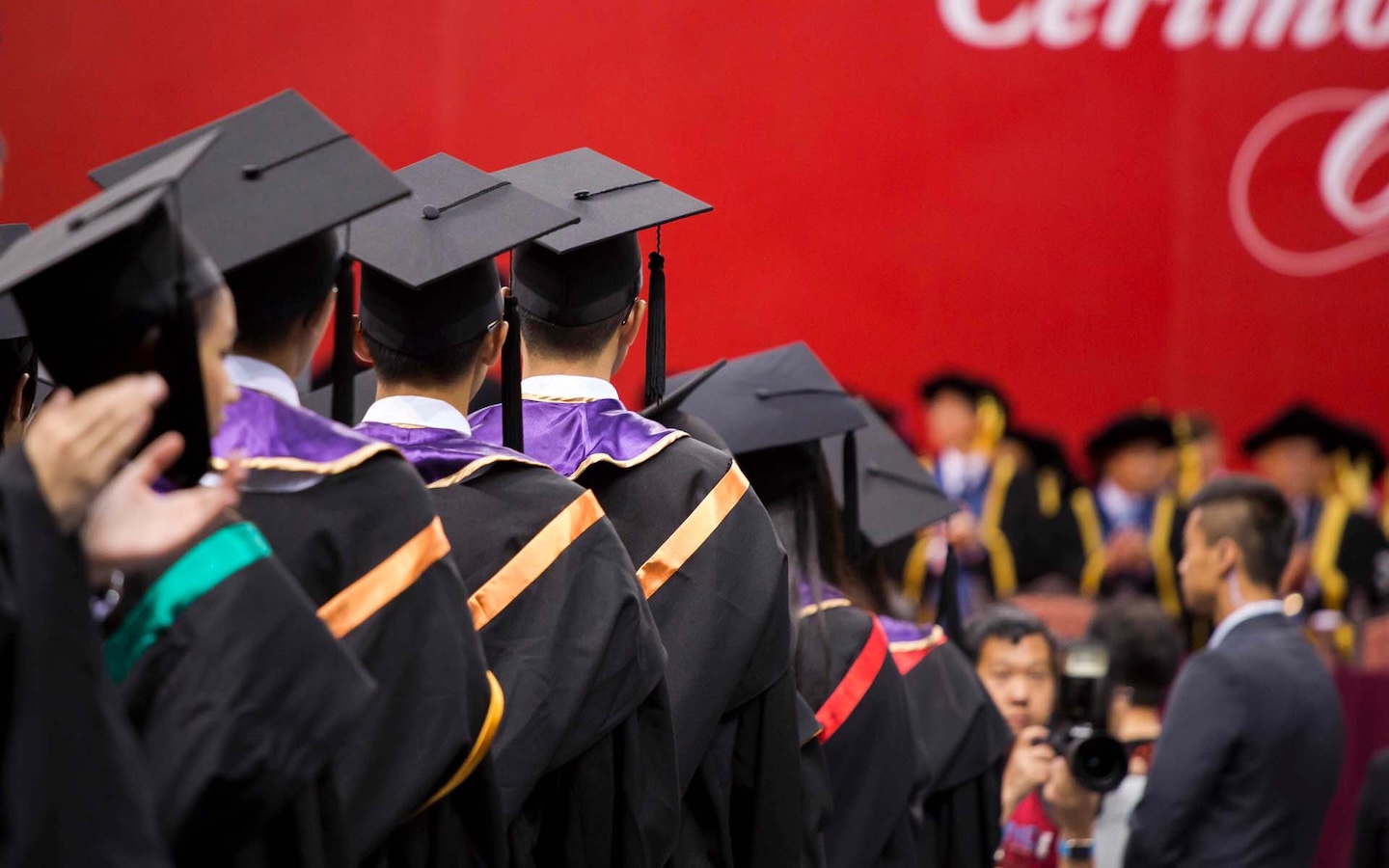
Against the anticipated backdrop of the 15th Five-Year Plan’s push for deeper cooperation between Hong Kong, Macao and the Chinese mainland – and its call for young people to seize national development opportunities – Macao deputy to China’s National People’s Congress Si Ka Lon says integration into Hengqin and the Guangdong-Hong Kong-Macao Greater Bay Area has become “a natural and necessary path” for local youth. But he noted that differences in regulatory systems, information gaps and the cost of starting a business remain practical obstacles.
He said the Macao SAR’s 2026 Policy Address and the “Macao Youth Policy (2021–2030)” framework include a number of initiatives, such as internship programmes and mutual recognition of professional qualifications between Guangdong and Macao, which help broaden young people’s exposure to work on the Chinese mainland. However, he believes information channels remain inadequate.
“The policies are highly technical, and young people often struggle to understand or make full use of them,” he said. He suggests creating a cross-department, one-stop information platform that brings together policy explanations, application steps and case studies to improve accessibility.
Mr Si added that young entrepreneurs entering Hengqin still face issues relating to qualifications and certification. Some Macao-invested companies eventually shoulder additional costs to meet industry requirements, while some technology firms are classified as foreign-funded because of their shareholding structure, leaving them unable to obtain relevant Chinese mainland platform certifications. He noted that entrepreneurs also need to bear initial expenses such as management fees and social security payments, which can weigh heavily on start-ups.
In this context, the NPC deputy, who is also a member of the Legislative Assembly of the Macao Special Administrative Region (MSAR) representing the business sector, suggested that the MSAR Government increase support for local associations providing free incubation services in Hengqin. He said that expanding free workspace and support facilities would lower barriers and encourage innovation among young people.
On youth capabilities, he stressed the importance of understanding policy and national strategies. He said young people should proactively study the Greater Bay Area and Hengqin policies to strengthen their strategic awareness. As Macao is a gateway under ‘one country, two systems’, he added, its young people need foreign-language ability and familiarity with international rules so they can serve as bridges for companies looking either to expand internationally or to attract inbound investment.
Amid rapid advances in artificial intelligence and big data, Mr Si urged young people to strengthen their digital skills and obtain professional certifications to convert knowledge into career competitiveness. “Only by keeping pace with national development can young people find their place in the Greater Bay Area,” he said.