Macao has expanded its official catalogue of living traditions, adding 12 practices to its List of Intangible Cultural Heritage and bringing the total number of recognised elements to 24. The new inclusions, which span rituals, gastronomy and community celebrations, highlight the city’s layered cultural identity.
Announcing the update in October, the Cultural Affairs Bureau said the expanded list is part of ongoing efforts “to strengthen the protection of Macao’s intangible cultural heritage and ensure its effective transmission to future generations”. These are the first additions since the list was launched in 2019, when it debuted with 12 elements including Cantonese opera, the belief and customs of A-Ma, the procession of Our Lady of Fátima, and herbal tea brewing.
The decision followed a public consultation held between December 2024 and early January 2025. According to the bureau, a clear majority of participants voiced support for all 12 proposed items, affirming their cultural value and significance.
Macao’s safeguarding system operates on two tiers: the broader Inventory of Intangible Cultural Heritage and the more selective official list. Since 2014, when the current legal framework on heritage protection came into force, authorities have identified 70 elements for the inventory through fieldwork and extensive research. Those judged to have special resonance with the community are then recommended for formal listing, which offers stronger protection.
In November, Cultural Affairs Bureau president Leong Wai Man revealed that 20 further elements are being prepared for inclusion in the inventory. Among them is the much-loved pork chop bun— better known locally as ‘chu pa pao’ — one of Macao’s most recognisable snacks.
The bureau also aims to improve the promotion of intangible cultural heritage by encouraging public participation and recognising organisations involved in safeguarding traditional practices. The first group of 19 such entities was officially designated in late October.
These safeguarding bodies are required to protect the specific heritage elements linked to them, providing training to pass on knowledge and skills, and running public awareness initiatives. Organisations include the Macao University of Tourism as the safeguarding body for Macanese gastronomy and Associação dos Comerciantes de Peixe Fresco de Macau (Macao Fresh Fish Merchant Association) for protecting the traditional Festival of the Drunken Dragon.
On Macao’s List of Intangible Cultural Heritage since 2019…
- Cantonese opera
- Cantonese Naamyam (narrative songs)
- Taoist ritual music
- Patuá theatre
- Belief and customs of A-Ma
- Belief and customs of Na Tcha
- Festival of the Drunken Dragon
- Procession of the Passion of Our Lord
- Procession of Our Lady of Fátima
- Herbal tea brewing
- Religious woodcarving figures
- Macanese gastronomy
The new entrants
Belief and customs of Tou Tei
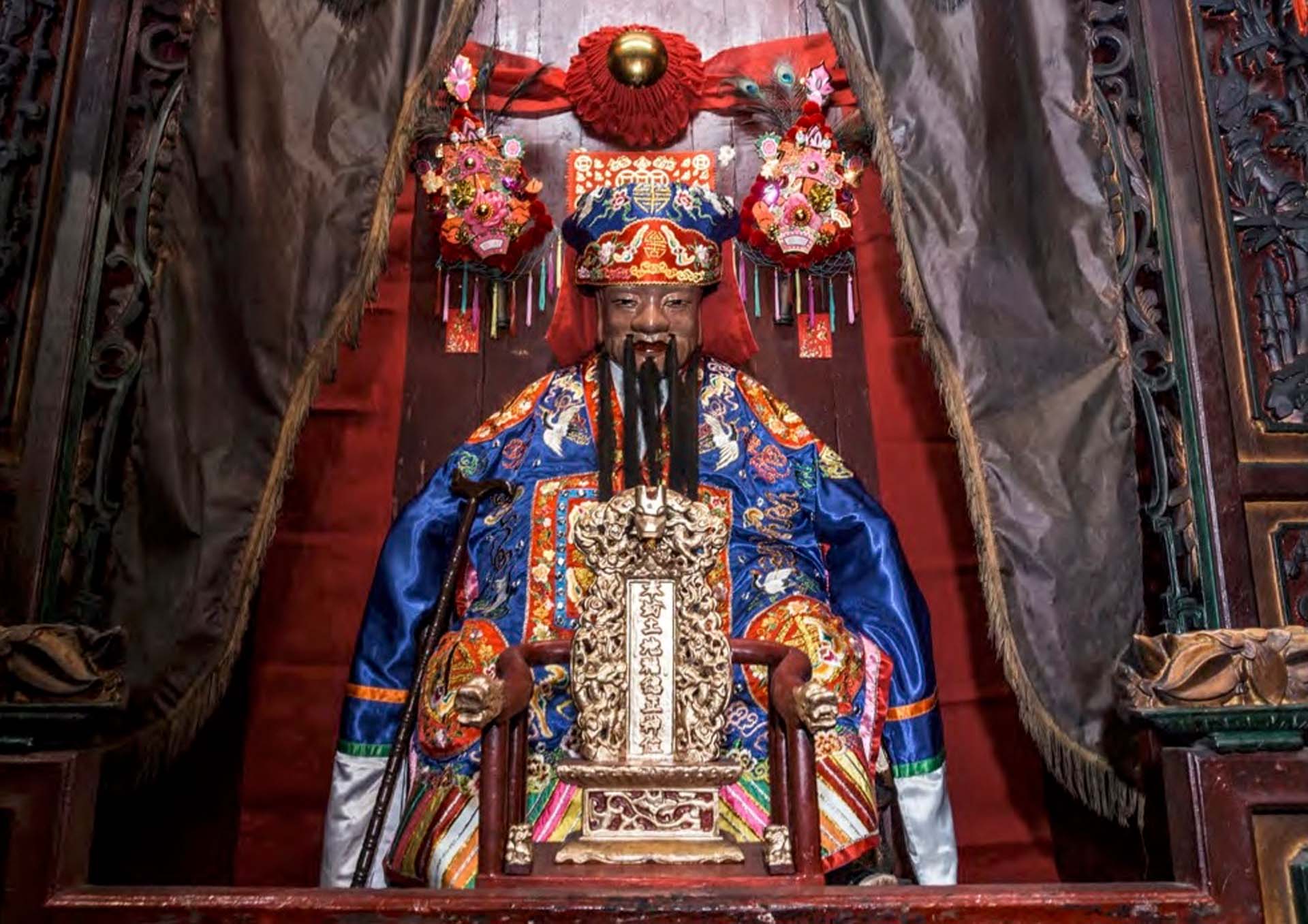
“Tou Tei Kung” is a widely venerated Chinese folk deity, believed to be the God of the Earth and a guardian of life, health and prosperity. In Macao, around 10 temples and more than 160 altars are dedicated to the deity, alongside individual tablets placed at the entrances of homes and businesses.
Festivities honouring Tou Tei are held on the second day of the second lunar month, with celebrations at various temples featuring prayers, lion dances, Chinese opera performances for the deities, and communal banquets.
The belief and associated customs were included in China’s National List of Representative Elements of Intangible Cultural Heritage in 2021. The Cheok Chai Un Foc Tac Temple Committee – officially known as Associação de Cheok Chai Un Fok Tak Chi Tou Tei Mio Chek Lei Wui de Macau – was formally designated by the Ministry of Culture and Tourism as the official preservation body responsible for safeguarding the tradition.
Dragon dance
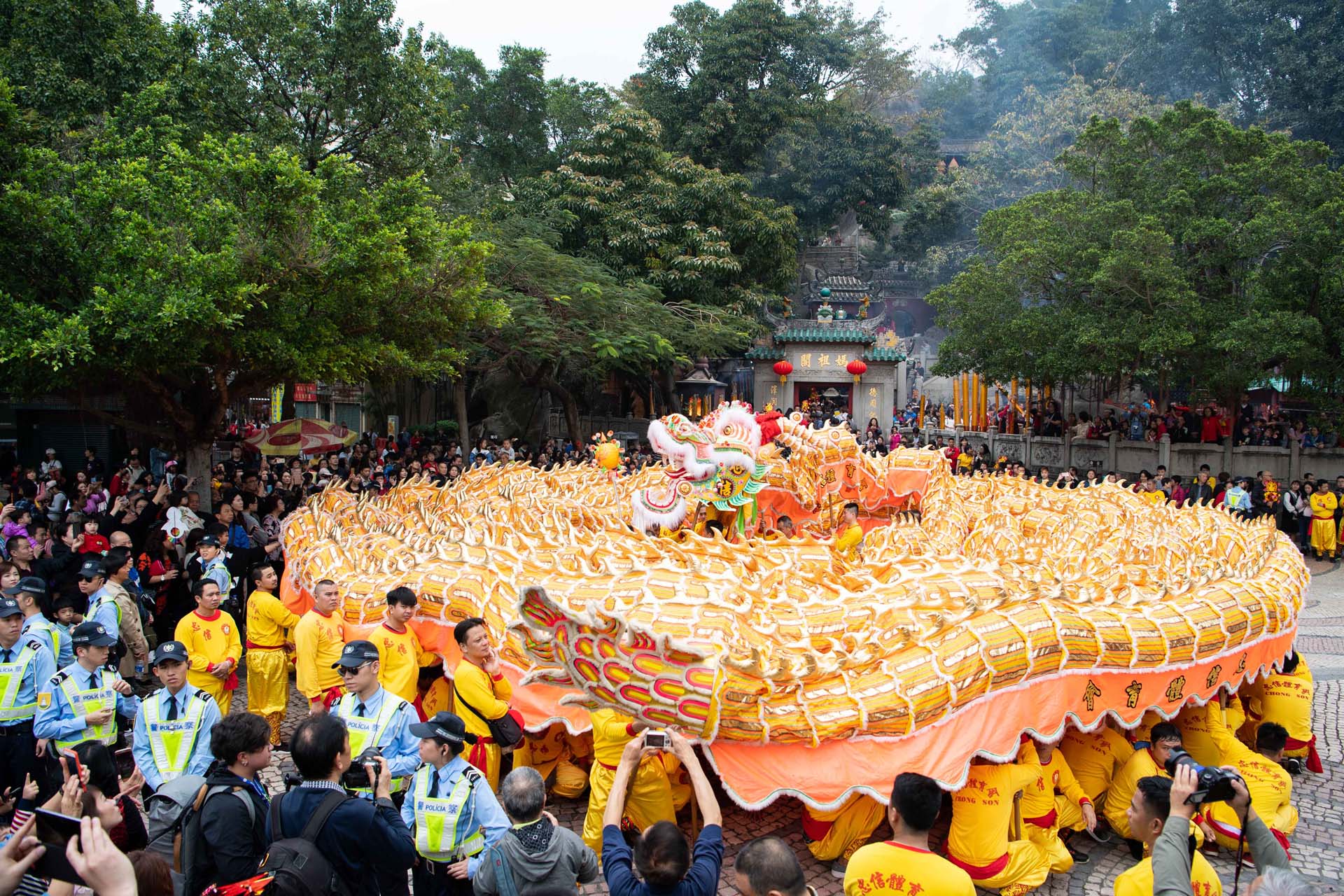
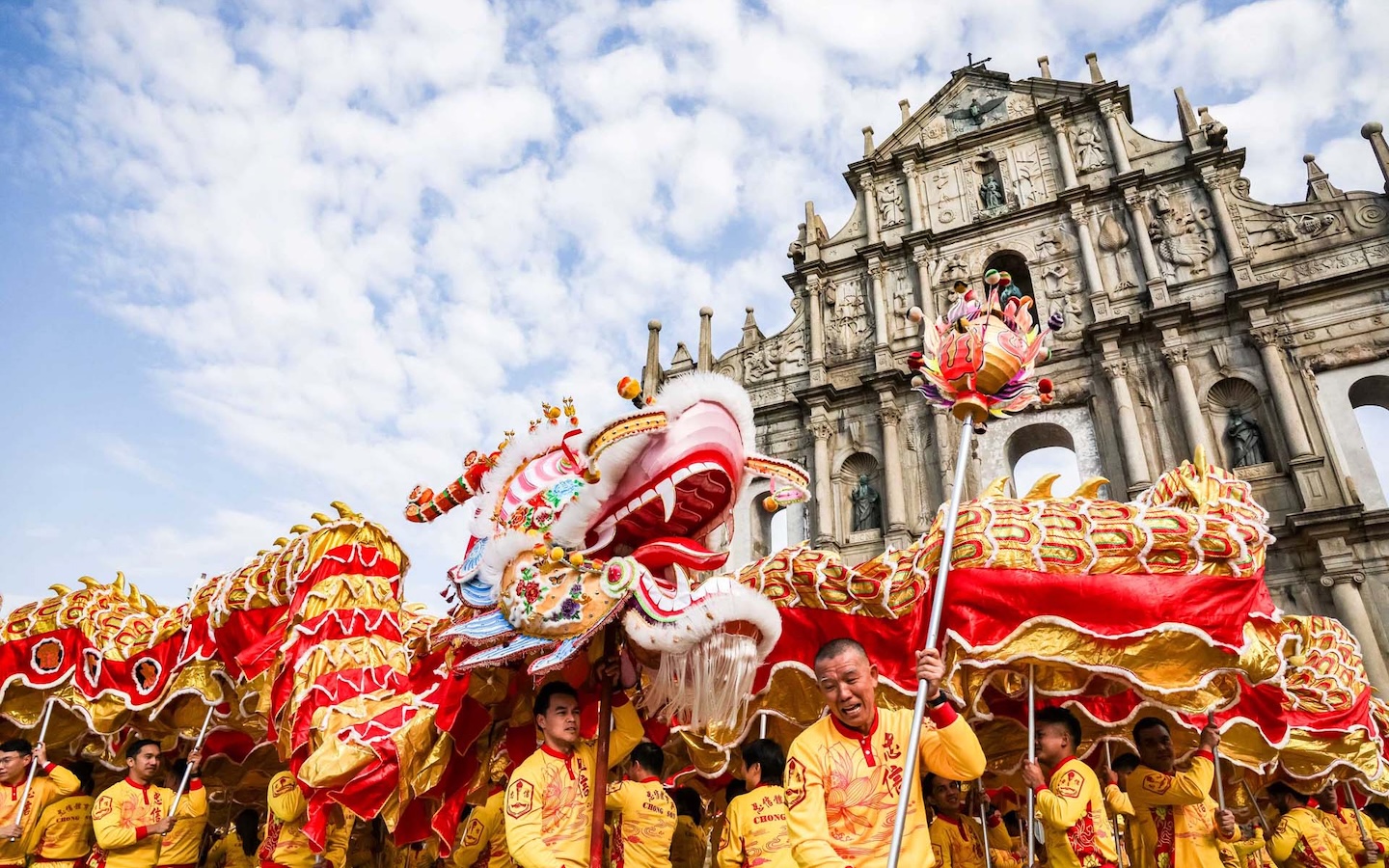
Dragon dance is a long-standing Chinese folk tradition to pray for protection and to create a vibrant, festive atmosphere.
The dance is traditionally divided into two main styles: the “Southern Dragon” and the “Northern Dragon”. The “giant golden dragon”, commonly seen in Macao, belongs to the Southern Dragon category and can reach lengths of over 10 metres. In its early days in Macao, performers carried the dragon wrapped in their bodies, with dancers in the rear rows following the movements of those at the front. This method later evolved into the contemporary performance, in which long poles are used to lift and animate the dragon’s body.
Since the 1990s, the dragon dance in Macao has developed into a competitive sporting event while retaining its role as a folk performance. Today, the tradition is maintained and promoted by local sports societies.
Lion dance
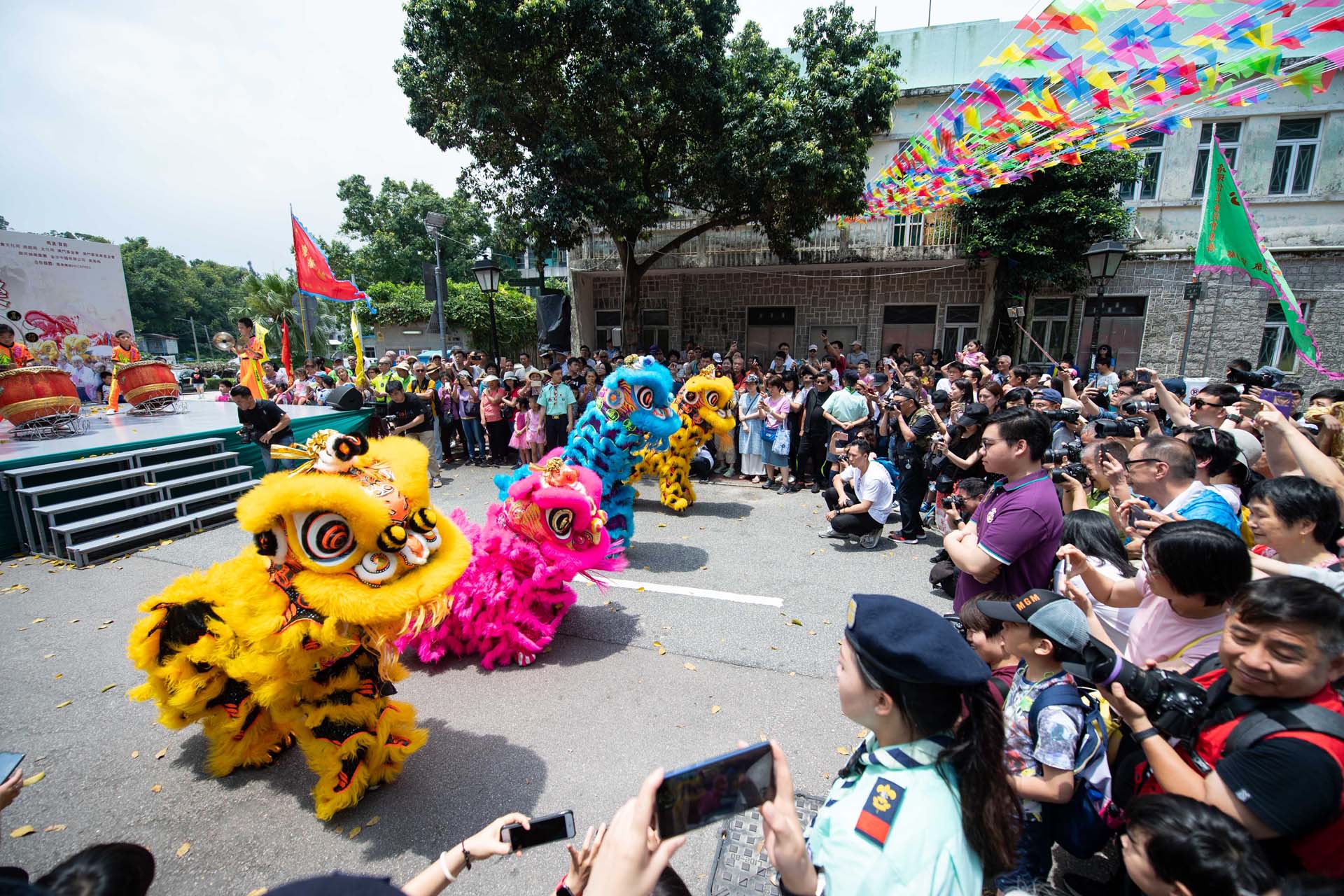
The lion is a powerful and auspicious symbol in traditional Chinese culture. Lively and colourful lion dances are performed at temple celebrations, weddings, folk festivals and other festive events to ward off evil spirits and usher in prosperity.
Macao’s lion dance tradition originates from the Lingnan culture of southern China, where the Southern Lion style predominates. The performance is a dynamic art form, combining martial arts, dance and music. In a lion dance, the lion — composed of a head and a furry body — is operated by two dancers moving in time to the beat of gongs and drums, performing a variety of intricate movements.
Historically, lion dances were central to many celebrations and served as an important source of income for local sports societies. In the latter half of the 20th century, the tradition evolved into a competitive sporting event, with Macao teams competing successfully in international competitions.
Portuguese folk dance
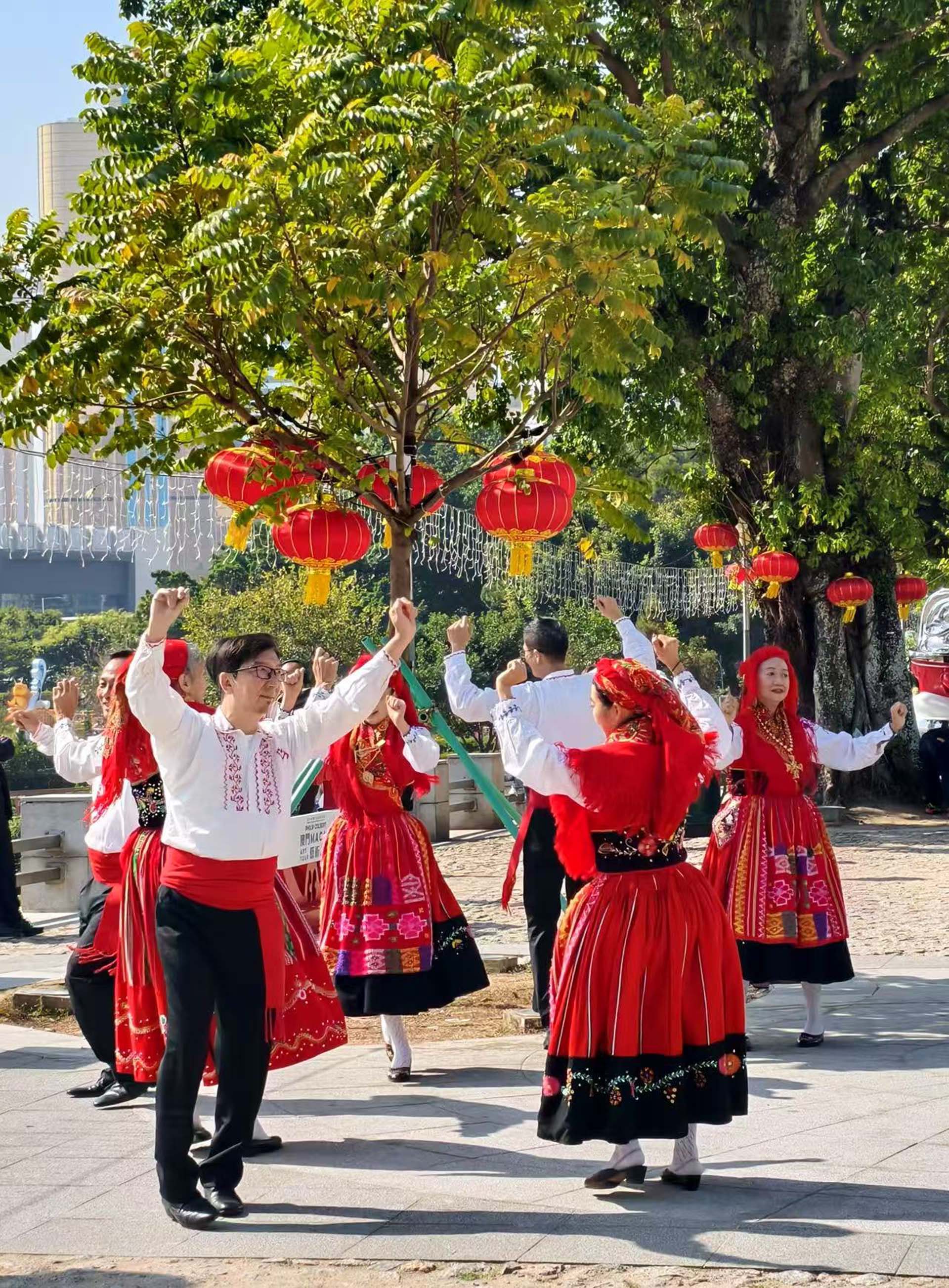
Originally from the rural regions of Portugal, the Portuguese folk dance is a group performance combining traditional dance, songs and instruments. In Macao, the tradition has been enriched by contributions from Portuguese, Macanese, Chinese and other local communities.
The dances are performed in pairs, with groups sometimes comprising dozens of couples. The performers play a variety of instruments such as violins, accordions, harmonicas, traditional guitars and drums. The tradition places strong emphasis on a collective performance, with dancers, musicians and singers working in harmony to produce lively rhythms and synchronised movements.
Performances in Macao rarely adhere to a single regional style, unlike what is common in Portugal; instead, they combine dances, music and costumes from many Portuguese regions. Today, Macao’s Portuguese folk-dance tradition is maintained by four to five groups, involving around 70 amateur performers.
Spring Festival
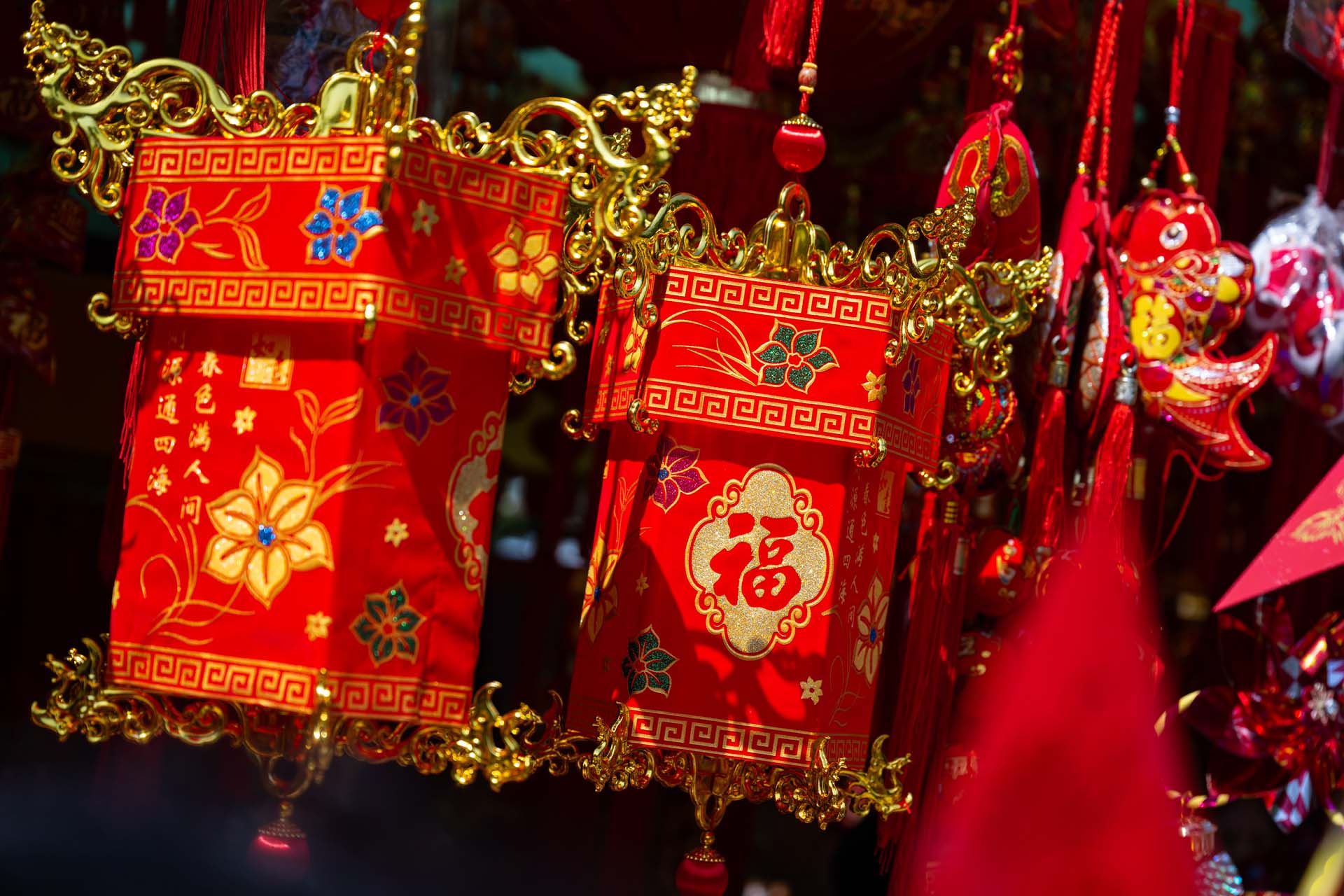
The Spring Festival, celebrated in Macao to mark the arrival of Chinese New Year, is deeply rooted in Chinese history and culture. The festivities traditionally extend until the Lantern Festival on the 15th day of the first lunar month, symbolising a farewell to the old and a welcome to the new.
In Macao, the celebrations primarily reflect the customs of the Lingnan region where offerings are made to the Kitchen God, families hold reunion dinners, and display spring couplets (“fai chun”) with auspicious greetings on doors. Relatives and friends reunite to enjoy New Year delicacies, reinforcing the communal spirit that defines this annual celebration.
Residents visit vibrant flower markets on New Year’s Eve, exchange lucky money in red envelopes (“lai si”), and observe the practice of remaining at home on the third day of the New Year to avoid conflict.
Tung Ng (Dragon Boat Festival)
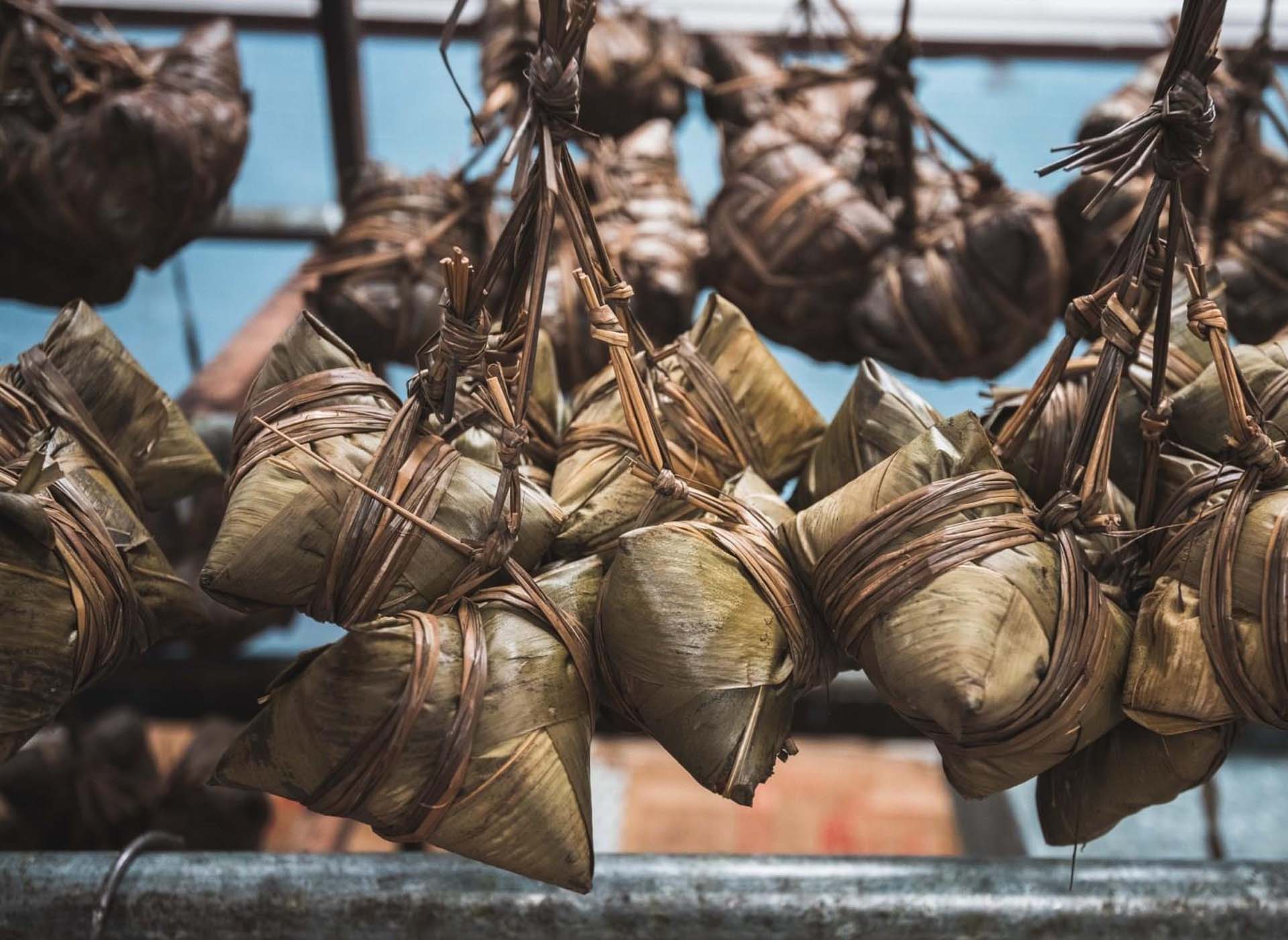
Tung Ng, or the Dragon Boat Festival, is observed on the fifth day of the fifth month of the lunar calendar. Initially intended to ward off disease and evil spirits and to honour the dragon, the festival now also commemorates the patriotic poet Qu Yuan.
During the festival, Macao residents eat festive rice dumplings (“zongzi”) and prepare bean soup to provide relief from the summer heat. Dragon boat racing is one of the most popular events of the festival and was also just added to Macao’s List of Intangible Cultural Heritage.
The season of Tung Ng usually coincides with plentiful rainfall, causing the Pearl River to rise and the salinity of the water to decrease, creating good conditions for swimming. For this reason, a traditional activity is to “swim in the waters of the dragon boats,” seen as beneficial for physical fitness and overall health.
Dragon boat racing
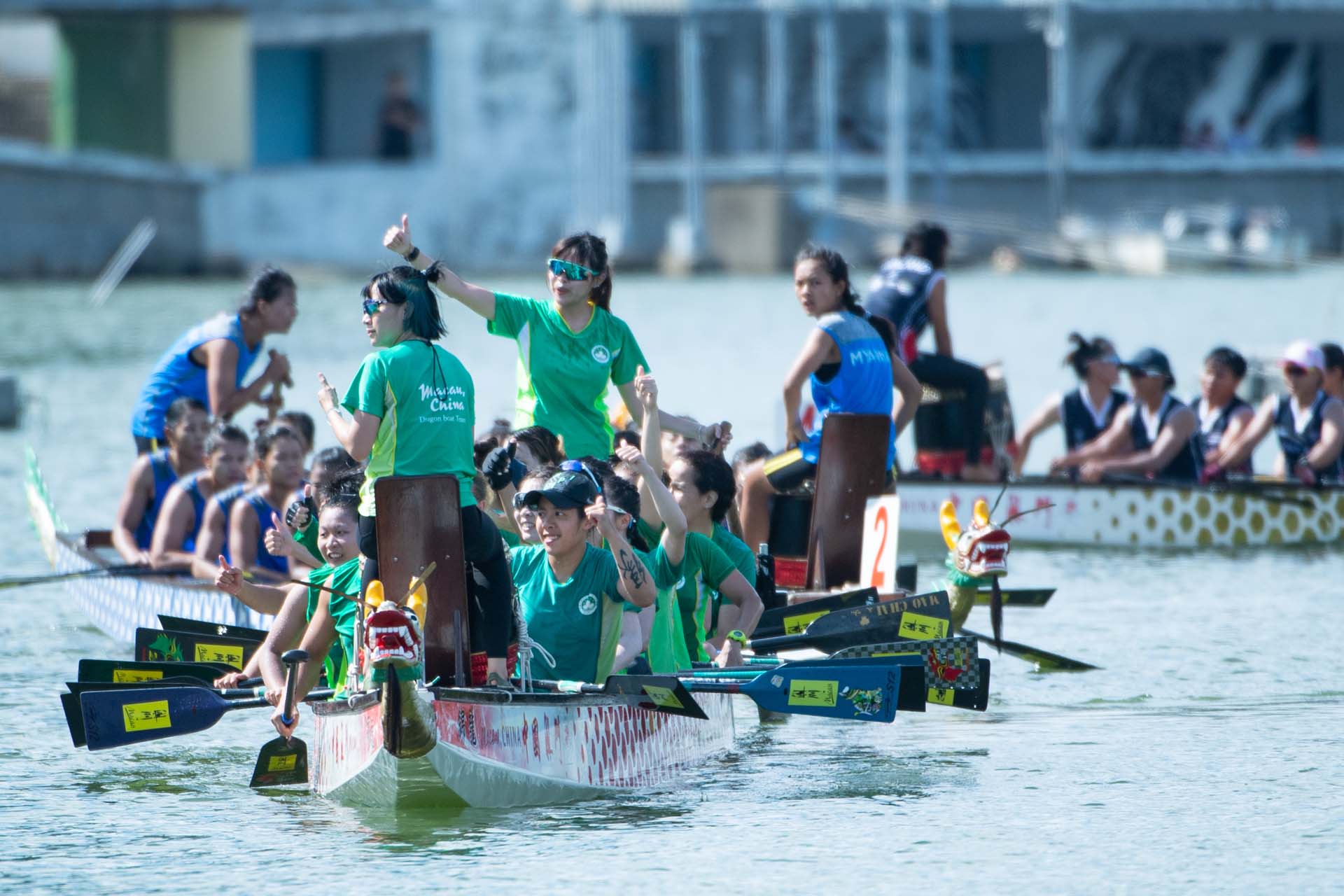
Dragon boat racing, a hallmark of the Tung Ng or Dragon Boat Festival, has a long and storied history in Macao. The practice has evolved into a competitive aquatic sport while retaining its traditional rituals, including boat launching ceremonies, dragon boat cleaning, and the ‘eye dotting’ of each dragon head to symbolically awaken the vessel.
In the past, dragon boat races were organised by community groups and held irregularly. After 1979, local sports associations began coordinating the events with support from commercial organisations. Today, Macao’s dragon boat races are a three-day international sporting festival that blends traditional culture with fierce competition. The first two days feature teams representing local companies, government bodies and associations, while the final day is dedicated to international races, attracting crews from around the world.
Tai Chi martial arts
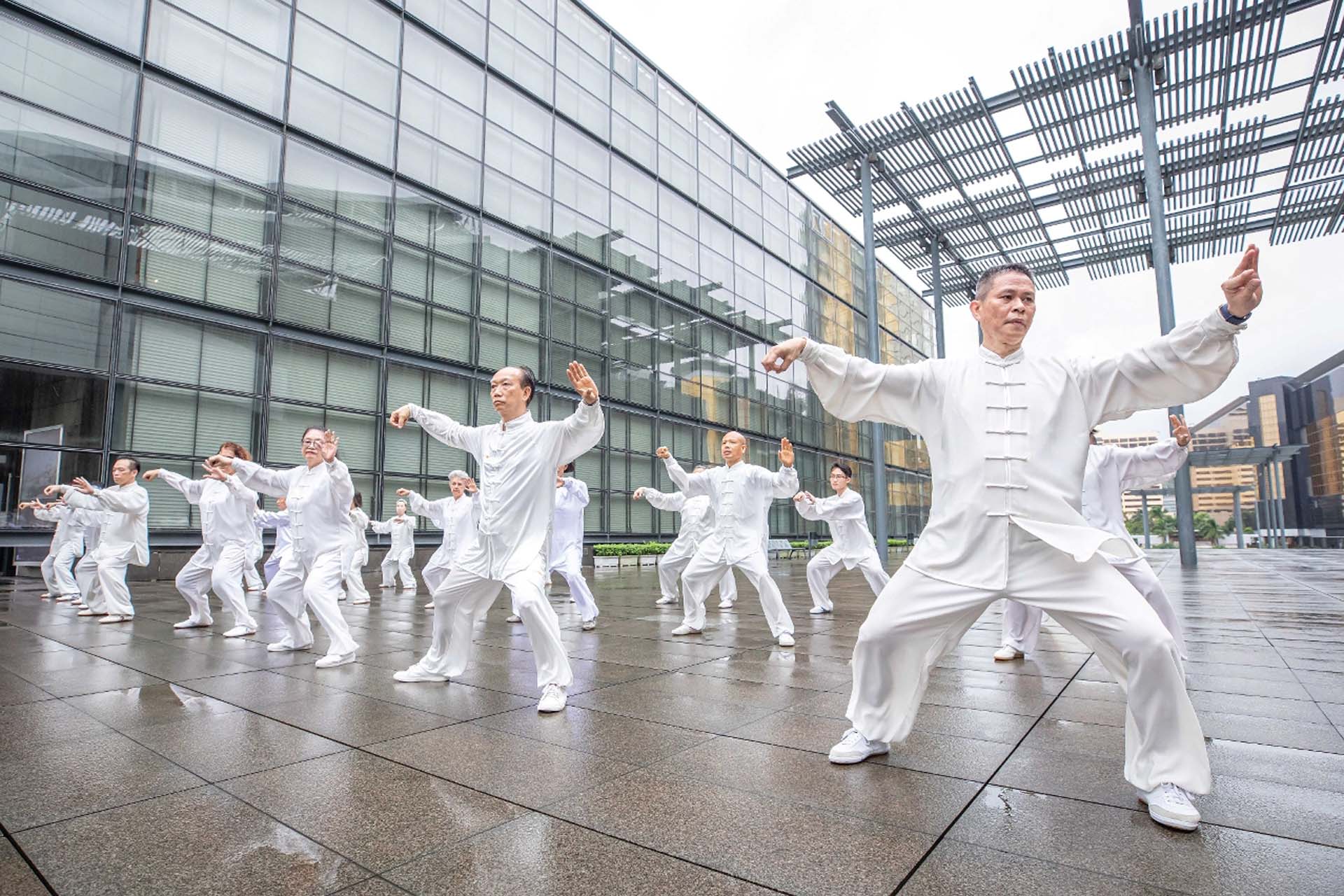
Tai Chi, a traditional Chinese martial art with origins in the Ming and Qing dynasties, blends Taoist, Confucian and Buddhist philosophies while incorporating the principles of Yin and Yang. Its practice emphasises the balance of movement and stillness, strength, and deep concentration.
In the early 20th century, Tai Chi was introduced to Macao by renowned masters from the Chinese mainland who established local associations to teach and preserve the art. The development of simplified Tai Chi, featuring 24 forms, alongside its transformation into a sport accessible to all – including competitive formats – played a crucial role in popularising the practice across the city. Today, the most widely practised Tai Chi styles in Macao are the Chan, Yeung, Ng, Sun, and Mou variants, and local groups regularly host competitions showcasing this martial art.
Confection of custard tarts
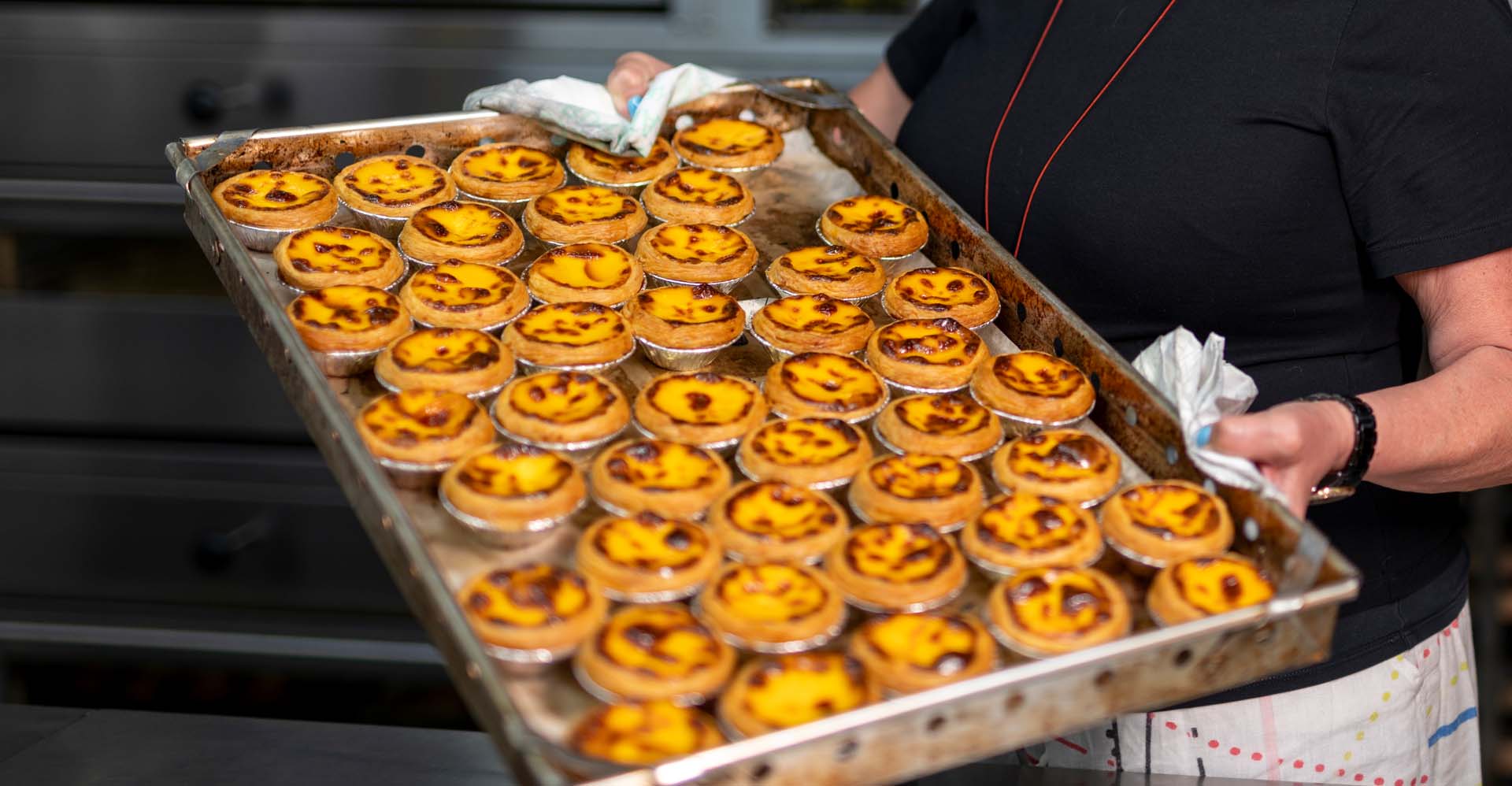
The custard tart is a traditional Portuguese pastry that has been reinterpreted in Macao. Renowned for its aroma and sweet, creamy flavour, the pastry is most recognisable for its crisp, flaky crust and golden egg custard centre. Today, numerous pastry shops across the city produce custard tarts, each prepared with its own unique recipe.
The creation of a custard tart involves two key stages: preparing the outer pastry and making the egg custard filling. The pastry is made with low-gluten flour and butter, with the dough folded repeatedly and rested before being cut into portions and pressed into individual moulds. The custard combines milk, sugar, egg yolk and cream, which is then filtered to remove any coarse flour particles and chilled until thickened. For the final touch, the pastry is filled with custard and baked to a beautifully golden finish.
Confection of almond biscuits
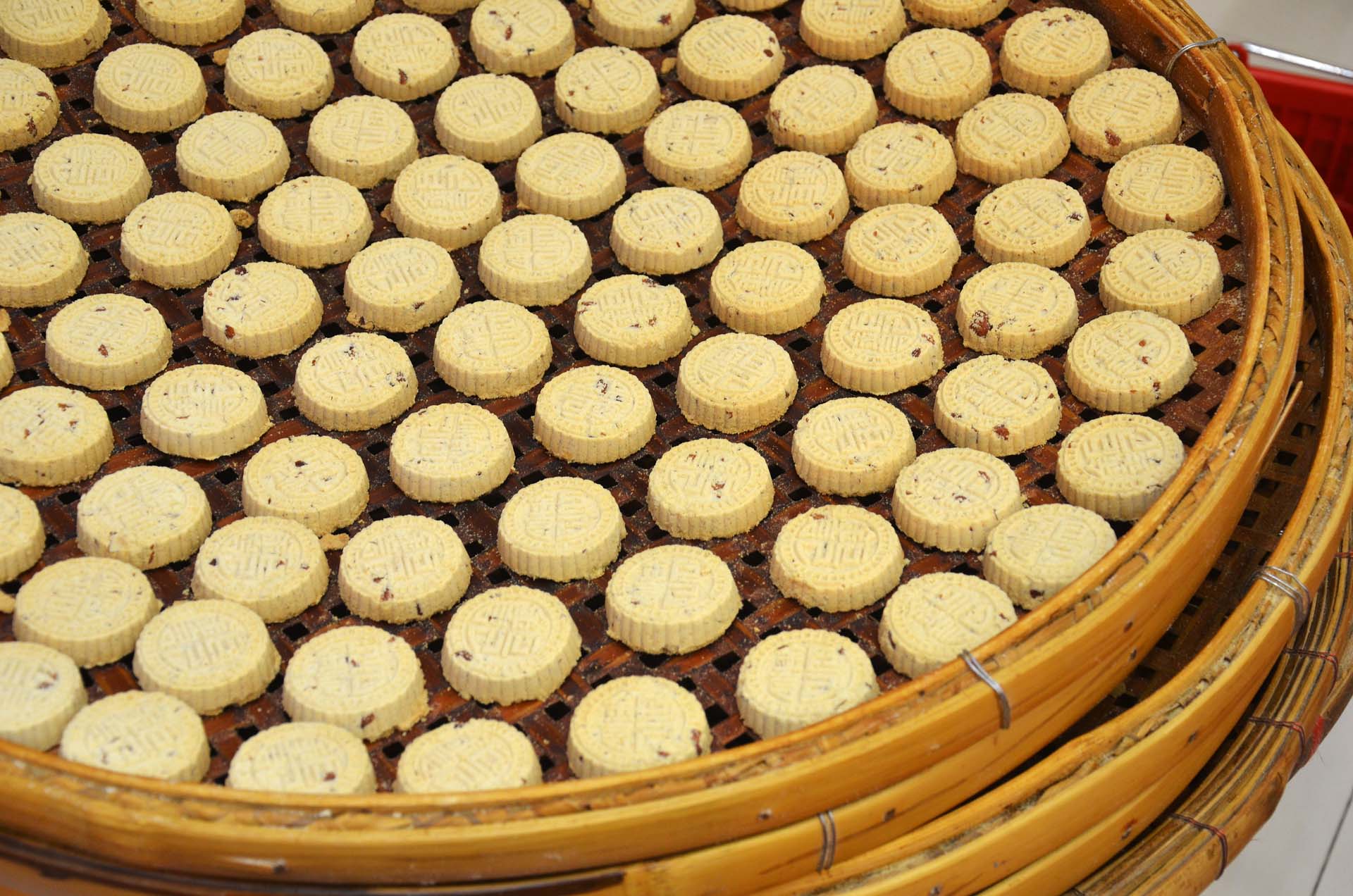
The almond biscuit is among Macao’s most beloved traditional Chinese pastries, with roots tracing back to pork biscuits made from mung bean powder. This delicacy, which comes from Xiangshan county in Guangdong province, gained popularity in Macao during the first half of the 20th century. It is renowned for its distinctive almond fragrance.
Today, almond biscuits in Macao are typically round and produced by a range of bakeries using similar ingredients, including almonds, mung bean powder and sugar-preserved pork. The dough is pressed into wooden moulds filled with the mixture, and baked in charcoal ovens to achieve its characteristic texture and aroma.
While industrial production now accounts for the majority of almond biscuits available in Macao, a handful of traditional pastry shops continue to craft them by hand, preserving time-honoured techniques.
Confection of traditional Chinese wedding cakes
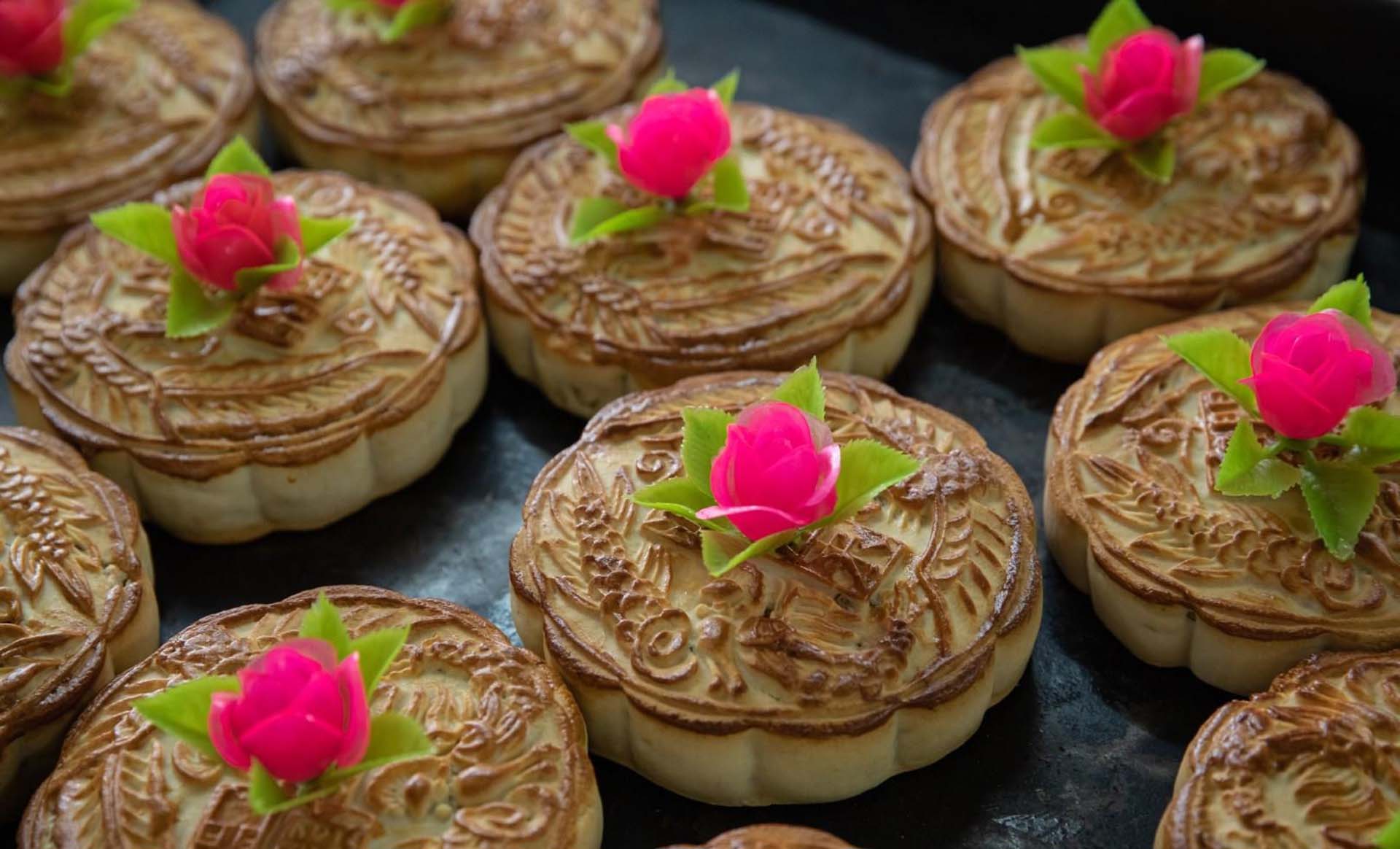
Traditional Cantonese-style Chinese wedding cakes, often known as “dowry cakes”, remain a cherished part of matrimonial customs in Macao. Usually prepared by the groom’s family, these cakes are presented as wedding gifts and take on a variety of forms, including “dragon and phoenix cakes”, “red twill pastries” and “white twill pastries”. The Chinese name for twill cakes features the character “ling”, historically regarded as one of the rarest and most precious elements used in luxurious clothing in ancient China, with these cakes symbolising prosperity. The colours also carry distinct meanings: red signifies festivity, while white represents purity.
Other wedding confections are imbued with auspicious symbolism, such as walnut cookies, representing harmony between husband and wife, and century egg pastries, associated with fertility.
Making of jook-sing noodles
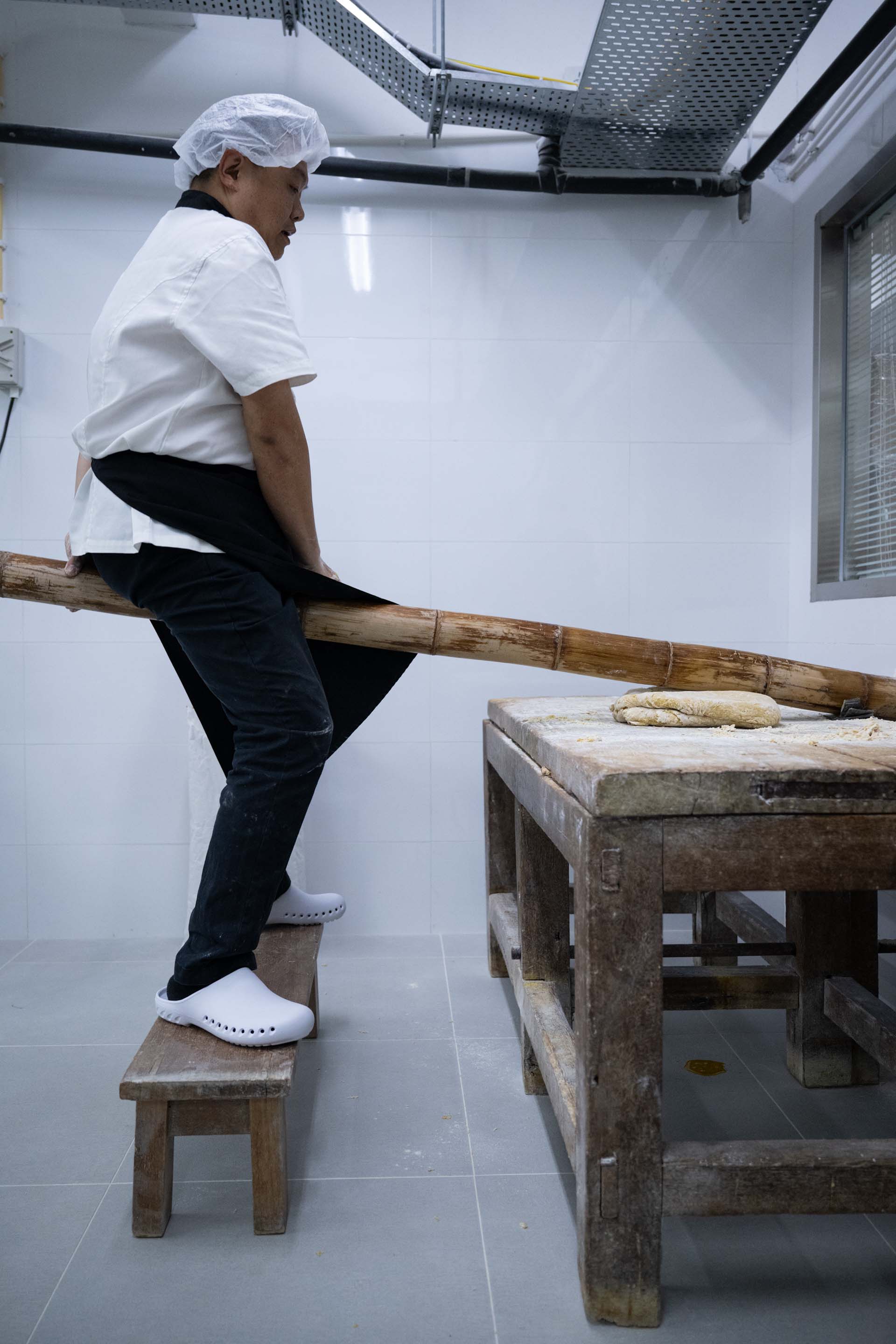
Jook-sing noodles are a distinctive Cantonese delicacy, celebrated for their smooth texture and fragrant egg aroma since duck eggs and food-grade lye water are key ingredients. A defining feature of the noodles is the repeated pressing of the dough with a bamboo cane. In Cantonese, the word for “cane” sounds like the word for “dryness”, so to avoid negative connotations, the noodles are instead named “sing”, meaning “rise”.
The traditional preparation involves the master sitting on the bamboo cane, repeatedly pressing and tapping the dough to make it compact — a process commonly referred to as “sitting on the bamboo cane” or “riding the cane”. Mastering this technique traditionally took apprentices several months or even a year.
By the 1970s, many phases of noodle-making in Macao became mechanised. Today, a handful of shops in the city still continue to produce jook-sing noodles using the traditional method, preserving this important culinary heritage.