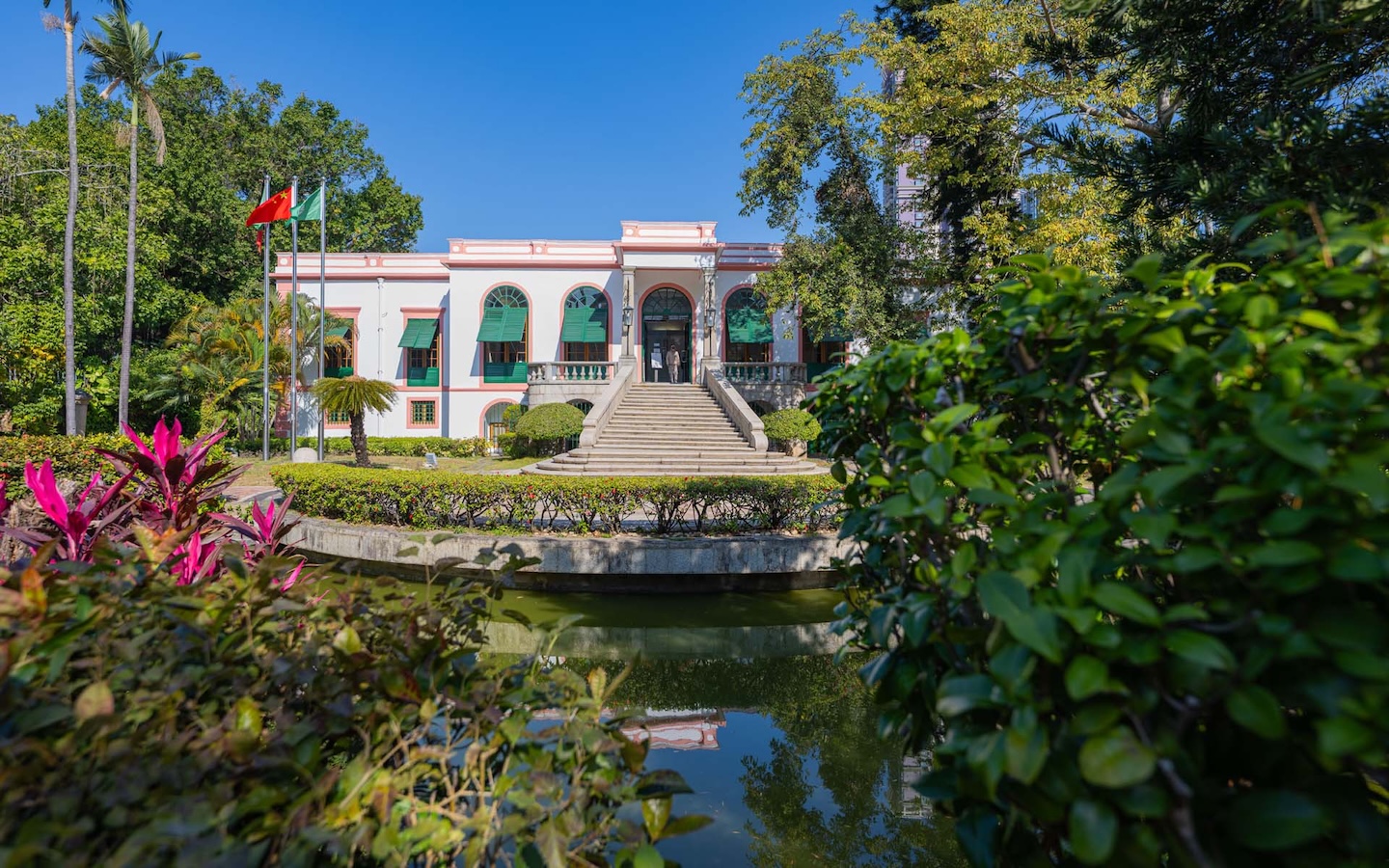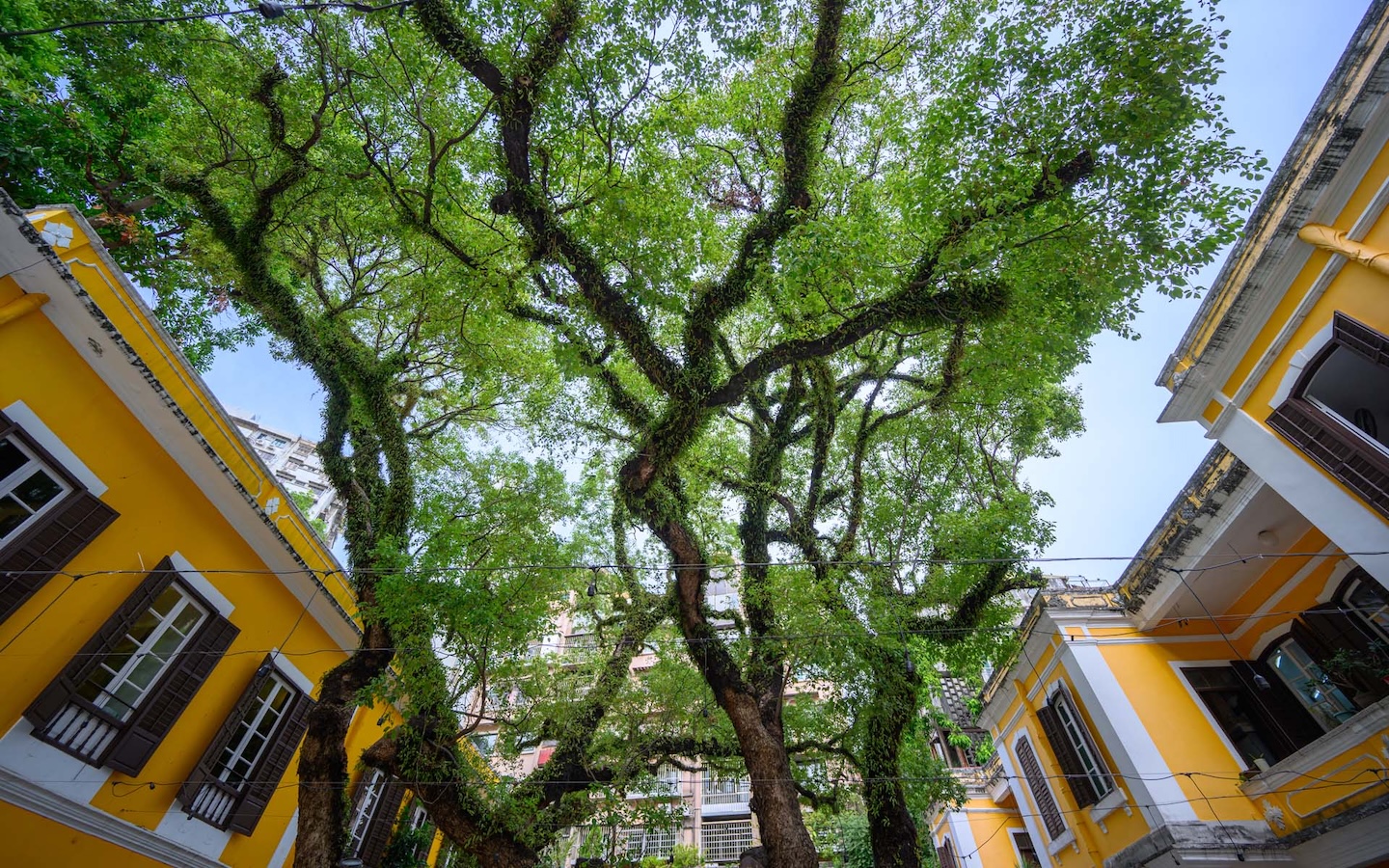
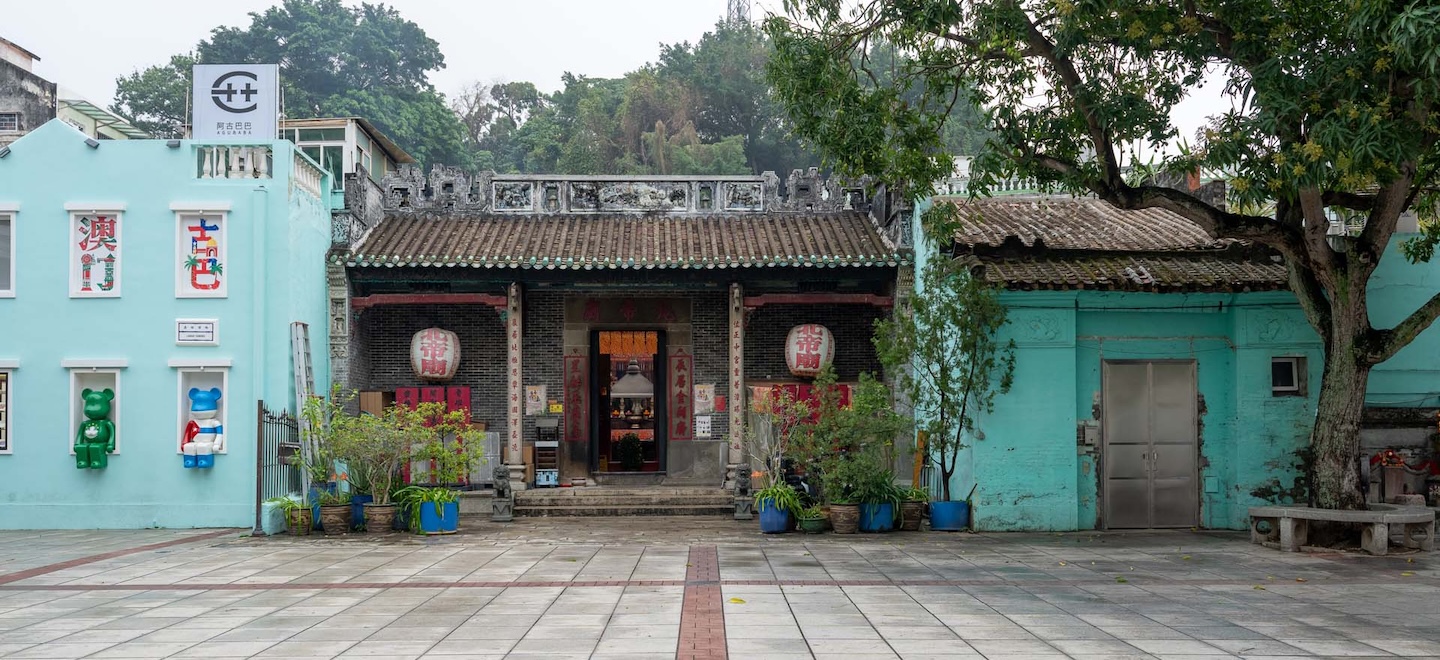
Visitors strolling through the heart of Old Taipa Village, along Rua do Cunha and Rua do Regedor, encounter a lively tourist enclave, its streets lined with shops and cafés. It is difficult to imagine an earlier landscape, when the ground beneath their feet bordered a small bay rather than solid land.
Taipa itself was once formed of two separate islands, each defined by its own hill. By the mid-20th century, land reclamation — aided by natural siltation — joined them into what is now Taipa Island.
Pak Tai Temple predates this transformation. Historical records indicate that it was built between 1843 and early 1844, a timeline supported by a carved stele installed on site in 1882. The inscription refers to the “Year of the Water Rabbit” for the temple’s construction, widely understood by scholars to point to 1843 or early 1844.
Dedicated to Pak Tai, the Taoist God of the North – also known as the Great Emperor Xuanwu or Black Emperor – the temple reflects the maritime roots of the community it served. Revered for his power to command floods and fire, Pak Tai was long venerated by fishermen seeking protection, favourable weather and a safe return.
His origins stretch deep into myth. One tradition places his human life in the era of the Yellow Emperor, between 2697 BC and 2597 BC, as a prince who renounced worldly power to become a Taoist recluse. By the Song dynasty (960–1279), Pak Tai worship had entered the imperial court and later gained additional prominence during the Ming dynasty (1368–1644).
A temple shaped by sea
When the Pak Tai Temple was first built, Taipa was a small fishing settlement, explains Chan Chi Seng, head of the Associação de Moradores da Taipa, speaking to Macao Magazine.
In front of the temple once stood shipyards where vessels were repaired before returning to sea. Nets were laid out to dry in what is now Largo de Camões, the square directly before the temple. Facing the waterfront at the time, the temple’s orientation reflected the community’s reliance on the sea – and its need for divine protection.
Since 1968, the neighbourhood association has overseen the temple’s upkeep, continuing a tradition of local stewardship. Conservation efforts are supported by Macao’s Cultural Affairs Bureau, and the complex is listed as a protected monument.
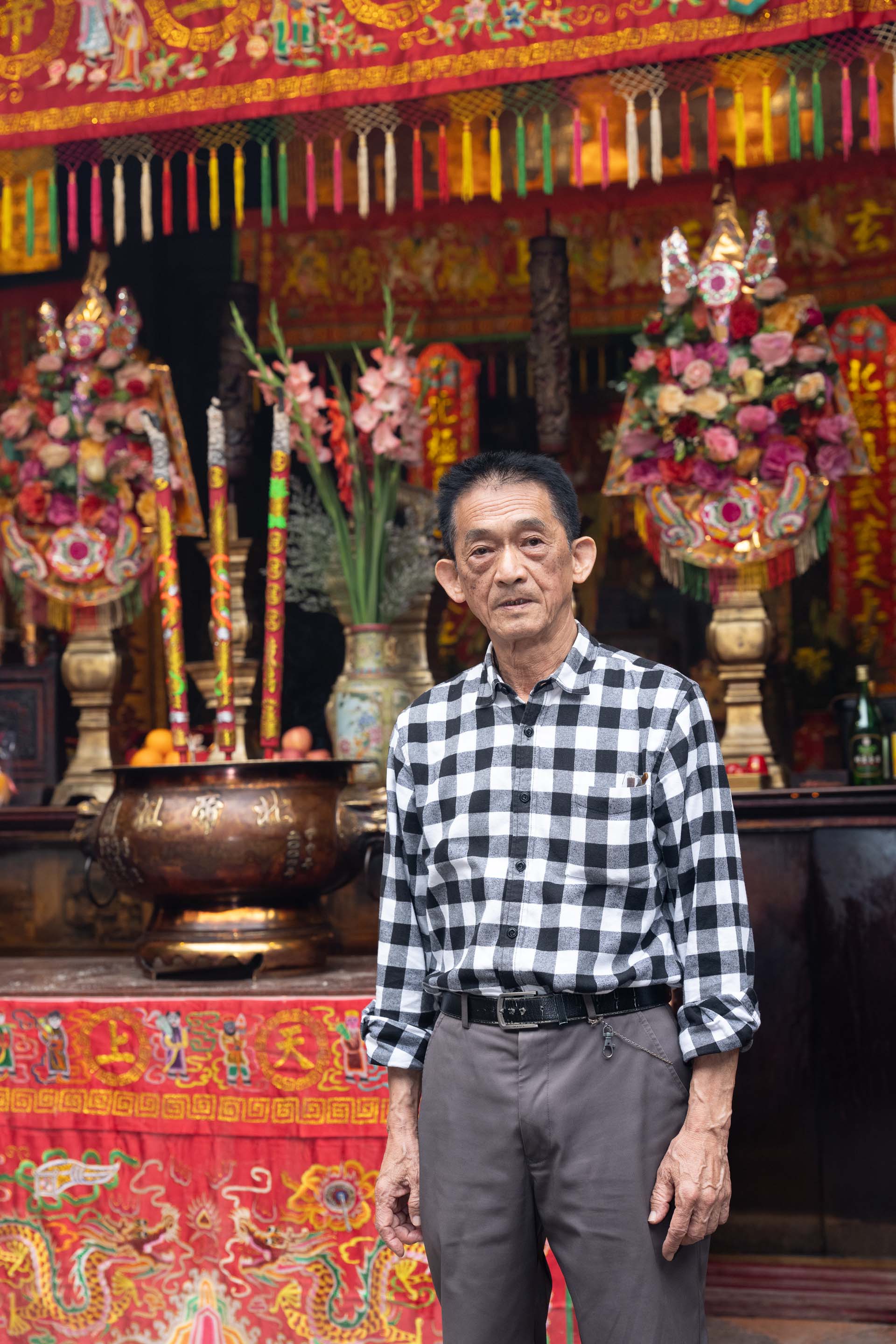
Much of the structure remains unchanged. The statues, the layout – they are the same as they were decades ago, according to Mr Chan.
The temple is organised around a central chamber dedicated to Pak Tai, flanked by side halls housing other deities: Va Kuong, the god of fire; Empress Kam Fa, protector of children; Kuan Tai, the deified military commander celebrated for his righteousness; Master Lu Ban, patron of craftsmen; and the God of Wealth.
Unlike many temples in Taipa, the main chamber was originally designed to accommodate offerings and worship within a larger interior space. The complex itself is more expansive than most temples found across Taipa and Coloane.
Pak Tai is symbolically associated with both a tortoise and a snake – motifs that appear in the temple, where the deity is depicted seated with his feet resting upon the two creatures. Above the entrance, frescoes and carved details frame the lintel, while inside hangs a large wooden plaque bearing the inscription “The God of the North”.
The temple also preserves older place names etched in stone using Chinese characters – “Long Tao Wan” and “Tam Zai” – echoing earlier identities of Taipa long since absorbed into the modern cityscape.
“Pak Tai is the main god, sitting in the middle. The other deities were gradually invited for worship over time, but exactly when they arrived is impossible to determine,” Mr Chan said.
Enduring traditions
In its early years, the temple was the spiritual centre of a fishing community, where families prayed for safe voyages and abundant catches. As urban development reshaped Taipa and traditional fisheries declined, its role evolved.
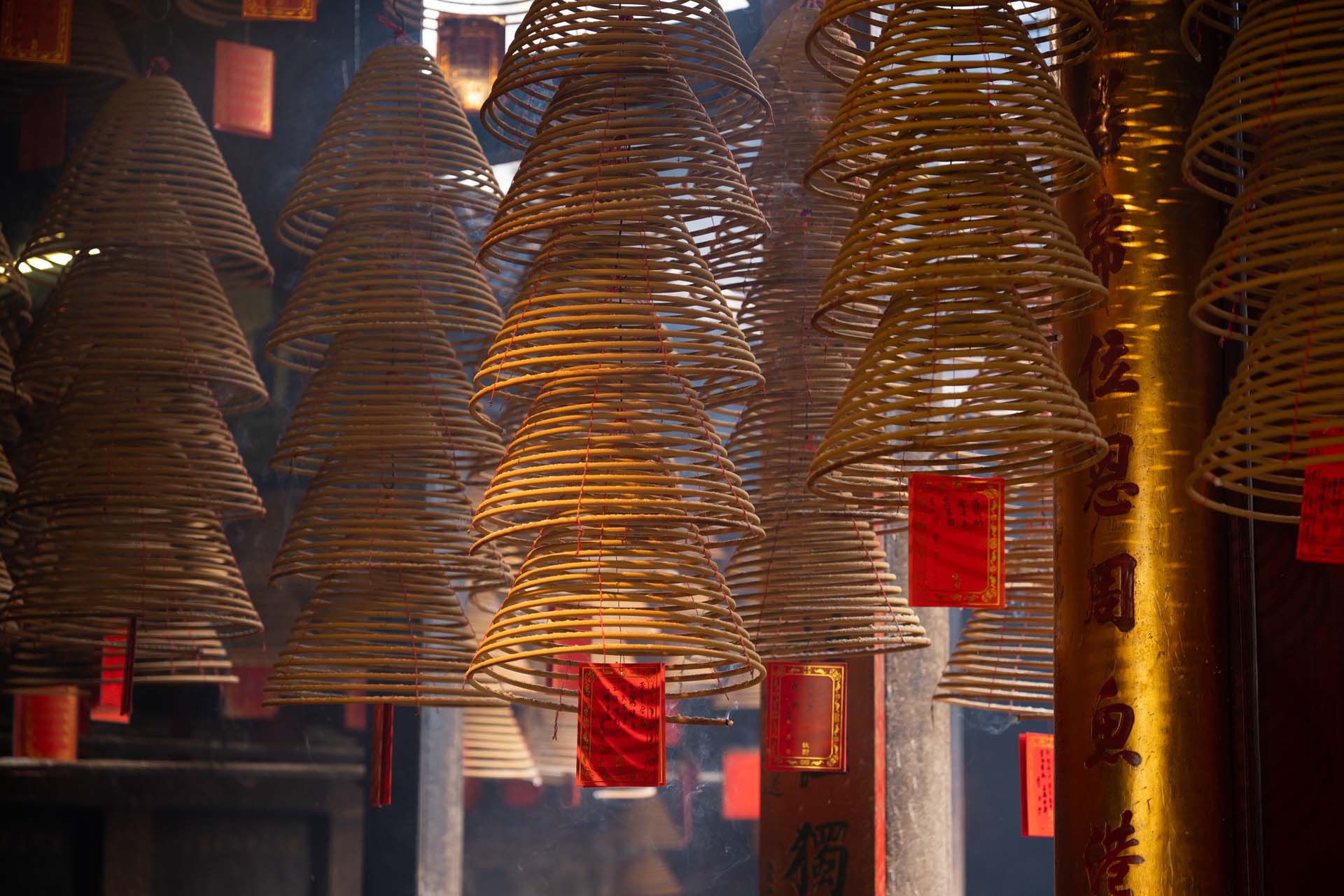
Today, visitors arrive for reasons that extend beyond maritime concerns. “People might ask for health, business success, or family stability. Temples today offer peace of mind rather than a specific blessing,” Mr Chan said.
Yet tradition endures in the annual Pak Tai Celebrations, held on the third day of the third month of the Chinese lunar calendar. This day is celebrated as Pak Tai’s birthday and falls on April 19 this year. Spanning several days, the programme at Pak Tai Temple includes ritual ceremonies, four nights of Cantonese opera performed for the deities, and a community gathering that brings the festivities to a close. It is the largest festival in Macao dedicated to the deity.
A temporary bamboo mat-shed theatre rises in Largo de Camões to host the performances. “We try to accommodate as many people as possible, but the square has a fixed size. Devotees witness the ceremony, while others might attend for the art,” Mr Chan said.
“The number of spectators depends on the weather,” he added. “We invite a troupe from the Chinese mainland each year, offering the public a chance to appreciate the art form.”
Inscribed on Macao’s Inventory of Intangible Cultural Heritage in 2020, the celebrations underscore the enduring relevance of traditional Chinese folk practices. For many, the operatic performances – staged in an open-air, ceremonial setting – offer a rare chance to experience the art form as it was traditionally seen in bygone days.