
Macao is enjoying a banner year for tourism, with official figures showing a 14.9 percent year-on-year rise in visitor numbers during the first half of 2025. Between January and June, the Special Administrative Region (SAR) welcomed 19.22 million visitors, including about 1.34 million foreign passport holders. These figures put it firmly on course to meet the government’s target of attracting 38 to 39 million tourists by year’s end.
Macao has now recovered to around 95 percent of its 2019 tourism levels for the same period, a sign of a strong post-pandemic momentum. On 8 July, Macao passed the 20 million visitors milestone 26 days earlier than it did last year.
The Chinese mainland remains Macao’s dominant source market, accounting for 71.6 percent of all arrivals. Visitors from Hong Kong, Macao’s second biggest tourism source, made up 19.1 percent, while those from Taiwan made up 2.4 percent. International tourists represented 7 percent of the total, with South Korea, the Philippines and Indonesia emerging as the leading overseas source markets.
January and May have been 2025’s busiest months for tourism to date, buoyed by a number of holidays. January saw a 27.4 percent year-on-year increase in collective travellers, while May was up by 25.3 percent.
Across the first half of the year, arrivals from the mainland rose by 19.3 percent compared with the same period in 2024. Of note were increases from the nine Pearl River Delta cities in Guangdong Province, which collectively jumped 25.7 percent, and travellers entering under the Facilitated Individual Travel (FIT) scheme, up by 24.6 percent.
International arrivals also jumped between January and June, rising by 14.8 percent year-on-year. The strongest growth came from Japan (23.5 percent), South Korea (21.7 percent) and the Philippines (16.8 percent), signalling solid regional interest in Macao as a travel destination.
New access rules spur mainland influx
The surge in visitors from the mainland can largely be attributed to the easing of boundary control policies. Chief among these is the “one-trip-per-week” scheme for Zhuhai residents, introduced in January 2025. The new arrangement allows residents of the neighbouring city to visit Macao once a week for up to seven days – a major increase from the previous limit of one visit every two months. Thanks to the update, the number of arrivals from Zhuhai soared by 57 percent between January and June, when compared with the same period in 2024.
At the same time, residents of Hengqin – part of Zhuhai and a special economic zone jointly administered with Macao – now have access to multiple-entry permits, facilitating more frequent cross-boundary movement. Residents of other Greater Bay Area (GBA) cities have benefitted from enhanced transport links and simplified entry procedures since mid-2024, making short visits more convenient.
Moving beyond Guangdong Province, the FIT scheme’s expansion to 59 cities across other parts of the mainland has enabled more independent travellers to visit both Macao and Hong Kong without requiring group tour arrangements. The latest additions included residents of Taiyuan in Shanxi Province; Hohhot in Inner Mongolia Autonomous Region; and Harbin in Heilongjiang Province.
Destination marketing bears fruit
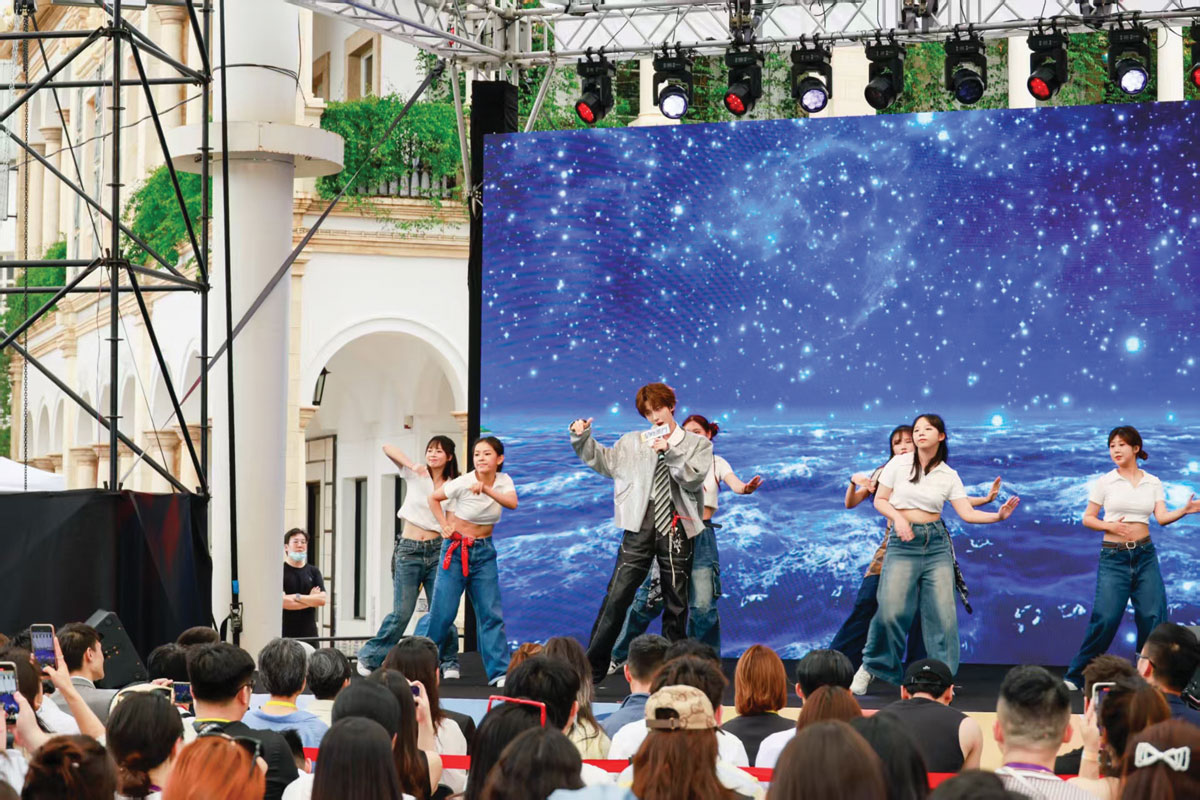
While policy reform has made Macao more accessible, its tourism success hinges on effective marketing. The Macao Government Tourism Office (MGTO) continues to strengthen Macao’s brand appeal at home and abroad by investing in both online and offline campaigns. It currently manages 28 official social media accounts, reaching a more than 9.23 million followers – a 45 percent increase from 2023. That digital presence is complemented by immersive campaigns that allow potential visitors to connect with Macao’s evolving identity in person or via influencers on the ground.
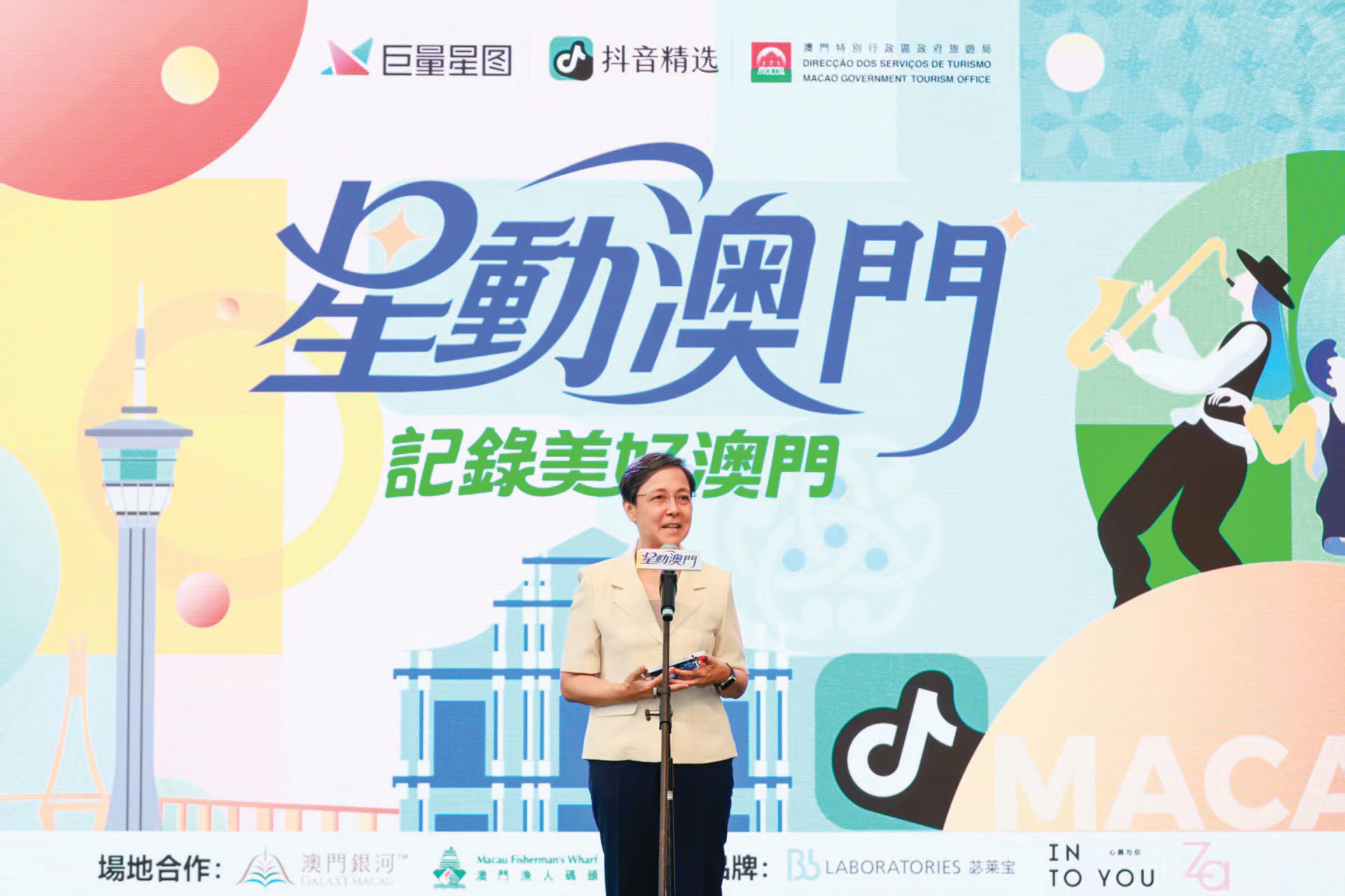
In June, MGTO launched its first large-scale influencer event in partnership with Douyin (China’s TikTok) to connect with younger Chinese travellers. The two-day “Enchanting Macao” event brought 200 of the mainland’s top influencers – collectively followed by over 300 million users – to explore and share the city’s charms. The campaign spotlighted Macao’s “tourism + gastronomy + culture and creativity” offering, in line with the government’s broader “tourism +” strategy. This seeks to diversify the SAR’s appeal through integrating traditional entertainment with other key sectors, such as culture and creativity, gastronomy, sports, traditional Chinese medicine and MICE (meetings, incentives, conventions and exhibitions). It supports the SAR’s broader goal of building a more resilient and multifaceted tourism sector while enhancing its reputation as a ‘World Centre of Tourism and Leisure’.
“Enchanting Macao” was centred around a carnival at Macau Fisherman’s Wharf, but the influencers also explored different neighbourhoods and heritage sites, visited newly developed attractions, met with local creatives, and sampled many of Macao’s signature delicacies. Along the way, they posted content highlighting the city’s compelling blend of tradition and trendiness.
At the event’s opening ceremony, MGTO director Maria Helena de Senna Fernandes said she hoped the collaboration with Douyin would “plant seeds of interest for Macao as a glamorous city from the angle of influencers”, thereby attracting more mainland visitors.
Taking Macao to the world
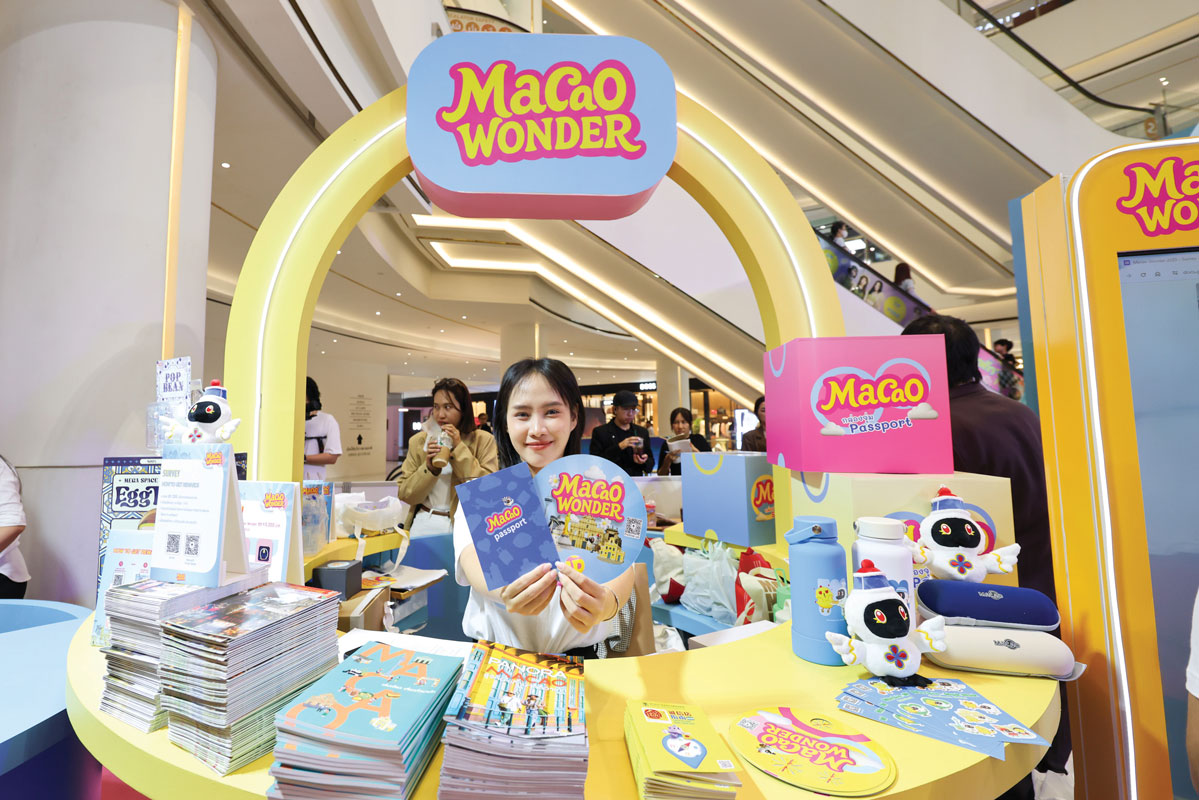
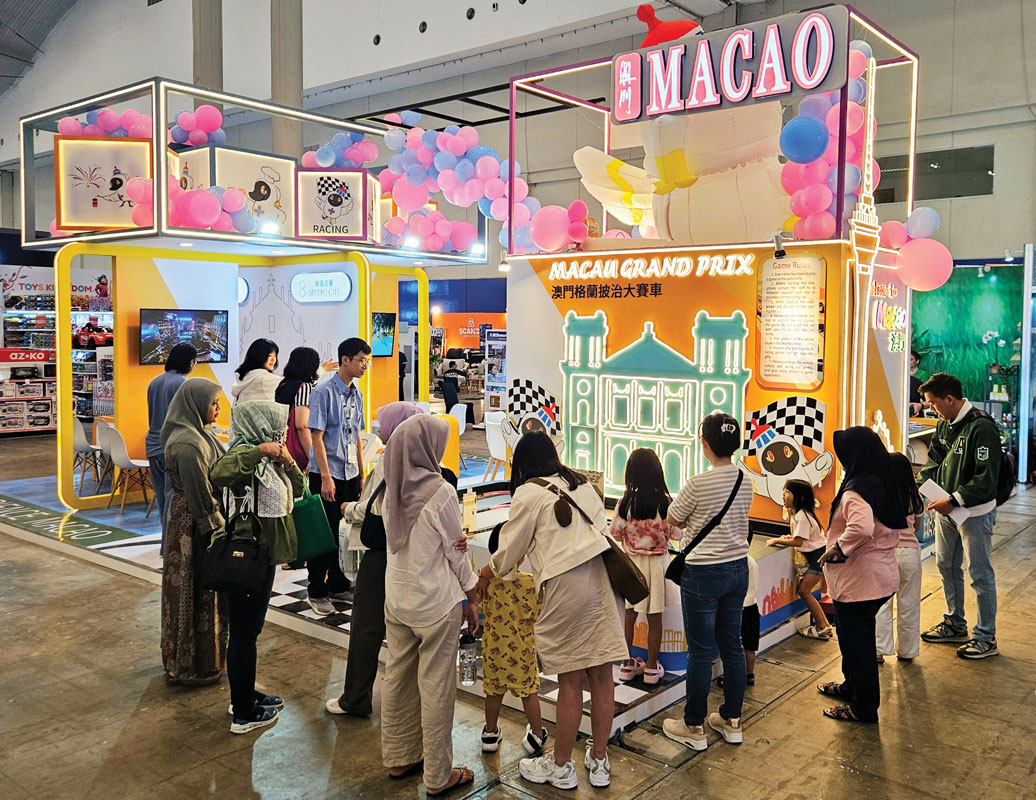
The office is working to enhance Macao’s international profile through attending major travel conventions and holding its own “Experience Macao” roadshows in priority markets across Southeast Asia, North Asia, Europe and the Middle East. These multi-day events tend to draw significant footfall and media attention, blending cultural showcases, live performances, booking incentives and business matchmaking.
June’s roadshow in Bangkok, Thailand, for instance, welcomed over 175,000 spectators and resulted in more than 1,000 bundled travel package sales worth some 1.6 million patacas. Another recent roadshow in South Korea’s capital, Seoul, attracted 120,000 attendees. That one targeted Millennial and Gen Z travellers by presenting Macao as a romantic, whimsical destination full of unique culinary experiences. South Korea is Macao’s biggest source of foreign visitors and they tend to spend a relatively long time in the city, averaging 2.2 days.

Each roadshow aims to demonstrate the breadth of Macao’s tourism offerings, while building ties with travel agencies, airlines and media. They also promote Macao’s designation as a 2025 Culture City of East Asia, an honour recognising regional cultural leadership.
What’s on offer?
While Macao is known for its sprawling integrated resorts – which bundle luxury hotels, fine dining, shopping, entertainment and leisure under one roof – the city has been steadily diversifying its tourism portfolio. Many of the resorts themselves cater to family holidaymakers and business travellers, housing the likes of water parks, performance venues and state-of-the-art convention centres.
The city’s ever-expanding array of cultural, culinary and historical attractions also reflect its evolving tourism identity – of which Macao’s UNESCO-listed Historic Centre is at the heart. This walkable cluster of heritage architecture encompasses Chinese temples, Baroque churches and majestic civic buildings that speak to centuries of East–West exchange. In addition, Macao is a UNESCO Creative City of Gastronomy, with an increasing focus on sustainability emerging across its many and varied kitchens. The city is home not only to a unique fusion cuisine, but some of the finest Michelin-starred restaurants in the region.
Then there’s its packed arts and culture calendar. Night after night, large-scale residency shows like The House of Dancing Water and Macau 2049 wow audiences with their cutting-edge stagecraft and immersive storytelling. Concerts by regional superstars like Jacky Cheung also draw significant crowds. Museums and galleries are becoming increasingly ambitious and innovative, blending art and technology to engage a wider audience. Meanwhile, large-scale festivals including the now-running Macao International Art Biennale (known as Art Macao) and the annual Macao International Parade celebrate the city’s vibrantly multicultural character, alongside a whole host of local festivities.
Sport is gaining ground as a tourism pillar. The iconic Macau Grand Prix – a street circuit race with more than 70 years of history – remains the flagship event, and is complemented by a dedicated Grand Prix Museum. Other sporting highlights include the World Table Tennis (WTT) Champions Macao and international sailing regattas. This year, Macao will co-host the 2025 National Games for the first time, underscoring its growing stature in China’s sports tourism landscape.
Fresh strategies, bold ambitions
With Macao’s tourism rebound nearly back to pre-pandemic levels, officials are sharpening their focus on the future. At its first plenary meeting of 2025, held in July, the Tourism Development Committee outlined an ambitious agenda for the second half of the year, with members proposing strategies to build a more dynamic and resilient tourism ecosystem. Key topics included proposed revisions to the Macao Tourism Industry Development Master Plan, first released in 2017. Suggestions focused on further expanding visitor sources, deepening regional tourism integration, and embracing innovations powered by artificial intelligence.
Macao’s drive to modernise its tourism framework while enhancing its global appeal reflects a broader ambition: to position itself as a model for diversified, sustainable tourism in China’s Greater Bay Area.
Spotlight on Sustainable Gastronomy
Gastronomy has long been central to Macao’s identity and its tourism appeal. This is clearly expressed by the city’s own Macanese kitchen, widely regarded as one of the world’s first fusion food traditions. But Macao’s culinary offering goes far beyond that, with fine dining spanning contemporary French, traditional Portuguese and refined Chinese regional specialties.
For a city of fewer than 700,000 residents, Macao punches well above its weight – boasting one of the highest per capita concentrations of Michelin-starred restaurants globally. UNESCO recognised this culinary richness in 2017 by naming Macao a Creative City of Gastronomy. The title reflects not just its depth of local tradition, but a commitment to innovation, cultural exchange and sustainability.
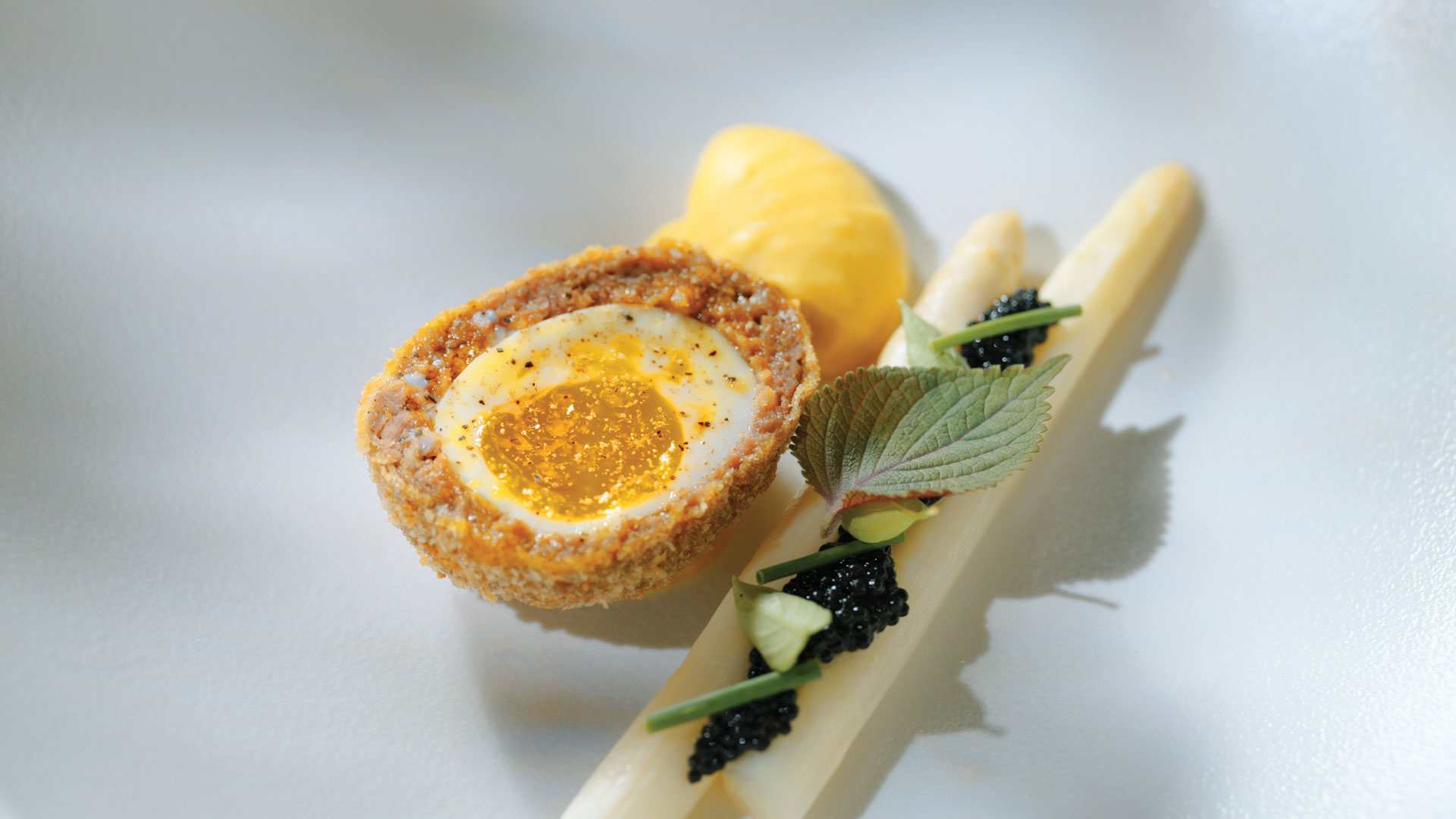
According to MGTO’s director Helena de Senna Fernandes, the designation strengthens Macao’s tourism brand, putting it in the same league as global food capitals like France’s Lyon, Osaka in Japan and Sichuan Province’s Chengdu. Indeed, many tourists arrive eager to try authentic Macanese cuisine, sample the city’s mouthwatering street food, and experience its exquisite high-end restaurants. These kinds of travellers view a city’s food scene as “an expression of culture,” she says.
Beyond tourism, the title has wider community value. “It makes [residents] feel that there is a possibility to make a living out of gastronomy … that gastronomy can help the city to move forwards in terms of its creativity,” Senna Fernandes explains.
Sustainability at the Forefront
With travellers increasingly drawn to destinations that offer authentic and environmentally responsible experiences, Macao’s growing emphasis on sustainable gastronomy enhances its appeal as a forward-looking destination for foodies.
Sustainable gastronomy looks at not just what’s on the plate, but how it got there – from sourcing and production to waste and carbon impact – along with its social impacts. MGTO actively supports such efforts, in line with the city’s status as a UNESCO Creative City of Gastronomy and its commitment to the UN Sustainable Development Goals.
Adapting sustainable practices in a compact city with little arable land presents challenges, Senna Fernandes acknowledges. Still, Macao’s hospitality sector recognises the environmental and economic value of going green. This fact is demonstrated through intense competition each year for the government-backed Macao Green Hotel Awards, which reward waste and emissions reductions.
Leading by Example at the Macao University of Tourism
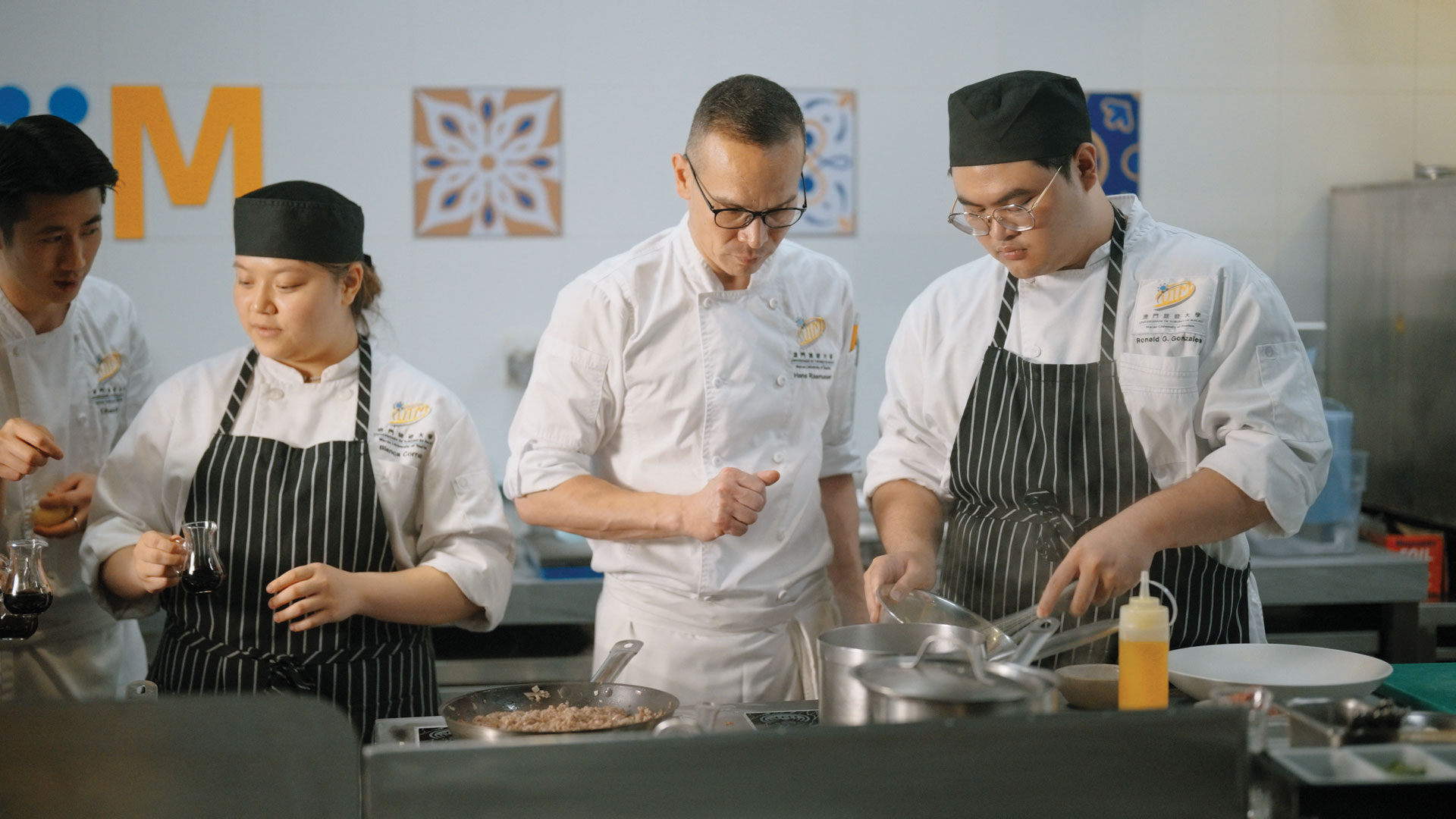
Sustainability is entrenched daily practice at the Macao University of Tourism (UTM), especially at its Michelin Green Star-winning Educational Restaurant. The restaurant not only serves up some of the city’s best Macanese and Western fare, but trains the next generation of hospitality professionals.
Chef Hans Rasmussen, a Macao-born culinary expert raised in Denmark, leads the restaurant’s sustainability efforts. He follows an “earth-to-table” approach: harvesting herbs and vegetables directly from the on-site garden, sourcing other ingredients regionally and ethically, and designing seasonal menus.
Technology plays a key role too. An AI-powered waste tracking system provides real-time data to help reduce waste through smarter menu planning and portion control. The restaurant also adheres to ISO 14000 environmental standards, focusing on energy, water and pollution efficiency.
“There’s a lot of common sense involved,” explains Rasmussen, who believes sustainability and cost considerations often align. “The basics are very achievable: always use as much of an ingredient as you can, don’t overuse cling film, and if you’re not using the stove, switch it off.”
Herbs and Hope
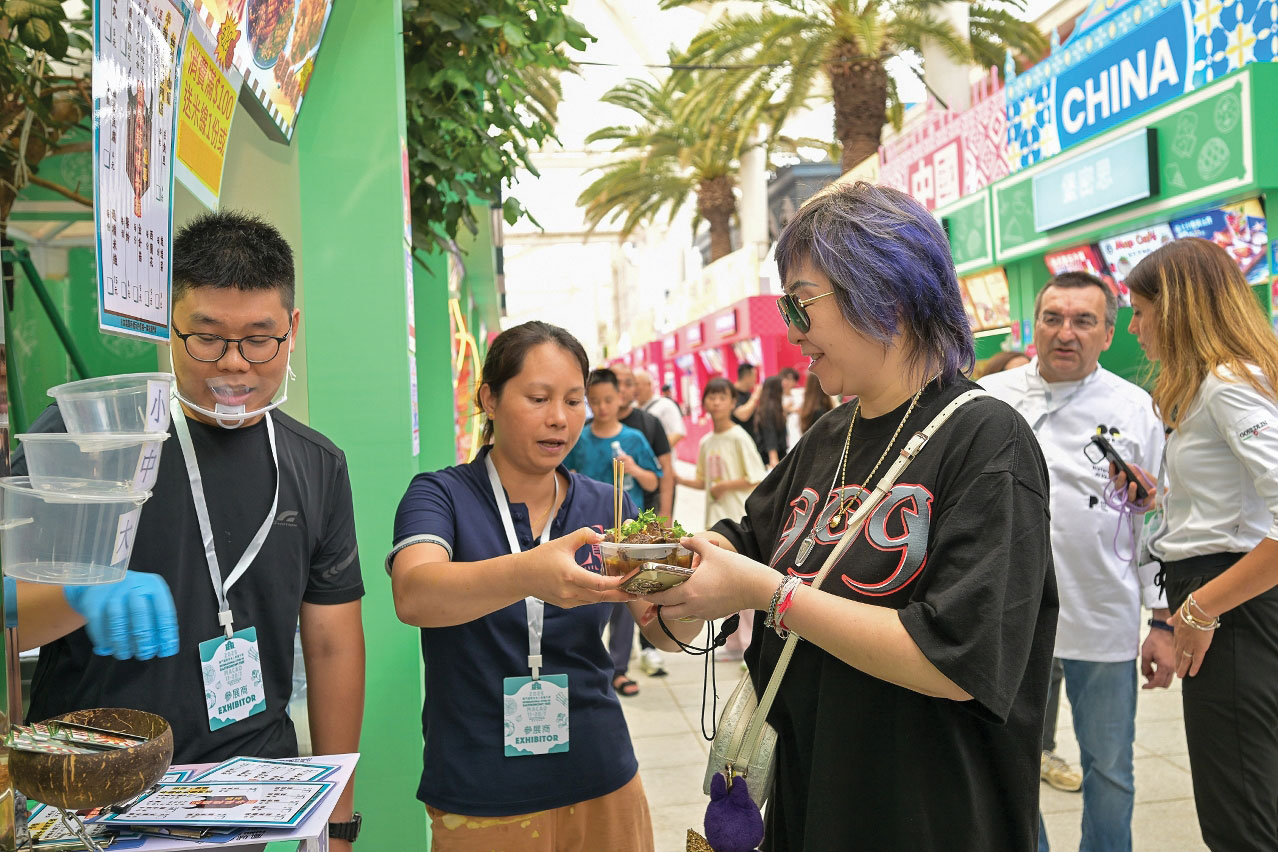
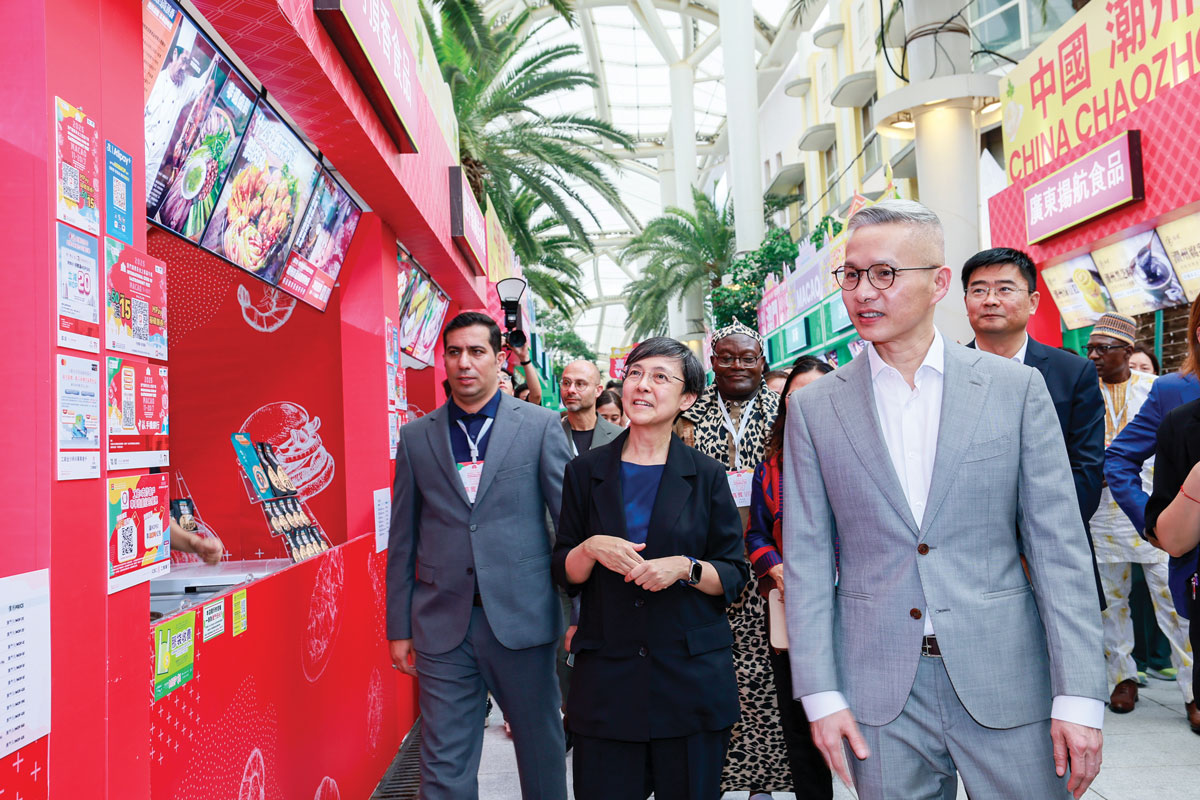
In July, Macao hosted its second annual International Cities of Gastronomy Fest, organised by MGTO at Macau Fisherman’s Wharf. Featuring more than 100 food stalls and lively exchanges between top regional chefs, the events drew crowds of about 100,000 participants over 9 days.
This year’s theme, “Spices and Herbs”, paid homage to Macanese cuisine’s roots along the 16th-century spice route. “We’re talking about bringing traditions out of Portugal, and passing them through Africa, India, Malacca and Southeast Asia, before actually arriving in Macao,” Fernandes explains. “[On the way] we picked up a lot of spices, a lot of different kinds of herbs – particularly those ingredients from China – put them together, and that has resulted in what we call Macanese cuisine.”
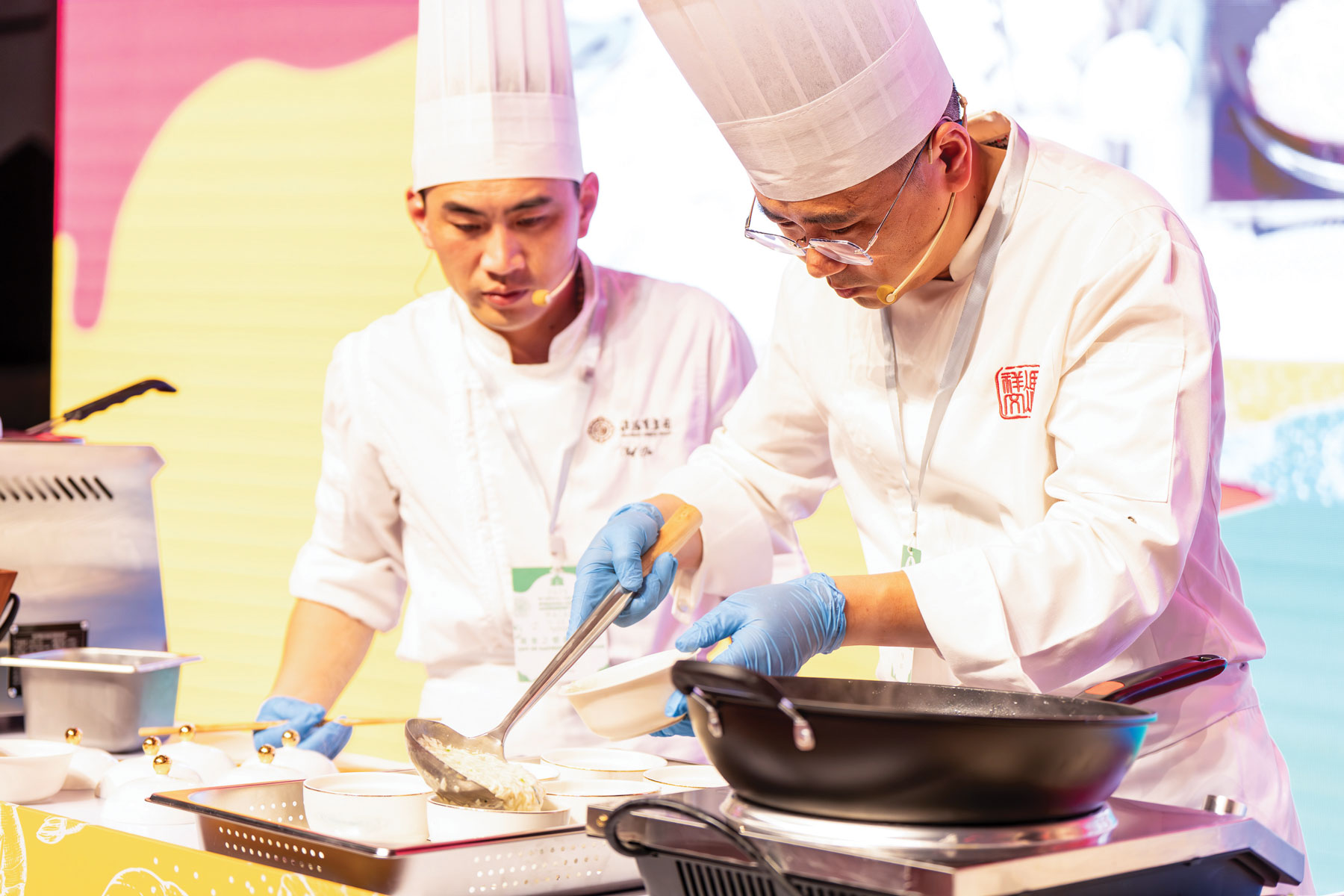
The route also serves as a metaphor for the kind of cultural exchange the festival promotes through culinary showcases and dialogues – including on the subject of sustainable gastronomy. Asked how she envisions Macao’s future in this area, Senna Fernandes describes a society-wide food culture that eats according to the seasons, minimises food waste and “respects traditions that have been handed to us through generations.”
As chef Rasmussen puts it, “sustainable gastronomy is not just a fancy word for food, but the most simple expression for the link between food, communities, culture and history.”