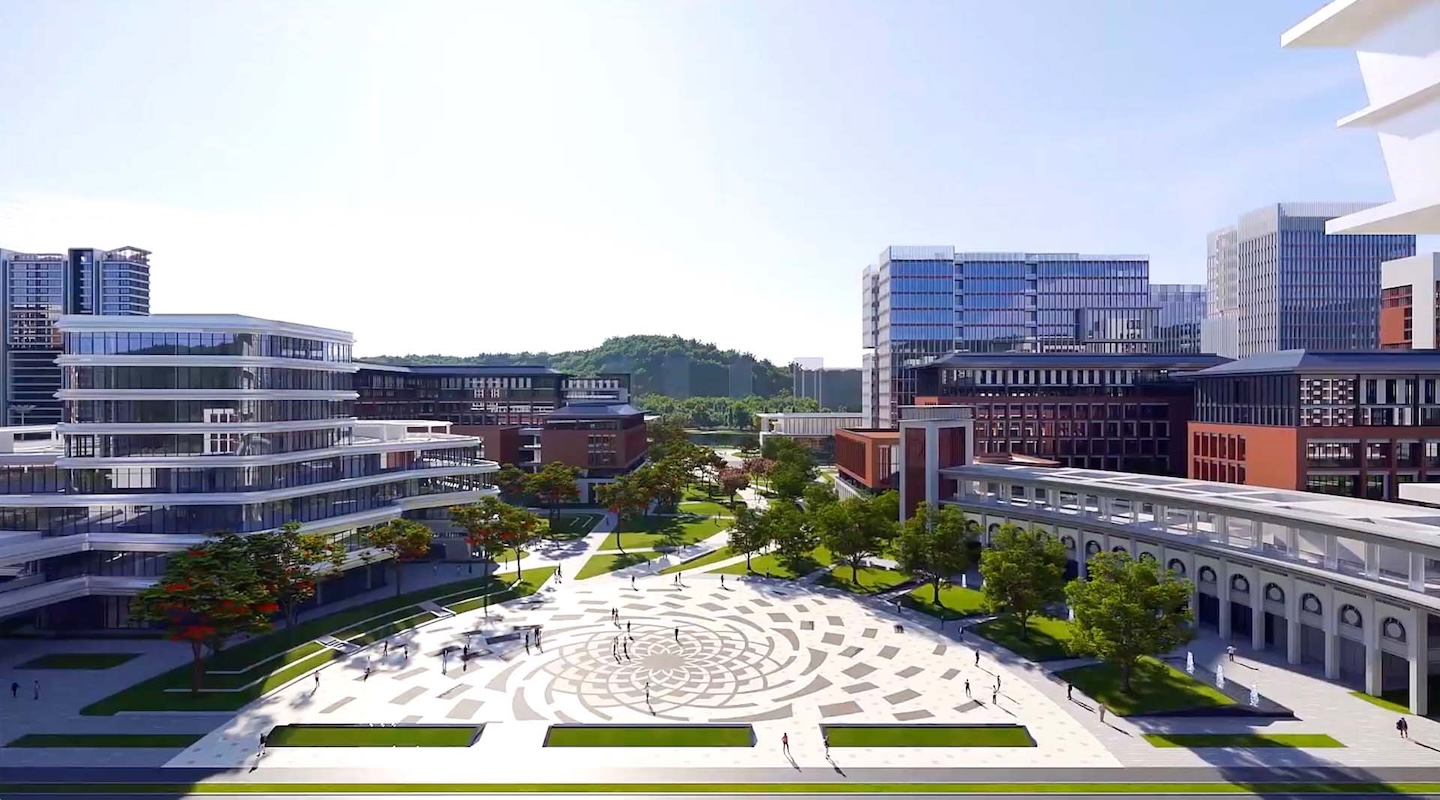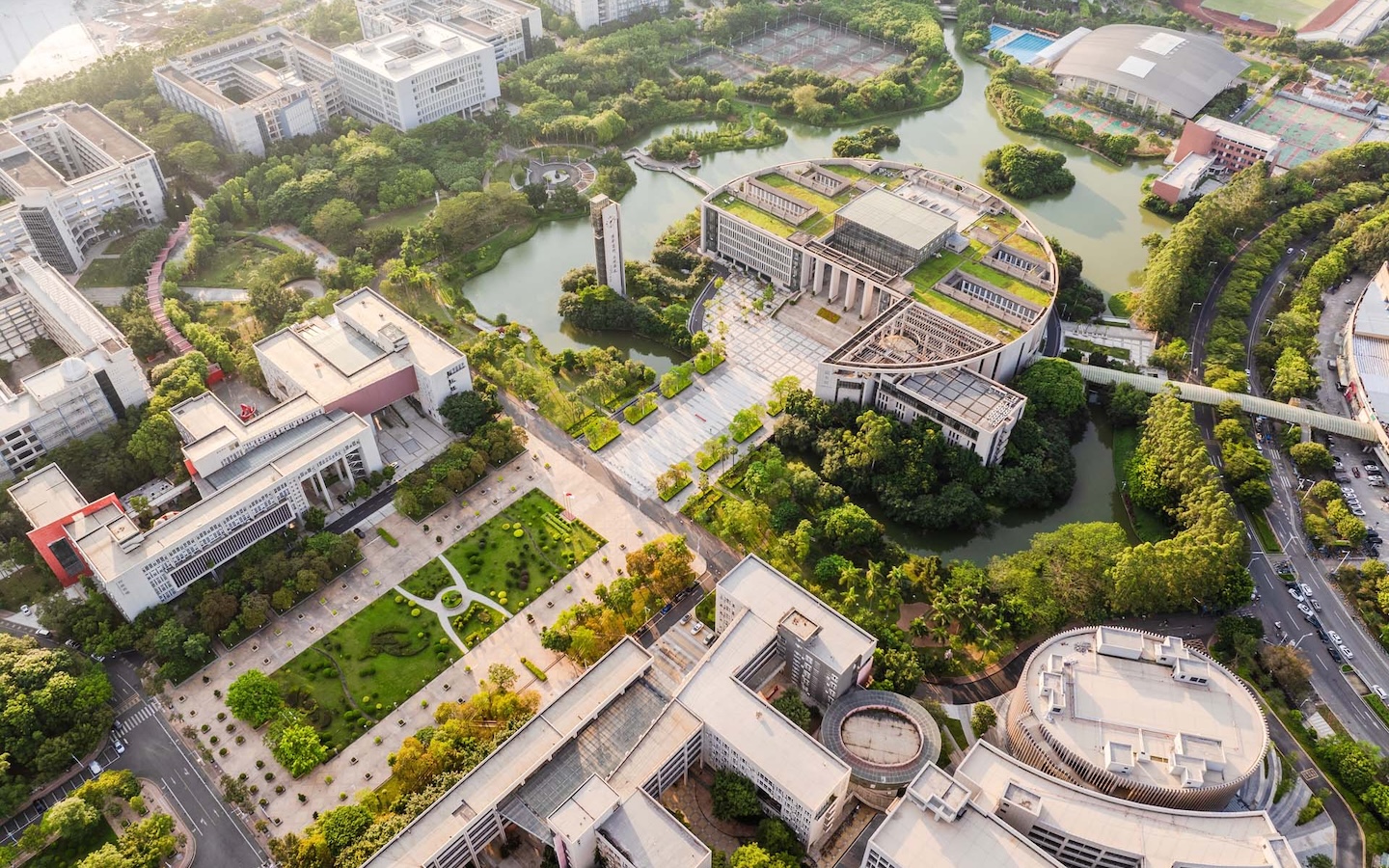
In less than two decades, higher education cooperation between Macao and Hengqin has shifted from a pragmatic response to land scarcity to a far-reaching experiment in cross-boundary academic integration. What began as an effort to expand physical campus space has evolved into a broader model encompassing research collaboration, industry partnerships and new forms of education governance under the “One Country, Two Systems” framework.
The initial turning point came in June 2009, when the Standing Committee of the National People’s Congress authorised the Macao Special Administrative Region (MSAR) Government to lease land-use rights on Hengqin Island for a new University of Macau (UM) campus. Under the arrangement, the land would be administered under Macao law. The MSAR Government paid 1.2 billion patacas for a 40-year lease, running until 2049, and funded the construction of the 10.2 billion-patacas campus.
At the time, there was no recent precedent for a parcel of land on the Chinese mainland being placed under a different legal jurisdiction in this way. For UM, the decision meant a complete relocation from its Taipa campus to Hengqin, involving the transfer of more than 10,000 students and staff, some 650,000 books and around 60 laboratories.
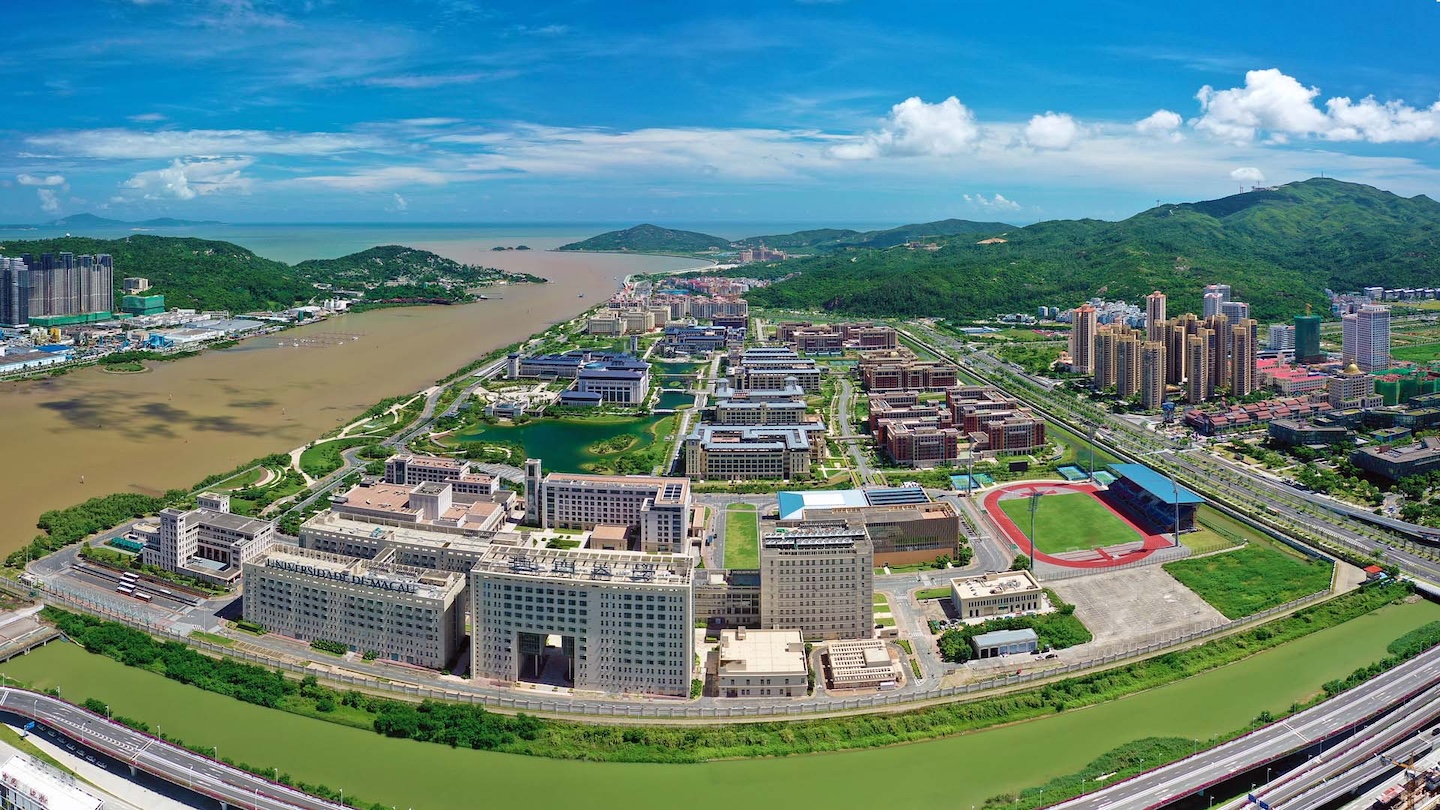
To facilitate access from Macao, an underwater tunnel was built, allowing passage without the usual immigration checks between Macao and the Chinese mainland. Concrete barriers physically separated the campus from the rest of Hengqin, a configuration that led to the campus having its own fire and police stations, as well as a dedicated internet connection linked to Macao. The new campus officially opened in November 2013, covering approximately 1.1 square kilometres, around 20 times the size of UM’s former site in Taipa.
Addressing constraints
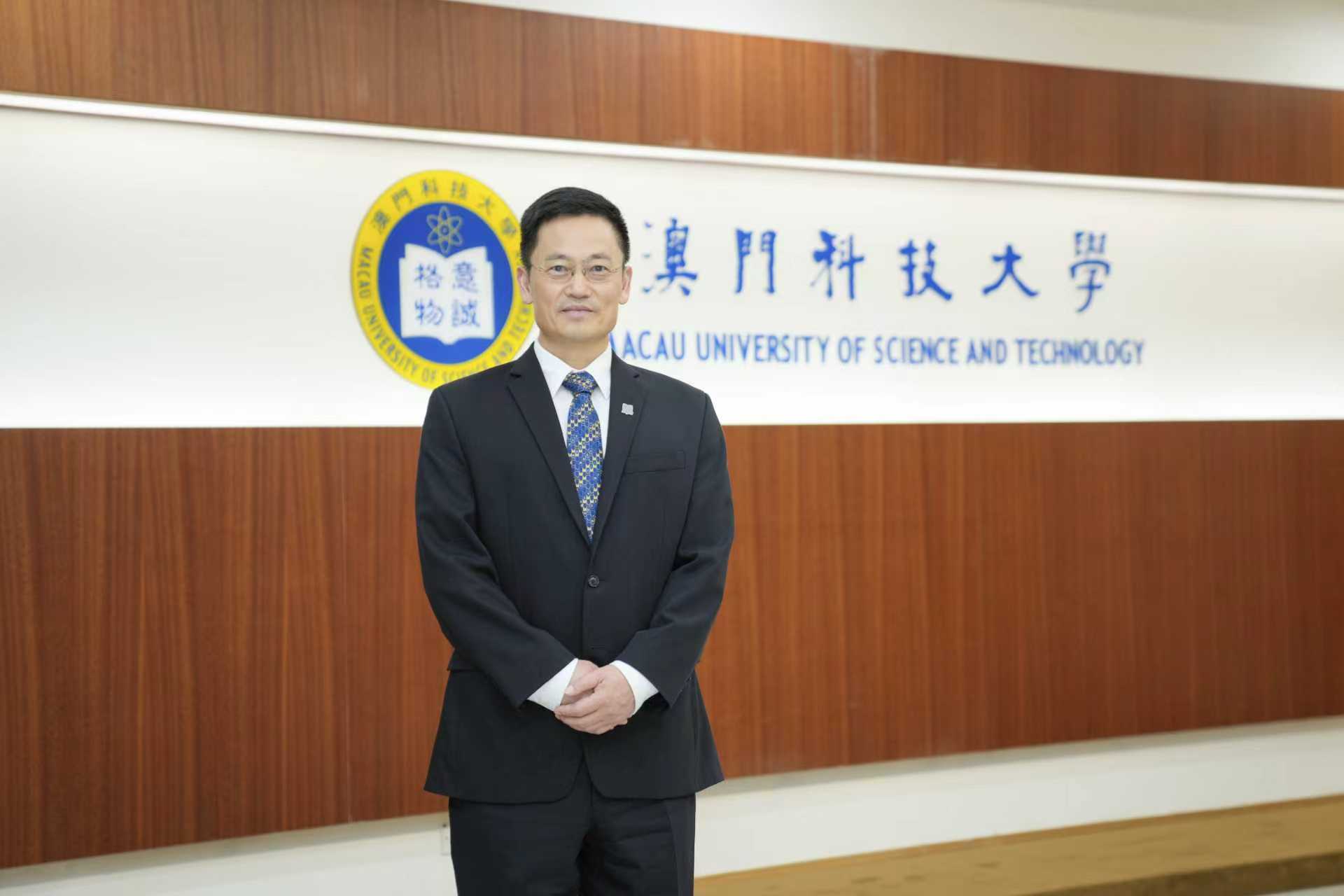
According to Professor Zhu Jian-Kang, who was appointed president of the Macau University of Science and Technology (MUST) in January, cooperation between Macao and Hengqin has progressed “from policy conception to practical implementation through several key stages”, driven by what he describes as the structural complementarity between Macao’s development needs and Hengqin’s geographical advantages.
Reflecting on the impact of UM’s relocation, Prof. Zhu identifies three principal outcomes. First, teaching space and research facilities were significantly enhanced, strengthening the university’s capacity to attract international talent. Second, the expanded campus created scope for the development of emerging and interdisciplinary fields. Third, the project established a new model of cross-boundary higher education cooperation under the “One Country, Two Systems” principle, which, he told Macao Magazine, provided both institutional safeguards and a reference pathway for other Macao universities seeking to extend their operations to Hengqin.
In its initial phase, however, Macao-Hengqin cooperation in higher education “was largely limited to resolving UM’s space constraints”, Prof. Zhu noted. Over time, the gradual relocation of additional educational resources from Macao to areas of Hengqin under Chinese mainland jurisdiction allowed for more systematic integration, laying the foundations for a new stage of collaboration.
That trajectory was highlighted in the Master Plan for the Development of the Guangdong–Macao Intensive Cooperation Zone in Hengqin, released by the national authorities in 2021. The document called for the establishment in Hengqin of “high-standard industry-academia-research demonstration bases” by Macao higher education institutions, positioning the Cooperation Zone as an “important pivot” for international scientific and technological innovation within the Guangdong-Hong Kong-Macao Greater Bay Area.
Two years before, in 2019, UM had already launched its first industry–academia collaboration body in Hengqin through the Zhuhai UM Science and Technology Research Institute (ZUMRI), located outside the campus perimeter. Through ZUMRI, the university established three branches of its state key laboratories on Hengqin, specialising in Chinese medicine, microelectronics, and the internet of things for smart cities. In 2023, the Hengqin University of Macau Advanced Research Institute was established.
Other higher education institutions followed a similar path. The Macao University of Tourism (UTM) established the UTM Hengqin Training Base in 2019 in partnership with local authorities, focusing on professional training and tourism service standards, and added a vocational practice centre the following year. MUST, meanwhile, set up branches of its state key research laboratories in Chinese medicine and lunar and planetary science at Hengqin’s MUST Innovation Technology Research Institute, launched in 2020.
Commenting on MUST’s submission of an application at the end of 2024 to extend its operations to Hengqin, Prof. Zhu cautioned that the move alone does not signal the arrival of a new phase of integration. He described it instead as “an important component of a broader trend”. The critical milestone, he argued, would be formal approval by the MSAR Government for Macao higher education institutions to expand their educational activities within the Cooperation Zone, as envisioned under the proposed Macao-Hengqin International Education (University) Town. Such approval would mark a shift in emphasis from “research collaboration” to a more comprehensive model integrating “talent development, research innovation and industry alignment”.
Looking back over nearly two decades, he argues that the most significant achievement lies not only in expanded physical capacity, but in “forging an innovative pathway for cross-boundary higher education integration”. These developments, he said, have injected new momentum into Macao’s higher education sector while testing, at a national strategic level, the feasibility and resilience of cross-boundary regional coordination under the “One Country, Two Systems” principle.
Differentiated development
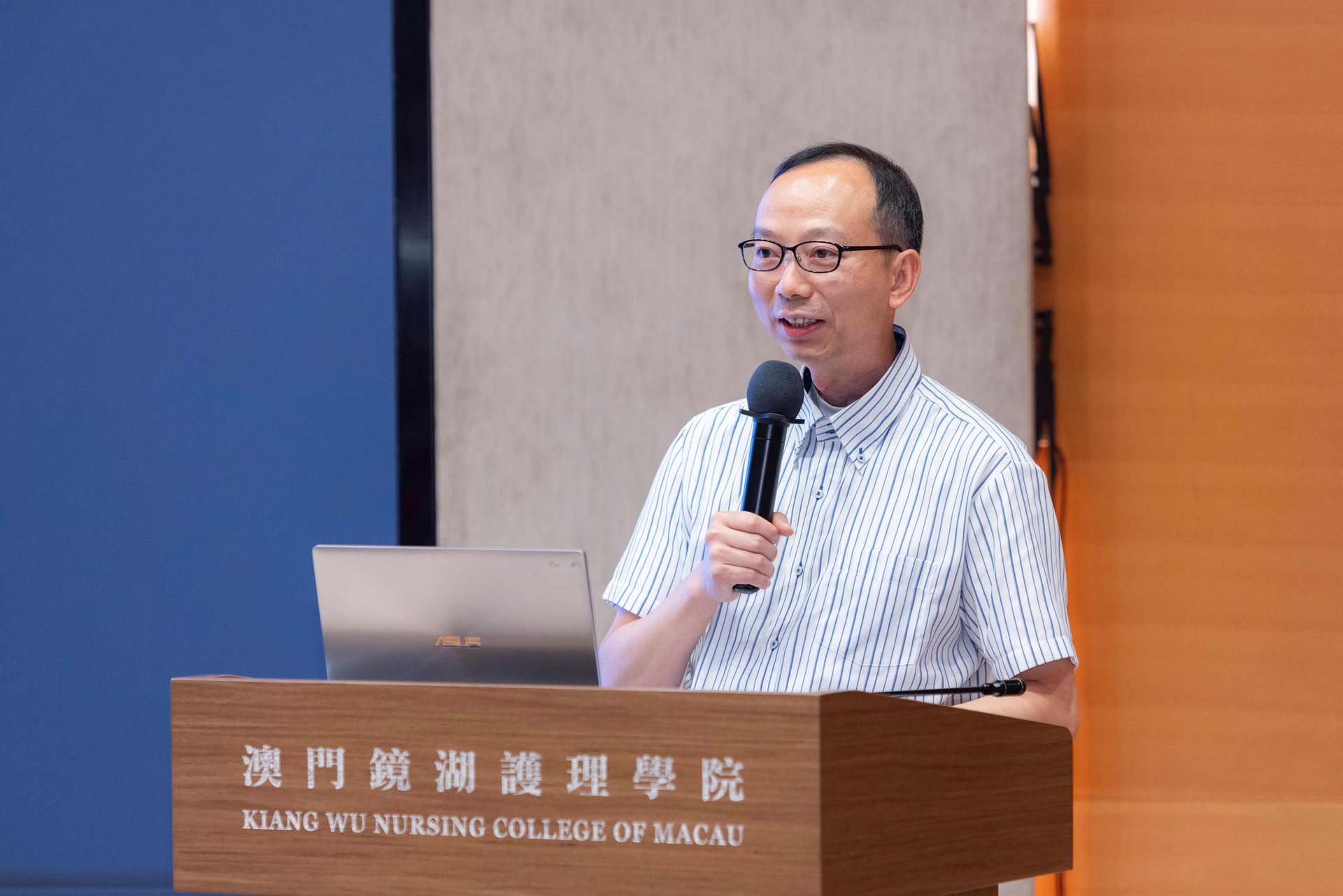
For Professor Lam Fat Iam, a member of Macao’s Legislative Assembly and dean of the Faculty of Humanities and Social Sciences at Macao Polytechnic University, the roots of Macao-Hengqin higher education cooperation lie in the city’s physical limitations, coupled with Hengqin’s availability of land and supportive policy environment.
The opening of UM’s Hengqin campus in 2013, he told Macao Magazine, carried multiple symbolic meanings. It marked the first time a Macao university “expanded a physical campus within a Guangdong–Macao cooperation platform, while also increasing the university’s education scale and research capacity”. At the same time, it “strengthened the influence of Macao’s education sector across the Guangdong-Hong Kong-Macao Greater Bay Area, at the national level and internationally, helping to build trust and cooperation between Guangdong and Macao”.
Following the campus’s inauguration, Prof. Lam observed a clear shift in the cooperation model. “What had initially centred on the establishment of a single large campus by one institution evolved into a more diversified, multi-institutional and flexible approach,” he said.
“Cooperation increasingly focused on research collaboration, industry incubation and professional training, characterised by Macao universities directly setting up institutes and parks within the Cooperation Zone in Hengqin, thereby facilitating research commercialisation and two-way talent mobility.”
Viewed from a broader Greater Bay Area perspective, Macao-Hengqin higher education cooperation plays several roles, Prof. Lam argues. It acts as a bridge linking Macao with the Chinese mainland, supports complementarities between specialised academic disciplines and regional industrial needs, and enhances international education exchanges. Macao’s links with Portuguese-speaking countries, he adds, could be further amplified through the Hengqin platform.
Compared with similar initiatives elsewhere in the Greater Bay Area, Prof. Lam emphasises the distinctiveness of the Macao-Hengqin model. “It operates under the ‘One Country, Two Systems’ framework, with UM’s Hengqin campus governed by Macao law – a rarity among mainland university towns – and enjoys a higher degree of institutional flexibility.”
This singularity, Prof. Lam acknowledges, is not without challenges. These include “operational complexity arising from legal and institutional differences” between Macao and Hengqin, “barriers to talent movement”, “mismatches between academic disciplines and market demand”, and the potential impact of future changes in Chinese mainland student recruitment patterns.
The planned Macao-Hengqin International Education (University) Town, he said, is expected to benefit from greater policy latitude in joint education provision than any other similar initiative on the Chinese mainland. “These factors underpin its unique position, enabling it to stand out within the Greater Bay Area’s education landscape and potentially form a tripartite structure alongside the eastern Guangdong–Hong Kong–Shenzhen university cluster and the Guangzhou-centred higher education hub.”