For decades, China was synonymous with manufacturing scale rather than brand power. From electronics to apparel and household goods, products stamped “Made in China” were often exported as low-cost commodities or sold under foreign labels. That perception is now shifting, as a new cohort of Chinese companies seeks to build global identities of their own.
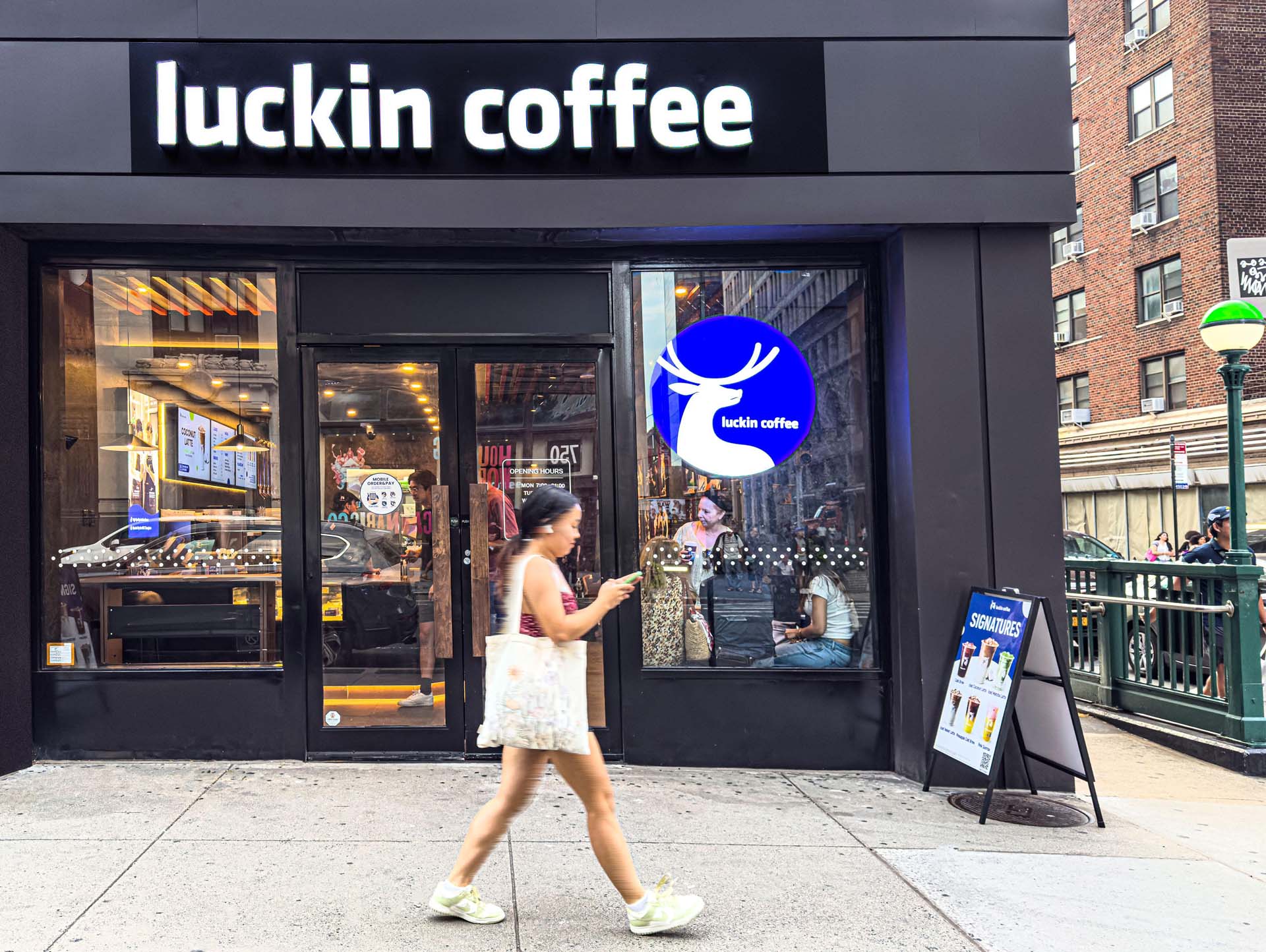
Today, shoppers in cities such as New York City or Paris can step into a store run by Urban Revivo and browse its trend-led collections. They might then stop for a cappuccino at Luckin Coffee, which recently opened an outlet in Manhattan, before heading home in an electric vehicle made by BYD.
According to Professor Matthew Liu Ting Chi, from the Faculty of Business Administration at the University of Macau, China’s accession to the World Trade Organisation in 2001 marked the beginning of a profound transformation. Over a quarter of a century, the country has evolved from a “manufacturing giant” into a “manufacturing powerhouse”.
This shift, he argues, reflects a move beyond the traditional “Made in China” model towards “Intelligent Manufacturing in China” and “Quality Manufacturing in China”. Where earlier growth relied heavily on labour-intensive production and cost advantages – often with firms operating as original equipment manufacturers (OEMs), producing for third parties – the new model places far greater emphasis on innovation, marketing and brand identity.
“Intelligent Manufacturing in China”, Prof. Liu explains, integrates artificial intelligence and information technology to enhance competitiveness, while “Quality Manufacturing in China” focuses on craftsmanship and brand reputation. Together, they support the emergence of higher-value brands with cross-cultural appeal. As Prof. Liu puts it, companies are moving from “functional satisfaction based on cost-effectiveness” to “added value based on meaning and quality”.
Early Chinese brands expanding abroad largely competed on affordability and durability. Today, a new generation is pursuing more sophisticated strategies. Technology firms such as Huawei emphasise innovation and advanced engineering, while retailers such as Pop Mart focus on emotional engagement and aesthetic identity.
This reflects a broader shift in global consumption, particularly among younger consumers. As material abundance increases, so too does demand for brands that offer not just function, but identity, experience and cultural resonance.
Emotional and social value
This transformation is especially visible in the way newer brands connect with their audiences. “Younger consumers have begun to pursue emotional value rather than simple cost-effectiveness,” Prof. Liu said.
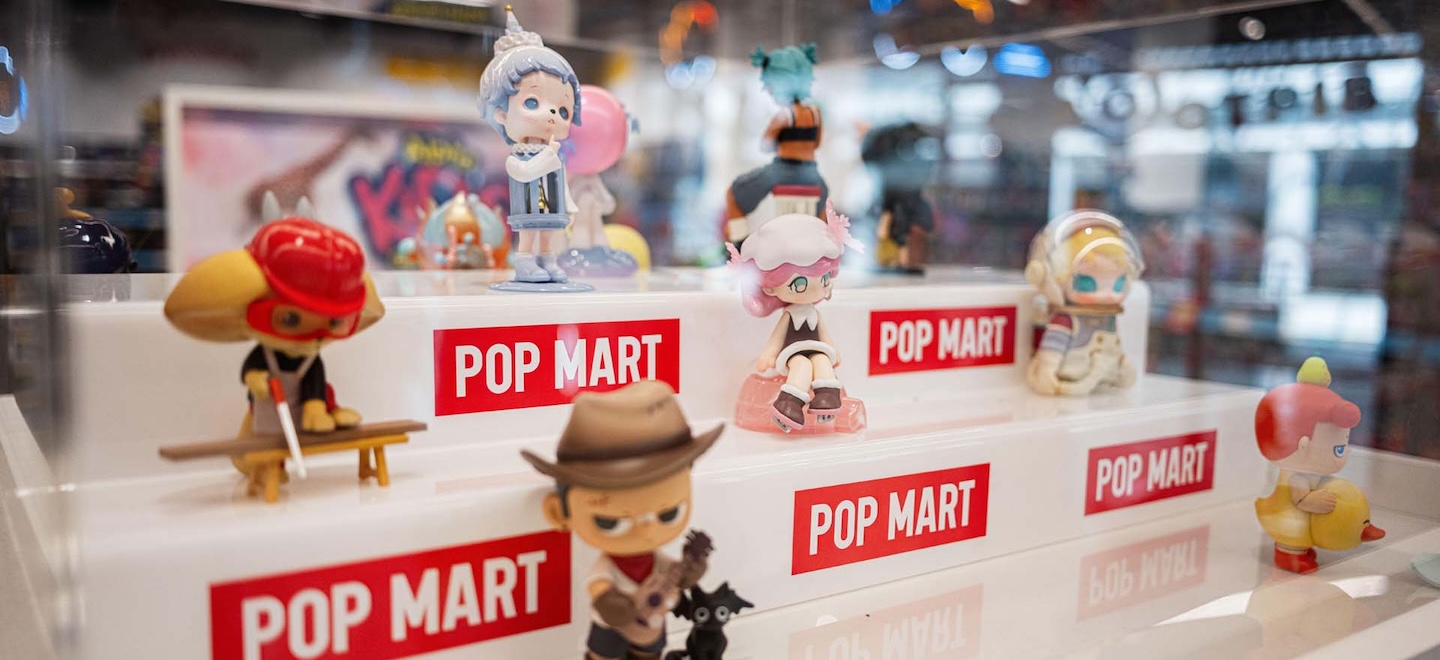
He points to Pop Mart’s “blind box” model as a case in point. Each sealed package contains a random figure from a themed series, turning the act of purchase into a moment of anticipation and surprise. The experience itself becomes part of the product, encouraging collectability and social interaction.
By the end of 2025, Pop Mart operated 185 overseas stores across 19 countries, including 85 in the Asia-Pacific region, 64 in the Americas and 36 in Europe. Last year, it opened its first outlets in Germany, Denmark, Canada, and the Philippines, and established flagship stores in Bangkok and Sydney. The firm’s overseas revenue nearly quadrupled in 2025, surpassing 16 billion yuan.
The rise of the “experience economy” has helped Chinese brands shed the low-cost image that once defined them. Competition is no longer about simple functional claims – “my towel absorbs more water than yours” – but about lifestyle and identity, Prof. Liu notes.
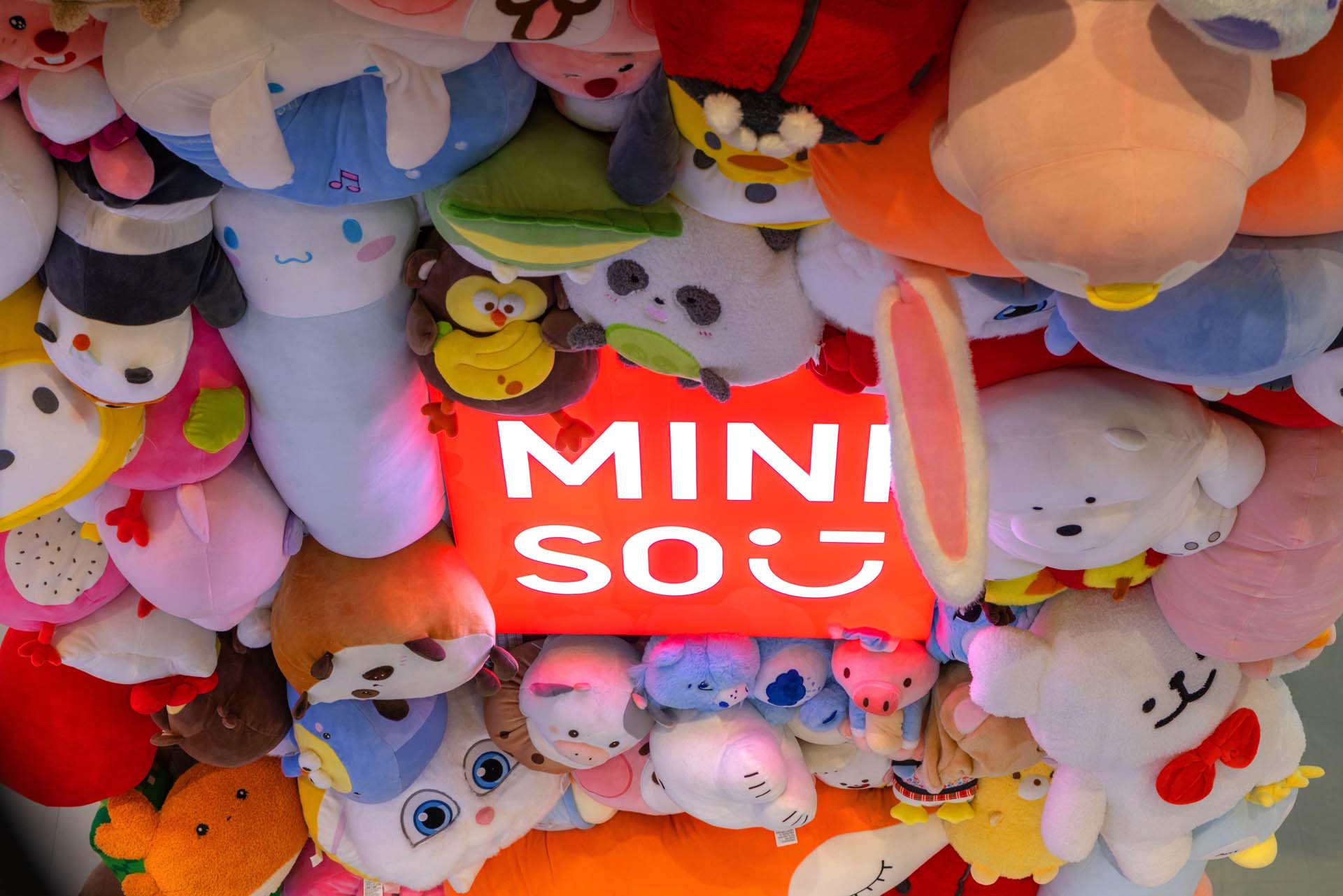
Such transformation can be seen at household and consumer goods retailer Miniso, which has elevated itself through collaborations with companies such as Sanrio and The Pokémon Company, licensing some of the world’s most recognisable characters for its product lines. Once likened to a “10-yuan store”, it now emphasises design and emotional connection. By mid-2025, it operated more than 3,300 outlets outside the Chinese mainland, with overseas revenue rising 29.4 percent in the first half of the year, to more than 3.5 billion yuan.
Other brands are also experimenting with ways to translate cultural appeal across borders. Beverage retailer HeyTea has partnered with French luxury brand Fendi, while emerging player Whoa Tea is positioning its outlets as social spaces tailored to local markets – for instance, in Saudi Arabia.
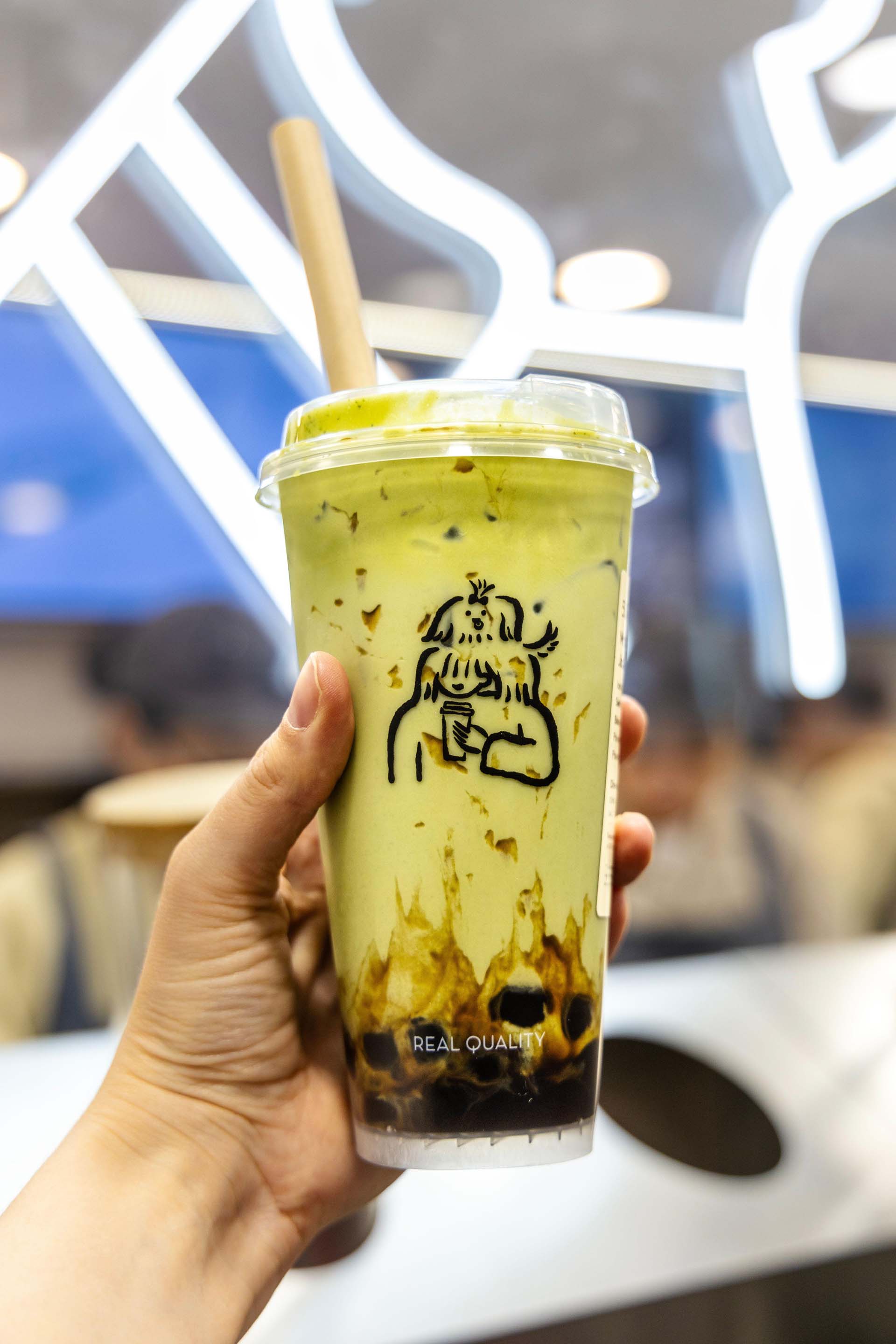
Beverage retailer Luckin Coffee has also been prioritising quality and brand development as part of its international expansion strategy. Last year alone, the company opened 30 new stores in Singapore, 70 in Malaysia and nine in the United States.
As Prof. Liu observes, “when the brand itself becomes a value output, a quality declaration, or even an aesthetic symbol, it gains higher evaluation and pricing power”.
A new image
For many Chinese retailers, Southeast Asia has served as a natural first step in overseas expansion. Cultural proximity, familiar consumer preferences and close links to existing supply chains make the region an attractive testing ground before entering more competitive Western markets.
Yet expansion beyond Asia requires more than simply exporting products. Companies must navigate unfamiliar regulatory environments, cultural expectations and consumer behaviours.
Thais Moretz, founder and chief executive of THAE Consulting, has spent years advising firms from China and Brazil on international growth. She says perceptions of Chinese brands are shifting significantly.
“In many cases, Brazilian clients are surprised by the level of sophistication and technology in Chinese products,” she said. “They realise that Chinese companies are no longer competing only on price – many are now competing directly with American and European brands in terms of quality and innovation.”
This shift is evident across industries, from manufacturing to electric vehicles, where European carmakers are increasingly seeking partnerships with Chinese firms to tap into their technological expertise.
This evolving perception has transformed the way foreign businesses approach the Chinese market. According to Ms Moretz, some companies still rely on China for large-scale manufacturing and cost efficiency, while others are increasingly focused on emerging Chinese consumer trends, technological advances, and design innovation.
“In reality, these interests coexist,” she added. “The entrepreneur who wants production volume and competitive pricing still finds China to be a strategic partner. At the same time, there is growing curiosity about Chinese technology, design capabilities and home-grown brands that are gaining global visibility.”
Global brand builders
The international reach of Chinese companies is already visible across multiple sectors. For instance, DJI has established a global reputation in drone technology, while fast-fashion platform Shein has built a vast customer base through its data-driven model.
BYD, meanwhile, has emerged as one of the most remarkable success stories, now leading worldwide electric vehicle sales. The company overtook Tesla last year as the world’s biggest electric automaker.
Chinese service platforms are also expanding. Ride-hailing company DiDi has gained traction in Brazil through its local platform “99”, offering both transport and delivery services.
“In the short term, I believe many Chinese service companies have strong potential internationally,” Ms Moretz said. “Brazilians have discovered that Chinese companies can offer efficient services, competitive pricing and reliable technology.”
She notes that Chinese firms tend to adopt a cautious but deliberate approach to internationalisation. “They often begin by supplying products as OEMs, building experience and capital. Only after developing expertise and market understanding do they invest aggressively in their own brands.”
This pattern, Ms Moretz said, shows a broader business mindset. Chinese brands “do not enter a market expecting to fail,” she explained. “When Chinese entrepreneurs are ready, they invest seriously and commit significant resources to making the business succeed.”
Gaining retail prominence
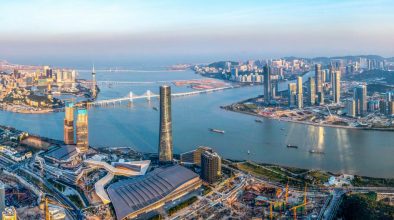
Closer to home, a similar shift is visible in the special administrative regions of Hong Kong and Macao. Once dominated by Western and Japanese labels, premium retail districts in both cities are seeing a growing presence of Chinese mainland brands. Karry Ma, a specialist in integrated resort retail, says this reflects changing consumer tastes and stronger brand positioning.
“In the past, Chinese brands were not very visible in premium retail environments in Macao or Hong Kong,” she said. “But today we see more Chinese mainland brands entering these spaces, and they are doing so with much stronger brand identities and design concepts.”
Integrated resorts and large shopping complexes in Macao and Hong Kong, she argues, provide an ideal platform for these brands to reach international audiences. With millions of visitors passing through each year, they offer a powerful platform for global exposure.
“Retail environments in integrated resorts are highly experiential,” she said. “Consumers are not just shopping – they are exploring, socialising and sharing experiences.”
This has led to a growing emphasis on what Ms Ma describes as “spatial storytelling”, where store design becomes a form of non-verbal communication.
“Spatial aesthetics are essentially a brand’s first introduction,” she said. “Visual environments are one of the fastest ways to bridge cultural and linguistic gaps.”
For many consumers, particularly tourists encountering these brands for the first time, the store itself serves as the primary point of engagement. Retail spaces designed like galleries or exhibition spaces – as seen with Pop Mart – aim to transform shopping into a fully immersive experience.
“In lifestyle and luxury retail today, consumers are not only asking ‘What do I need?’,” Ms Ma said. “They are asking ‘What do I want to experience?’ A space that sparks curiosity and encourages people to stay longer has already achieved the first step in brand engagement.”
Such environments also lend themselves to social media. Distinctive interiors become shareable moments, amplifying brand visibility far beyond the physical store.
“When consumers post photos online, they are not just sharing a product – they are sharing the atmosphere of the brand,” Ms Ma said. “For emerging Chinese brands, this creates a powerful form of organic communication.”
As more Chinese mainland brands establish themselves in Hong Kong and Macao, both cities are increasingly serving as testing grounds – places where retail concepts are refined before being rolled out on a global stage.