The 15th National Games of the People’s Republic of China took place in November across the Guangdong–Hong Kong–Macao Greater Bay Area. Marking a first for the two-week-long National Games, the country’s largest quadrennial sporting gala was jointly staged by all three regions – Guangdong province, the Macao Special Administrative Region (MSAR) and the Hong Kong SAR.
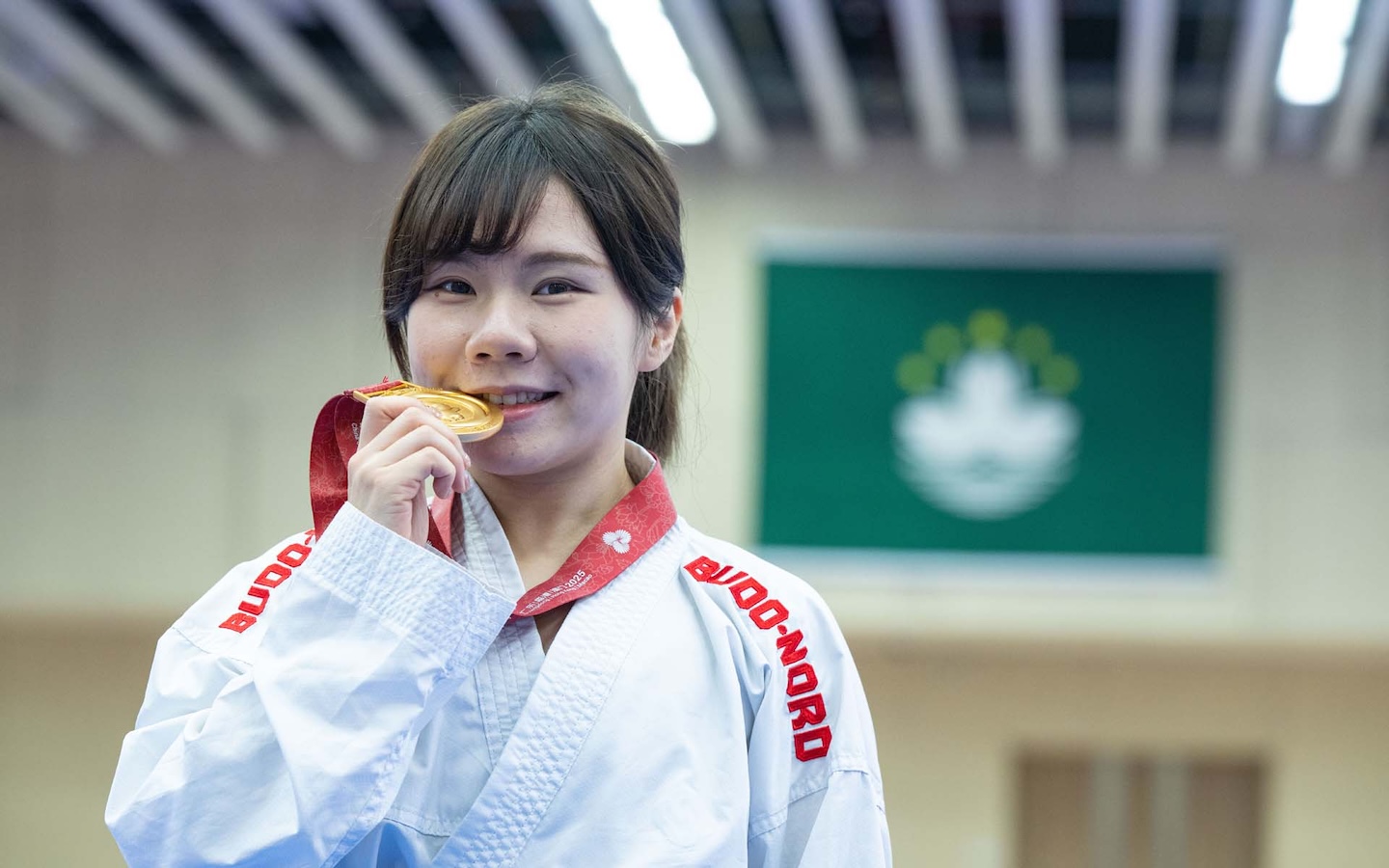
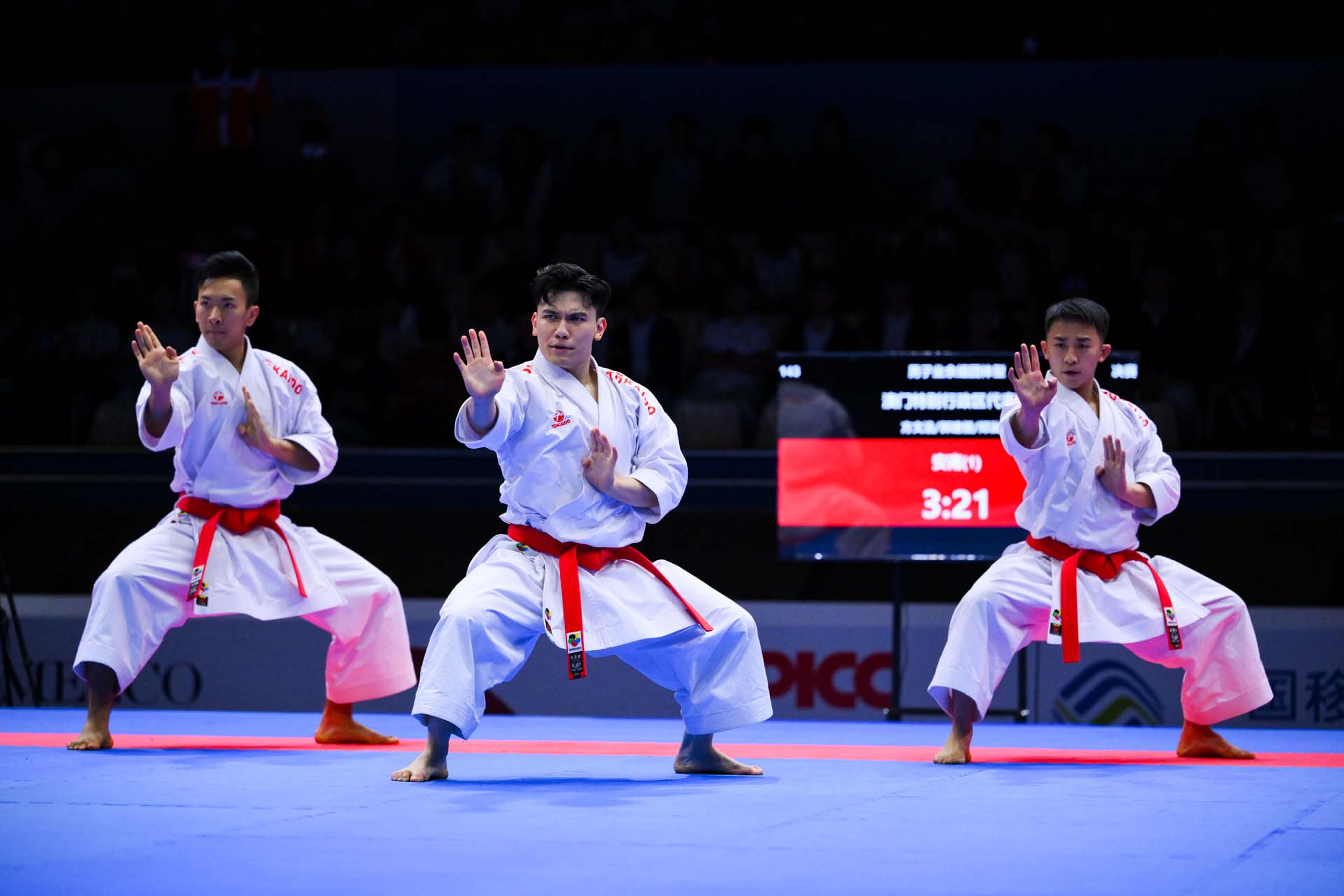
As co-host, Macao not only delivered a seamless programme of events – holding 479 contests and awarding 22 gold medals – but also drew more than 2 million inbound visitors who came both to watch the competitions and for leisure, providing a significant boost to the local economy as well as to sports and cultural exchange. The Macao delegation also excelled on the field of play, winning three gold and two bronze medals, all in karate – the best tally in Macao’s history of any National Games.
Following the co-hosting of the National Games in November, Guangdong, Macao and Hong Kong went on to co-host the 12th National Games for Persons with Disabilities and the 9th National Special Olympic Games in December.
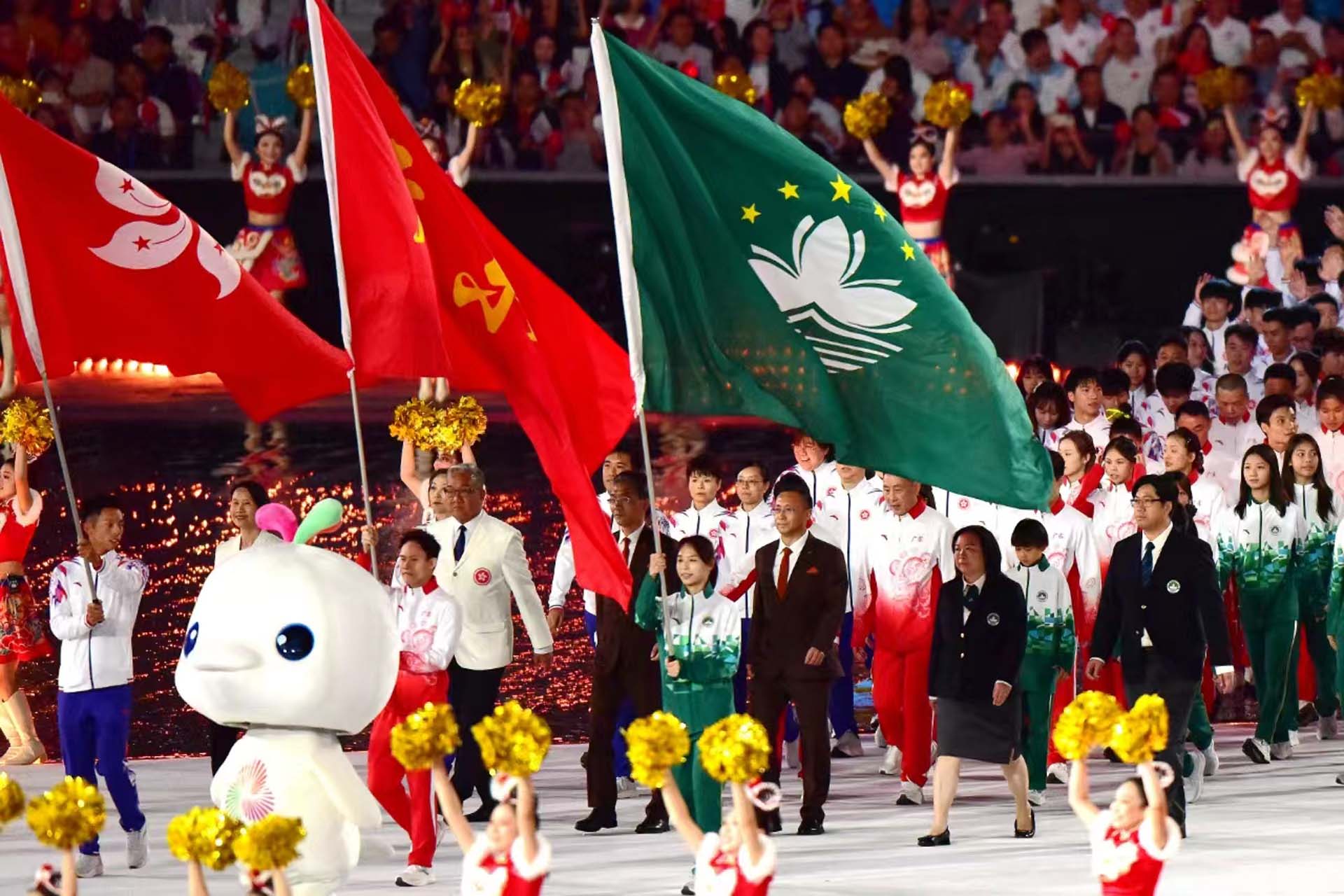
Industry experts interviewed by Macao Magazine say the greatest legacy of these Games for Macao are twofold: the proactive steps taken towards institutionalising sporting collaboration throughout the Greater Bay Area, and the lasting momentum given to refining local sports policies, modernising facilities, and promoting the integrated ‘sports + tourism’ development model.
‘Major turning point’
Ma Chi Seng, a member of the MSAR Legislative Assembly, Secretary-General of the Sports and Olympic Committee of Macau, China, and member of the Macao Sports Council – an advisory body to the MSAR Government – said the National Games represented a major turning point for sporting development in Macao and a platform for raising the city’s overall standards.
“The National Games are the most prestigious, largest, and widest-reaching multisport event in the nation. They provided not just a showcase for elite competition but a genuine chance to elevate the city’s standing,” Mr Ma said. “Our record-breaking haul of three golds and two bronzes has enormously boosted pride and unity among residents, and we hope to convert the competitive spirit of sport and the successes of these Games into lasting impetus for Macao’s future progress.”
The integrated development of the Greater Bay Area is one of the country’s key national strategies. The first joint hosting of the National Games by Guangdong, Macao and Hong Kong was widely regarded as an important ‘dress rehearsal’ for deeper sports cooperation and collaborative governance across the Greater Bay Area.
In November, International Olympic Committee (IOC) Honorary President for Life Thomas Bach stated that the Greater Bay Area has all the necessary conditions and is a strong contender for hosting the Olympic Games. Mr Bach, along with IOC President Kirsty Coventry, attended the opening ceremony of the Games in Guangzhou and toured several venues during the event.
Following the Games, the General Administration of Sport of China, the People’s Government of Guangdong Province, the MSAR Government and the Hong Kong SAR Government jointly signed an agreement to strengthen cooperation in sport and promote integrated development. The four-party agreement – presented as a significant outcome of the joint hosting of the 15th National Games – aims to comprehensively enhance regional exchanges and cooperation including resource sharing, joint use of facilities, co-hosting of events, and collaborative talent development.
‘Professional and highly efficient’
Mr Ma notes that in recent years the Greater Bay Area has made phased progress in “hard connectivity” of infrastructure, “soft connectivity” in rules and mechanisms, and “heart connectivity” among the people. The successful staging of the 15th National Games, he says, is a clear manifestation of the institutional advantages of coordinated regional development under the “one country, two systems” principle.
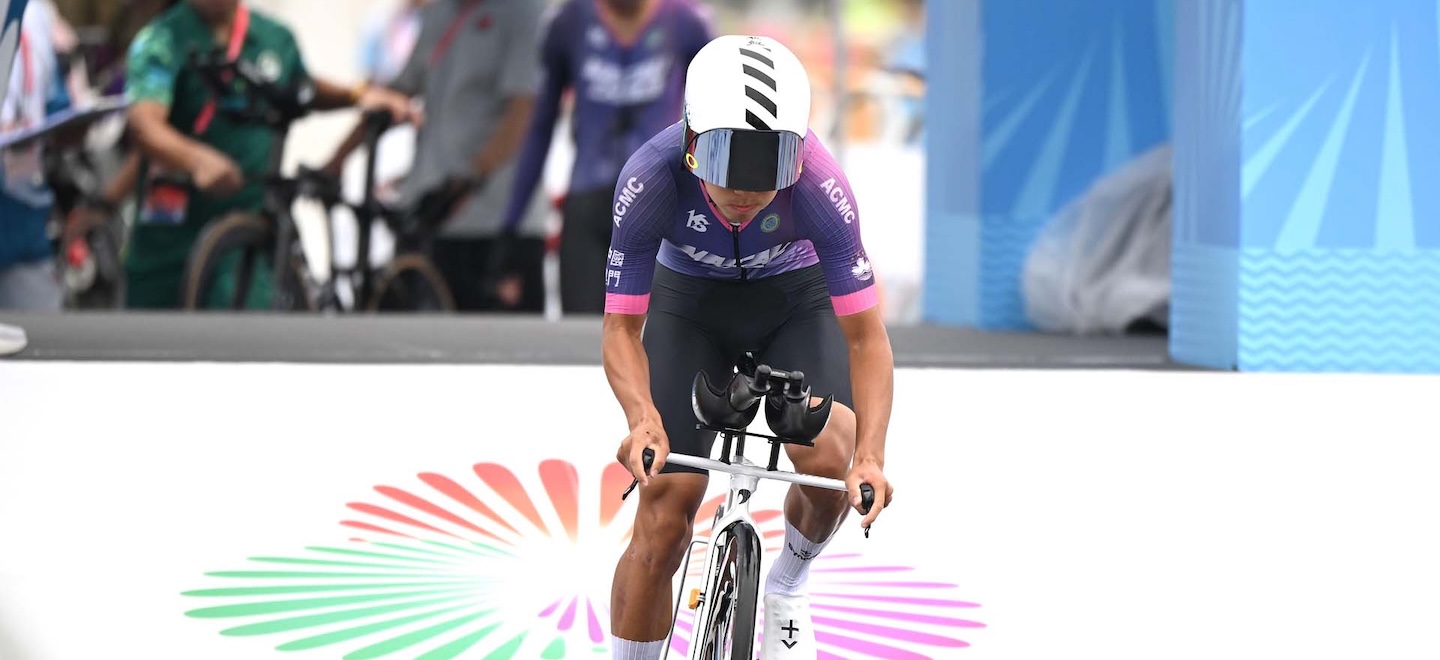
He draws particular attention to the first-ever cross-boundary road cycling race in the National Games, successfully staged through the collaboration of Guangdong, Macao and Hong Kong, pioneering a “frictionless boundary-crossing” model that enabled athletes to cross the Hong Kong–Zhuhai–Macao Bridge checkpoints six times without ever ceasing to pedal. Radio frequency identification readers, connected to the BeiDou Navigation Satellite System, were installed at the checkpoints to instantly record athletes’ wristband signals.
“This achievement is immensely inspiring and has generated precious experience in integrated regional development as we explore new frameworks of ‘one race in three locations, one matter in three locations, one regulation in three locations’,” Mr Ma said.
At the closing press conference of the 15th National Games, the MSAR Government Secretary for Social Affairs and Culture, O Lam – who also served as chairperson of the Macao Competition Zone Organising Committee for the 15th National Games – said Macao had “gained growth and honour from this grand sporting celebration” through its cooperation with Guangdong and Hong Kong. “By bringing high-level sporting events to Macao we’ve seen quite an impressive increase in the number of visitors to the city, proving that ‘sports + tourism’ could be a new attraction for Macao’s economic growth,” Ms O said.
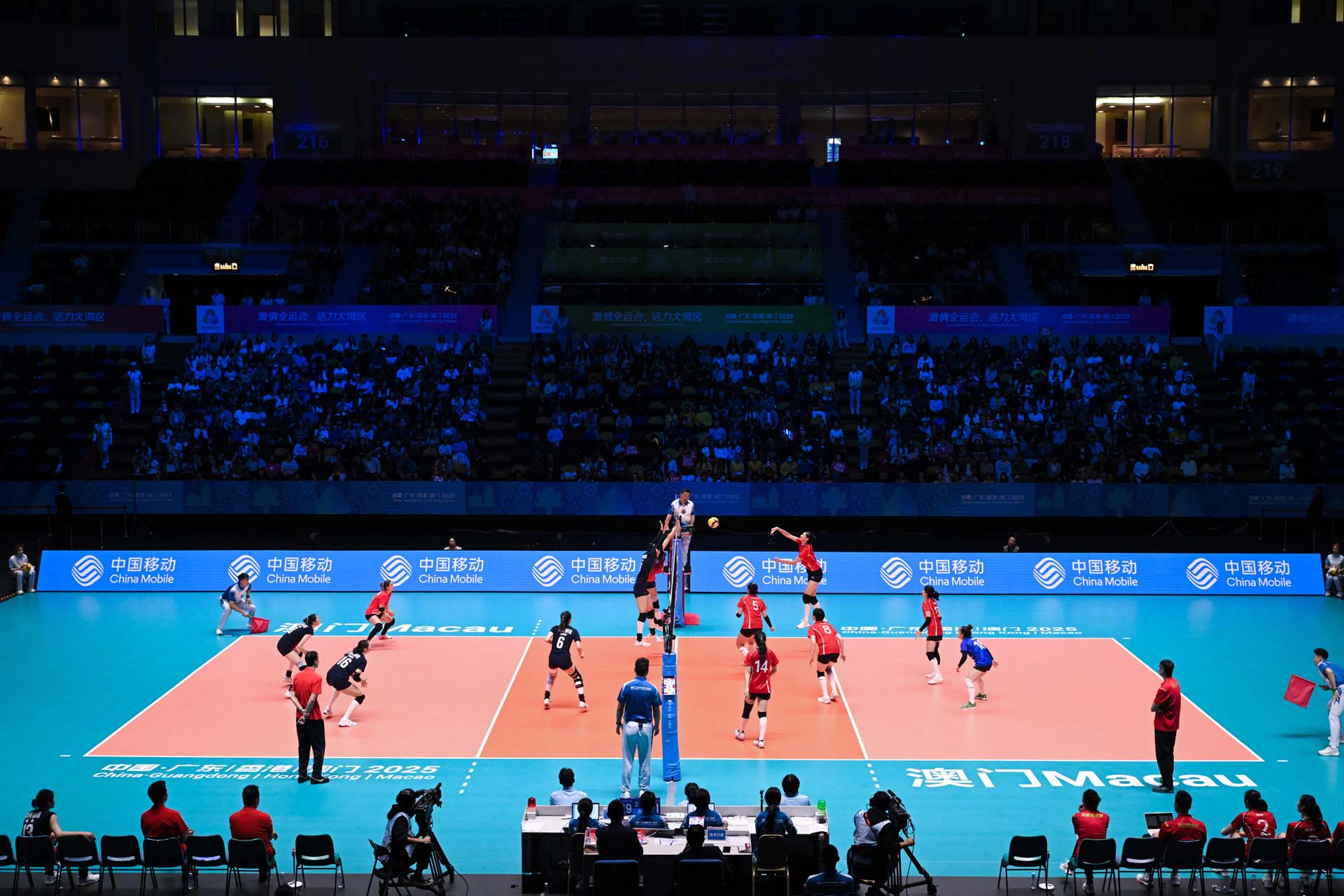
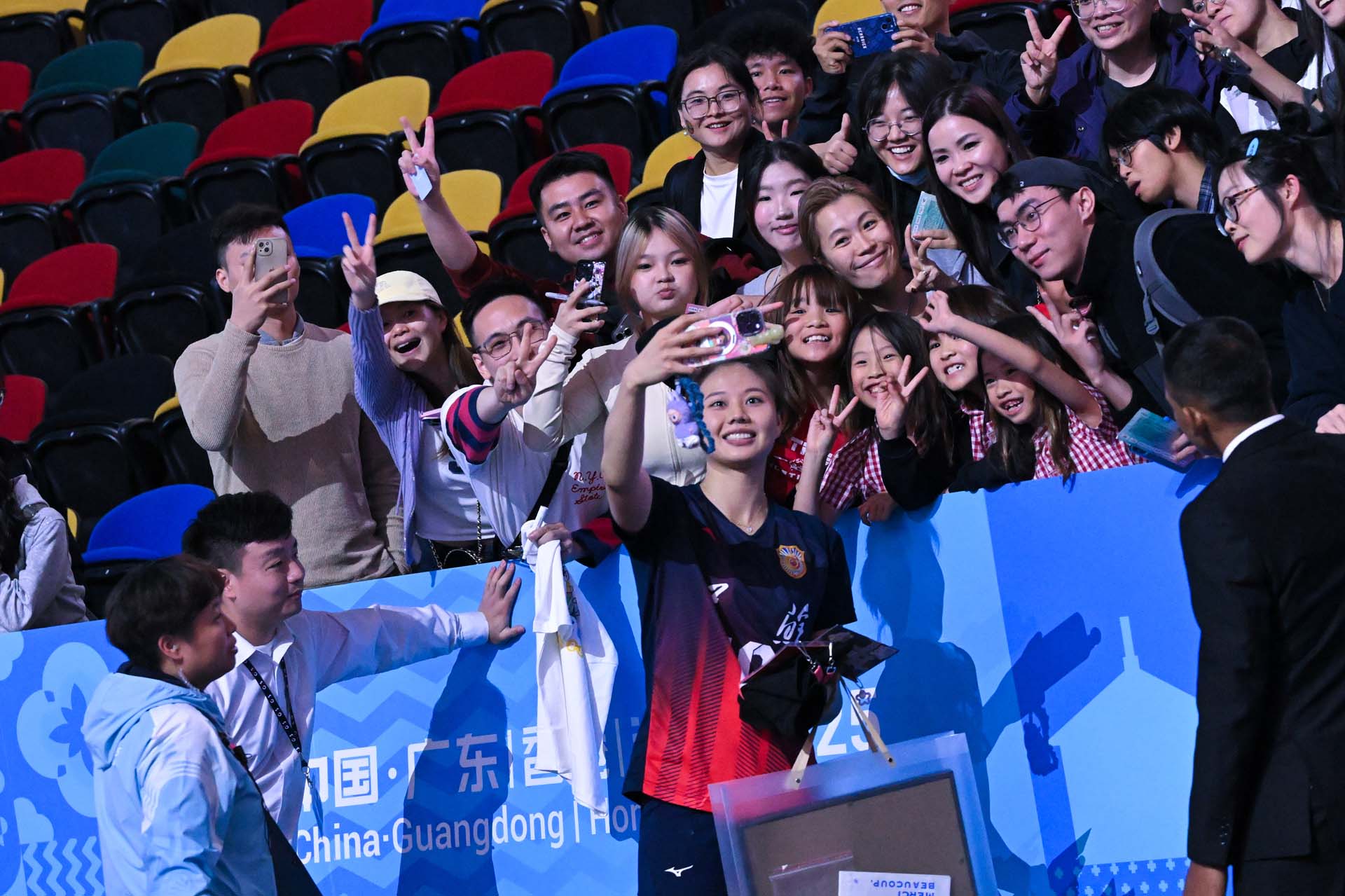
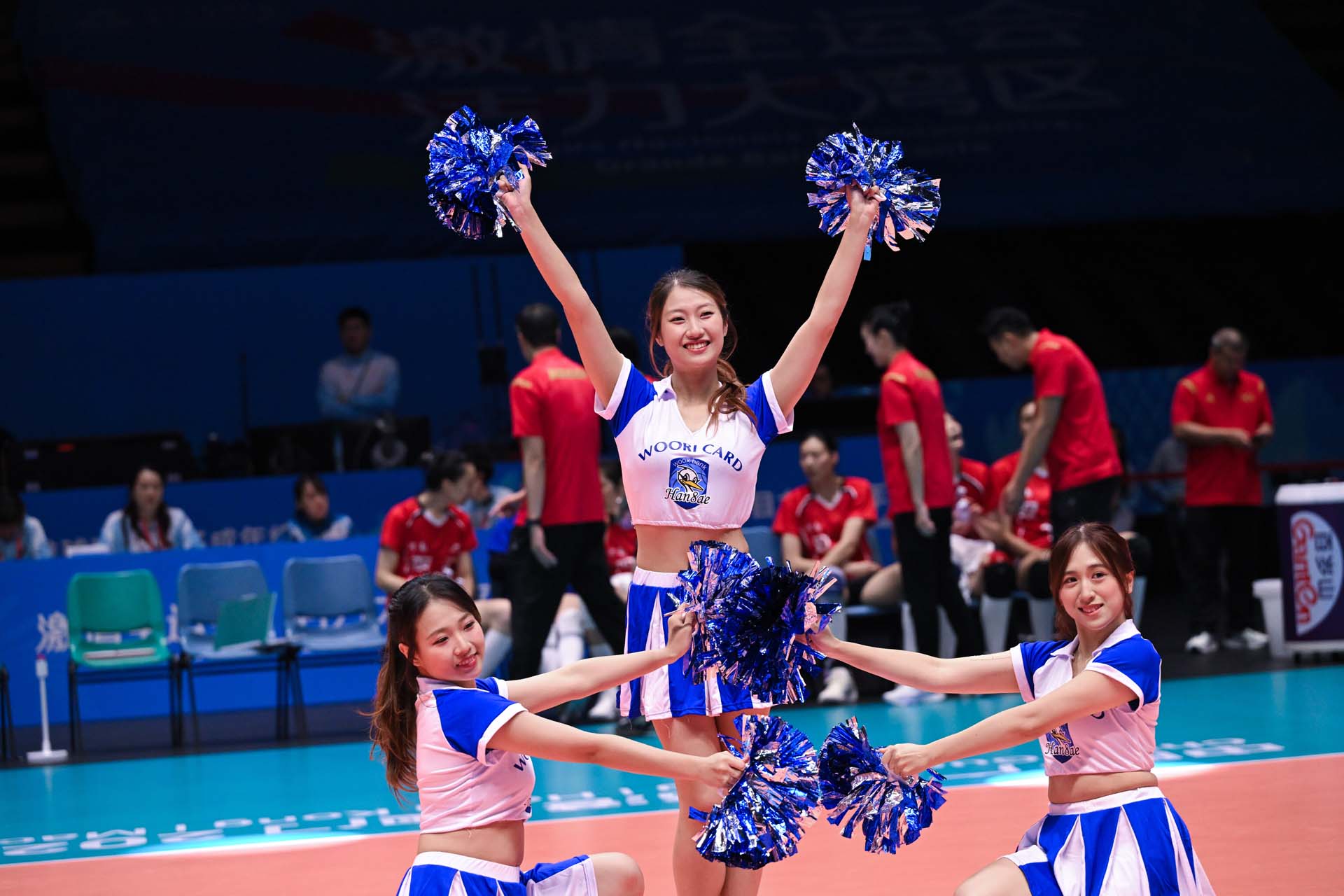
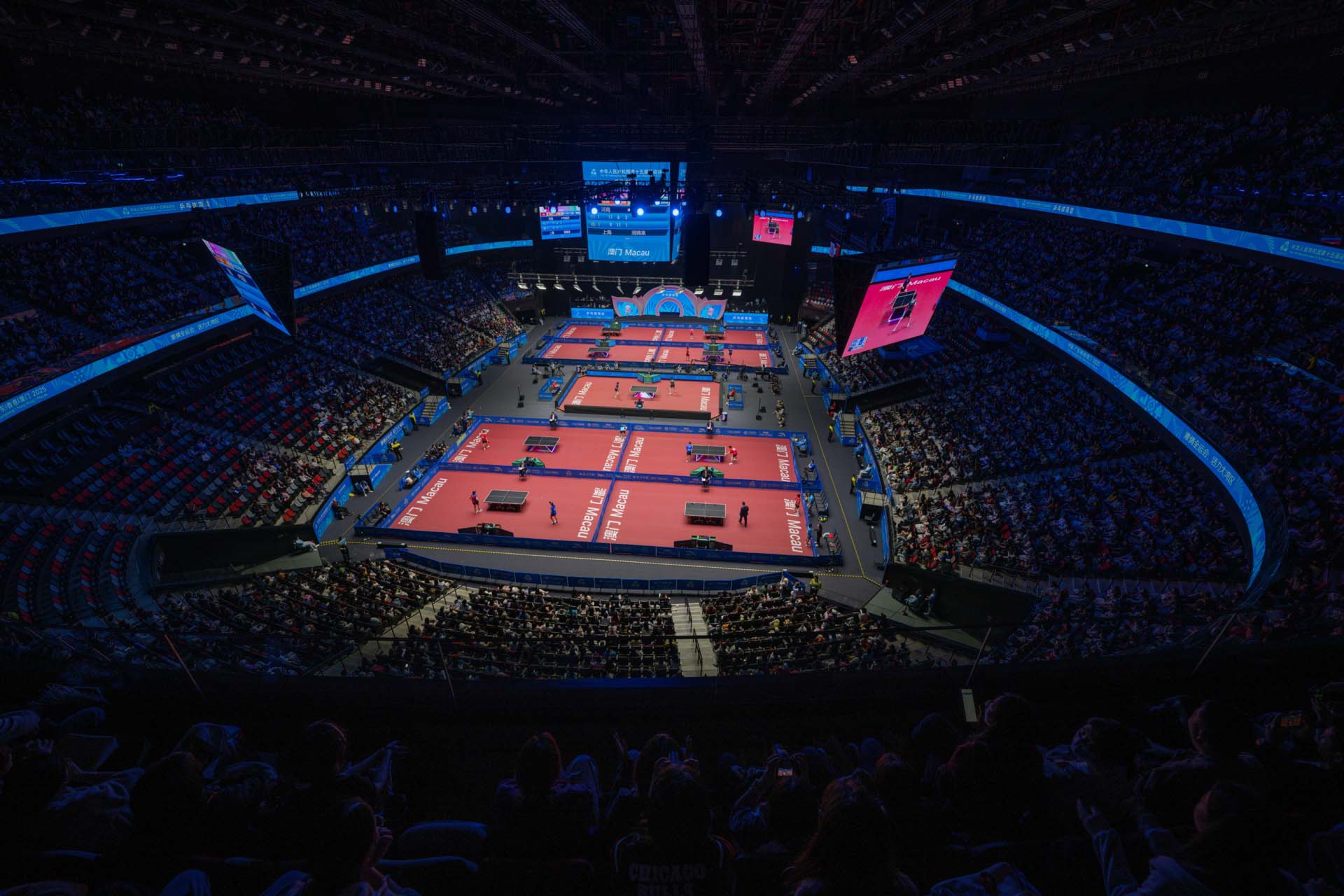
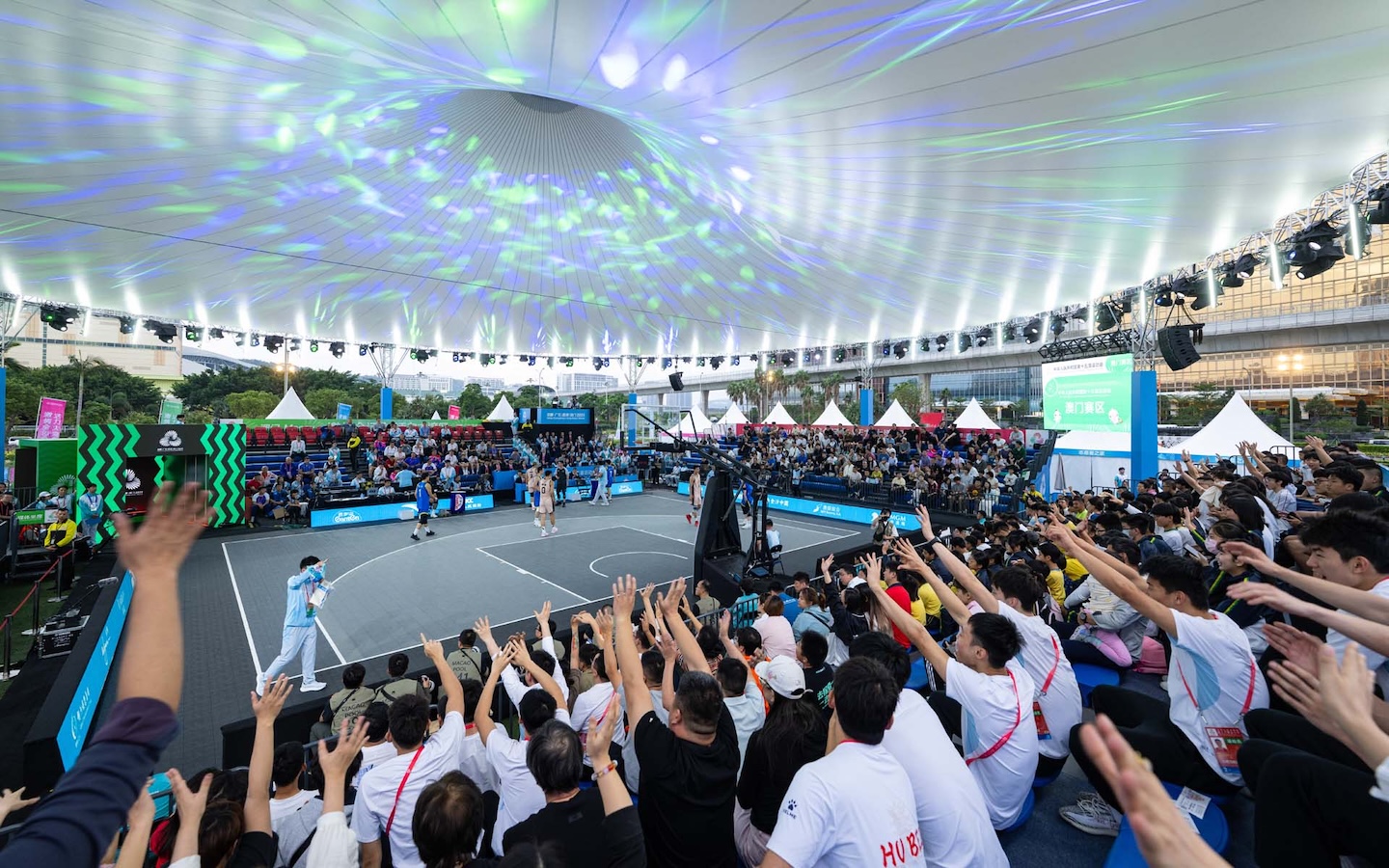
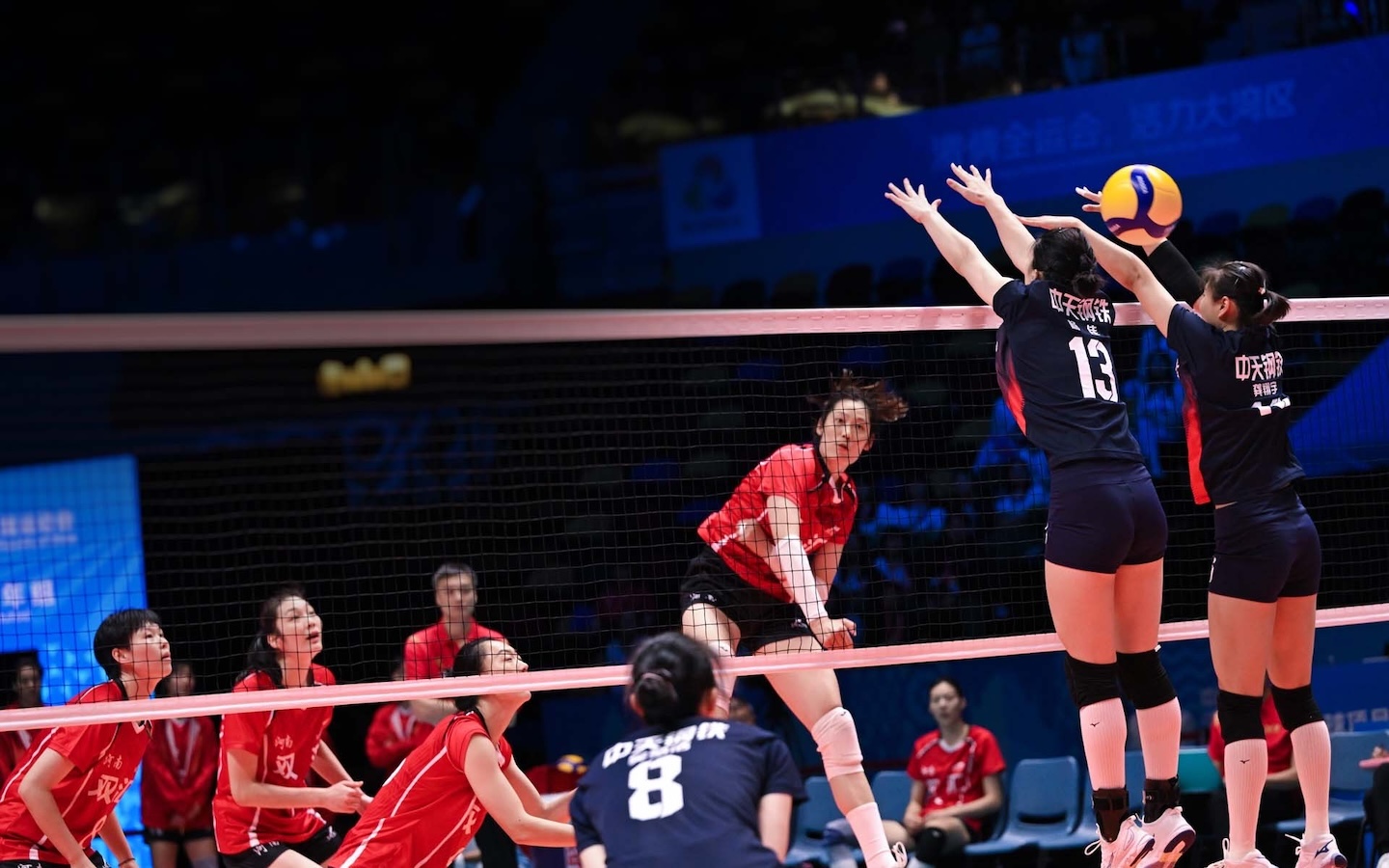
During the Games, Macao received more than 1,800 participants, including delegation heads, coaches, athletes and technical officials. The city hosted five sports: table tennis (all categories), 3×3 basketball (all categories), 5×5 basketball (men’s under-18 category), volleyball (women’s adult category), and karate (all categories).
The authorities allocated special arrangements for competition management, security, lodging, transportation and dining. Venue facilities functioned smoothly throughout, with no significant technical failures or security risks, presenting a “professional and highly efficient” hosting performance, Ms O said.
Notable was the decision to stage several National Games events concurrently with the venerable Macau Grand Prix – the city’s largest annual motorsport event – and to schedule some contests in the evening, allowing spectators to enjoy “two spectacular events in a single visit” and creating mutual visitor pull. As a result, the ‘sports + tourism’ multiplier effect was significantly boosted, according to Macao authorities.
Deepening cooperations
Samuel Tong Kai Chung, president of the Macau Institute of Management, said Macao’s limited market size and population base make it difficult to sustain world-class elite disciplines over the long term, using local resources alone.
“Elite sport often requires substantial sponsorship and a broad market, which is precisely where regional cooperation can make a difference,” he said. He argues that Macao should proactively leverage the Greater Bay Area platform, enabling promising local athletes to gain more high-level competition experience and development opportunities through training camps, competitions and exchanges on the Chinese mainland. This should not be viewed as undermining Macao’s role, but rather as “a channel that helps Macao athletes climb onto a larger stage”.
Mr Ma of the Sports and Olympic Committee believes that the most valuable legacy of the National Games lies in the collaborative mechanisms established among Guangdong, Macao and Hong Kong – from close coordination during preparations to innovative “seamless customs clearance” arrangements, as well as an operational model that integrates sport with cultural tourism. He said Macao already possesses both the soft and hard infrastructure needed to host regional or select high-level international events. For starters, the city is home to internationally compliant sports venues supported by comprehensive hotel and transport facilities.
In future, Macao and Hengqin can deepen cooperations to jointly host major international sporting events in a “one event, two locations” format, while also building closer links with Zhuhai in areas such as venue use, training and talent development, extending from the Guangdong–Macao Intensive Cooperation Zone in Hengqin to the entire Greater Bay Area, Mr Ma suggested. This will help ensure better sharing of resources and showcase the strengths of each area. This approach not only creates broader development platforms for Macao’s athletes and sports professionals, but also drives parallel upgrades to the city’s urban facilities and industrial structure. It will also accelerate the development of Macao as a “City of Sports” – in line with the MSAR Government’s strategy for appropriate economic diversification – transforming the legacy of the 15th National Games into long-term dividends over the coming decade, Mr Ma said.