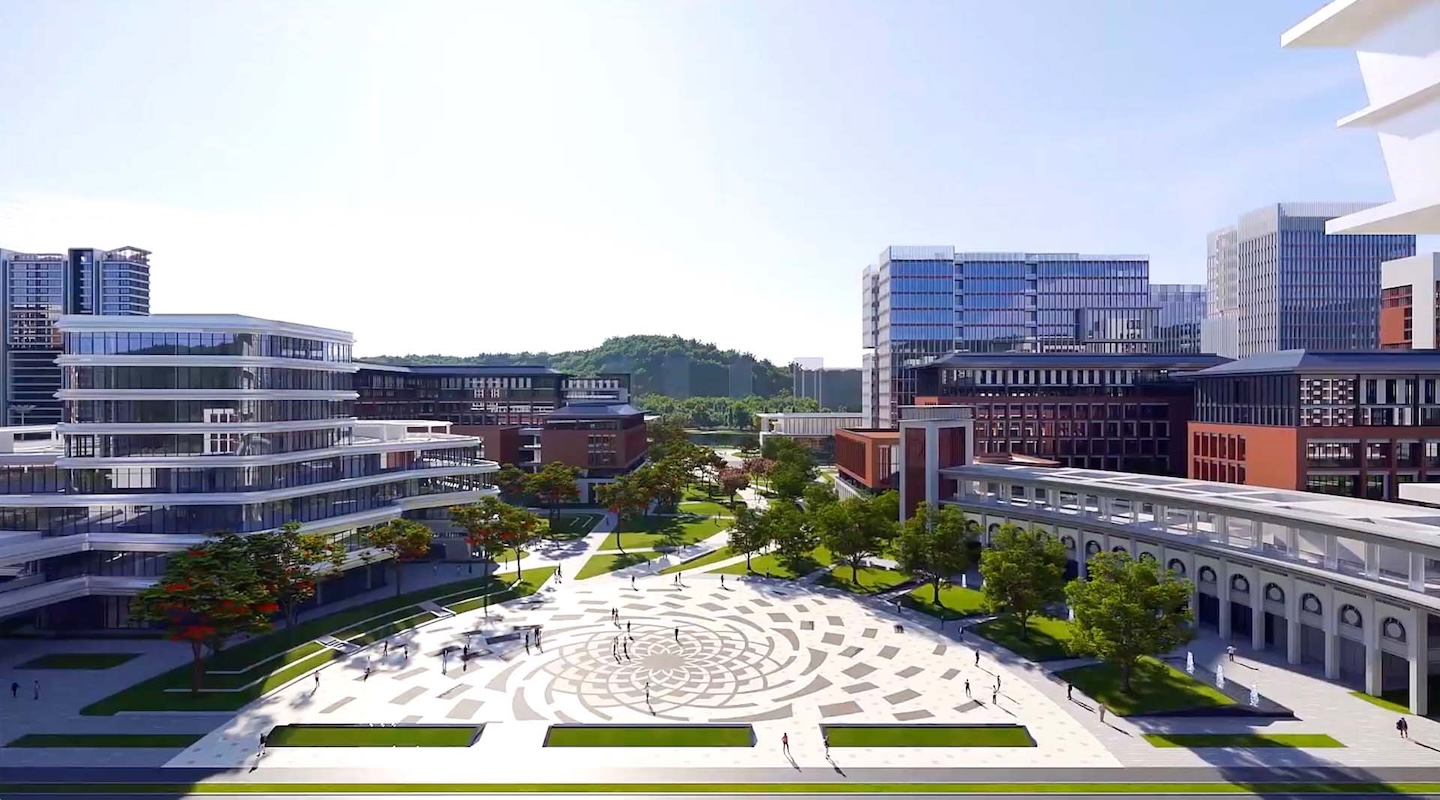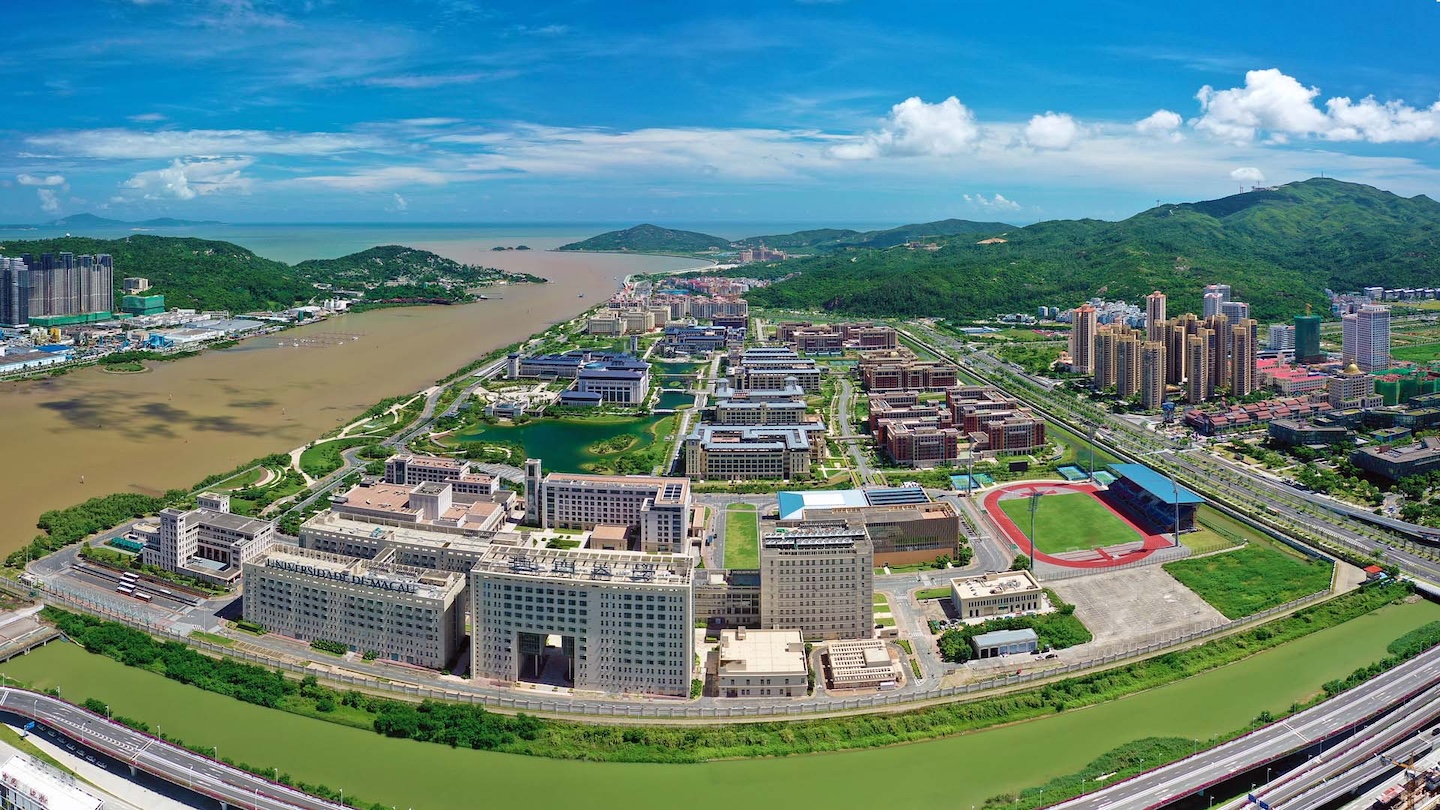
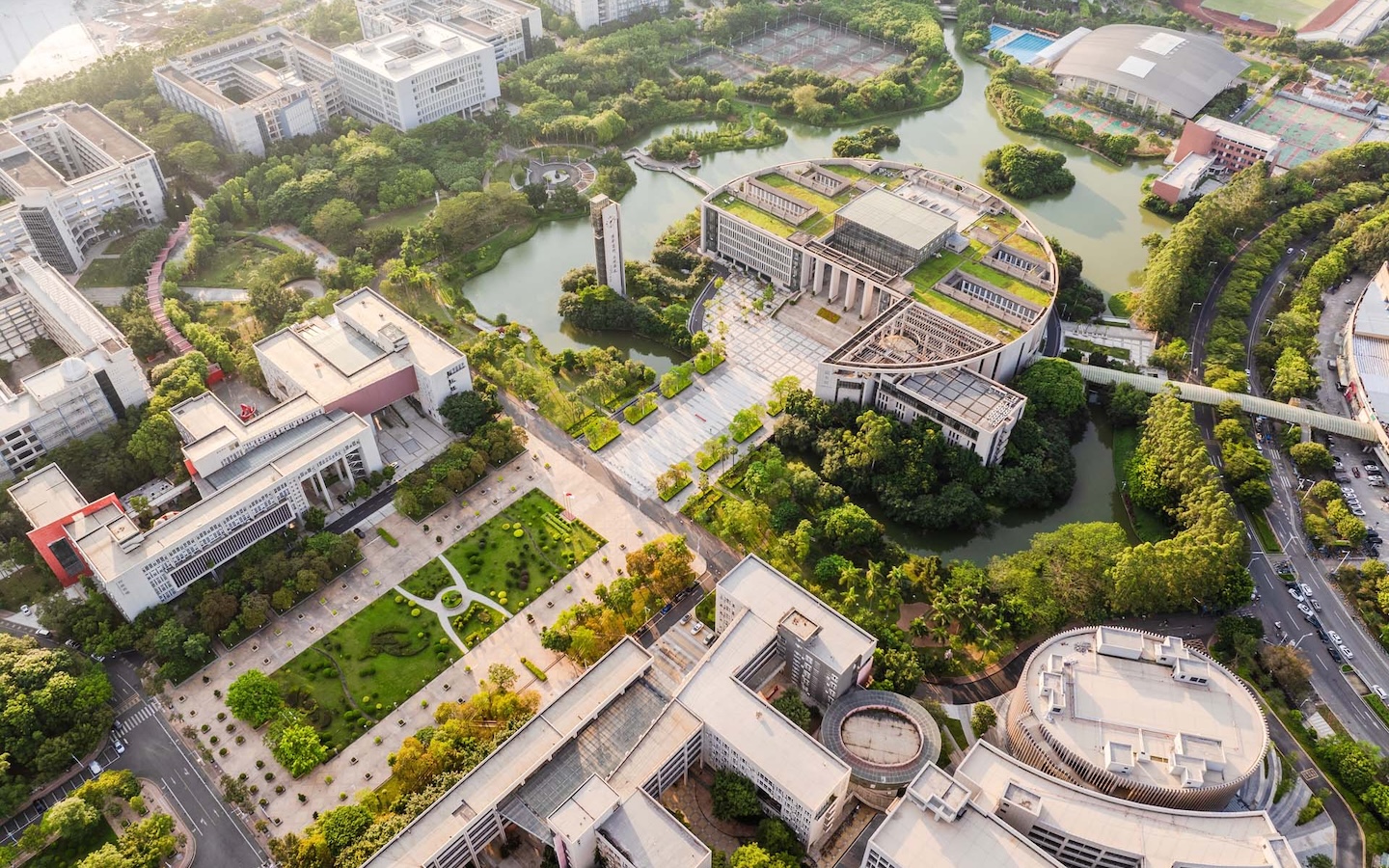
As higher-education cooperation accelerates across the Guangdong-Hong Kong-Macao Greater Bay Area, university towns and education clusters have taken shape in several cities. Among the earliest and most developed is Guangzhou University Town, often cited by academics as a benchmark. However, in interviews with Macao Magazine, scholars caution that its relevance for the Macao-Hengqin International Education (University) Town project lies less in physical scale and more on planning and governance.
First proposed in 2000, Guangzhou University Town – also known as the Guangzhou Higher Education Mega Center – was planned as a vast, purpose-built hub covering roughly 17.9 square kilometres. It occupies the entirety of Xiaoguwei Island in Panyu district. Construction began in 2003, and the complex started operating the following year, welcoming 10 universities including Sun Yat-sen University and enrolling more than 38,000 new students.
Expansion soon followed. A second phase extended the education hub beyond Xiaoguwei Island to a separate 25.3-square-kilometre site across the river in Xinzao Town, also in Panyu district. The first two campuses there, belonging to Jinan University and Guangzhou Medical University, opened in 2014.
By last year, Guangzhou was home to approximately 1.68 million university students – the highest total of any Chinese city. Some 200,000 students and scholars were studying or working at the 12 institutions located within Guangzhou University Town alone. Beyond teaching and research, the complex incorporates science and technology incubators and innovation-oriented industrial parks, with sustainability positioned as a guiding principle.
Valuable insights
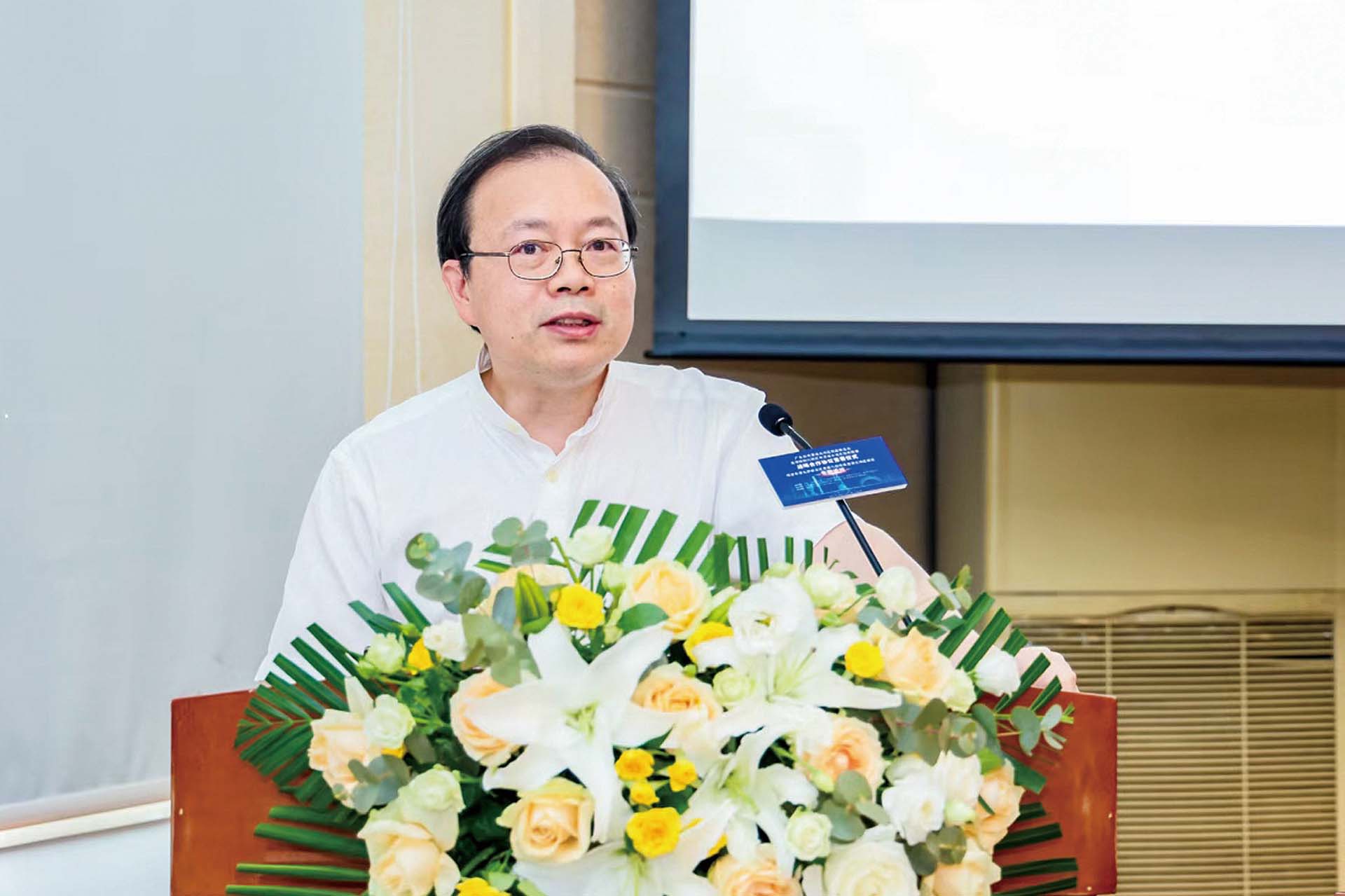
For Lou Shenghua, a professor in the Faculty of Humanities and Social Sciences at Macao Polytechnic University, Guangzhou’s experience offers valuable lessons for the proposed Macao-Hengqin International Education (University) Town – provided those lessons are applied selectively.
“The significance of Guangzhou University Town lies in its approach to spatial planning, disciplinary coordination, industry-academia-research collaboration, governance mechanisms, and the integration of universities with the city,” Prof. Lou told Macao Magazine. “These are areas where Macao-Hengqin cooperation can draw inspiration, rather than simply copying an existing model.”
Unified planning and functional zoning, he argues, have helped Guangzhou concentrate teaching and research resources, reduce duplication and encourage collaboration across institutions. A similar logic could guide the Macao-Hengqin education hub, he suggests, by coordinating academic, research, residential and industrial spaces, while reserving shared facilities – such as libraries, laboratories and sports complexes – from the outset.
Equally important, Prof. Lou stresses, is the synchronised development of supporting infrastructure. “Transport, accommodation and commercial facilities must be planned alongside campus development,” he said, warning that an overemphasis on construction of academic buildings without adequate supporting services could weaken the effectiveness of an education hub.
On academic strategy and industry collaboration, he highlights the importance of differentiated institutional positioning. Rather than pursuing comprehensive disciplinary coverage, universities within the Macao-Hengqin hub should build on their respective strengths to avoid unnecessary competition.
In terms of research commercialisation, he notes that Guangzhou has advanced a “university research and development plus park-based transformation” model. By contrast, the Macao-Hengqin International Education (University) Town could promote a “Macao-based research and Hengqin-based commercialisation” approach, supported by incubators and innovation platforms to lower barriers to turning research outcomes into practical applications.
Joint management
Prof. Lou cautions, however, that Guangzhou’s model cannot be transplanted wholesale. While its experience in resource sharing, industry-academia-research coordination, and university–city integration offers broad reference value, the cross-boundary nature of Macao and Hengqin creates a fundamentally different institutional and academic context. Models developed within a single Chinese mainland administrative system, he noted, “may not be directly applicable”.
Guangzhou University Town was planned, built and operated under a unified local-government framework. By contrast, the Macao-Hengqin education hub involves the Macao Special Administrative Region (MSAR) Government, the Guangdong-Macao Intensive Cooperation Zone in Hengqin, and multiple universities, operating under different legal and administrative regimes. Simply replicating a single-government-led approach could, he warns, create obstacles in areas such as student administration, research funding flows and intellectual property rights.
The priority, therefore, should not be in copying Guangzhou’s specific practices, but in building a governance structure suited to a cross-boundary setting. Prof. Lou suggests establishing an integrated governance mechanism, such as a joint management committee bringing together representatives from the MSAR Government, the Cooperation Zone, and participating universities, to coordinate planning, resource allocation and policy implementation.
That emphasis on institutions rather than infrastructure is echoed by Agnes Lam Iok Fong, associate professor in the Department of Communication at the University of Macau’s Faculty of Social Sciences and director of its Centre for Macau Studies. A university town, she cautions, does not automatically generate innovation or industrial growth; what matters is whether the overall environment enables knowledge circulation and cross-disciplinary collaboration.
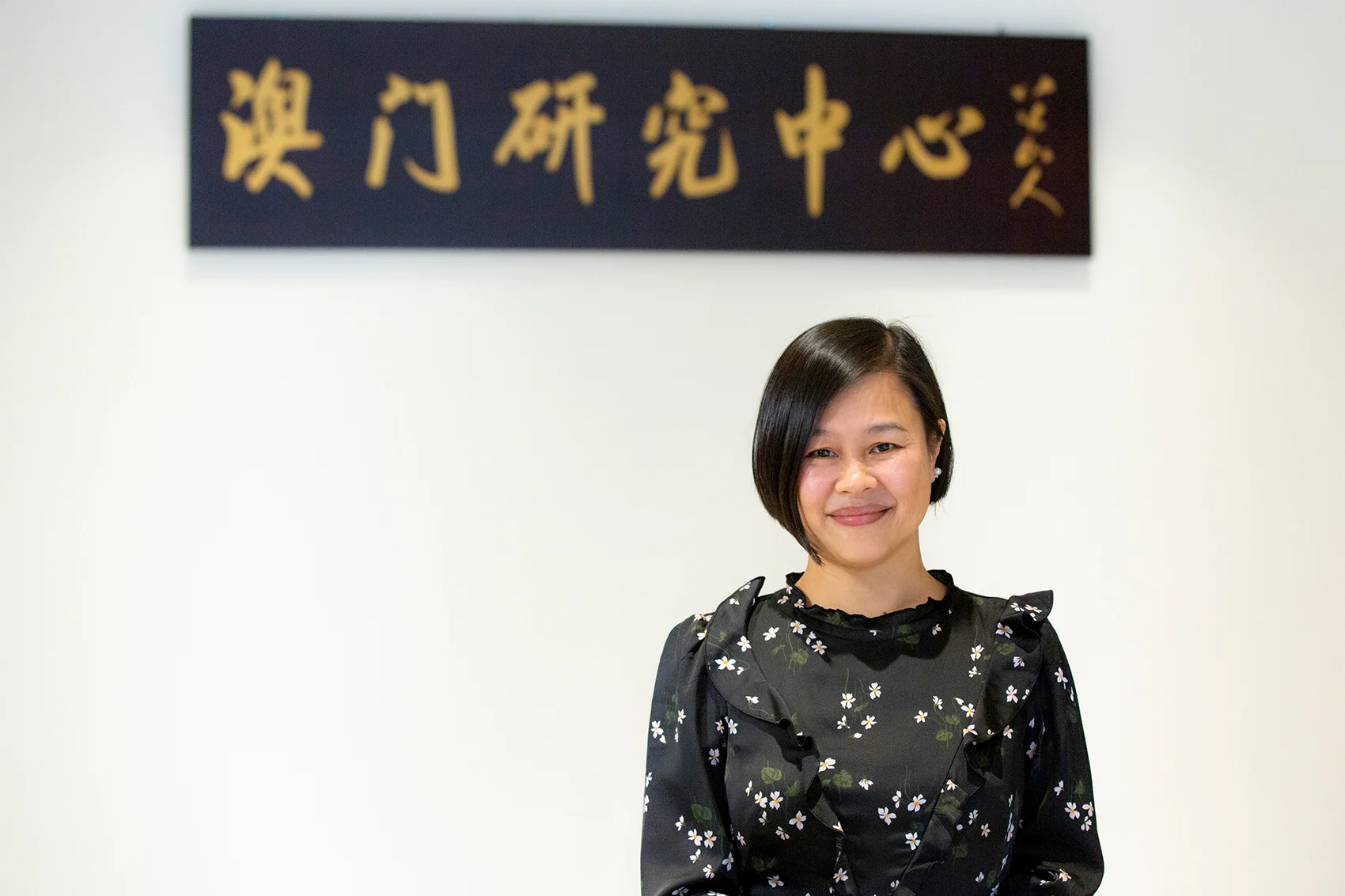
“Hangzhou’s recent growth in artificial intelligence, including examples such as DeepSeek, is the result of a complete industrial ecosystem, capital support and enabling policies, rather than the physical clustering of universities,” she told Macao Magazine. She points to Beijing’s Zhongguancun – often dubbed “China’s Silicon Valley” – as another case in which long-term institutional evolution, rather than short-term planning, drove success. “Innovation in Zhongguancun emerged from sustained interaction among research bodies, businesses and capital, not from the prior construction of a park,” she said.
For Ms Lam, the ultimate measure of the Macao-Hengqin International Education (University) Town should not be the scale of its campuses or buildings. Instead, its value will lie in whether it can foster genuine cross-university course sharing, jointly operated research platforms and sustained engagement with Hengqin’s industries – the less visible, but more decisive, foundations of an effective education and innovation hub.