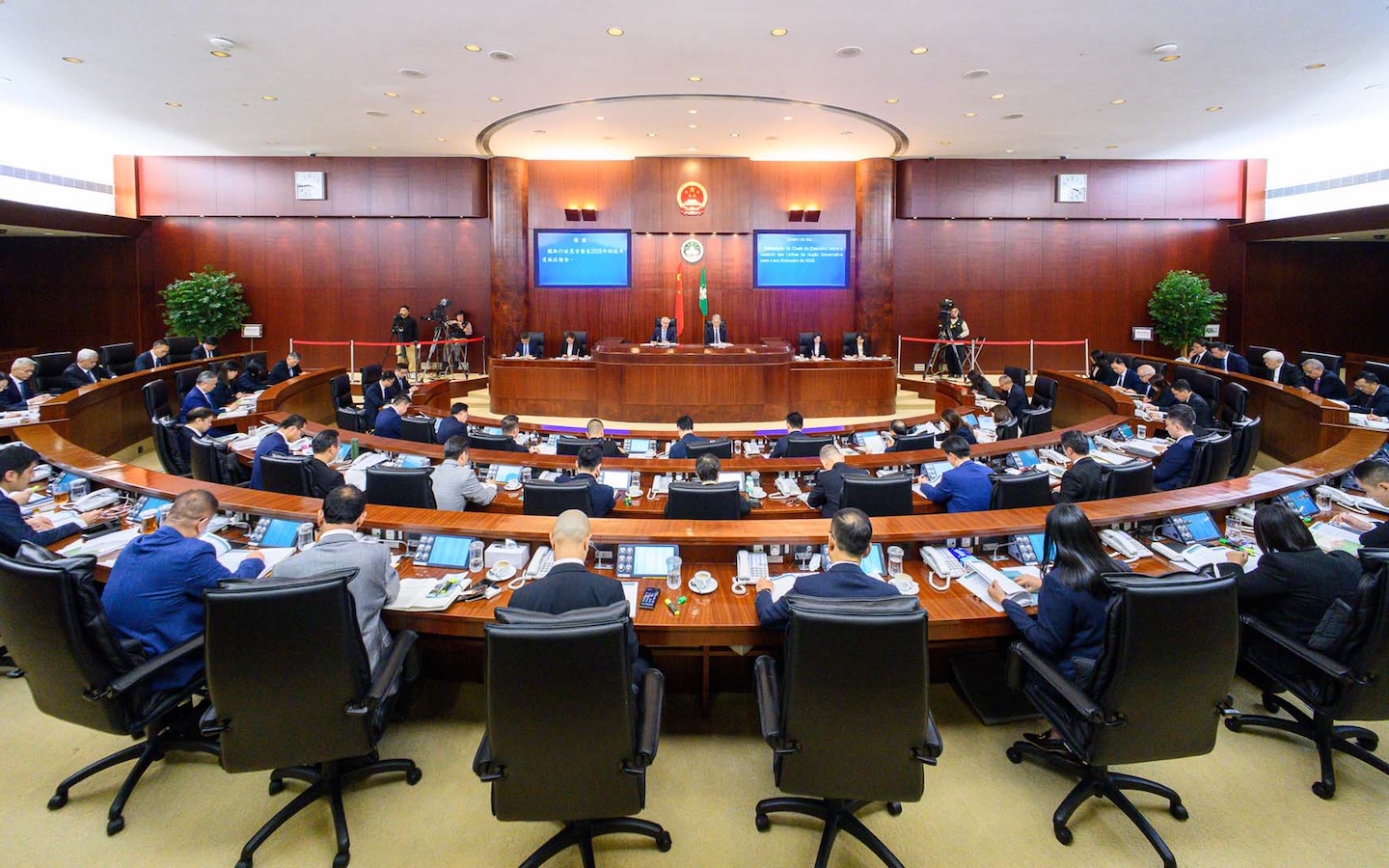
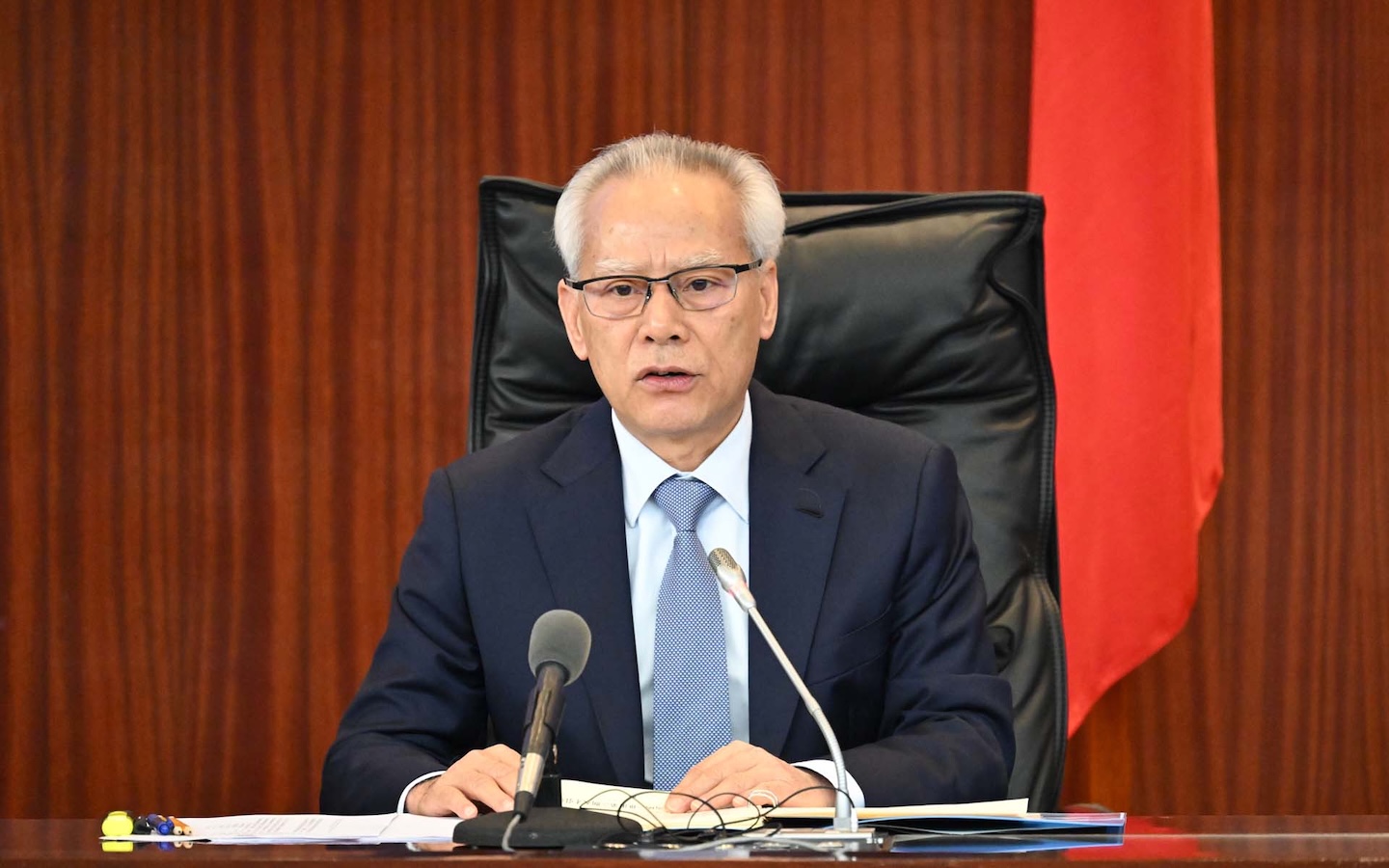
When Chief Executive Sam Hou Fai presented the Policy Address for 2026, on November 18, he offered a roadmap that reflects both cautious realism and ambition. Macao, he stated, must “stimulate the internal vitality of the economy and society” to navigate a challenging and uncertain future.
Under the theme “Accelerate Reforms and Efficiency with Keen Determination; Overcome Challenges and Promote Diversification with Fortified Efforts” the Macao Special Administrative Region (MSAR) Government is positioning public administration reform, economic diversification, people’s livelihoods and national alignment as central pillars of its policy agenda for 2026.
Speaking at the Legislative Assembly, Mr Sam said Macao must “act and cultivate opportunities amidst adversity” as global and regional uncertainties persist. He stressed that the city must “adapt to major development trends,” remove institutional barriers and “proactively integrate” into national development strategies, particularly those tied to the Guangdong-Hong Kong-Macao Greater Bay Area.
“We must move forward firmly in promoting reform and innovation, adapting to major development trends and overcoming obstacles,” the Chief Executive said.
Macao, he added, is currently in a transitional period from recovery-driven growth to high-quality development, with its economy showing signs of good stability. Mr Sam said that Macao would fully implement the spirit of President Xi Jinping’s important speeches during his inspection of the region in December 2024, and seize the tremendous opportunities presented by the “One Country, Two Systems” principle.
The major objectives outlined in the 2026 Policy Address include: substantial progress in appropriate economic diversification; maintaining positive gross domestic product (GDP) growth; further improvement of the city’s business environment; new progress in the construction of the Guangdong-Macao Intensive Cooperation Zone in Hengqin; effective protection of local employment; optimisation of livelihood measures; solid support for vulnerable groups; deepening administrative and legal reforms; and firmly safeguarding national security.
The Government would focus on deepening public administration reform and promoting appropriate economic diversification as its two main tasks, while continuously improving the efficiency of governance, Mr Sam said.
Streamlining governance
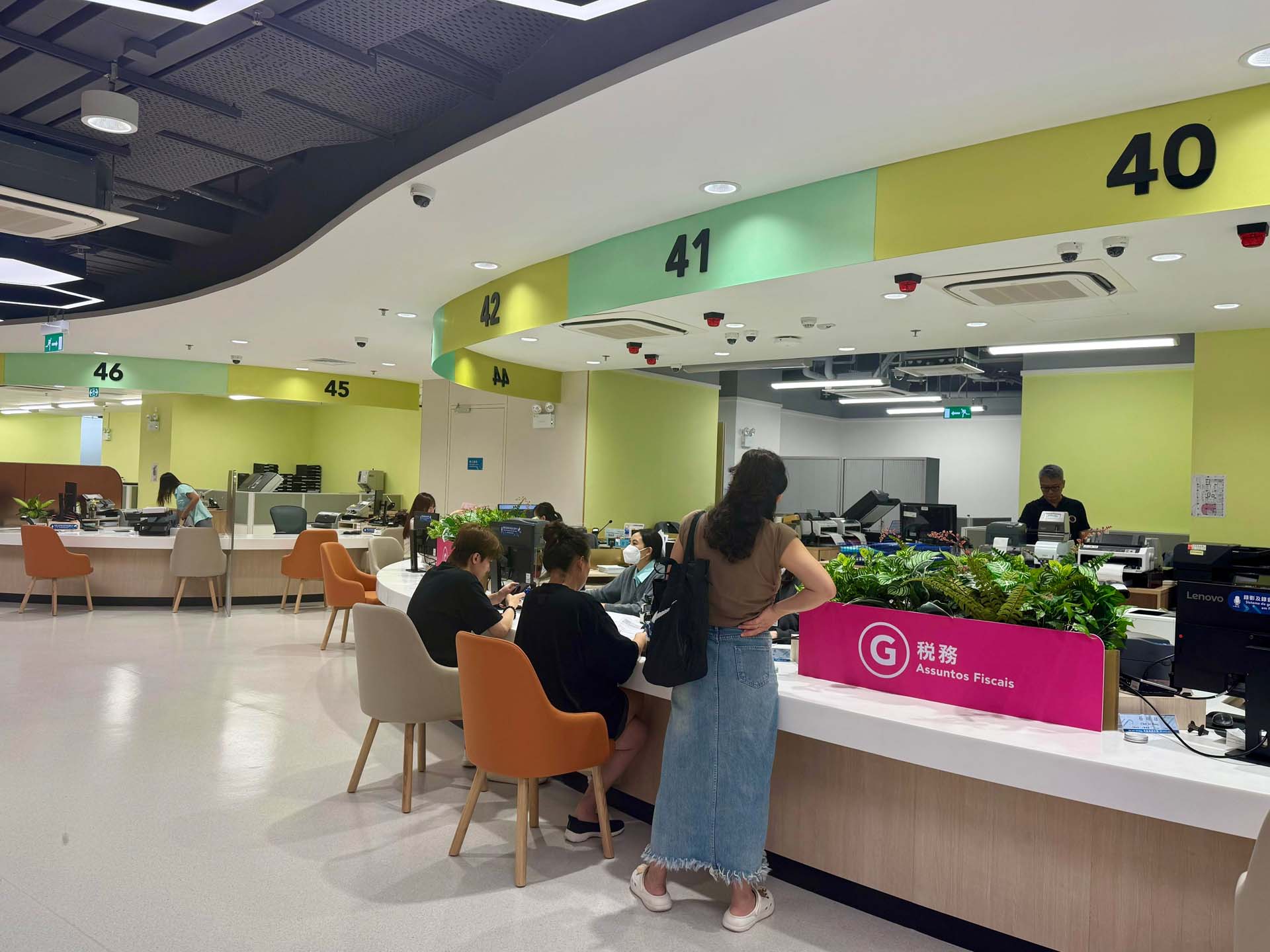
Macao’s public administration is set for a significant overhaul. As part of the Government’s plan, several government departments will be merged or restructured, with a focus on the overall goal of enhancing efficiency.
The document stated that the Municipal Affairs Bureau and the Monetary Authority of Macao will be restructured; the Cartography and Cadastre Bureau will be integrated into the Land and Urban Construction Bureau; the Consumer Council and the Science and Technology Development Fund will be merged with the Economic and Technological Development Bureau; and the Cultural Development Fund, the Sports Bureau and the Cultural Affairs Bureau will become one entity.
The Government will focus on building a strong civil service, deepening e-government development, and actively expanding cross-boundary government services, Mr Sam stressed.
At the same time, the Government will improve the legal system for safeguarding national security and initiate the drafting of the “Macao Special Administrative Region Committee for Safeguarding National Security” law, as well as the revision of supporting regulations, he added.
While Macao’s tourism-based economy remains central, the Chief Executive stressed the need to implement “fundamental changes” to the city’s economic structure, aiming to build a “risk resilient” Macao. The 2026 agenda places “appropriate diversification” at its heart, in line with the Government’s “1+4” development strategy.
To this end, Macao will begin revamping neighbourhoods and developing community-level commercial zones to stimulate local consumption. Meanwhile, the administration plans to establish two investment vehicles – an industrial fund and a guidance fund – financed by both public and private capital and managed by professional teams. The goal: channel resources toward emerging sectors that can provide sustainable and balanced growth.
Target industries for expansion include the “big health” sector – notably Traditional Chinese Medicine (TCM) – as well as a modern financial sector, underpinned by competitive tax incentives to attract global fund-management firms. The digital economy and technology start-ups will also receive increased support through enhanced funding mechanisms, according to the 2026 Policy Address.
Boosting Hengqin development
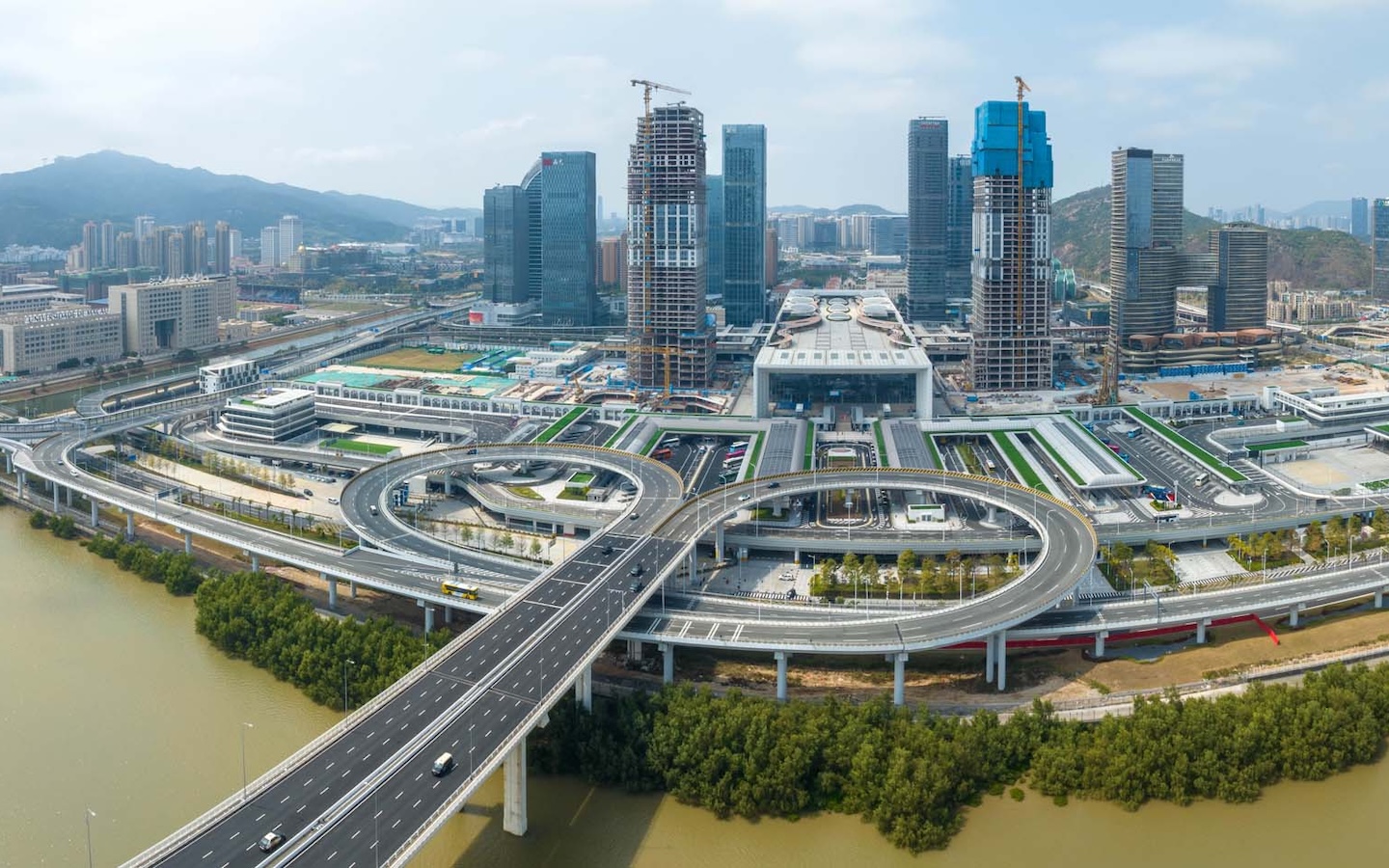
The MSAR Government is stepping up efforts to create a benchmark for Macao-Hengqin integration, rolling out a series of landmark projects aimed at jointly developing key industries and public services. Mr Sam said these initiatives place a strong emphasis on coordinated industrial development and improved cross-boundary services.
A major focus will be on building a joint cultural tourism, convention-and-exhibition, and trade hub designed to elevate the region’s international profile. Authorities are also doubling down on the TCM and “big health” sectors, pledging to modernise the industry chain and foster new productive forces through a fresh cross-boundary financial paradigm shared between Macao and Hengqin.
Investment and talent attraction have been placed at the forefront of the 2026 agenda. The Government is working to expand the presence of “Macao Certified Shops” in the Cooperation Zone and create a high-level talent hub capable of supporting long-term economic transformation.
On the social front, officials plan to accelerate integration in livelihood and public services. This includes strengthening employment support for Macao’s youth, developing an education service model aligned with Macao’s standards, facilitating medical access for Macao residents in the Cooperation Zone, and gradually advancing cross-boundary elderly care services.
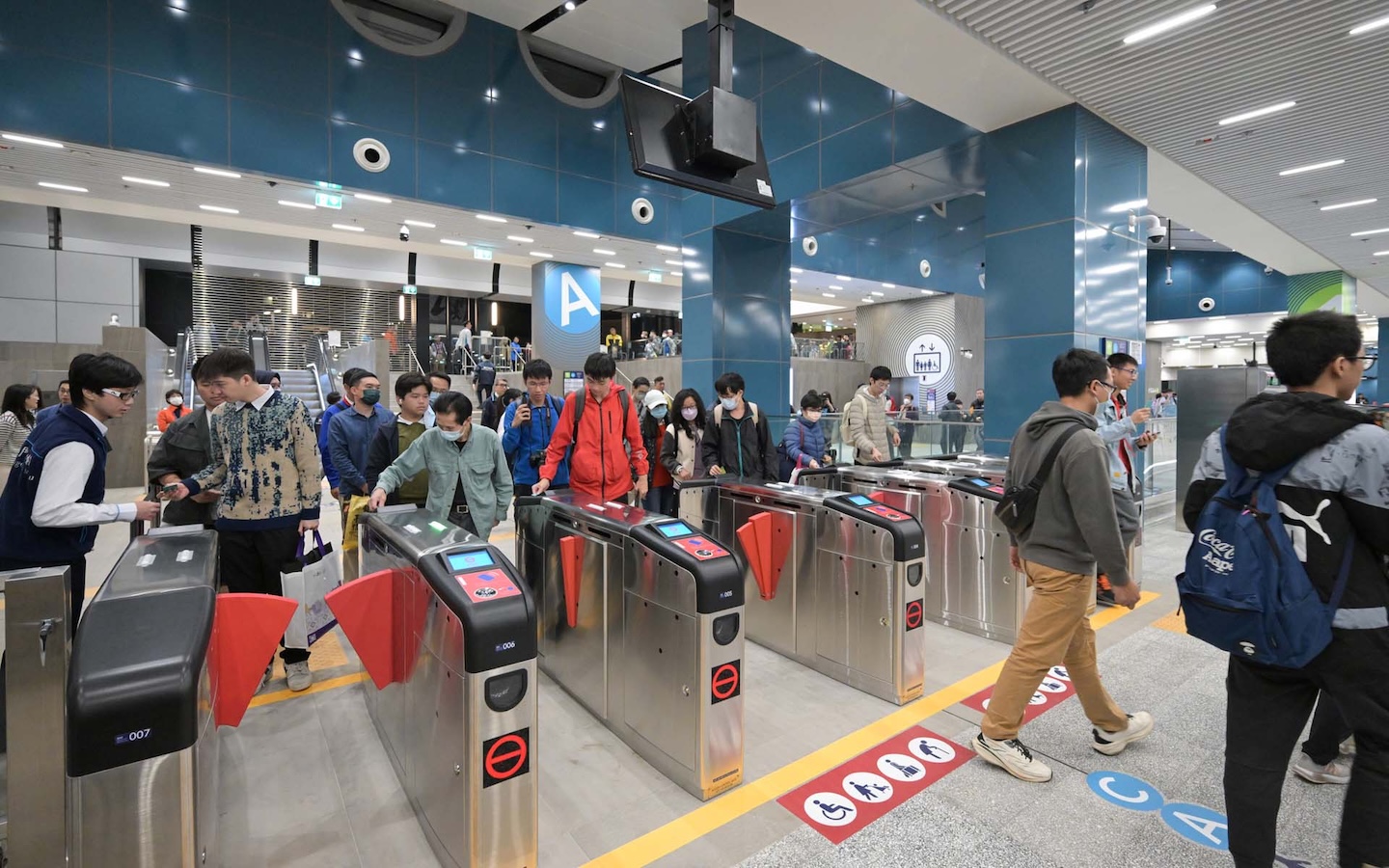
Infrastructure connectivity – both physical and institutional – remains another critical pillar. The Government says it will continue building “hard connectivity” through transport and public works while deepening “soft connectivity” through harmonised rules, mechanisms, and administrative processes.
Macao will accelerate infrastructure upgrades and refine urban planning as part of its push to build a smarter, more liveable city. Authorities plan to implement the “Urban Renewal Legal System” and fast-track key projects, including the redevelopment of the seven-building cluster in Iao Hon and other renewal initiatives.
The 2026 Policy Address also outlines a plan to build Macao as a “City of Culture” by strengthening the protection and revitalisation of cultural heritage and relics. The Government will continuously explore and organise Macao’s promising intangible cultural heritage and create international and academic cultural exchange activities, Mr Sam stated. It will also solicit and support local performing arts, intangible cultural heritage, and cultural and creative projects to tour or exhibit in the Chinese mainland, ASEAN countries, and the “Belt and Road” region.
| 2026 Policy Address Highlights |
|---|
1. Build a strong line of defence to safeguard national security, maintain social stability 2. Deepen public administration reform, enhance governance efficiency of the MSAR 3. Fortify the momentum of economic recovery, endeavour to promote appropriate economic diversification 4. Expedite the construction of Hengqin 5. Improve people’s welfare systems, make solid efforts to benefit the livelihood of residents 6. Build a cultural “base”, promote mutual learning among civilisations and cultural exchanges 7. Optimise urban infrastructure, build a smart and liveable city 8. Achieve high-level opening-up to the outside world, integrate into national development 9. Formulate the Third Five-year Plan for the MSAR, advocate the implementation of key projects |
Social welfare and quality of life
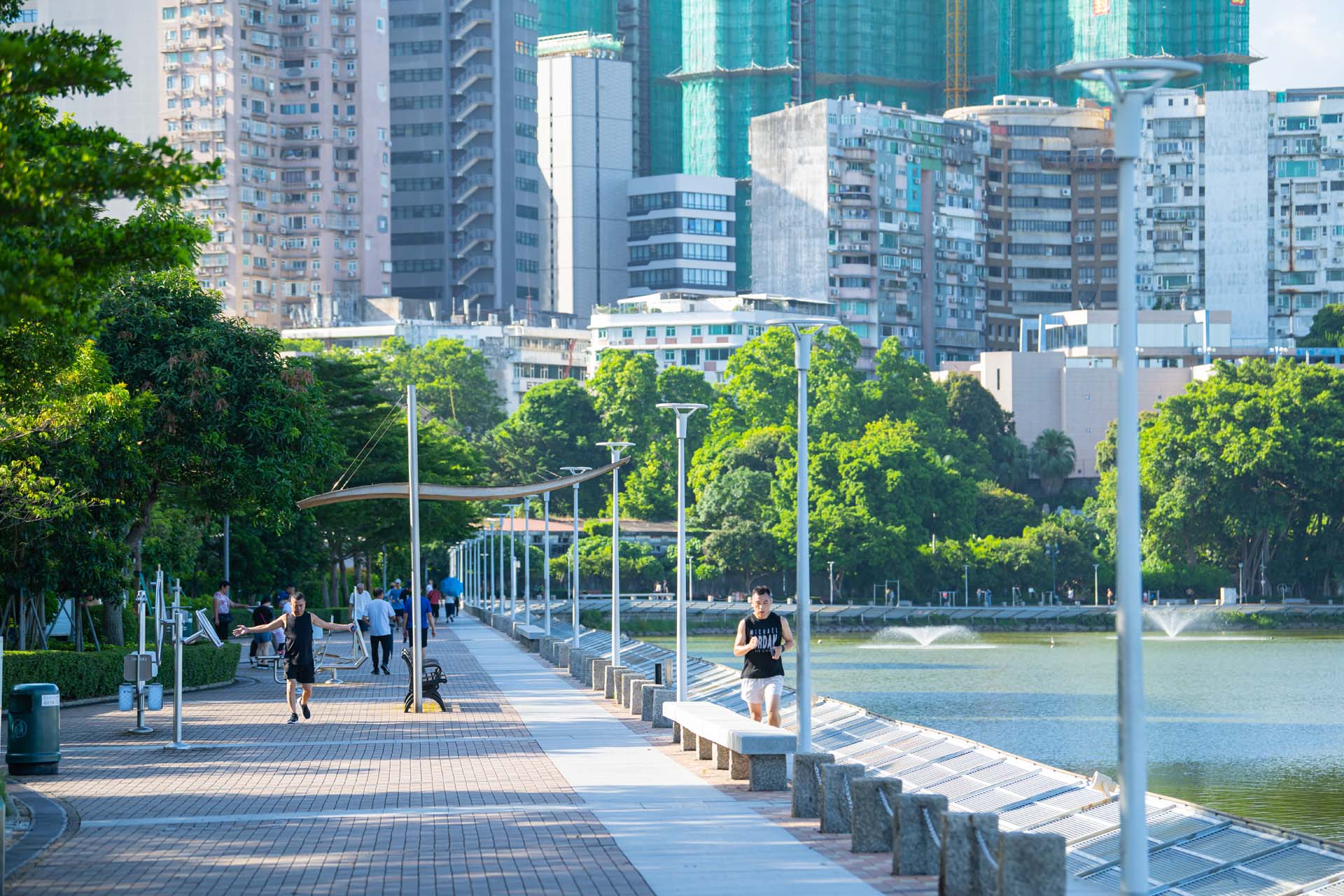
Beyond economic and institutional reform, the Government’s plan reaffirms the commitment to residents’ welfare and social security. As such, the administration will continuously improve and optimise people’s livelihoods, effectively respond to residents’ demands, and earnestly protect their rights in employment, elderly care, medical care, and education, Mr Sam said.
The Government will implement a series of measures to benefit the people and create a better environment for the growth of young people. The Wealth Partaking Scheme and various tax incentives will be continued in 2026.
The authorities will channel welfare and resources to low-income groups, disadvantaged and vulnerable communities. The Government will also actively address the issue of declining birthrates in the city, as well as improve medical service standards and optimise housing policies.