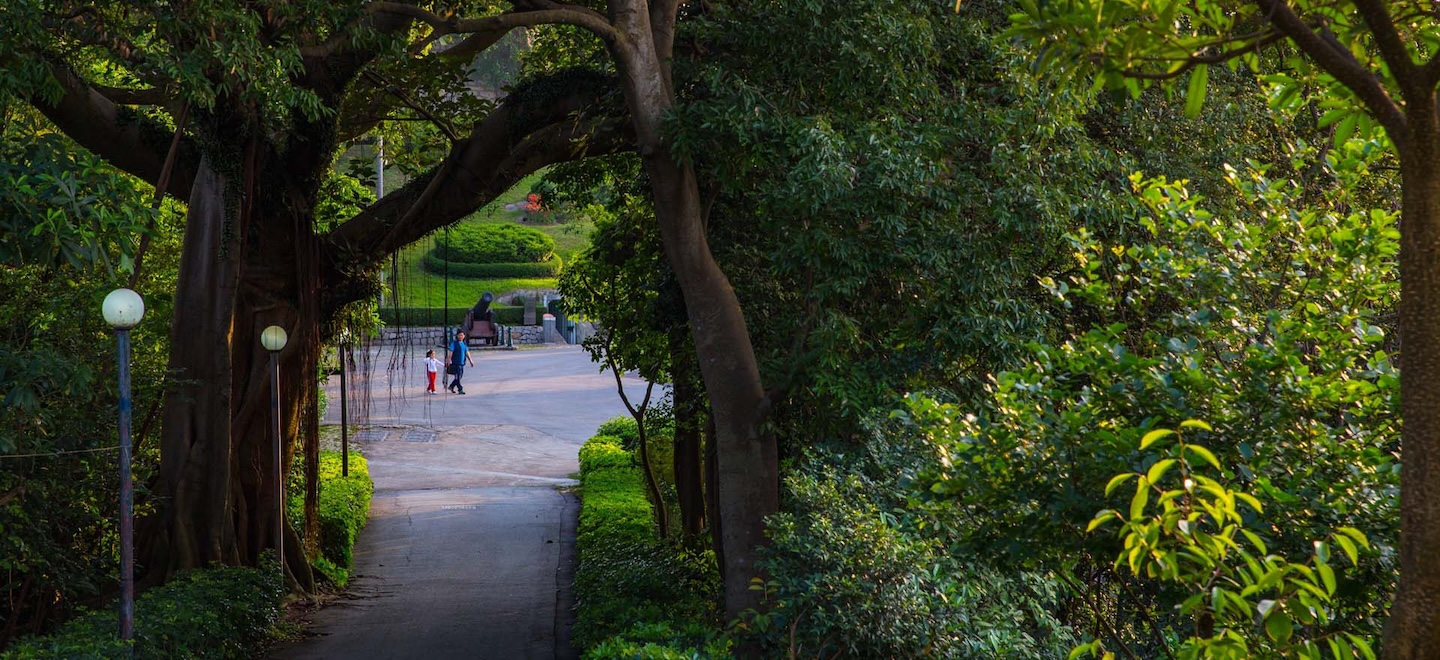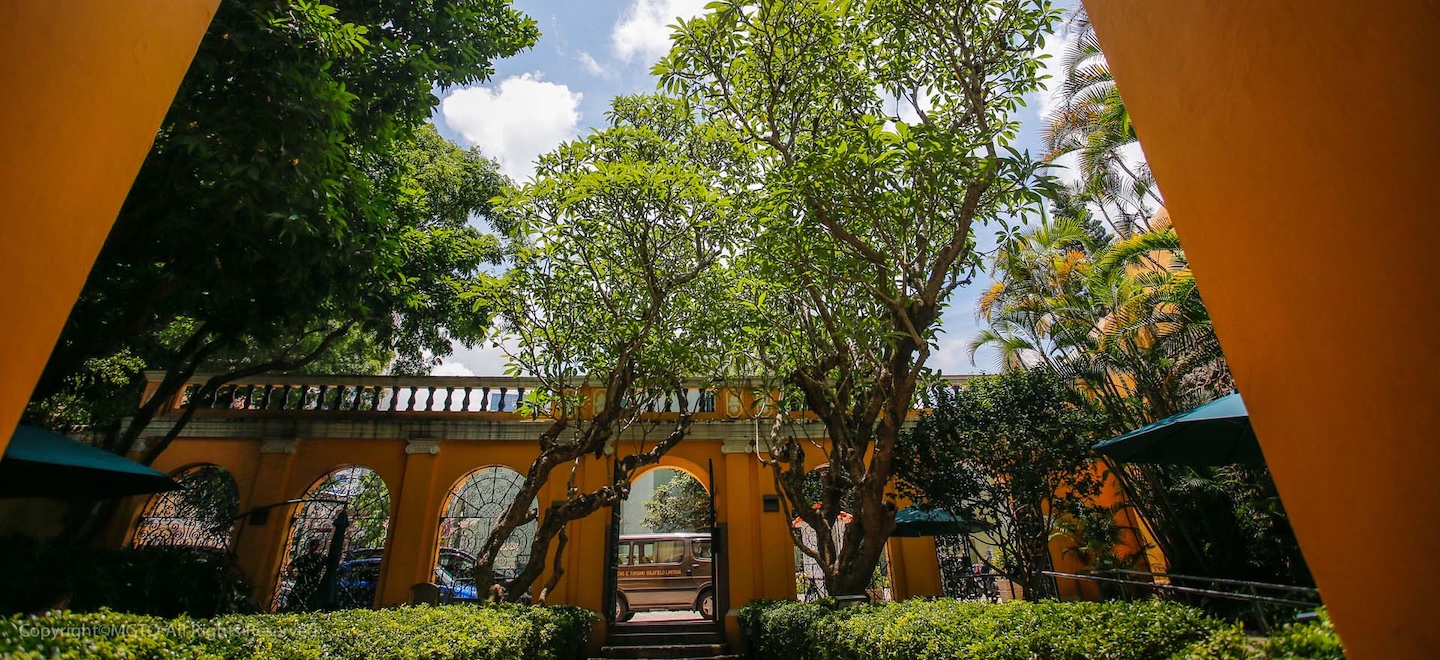
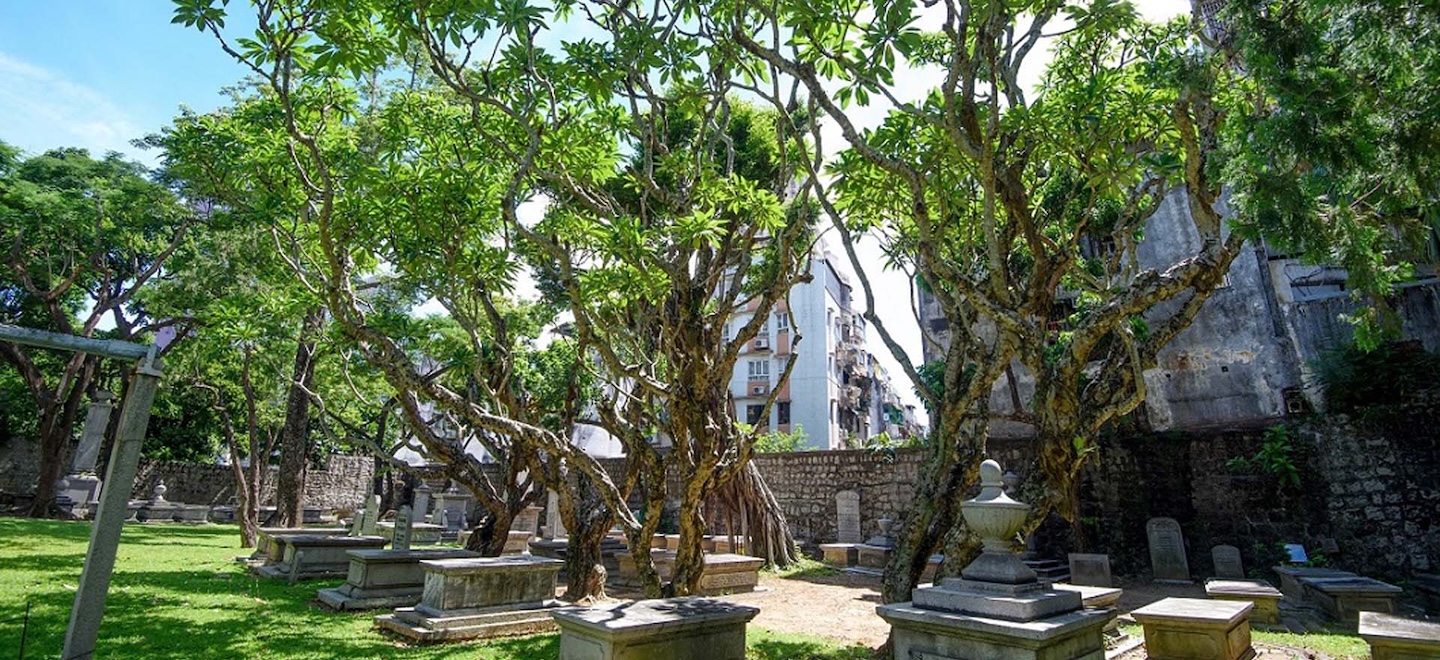
Macao’s ancient and valuable trees – scattered across temple courtyards, cemeteries, village squares and roadside verges – form a living archive of the city’s past. With more than 600 trees officially classified as ancient or valuable, preserving them is far from straightforward, experts say.
Balancing heritage conservation with development pressures, infrastructure demands and competing land uses presents a complex challenge for urban planners, architects and policymakers alike. Despite such pressures, these trees continue to play a crucial role in Macao’s ecological resilience, cultural identity and urban character.
With Macao’s urban environment defined by its extraordinary density, ancient trees perform essential ecological functions, playing “a critical and multi-layered role in maintaining urban biodiversity,” said Teng Kai On, president of the board of directors of the Macao Urban Planning Institute (MUPI).
According to Mr Teng, each mature tree acts as a complete ecological system. “An ancient tree constitutes a structurally complex and functionally complete ‘micro-ecosystem’. Its expansive canopy, robust trunk, deep root system, and associated epiphytic plants provide habitats, foraging grounds, and breeding sites for birds, insects, small mammals, ferns, mosses, and microorganisms,” he told Macao Magazine. These complex structures create “stable ecological niches” that newly planted trees cannot replicate for decades, he added.
Academic research reinforces this perspective. A study published in the Landscape and Urban Planning journal notes that Macao’s more than four centuries of urban history have left behind a remarkable collection of heritage trees with important ecological, historical and botanical value. Despite intense urbanisation, these trees persist as rare living remnants of the city’s earlier landscapes.
“Macao has developed an exceptionally high population density and ultra-compact mode, yet it permits survival of interesting and diverse heritage trees,” wrote professors Allen Zhang Hao and Po Ying Lai from the Faculty of Design and Environment of the Technological and Higher Education Institute (THEi) of Hong Kong, and Jim Chi Yung from the Department of Geography, University of Hong Kong.
These trees “provide valuable insights in landscaping, tree management, urban ecology and urban history,” the scholars stated in a research paper titled ‘Species diversity and spatial pattern of old and precious trees in Macau’.
Vibrant ecological hub
The research also highlighted how species diversity varies depending on location. Roadside trees are the most numerous but show the lowest diversity due to limited planting choices and harsh environmental conditions. Parks, religious sites and historic gardens, by contrast, support greater variety and often shelter the oldest specimens.
“Ficus” species, particularly banyan trees, dominate the list of heritage trees in Macao. Their resilience and adaptability allow them to survive the stresses of urban life, including restricted soil, pollution and physical disturbance, the research paper noted.
While urban trees constitute an essential landscape component in cities, “few can survive over centuries under the harsh or degrading urban environment,” the scholars highlighted. “The outstanding remnant trees demonstrate tolerance and adaptability under prolonged urban pressure,” they added.
Within Macao’s fragmented landscape, Mr Teng noted, these ancient trees function as ecological “nodes”, with each specimen “supporting local wildlife and helping connect different green spaces across the city”.
Protecting them, the MUPI president said, means more than preserving individual trees: “It’s about safeguarding a vibrant ecological hub, which is crucial for improving Macao’s overall ecosystem service functions and ecological resilience.”
Beyond biodiversity, ancient trees provide environmental services that are increasingly recognised as essential to sustainable cities. Their broad canopies cast shade that cools surrounding streets and pavements, helping to counter the urban heat island effect.
Leaves also capture airborne dust and pollutants, improving air quality. At the same time, trees absorb carbon dioxide through photosynthesis, contributing to climate mitigation, noted the urban expert.
Mr Teng described these benefits as part of the city’s “green infrastructure”.
“Ancient trees provide ecosystem services that are large-scale, efficient and long-lasting,” he stated. “Urban planning should actively identify and integrate these benefits into the city’s environmental strategies.”
One way to do so is by designing small public spaces around heritage trees. Pocket parks, street-corner gardens or shaded rest areas allow residents to enjoy these natural assets while preserving their ecological functions, he observed.
Such approaches should be aligned with the broader concept of nature-based solutions, using urban planning strategies that harness natural systems to address environmental challenges.
Witnesses of history
While their ecological value is significant, the cultural importance of Macao’s ancient trees is equally profound. Many are closely tied to historic sites and collective memory, and have long served as gathering places and symbols of continuity.
Architect André Lui, who has extensively studied Macao’s architectural heritage, emphasises that the relationship between buildings and landscape has long been recognised in the city’s conservation policies.
“Since the early classification process in the 1970s, trees have been considered part of Macao’s heritage, not just buildings,” he explained in comments to Macao Magazine. The first preservation body established in 1976 was named the Commission for the Safeguard of Architectural, Landscape and Cultural Heritage, reflecting the understanding that natural elements were inseparable from the built environment, he added.
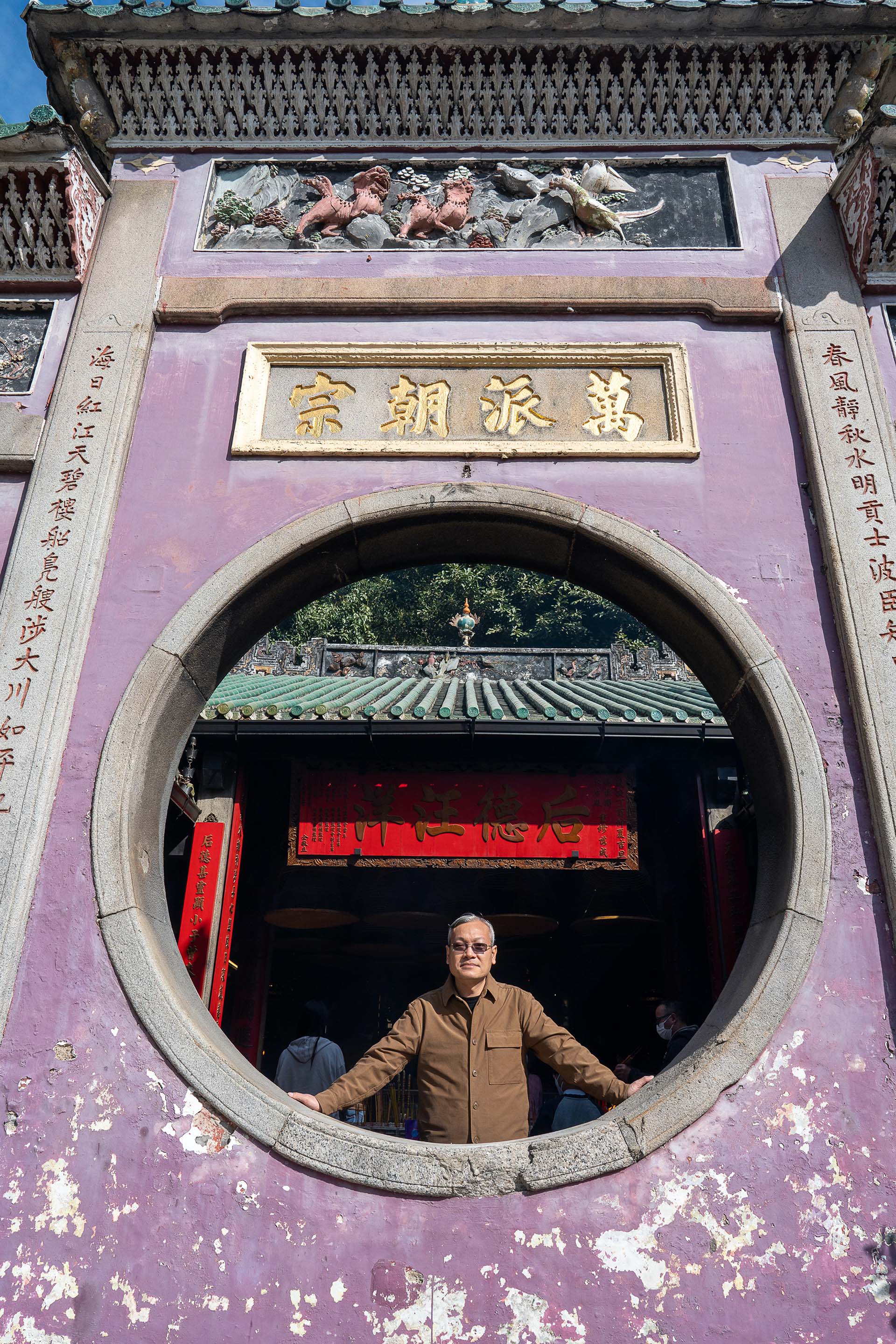
Currently, several of Macao’s heritage trees are in historically significant sites. The Old Protestant Cemetery, for instance, contains mature specimens that have shaded the grounds for generations. At the A-Ma Temple, some trees have appeared in visual records dating back to the 19th century.
French traveller and painter Auguste Borget, who visited Macao in the 1800s, created detailed sketches of the A-Ma Temple and its surrounding landscape. In his writings, he praised the site for the harmony between architecture and nature.
This relationship echoes “Chinese architectural philosophy, which places strong emphasis on integrating buildings with their natural surroundings,” Mr Lui highlighted. “For architects, the natural environment must always be part of the project,” he added. “Existing landscape and vegetation should be considered from the beginning.”
Ancient trees often influence how urban projects are conceived and designed, the architect noted. In some cases, development plans in Macao have been modified to preserve mature trees valued by local communities. These decisions reflect a growing recognition that natural heritage contributes to a city’s identity and quality of life.
MUPI’s Mr Teng argues that planning must go beyond simply protecting the tree itself. Instead, it should recognise the broader relationship between the tree, its location and the people who interact with it. He described this approach as the “tree–place–people–event” perspective. Preserving valuable trees, he added, must “move towards the holistic inheritance and revitalisation of their cultural landscape and the spirit of their place”.
Urban design can also help communicate the stories behind these living landmarks. Interpretive signage, art installations and digital guides can highlight their historical significance, while cultural tourism routes may incorporate them as distinctive stops along the city’s heritage trails.
The goal, Mr Teng said, is to transform ancient trees from isolated conservation points into “emotional landmarks” recognised by residents and visitors alike.
The pressures of development
Despite increasing awareness of their value, protecting ancient trees in Macao is often complicated by practical constraints, with the most obvious challenge being land scarcity. “Persuading all stakeholders to ‘reserve’ land for ancient trees within the severely limited total land area is the most pressing challenge,” Mr Teng acknowledged.
Another difficulty arises from property rights, the urban expert noted. Some ancient trees stand on private land, where their preservation may restrict potential development. Although legal protections exist, compensation mechanisms for affected landowners remain limited, an imbalance that can sometimes create tensions between public interest and private economic considerations, Mr Teng suggested.
Urban infrastructure might add another layer of complexity, as modern cities require extensive underground networks for water supply, sewage systems, electricity cables and telecommunications. Road widening projects and drainage improvements often involve excavation that can disturb the root systems of nearby trees.
“Balancing the need to meet modern urban operational functions while preserving sufficient, unpaved, and utility-free soil space for the survival of ancient trees presents a significant technical challenge for engineering design,” Mr Teng stated.
Engineers and planners, the urban planner added, must coordinate closely when designing infrastructure near heritage trees. Solutions may include rerouting underground utilities, installing root protection systems or maintaining permeable soil zones that allow roots to breathe and absorb water, he explained.
Equally important is monitoring throughout the entire life cycle of development projects, from initial design to construction and long-term maintenance. Mr Lui emphasises the importance of thorough research into the natural environment before any project begins.
“Over the years, I think Macao has respected its nature and environment, even amid such rapid development, ensuring the city’s sustainability,” the architect said. “It also helps that the city has a legal framework to safeguard valuable trees, with a list that is regularly updated and provides vital data for the city’s urban development.”
Conserving ancient trees also requires cooperation across multiple sectors of society. Government departments, developers, residents and environmental groups may each have different priorities, and because the benefits of ancient trees – such as biodiversity or cultural value – are difficult to quantify in financial terms, reaching a consensus could prove challenging, Mr Teng stressed.
“The planning process must serve as an effective platform for negotiation, seeking the greatest common denominator among diverse demands through scientific assessment, public discussion, and scheme comparison,” the head of MUPI stated.