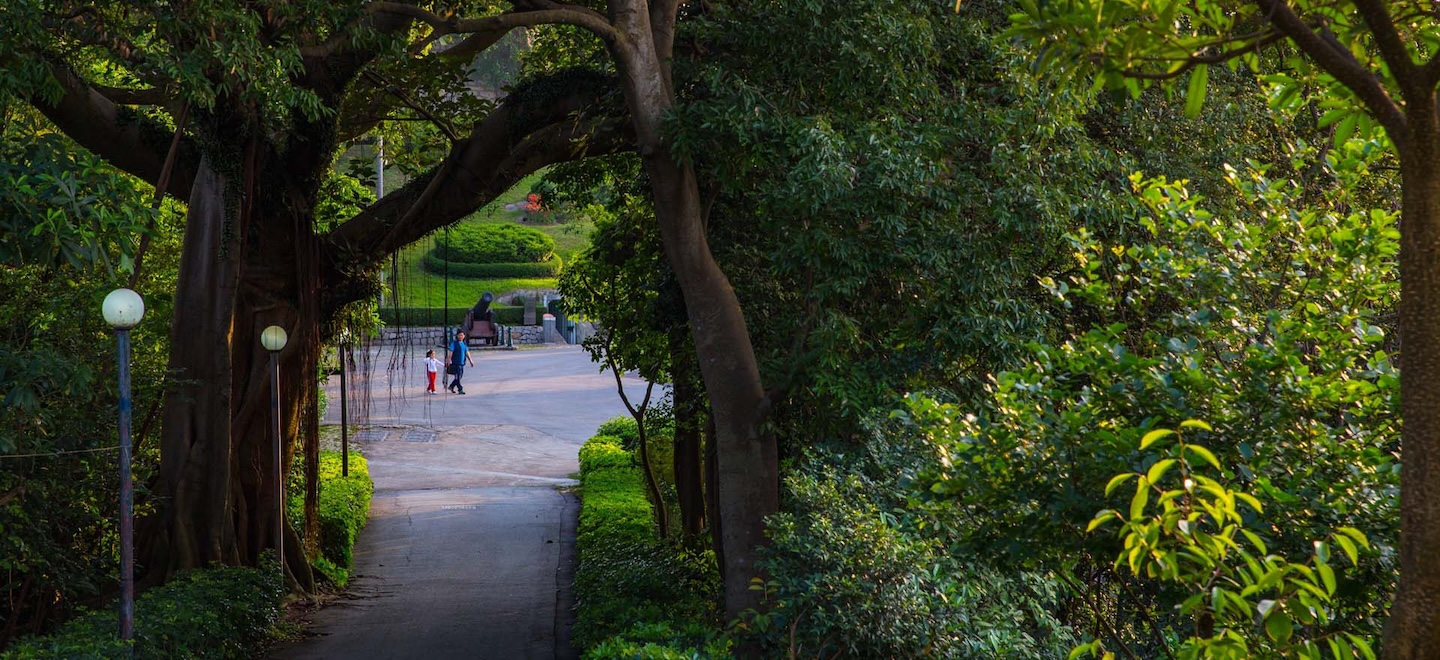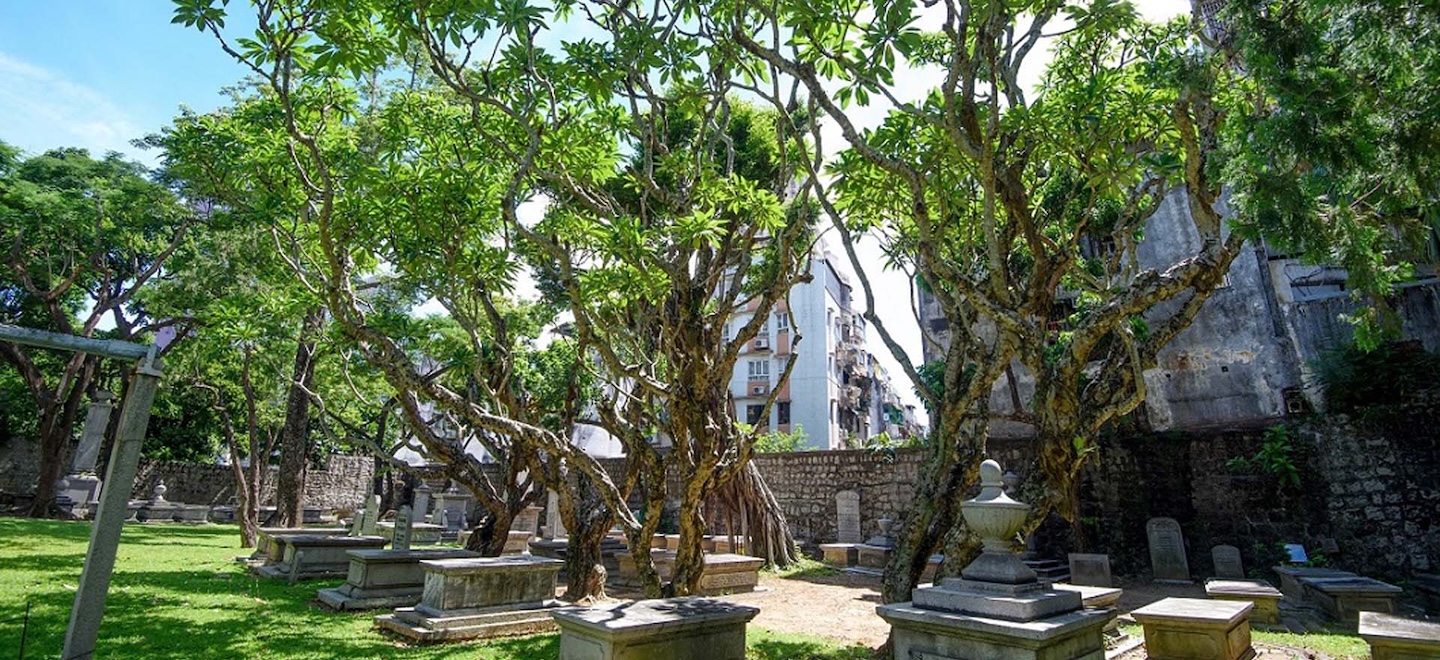
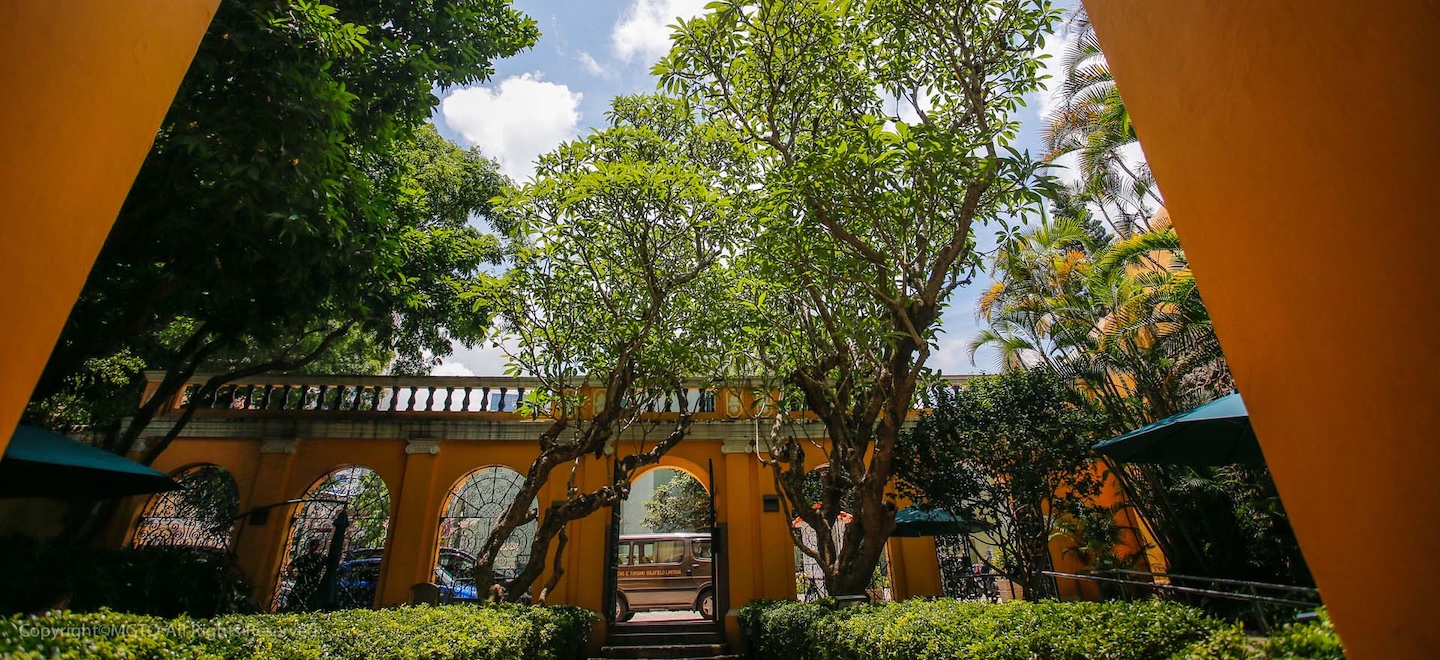
In a city where land is scarce and urban development moves quickly, safeguarding trees that are hundreds of years old requires more than admiration. It requires law, science, planning and collective care, efforts that continue to be implemented and improved over the years, the city’s Municipal Affairs Bureau (IAM) said in comments to Macao Magazine.
Today, the bureau added, Macao has developed a comprehensive legal and administrative framework to protect these living heritage assets, combining cultural heritage legislation, urban planning policies and technical conservation measures.
At the heart of Macao’s protection system is Law No. 11/2013 on Cultural Heritage Preservation, which formally recognises ancient and remarkable trees as part of the city’s cultural heritage. By placing these trees under statutory protection, the law acknowledges that they are not simply elements of greenery but unique historical witnesses and ecological treasures.
According to Article 106 of Law No. 11/2013, IAM “is responsible for the assessment, formulation and updating” the database on ancient trees, and “continuously includes trees that meet the criteria for ancient and valuable trees into the List of Protected Ancient and Valuable Trees,” IAM stated.
The legislation provides clear safeguards. It prohibits the illegal felling or damaging of protected trees and establishes penalties for violations. It also defines the responsibilities of public authorities and property owners, ensuring that conservation is a shared responsibility and that protection extends beyond public parks and squares to include trees located on private land.
“IAM is not only responsible for the management and maintenance of ancient and valuable trees under its jurisdiction, but also provides technical support to the owners of other ancient trees whenever necessary, so as to actively promote the entrusted management of ancient trees,” the bureau highlighted.
Mapping arboreal heritage
Behind the legal framework lies years of scientific work. Between 2011 and 2012, the Macao authorities invited specialists from the South China Botanical Garden of the Chinese Academy of Sciences to conduct an in-depth survey of the city’s ancient and valuable trees.
The survey documented trees more than a century old, rare species and specimens associated with “historical events or commemorative significance,” IAM noted. The survey’s findings were later published in “The Charm of Trees”, a book designed to educate the public about Macao’s arboreal heritage.
Scientific cooperation with the relevant authorities in the Chinese mainland has continued. IAM works closely with experts from the Guangzhou Institute of Forestry and Landscape Architecture, who regularly visit Macao to assist with “technical, research, consulting and other support in the areas of conservation, risk assessment, pest control and other areas”.
According to the IAM, caring for heritage trees requires careful monitoring. The bureau maintains a systematic inspection programme that categorises trees according to their health: “endangered” trees are inspected monthly; “normal” specimens quarterly; and “healthy” trees every six months.
Specialised technologies – including tree tomographs and root radar systems – allow arborists to “detect trunk cavities or map underground root systems”. These tools help experts diagnose problems before they become serious, IAM stated. Maintenance work may include pruning, pest control treatments and structural supports designed to prevent collapse while preserving the tree’s natural form.
Training programmes for local professionals further strengthen the city’s capacity to care for its oldest trees. In addition, IAM said it cooperates “with the Guangzhou Institute of Forestry and Landscape Architecture to enhance the technical capacity of local maintenance, and pest and disease control of ancient and valuable trees through regular exchanges with experts from the Chinese mainland”.
Watching over the giants
Protecting ancient trees in Macao often means balancing conservation with urban development. With narrow streets, dense neighbourhoods and limited space, many trees grow in challenging environments.
To improve conditions and enhance the growing environment of ancient trees, IAM said it “actively communicates” with other relevant departments. “For instance, it conducts joint inspections with the Cultural Affairs Bureau and provides advice on ancient tree conservation to urban planning and public construction departments, so as to facilitate the formulation of better plans,” IAM stated.
The bureau also works with planning and public works departments to widen tree pits, install permeable paving materials and reduce soil compaction to “promote the growth of ancient trees”. In some cases, support structures are installed to stabilise ageing trunks.
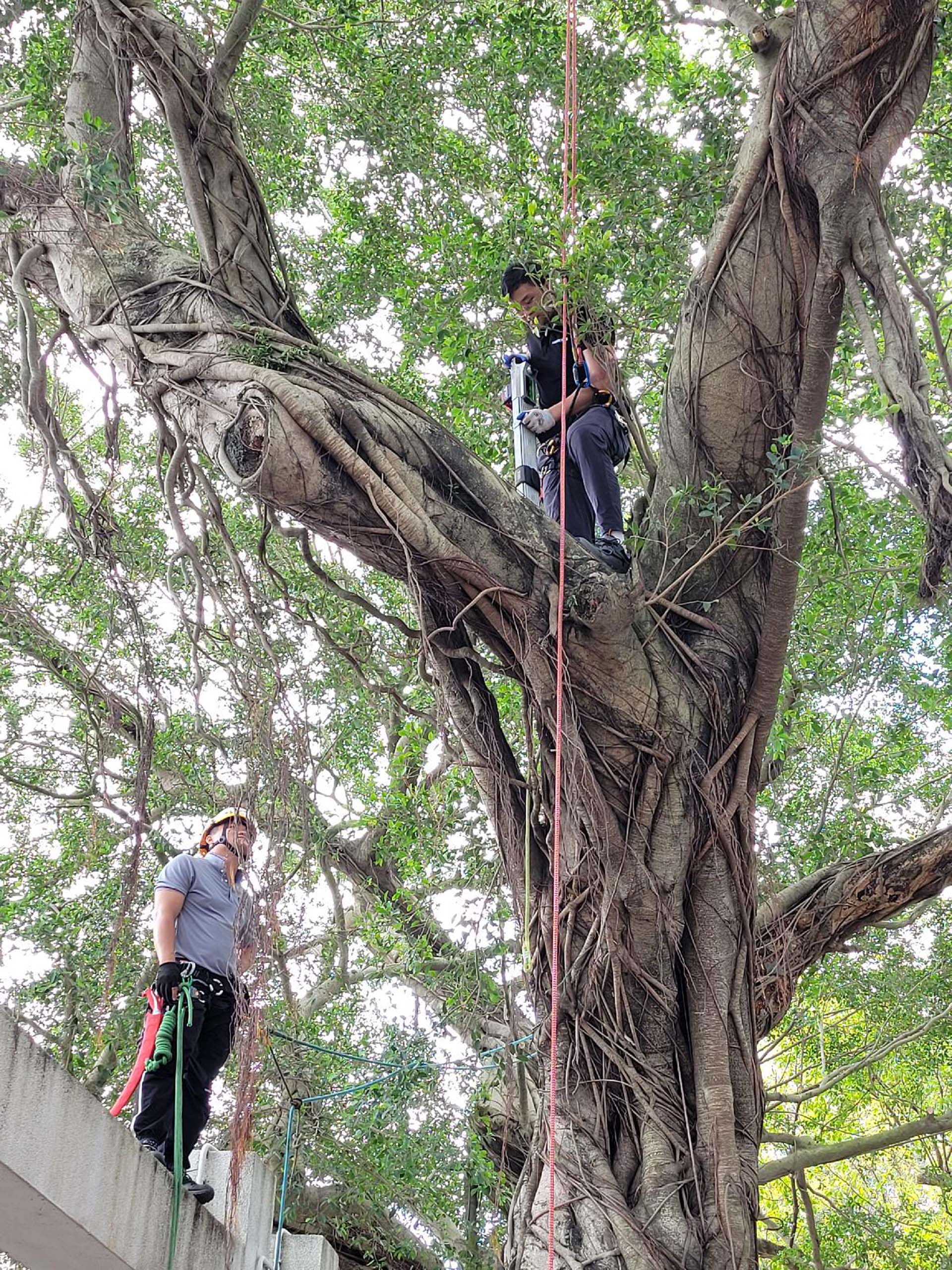
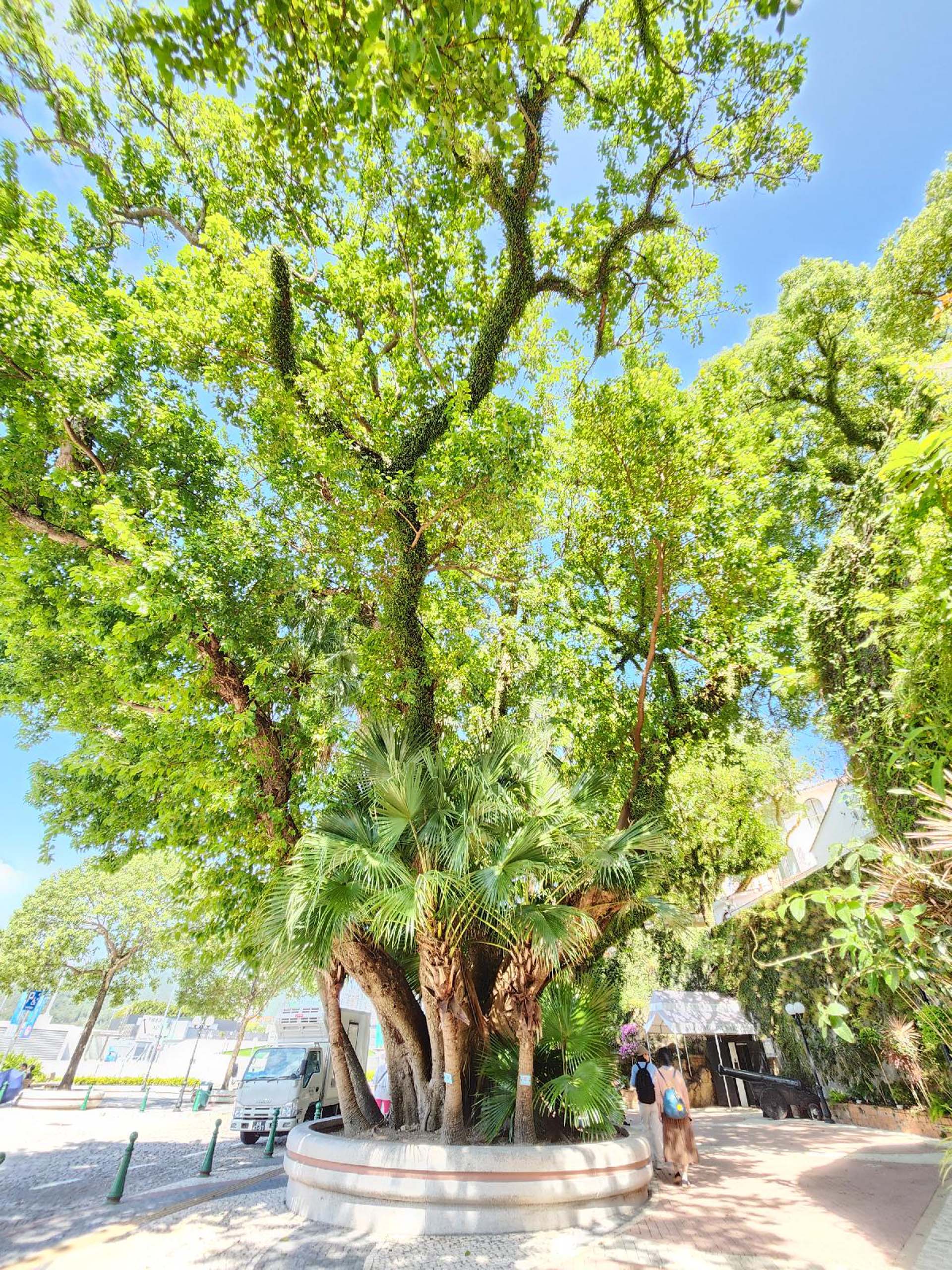
Cooperation between departments is essential. For example, conservation measures were implemented for trees within the Historic Centre of Macao, including environmental improvements around a tree in St. Augustine’s Square.
Urban planning can also adapt to protect individual trees. At Largo do Estaleiro, traffic lanes were adjusted and support frames installed to protect a kapok tree whose trunk grows at an angle. Meanwhile, the design of a public car park in Rua da Cordoaria was refined after consultation with IAM to ensure nearby trees would remain undisturbed, the bureau observed.
While Macao already has a solid legal framework, experts believe the next step is to move from protecting individual trees toward a more integrated ecological strategy.
Teng Kai On, president of the board of directors of Macao Urban Planning Institute (MUPI), highlighted that the list of ancient and notable trees “is dynamically updated, demonstrating the Government’s commitment and responsibility in conserving these trees”.
Supporting long-term care
According to the expert, “from the perspectives of ‘having laws to follow’ and ‘substantive protection’, a foundational framework is established”. However, he added, “to achieve a leap from ‘individual protection’ to ‘systematic stewardship’ and ‘proactive value creation’,” additional steps can be taken.
One proposal is to conduct a comprehensive planning study mapping all ancient trees across the city, progressing to a “systematic integration into spatial blueprints,” Mr Teng suggested. This would identify their roles as ecological nodes and cultural landmarks, allowing them to be integrated into broader urban systems such as green corridors, ventilation pathways and heritage districts.
“This study should not only map their locations but also assess their value as ecological network nodes and cultural landscapes. Based on this, different grades and categories should be defined, with corresponding protection methods and utilisation strategies,” the expert explained.
Mr Teng added: “These findings should then be organically integrated with other planning elements like the green space system, ventilation corridors, and historic district conservation, achieving coordinated protection under a ‘multi-plan integration’ framework.”
Another idea is to introduce stronger incentives for conservation on private land. Possible measures include “special subsidies, tax incentives,” or planning tools such as “transferable development rights and density bonuses,” as well as establishing an “Ancient Tree Conservation Fund,” the head of MUPI said.
Technical guidelines for construction near ancient trees could further reduce accidental damage. “These should regulate root detection, protective construction methods, pavement material selection, and underground space utilisation, providing clear and scientific technical pathways for both development and conservation, thereby reducing damage caused by ignorance or rough construction practices,” Mr Teng explained.
A joint effort
The expert however noted that protecting Macao’s ancient trees is not only the work of government agencies. Community participation should be increasingly encouraged through initiatives such as an “Ancient Tree Adoption Scheme”, inviting businesses, schools and civic groups to help care for these living landmarks.
Public engagement should be strengthened, Mr Teng added, through educational campaigns and activities “like the ‘Macao Green Week’, transforming ancient tree conservation from a government-mandated responsibility into a citizen action shared and built by society”.
Like all living organisms, ancient trees face the realities of ageing, disease and natural decline. Macao’s coastal climate brings additional challenges, including typhoons and extreme weather, IAM noted.
“Different tree species have different lifespans. In particular, large trees, old trees and ancient trees tend to accumulate more problems due to their long growth period,” the bureau stated.
Regular pruning, risk assessments and structural reinforcements help reduce these dangers while preserving the trees’ dignity and vitality, the bureau added.
Yet despite the pressures of time and urbanisation, many of Macao’s ancient trees continue to thrive. Through law, science, planning and public engagement, Macao is ensuring that the city’s heritage trees will continue to shade its streets and squares for generations to come.