

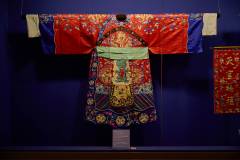
Taiping youxiang (great peace in the world) patterns decorate this cerulean blue python robe from the Guangxu reign (1875-1908) of the Qing dynasty


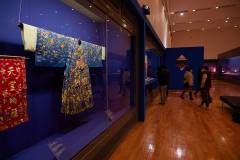
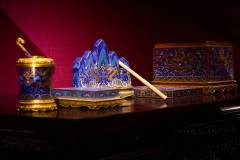
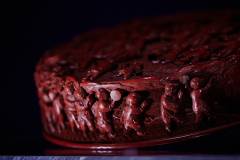
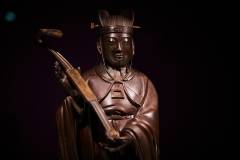
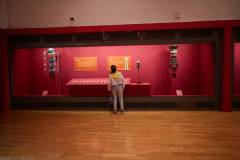
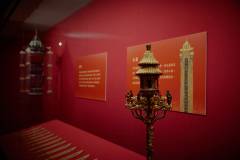
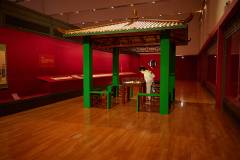


To mark China’s biggest annual celebration, the Macao Museum of Art (MAM) has teamed up with the Palace Museum to exhibit “Auspicious Beginning: Spring Festival Traditions in the Forbidden City”. The Forbidden City, following its completion in 1420, served as the imperial palace for the Ming and Qing dynasties. For this exhibition, however, MAM and the Palace Museum chose to focus on artefacts associated with Spring Festivals held during the Qing dynasty (1644-1922).
The collaborative exhibition aims to deepen understanding of Spring Festival traditions and customs during this period, presenting aspects of worship rituals, family activities, court affairs, and recreations in a novel way.
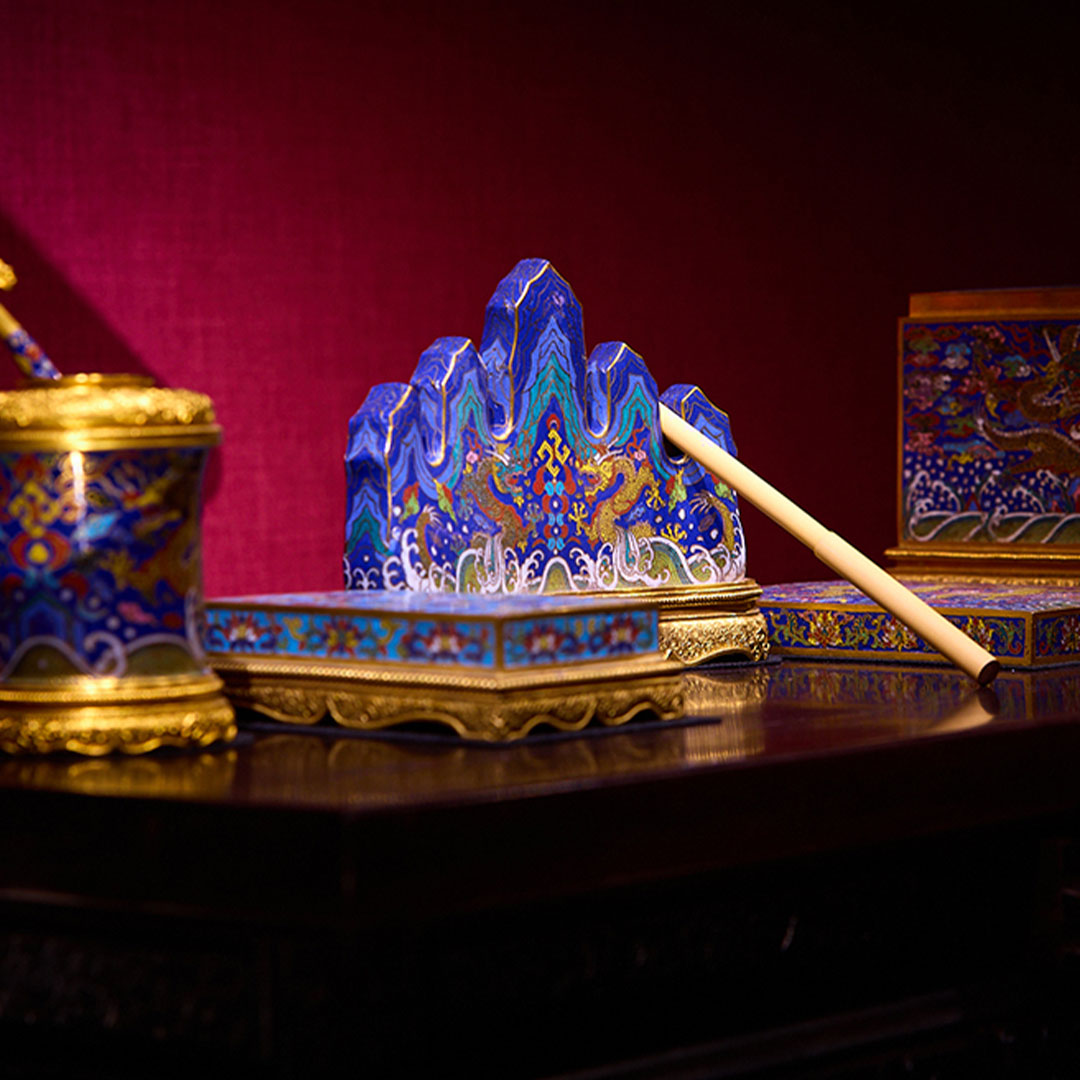
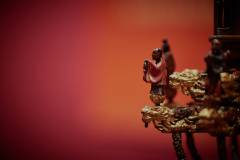
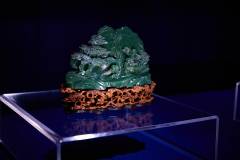
More than 120 artefacts are being displayed, including calligraphic works, paintings, ancient books, royal seals, robes, ornaments, ritualistic objects, musical instruments, and handicrafts. This generous loan of artefacts from the Palace Museum includes many which are on display in Macao for the first time.
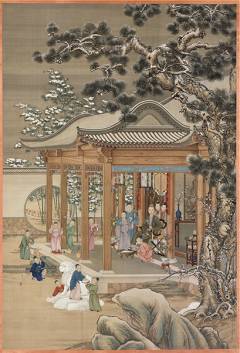
One of the highlights, according MAM Director Un Sio San, is a painting by the Italian artist Giuseppe Castiglione and other court painters depicting Emperor Qianlong (1736-1795) celebrating the Lantern Festival.
“Like a family photo, the painting accentuates the continuation of the Chinese traditions and institutions from former dynasties,” he says. “The work not only reflects the emperor’s wish for his descendants’ prosperity and his subtle considerations in choosing an heir, but also establishes Emperor Qianlong as an ideal role model for self-cultivation, family management, state governance, and ensuring world peace.”
MAM’s broad goal is to promote Chinese culture and art, and Un says “Auspicious Beginning” has been curated to help Macao locals better understand cultural traditions.
The Spring Festival, also known as Chinese New Year or Lunar New Year, is on 23 January 2023. “Auspicious Beginning: Spring Festival Traditions in the Forbidden City” runs from 17 December to 5 March.