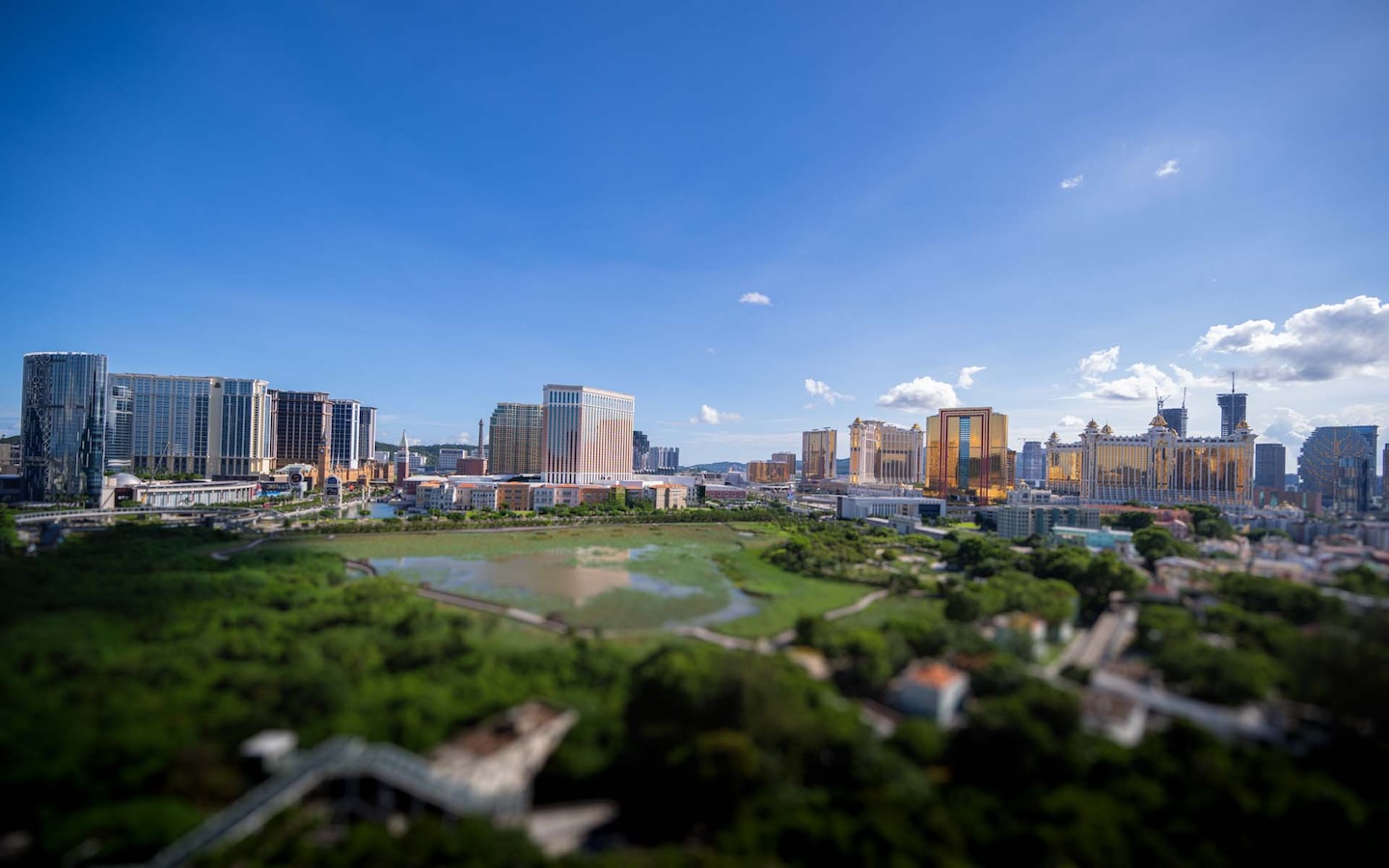
Macao’s hospitality industry was once defined by international expertise. As the city transformed itself into one of the world’s leading tourism and leisure destinations, operators relied on overseas expertise, importing management systems, operational know-how, and senior executives, a step seen as essential to building a modern hospitality industry at unprecedented speed.
But over the past 20 years, another transformation has quietly reshaped the industry from within, as Macao’s hospitality sector is increasingly being led by homegrown professionals, from local executives to managers who have risen through the ranks. Their emergence reflects not only the maturation of the industry, but also Macao’s broader ambitions to diversify its economy and become a world centre of tourism and leisure.
The share of residents in intermediate or senior management positions at the city’s six integrated tourism and leisure enterprises stood at 89.8 percent as of May 2025, according to the most recent figures cited by the head of Macao’s Labour Affairs Bureau (DSAL) in reply to questions from members of the Legislative Assembly. The figure consistently exceeds the minimum 85-percent threshold mandated by the Macao Special Administrative Region (MSAR) Government for local employees in top-tier executive roles in the sector.
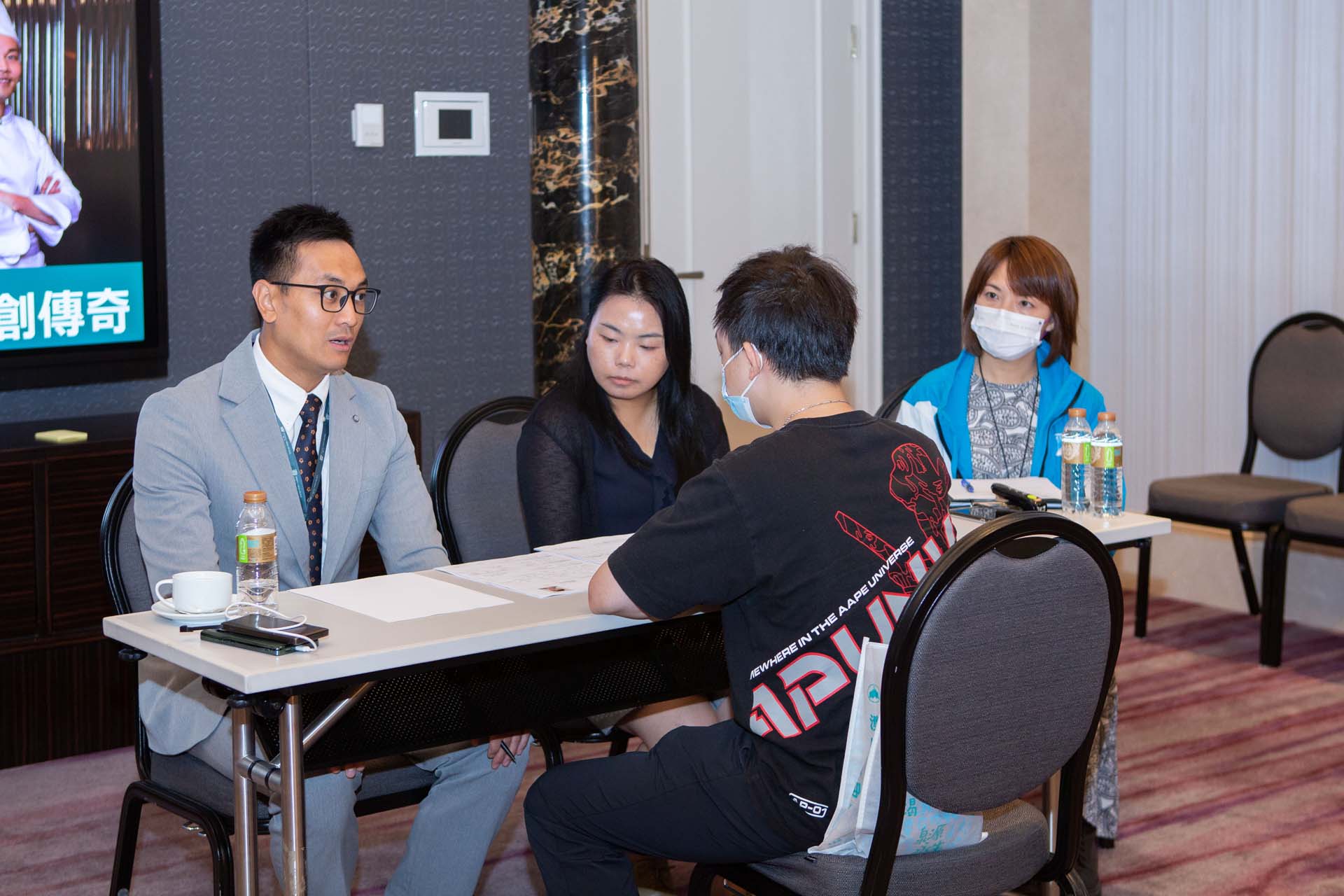
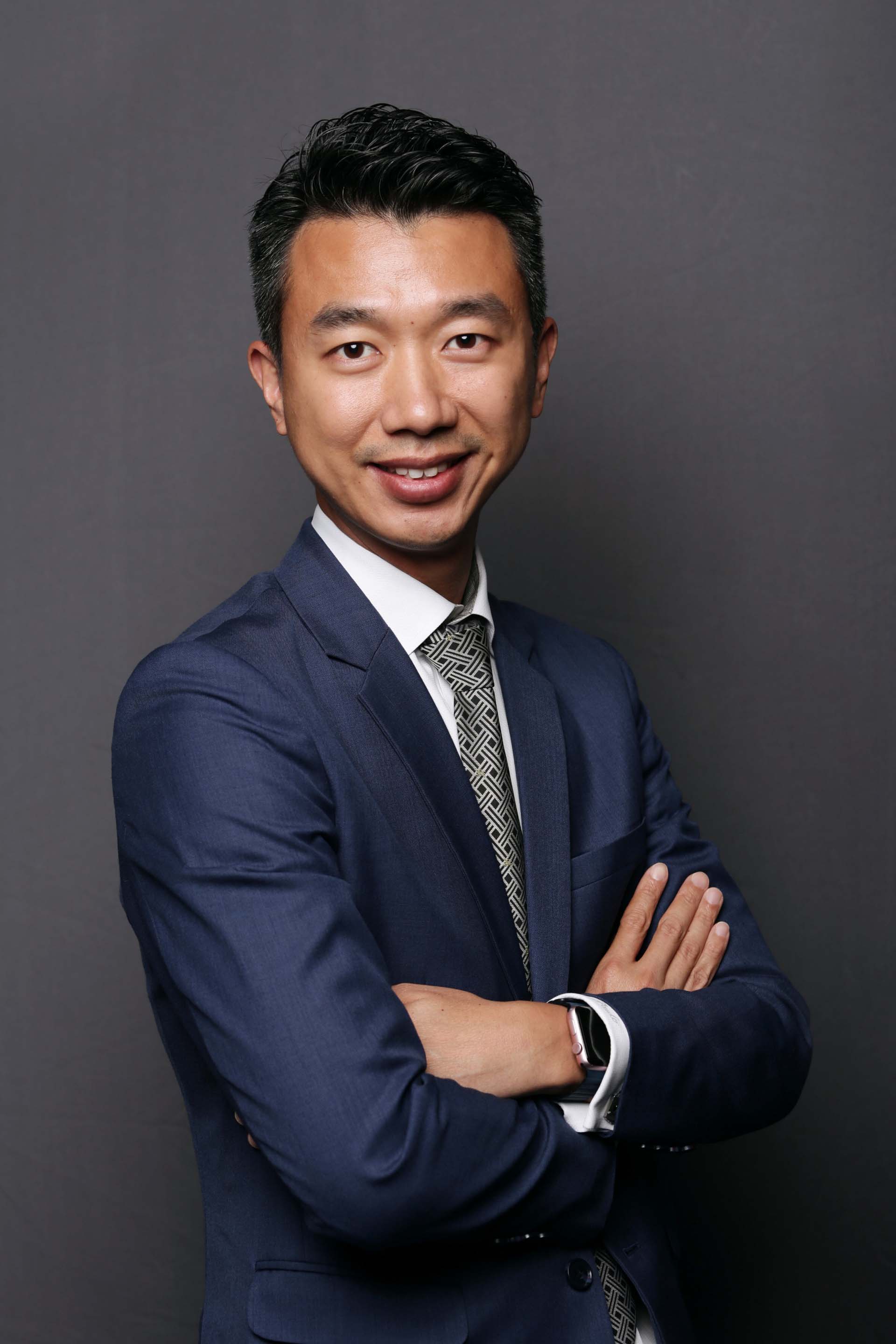
According to Paulo Cheong, senior vice president of human resources at Macao concessionaire Sands China Ltd, the leadership profile of the city’s hospitality industry has changed dramatically. “Over the past two decades, Macao’s hospitality and leisure industry has moved from rapid expansion into a new phase of high-quality development,” he noted. This shift, he added, has brought about a “locally rooted leadership landscape that is globally competitive and closely aligned with national development priorities”.
Also in this feature
 Destined for the top
 A trailblazer in hospitality
 Bridging global experiences with local know-how
 Local leader elevates Macao’s MICE business
 UTM: Shaping future hospitality leaders
Mr Cheong graduated from the Macao University of Tourism and joined Sands China in 2006, serving a variety of roles in finance, project development, and ultimately human resources, where he was promoted to senior vice president in early 2024. “Timing played an important role. I entered the industry when Macao’s integrated resort sector was expanding rapidly, which created opportunities to grow alongside it,” Mr Cheong recalled.
“What made the biggest difference, however, was exposure,” he said in an interview with Macao Magazine. Working within large-scale operations and learning from international leaders “helped me build both operational depth and a broader business perspective,” he added.
“Engaging with leading enterprises in the [Guangdong-Hong Kong-Macao] Greater Bay Area and taking part in industry platforms helped me understand how Macao fits into a wider ecosystem, particularly as integration with the Guangdong-Macao Intensive Cooperation Zone [in Hengqin] continues to deepen.”
Policy-driven effort
The shift did not happen by chance. It is the result of a long-term policy framework combining government regulation, private-sector cooperation, and investment in education and training.
At the heart of this transformation are coordinated efforts by bodies such as the Macao Government Tourism Office (MGTO) and DSAL, working closely with industry stakeholders to create structured, upward career mobility for local residents.
Macao’s policy approach to talent development is anchored in the MSAR Government’s broader development blueprint, including its “1+4” economic diversification strategy. The “1+4” framework refers to Macao’s aim to strengthen its role as a tourism and leisure destination, while developing four new industries: “Big Health”, with a focus on Traditional Chinese Medicine (TCM); modern financial services; high and new technologies; as well as MICE, with the hosting of large-scale international events, including business conventions, sporting events and concerts. These sectors require capable local leaders who understand both global standards and local context.
Within this framework, MGTO has adopted what it describes as a “multi-pronged approach” to support career advancement, which includes “free professional training programmes, participation in high-level international forums and events,” and other initiatives such as the “CreatorWeek Macao Ambassador Programme”.
“By providing both technical skills and exposure to global best practices, MGTO helps create a pipeline of locally trained professionals ready to step into leadership roles,” the office said in a reply to Macao Magazine.
Since 2013, MGTO’s training programmes have steadily evolved beyond entry-level competencies.
Today’s curriculum spans international certifications, crisis management, digital technologies, and advanced managerial skills such as emotional intelligence, negotiation, and cross-cultural communication. These programmes are designed to “prepare participants for supervisory and managerial roles,” it added.
MGTO also said it works closely with industry stakeholders “by aligning training content with the actual needs” identified by integrated resorts, hotels, tourism operators, and industry associations. “The training strategy is informed by the Macao Tourism Industry Development Master Plan, tourism trends, and direct feedback from both employers and course participants,” it noted.
Mr Cheong recalled how the demands placed on managers have evolved over the years. Today, he said, executives “need to think more broadly, connecting tourism with areas such as MICE, culture, entertainment, Big Health and technology under the ‘Tourism+’ approach, while supporting Macao’s wider role in the Greater Bay Area”.
He added: “In an integrated resort environment, leadership also means bringing complex operations together, improving the guest experience, and leading diverse teams with purpose. It also means seeing digitalisation and AI [artificial intelligence] as essential professional literacy, and using them to support service quality, efficiency and business growth.”
At Sands China, since 2004, “the proportion of local management has grown from around 20 percent to approximately 90 percent currently,” Mr Cheong stated. “This has been supported by a structured leadership pipeline – from foundational managerial training, to mid-management elite programmes, and through to advanced leadership initiatives.”
Over the years, Macao’s hospitality industry has also expanded the development opportunities and how they are offered. In the case of Sands China, “programmes now include diverse formats such as cross-functional exposure, regional outreach and industry exchange, forming a more dynamic and practical development model,” Mr Cheong highlighted. “Initiatives like our Youth Talent Development System further strengthen the long-term young talent pipeline, ensuring a continuous progression from ‘talent’ to ‘leaders’,” he added.
Structuring upward mobility
Complementing the MSAR Government’s sector-wide initiatives is DSAL’s targeted workforce development strategy, most notably the “Employment + Training” Special Scheme. The programme exemplifies the local authorities’ emphasis on creating visible, structured career pathways within the industry.
The scheme adopts an “employment first, training later” approach, “providing residents with career development opportunities characterised by ‘visible career pathways’, ‘transparent training content’, and ‘clear remuneration packages’,” the bureau said in a reply to Macao Magazine.
Participants are hired into positions and then guided through staged training programmes developed jointly by DSAL and integrated tourism and leisure enterprises. These programmes combine technical skills, managerial competencies, language training, and internationally recognised certifications. The programme “aims to encourage residents to join service roles within the integrated tourism and leisure industry, while supporting local employees in embarking on new career development journeys,” DSAL stated. “This facilitates upward mobility for residents and supports their long-term development within relevant sectors.”
The results are tangible. From 2023 to March 2026, 72 special schemes have been launched, providing “more than 1,000 participants” with employment and promotion opportunities. These cover areas such as hotel services, catering, security, integrated entertainment, mechanical and electrical engineering, digital and information technology, and business analysis, “offering diverse job options for residents with varying educational backgrounds,” the bureau noted.
DSAL also said it actively monitors the proportion of local employees in management positions within the city’s six integrated tourism and leisure enterprises, to ensure it is maintained at above 85 percent. At the same time, policies governing non-local labour ensure that qualified local candidates are prioritised, reinforcing opportunities for homegrown talent.
Public–private collaboration
Central to Macao’s approach is close collaboration between government bodies and private sector operators. Training content across both MGTO and DSAL programmes is not developed in isolation; it is informed by real industry needs, with input from integrated resorts, hotels, and tourism operators.
This alignment ensures that training translates directly into career advancement. Industry partners provide on-the-job training, mentorship, and promotion pathways, while government agencies supply the policy framework, resources, and quality assurance. The result is described as a seamless ecosystem in which education, employment, and advancement are tightly interconnected.
In addition, collaboration extends to certification and accreditation. DSAL said it works with professional organisations and regional partners to introduce qualifications recognised locally and internationally, enhancing both employability and career mobility for Macao residents. “This helps Macao residents obtain qualifications in relevant fields and supports the cultivation of skilled personnel required by the industry,” the bureau noted.
In 2025 alone, DSAL organised 179 training courses in the integrated tourism and leisure sector, with over 3,290 participants and more than 1,360 certificates issued. The momentum continued into 2026, with 47 courses attracting over 820 participants, and more than 300 certificates issued in the first quarter.
MGTO’s training ecosystem further reinforces this path, offering flexible learning formats that allow professionals at different career stages to continuously upgrade their skills. This ensures that talent cultivation adapts to industry trends such as digital transformation and evolving visitor expectations, the tourism office noted.
Succession planning
According to Mr Cheong, one of the main challenges for professionals in the industry “is moving from being a strong operator to thinking more broadly as a leader”.
“In an integrated resort environment, this means understanding not only your own function, but also how different parts of the business come together to shape the overall guest experience,” he observed. “Leadership also brings greater accountability and exposure to new challenges, requiring resilience, openness and a commitment to continuous learning.”
As part of his own career path, a “key shift” was to learn how to promote professional advancement in others. “This means identifying potential, developing future leaders and strengthening the succession pipeline,” Mr Cheong stated.
In his view, the localisation effort “has made a meaningful difference” to Sands China’s culture and operations. “Culturally, it has strengthened the sense of ownership and connection to the local community,” he noted. “From an operational perspective, decision-making has also evolved. There is now greater emphasis on responsiveness, accountability and cross-functional collaboration, rather than reliance on centralised or imported models.”
From a human resources perspective, “what has proved most effective is moving beyond traditional training and focusing on real experience and responsibility,” Mr Cheong highlighted.
“At our scale, developing local leaders requires a structured pipeline. Programmes such as our Integrated Resort Business Analyst Development Programme, co-organised with DSAL, provide early exposure to data-driven decision-making and cross-sector understanding, both of which are increasingly important,” he said.
The executive added: “Developing local leaders is about combining structured pathways, practical business exposure and the right mindset, so that individuals are supported when they move into more complex roles as Macao’s economy evolves – while building a sustainable and future-ready workforce.”
Local higher education institutions have “played an important role” in strengthening career progression paths, Mr Cheong noted, adding that the partnership is now “evolving into deeper, more strategic collaboration”.
“As Macao deepens its integration with the Greater Bay Area, universities can play an even greater role in linking academic knowledge with real business needs,” he added. “For the industry, this opens the door to closer collaboration between the hospitality sector and universities, not only in Macao but also in the Chinese mainland and around the world. This will be essential to the continued progress of our sector and its future leadership pipeline.”
Regional talent hub
As Macao diversifies its economy and strengthens its position within the Greater Bay Area, the implications of its talent strategy extend beyond the city’s boundaries. With a growing pool of highly trained professionals equipped with international certifications and global exposure, Macao is increasingly positioned to become a regional exporter of hospitality talent.
“With strong training infrastructure, partnerships, and institutions like the Macao University of Tourism, Macao is well-positioned to become a regional exporter of hospitality talent, contributing expertise to the Greater Bay Area and beyond,” MGTO said.
“As Macao continues to develop its world-class tourism and hospitality infrastructure, local professionals are gaining increasingly sophisticated skills through MGTO’s training programmes, international forums, and hands-on experience within Macao’s integrated resorts,” the office added.
The tourism authority also said that the city’s unique position as a UNESCO Creative City of Gastronomy and its “growing recognition” in areas such as Muslim-friendly tourism offerings “further enhance the value of Macao-trained professionals”.
“While the immediate priority remains strengthening the local workforce, the competencies being developed today position Macao well to become a source of skilled hospitality talent for the wider Asia-Pacific region in the future,” MGTO stated.
| Developing future decision-makers |
|---|
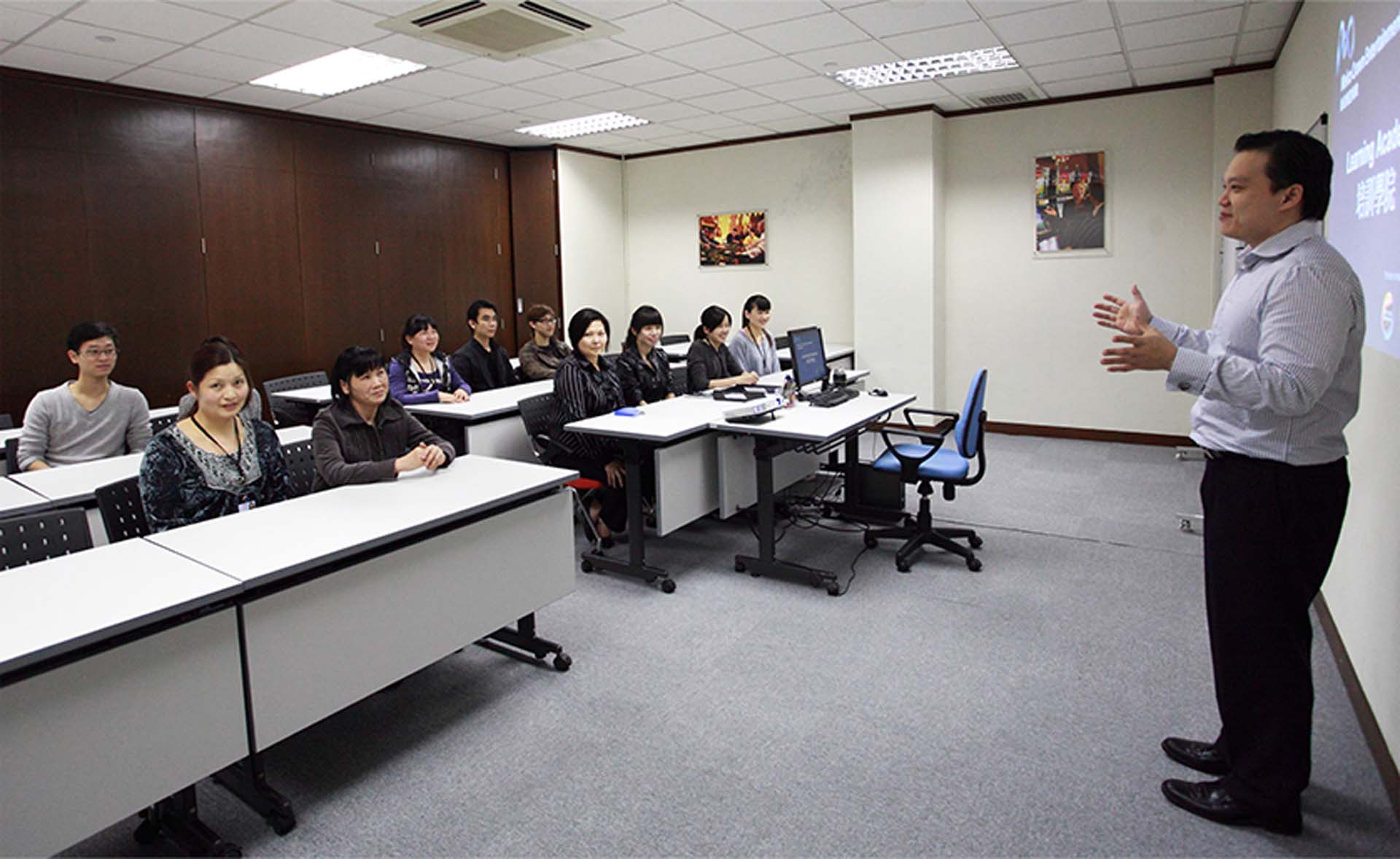
| Macao’s newest cohort of tourism and hospitality graduates is entering an industry that increasingly resembles a corporate career ladder rather than a traditional service track, with faster advancement available to those who combine the right skills with strong support systems, according to Glenn McCartney, associate professor of integrated resort and tourism management at the University of Macau. As integrated resorts have transformed Macao’s tourism landscape over the past two decades, hospitality curricula have expanded beyond service fundamentals to include technology, commercial knowledge and operational expertise. “If you’re talking about integrated resorts, there’s such a broad scope of knowledge and skill needs,” Prof. McCartney said. “But when you come to the core of what we do, we are a service industry.” “Guests are all looking for a quality experience,” he noted. “So the fundamentals are service delivery and meeting guests’ expectations. That’s the basics, and everything else builds on top of it.” With the MSAR Government encouraging greater local representation in mid- to senior-management roles across the city’s six integrated tourism and leisure enterprises, the UM scholar said hospitality education has increasingly shifted towards developing future decision-makers rather than focusing primarily on front-line training. “The fundamentals of service are still there, but as more locals move into management and executive positions, you need a different set of skills: leadership, strategic decision-making, trend analysis and the ability to deliver on KPIs [key performance indicators], budgets, sales and revenues,” he stated. Drawing on more than two decades of teaching hospitality and tourism in Macao, Prof. McCartney noted that the city’s education pipeline has broadened significantly, with local institutions now offering undergraduate, master’s and doctoral programmes that are increasingly aligned with industry needs. Undergraduate students typically begin with business fundamentals such as economics, quantitative methods and communications before specialising in fields including events and conventions, food and beverage, retail, marketing and gaming. Postgraduate programmes, meanwhile, tend to be more research-driven, with a stronger focus on data analysis and industry problem-solving. Prof. McCartney also highlighted the growing ties between academia and industry, particularly through mentorship initiatives designed to prepare students for employment. “Mentorship is also very important,” he said. “We have recently started a mentorship-like programme that links students with industry executives to give them guidance and support before graduation. It can help them when they enter the industry and possibly progress faster once they begin their careers.” Career progression, however, can vary significantly in the early stages. “It’s not just about skills and knowledge set; it’s also about attitude, self-motivation and your own driving force,” the scholar suggested, noting that some graduates advance more quickly because of personal initiative and other individual traits. He added that operators are increasingly investing in internal executive training programmes – sometimes in partnership with universities – to develop, retain and fast-track high-potential employees. For enterprises, identifying the right fit early can be just as important as formal training, he said, encouraging integrated resorts to rotate young recruits across departments to identify where they perform best. “Some are really made for marketing. Some are made for event and entertainment management. Some are made for the front office. Others are better suited to back-of-house roles,” he said. |