The General Administration of Sport of China, the Central Government body overseeing sport, positions the National Games as the nation’s highest-level domestic multisport competition. Over time, the Games have served both to highlight sporting achievement and to supply talent for Olympic and world championships.
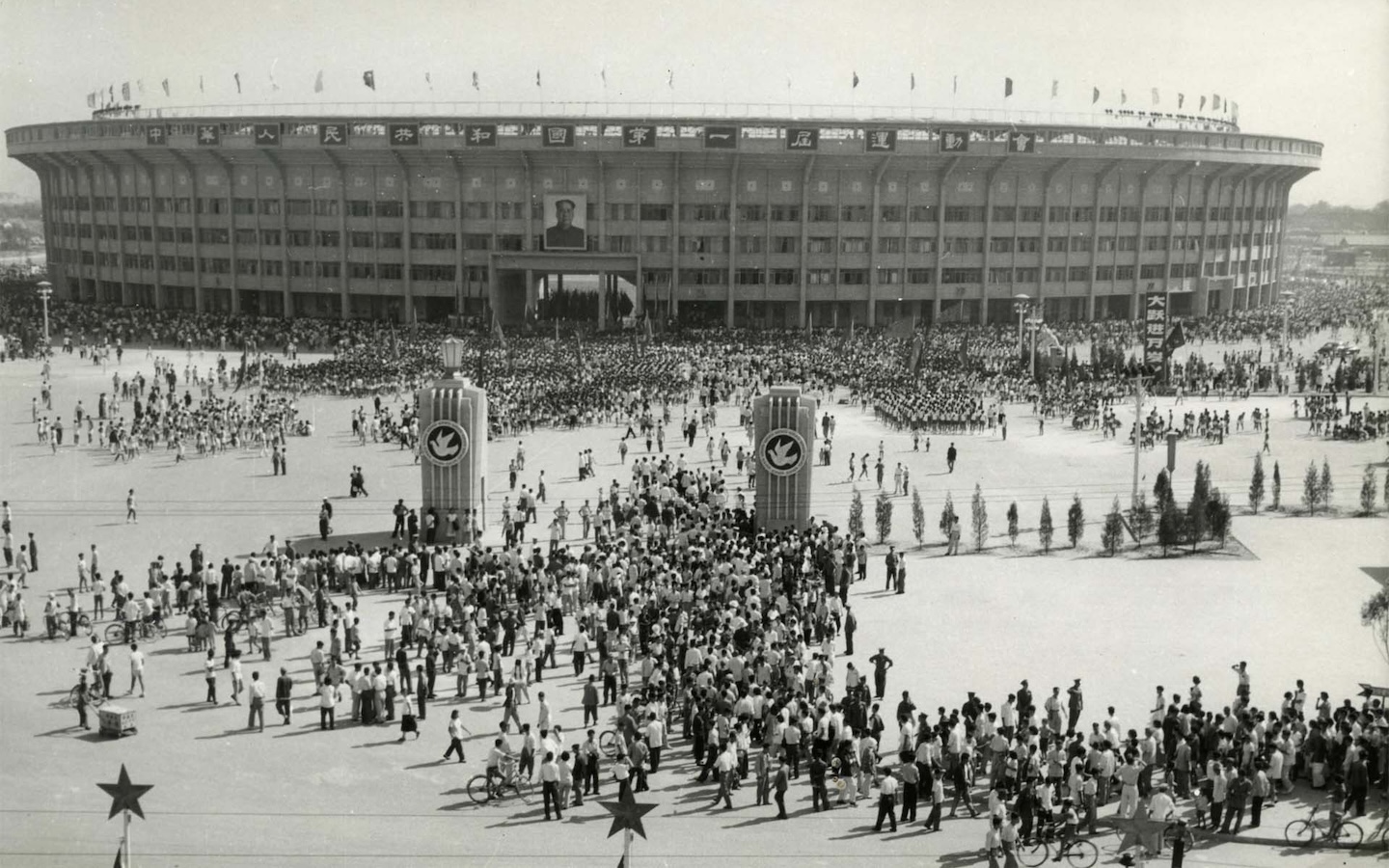
The inaugural edition of the National Games was held to mark the 10th anniversary of the founding of the People’s Republic of China. A 1958 directive from the Central Committee of the Chinese Communist Party on sports work framed the event as a means to “further promote the development” of the country’s sports, asserting that it would hold “great significance internationally” and therefore needed to be “well-organised.”
Staged at the Beijing Workers’ Stadium from mid-September to early October 1959, the first National Games brought together 10,658 athletes representing 28 provinces, municipalities and autonomous regions, alongside a delegation from the People’s Liberation Army (PLA). The programme featured 36 competitive events and six performance events, combining conventional Olympic sports with military and mass-display disciplines – reflecting an emphasis on both elite performance and broad physical mobilisation. A total of 384 gold, 405 silver and 380 bronze medals were awarded.
From Beijing to a nationwide spectacle
Beijing hosted the earliest editions of the National Games – including the first four and again the seventh – but as Chinese provinces industrialised and modernised, the hosting model shifted. Cities and regions with the requisite infrastructure increasingly gained the honour of hosting the National Games including Shanghai, Guangdong, Jiangsu, Shandong, Liaoning, and Tianjin. By the late 20th and early 21st century, the Games had become a vehicle for regional development including investment in sports facilities, transport and hospitality.
The 14th edition of the National Games, held in Shaanxi province in 2021, took place amid the COVID-19 pandemic and was regarded as a demonstration of the country’s capacity to stage a large multisport event under public health constraints. The competition ran across multiple locations, featuring 54 sports and 595 events. More than 12,000 elite athletes and 10,000 amateur participants took part, underlining both the scale and logistical complexity of the Games during a pandemic. The opening ceremony in Xi’an combined spectacle with strict health-security measures, contrasting sharply with the near-empty stadiums seen at many international competitions at the same time. During the event, more than 17,000 spectators cheered on Su Bingtian – who had earlier that year made history at the Olympics, becoming the first Chinese sprinter to qualify for the 100m final – as he smashed the 10-second barrier once again.
Unlike national championships in many other countries, the National Games are contested by provincial teams – including provinces, autonomous regions, municipalities, and special administrative regions. In previous decades, the PLA also sent delegations to participate. Since 2020, however, China’s military sports teams have withdrawn from civilian competitions.
Sports for all
The competition programme itself has both broadened and split into tiers. While the core remains Olympic-style elite events, organisers have incorporated a “mass” or amateur programme alongside the elite calendar and have periodically added sports with strong domestic followings, such as wushu. This dual structure serves to sustain grassroots engagement while preserving the Games’ role as a feeder system for national teams.
Mass participation events were first introduced in the 13th National Games, held in Tianjin in 2017. They were framed under the concept of “benefit ordinary people, make a healthy China,” providing the public with an opportunity to participate in the nation’s highest-level multisport event and promoting sports for all.
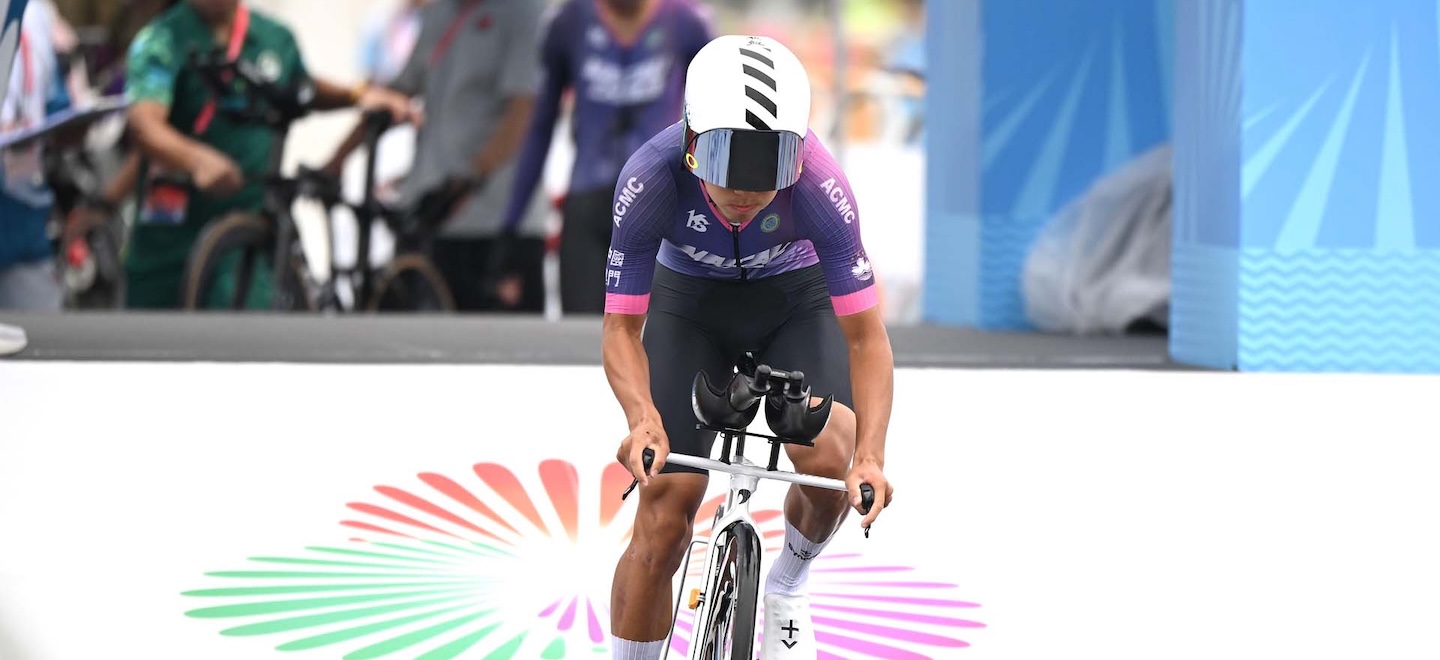
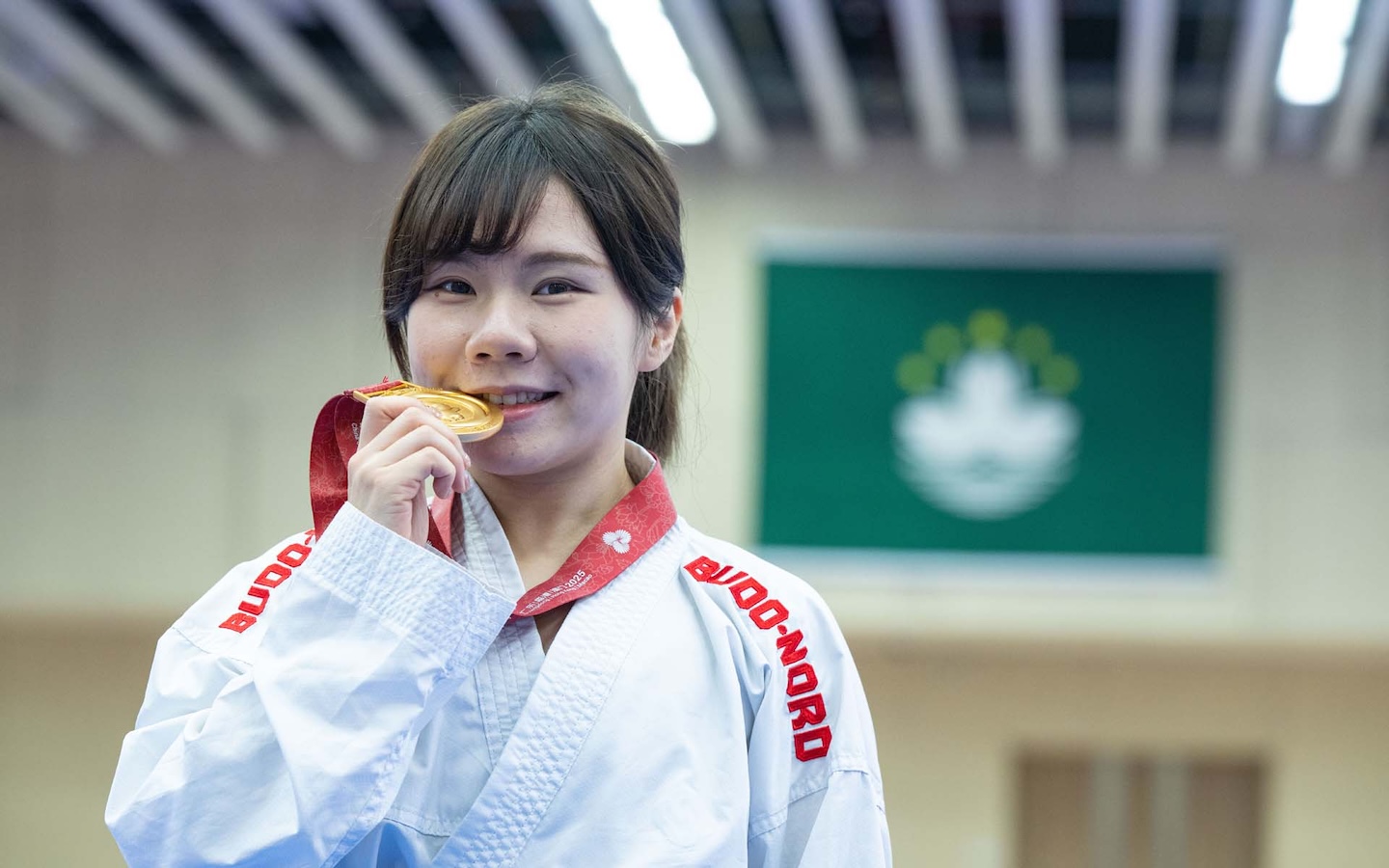
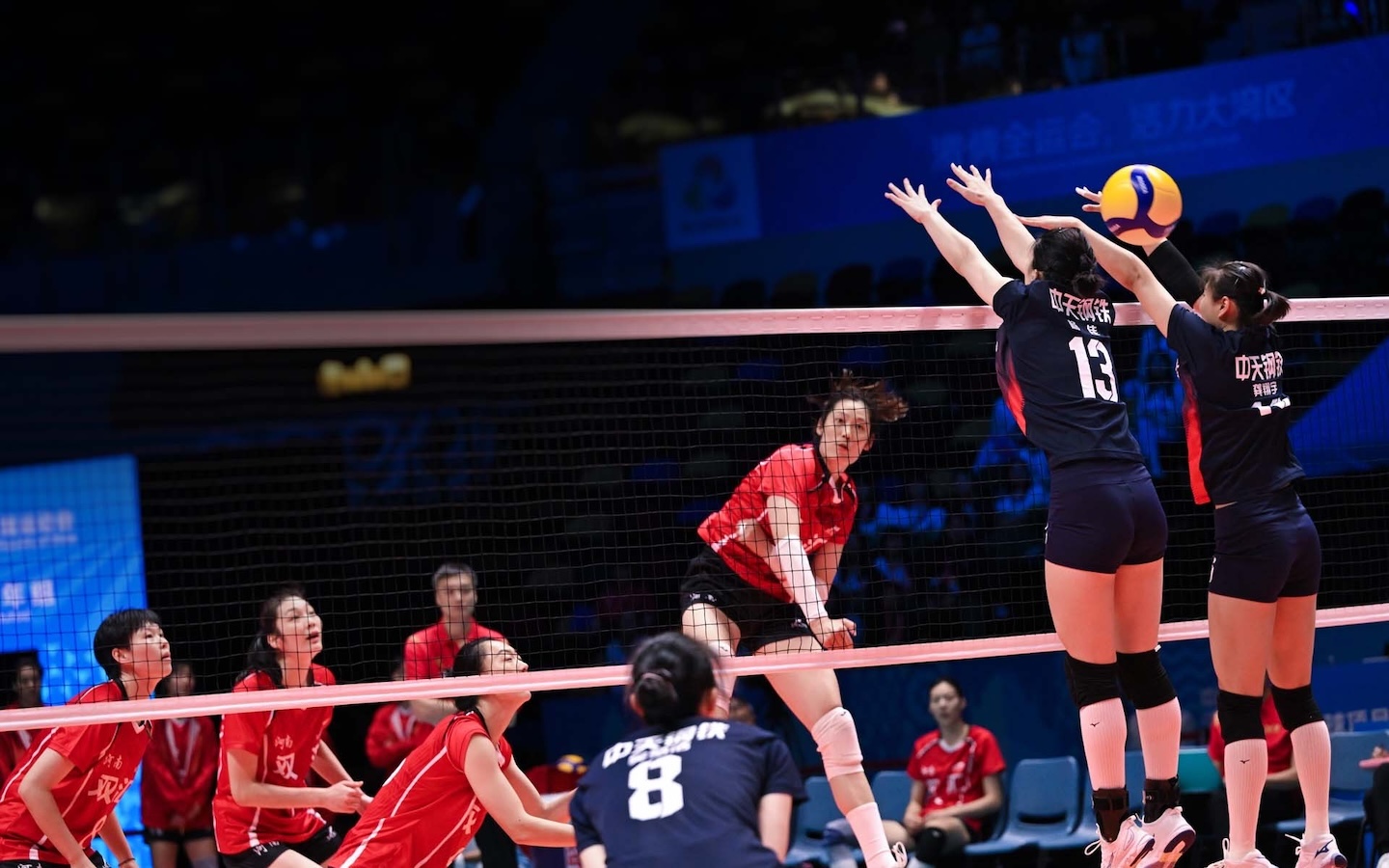
Mass participation events are divided into two categories: competition and demonstration. In the 15th National Games, held in November across Guangdong, Hong Kong and Macao, competition events included badminton, football and dragon boating, while demonstration events featured health qigong and tai chi.
| All the National Games of the People’s Republic of ChinaHost city/provinceYear | ||
| Edition | Host city/province | Year |
| 1st | Beijing | 1959 |
| 2nd | Beijing | 1965 |
| 3rd | Beijing | 1975 |
| 4th | Beijing | 1979 |
| 5th | Shanghai | 1983 |
| 6th | Guangdong province | 1987 |
| 7th | Beijing | 1993 |
| 8th | Shanghai | 1997 |
| 9th | Guangdong province | 2001 |
| 10th | Jiangsu province | 2005 |
| 11th | Shandong province | 2009 |
| 12th | Liaoning province | 2013 |
| 13th | Tianjin | 2017 |
| 14th | Shaanxi province | 2021 |
| 15th | Guangdong province, Hong Kong, Macao | 2025 |
| 16th | Hunan province(Up next) | 2029 |