How was the Macao Federation of Trade Unions established?
Before the Federation of Trade Unions was formally established, the city was home to 12 labour associations representing different industries. Following the founding of the People’s Republic of China in 1949, these organisations came together in response to a call from the Chinese mainland and jointly established the Macao Federation of Trade Unions.
The resulting organisation, known in Portuguese by the acronym FAOM, was officially founded in 1950. Since then, it has operated as a federation of member associations and recently celebrated its 76th anniversary, marking more than seven decades of service to the community.
What are FAOM’s core principles?
Although FAOM has continually expanded its services in response to changing social needs, its core values have remained constant. Following the founding of the People’s Republic of China, patriotism and the protection of workers’ rights became its immediate priorities.
After Macao’s return to the motherland and the establishment of the Macao Special Administrative Region (MSAR) in 1999, under the principle of “Macao people governing Macao” with a high degree of autonomy, the federation broadened both its civic engagement and its services to the public. Today, its work is guided by four core principles: patriotism, the protection of workers’ rights, civic participation, and community service.
What support programmes are available for people in the labour market?
FAOM works closely with the government’s Labour Affairs Bureau to support workforce development. One of its flagship initiatives is the Macao Integrated Tourism and Leisure Enterprises Vocational Skills Competition, now in its eighth edition, which provides employees with an opportunity to demonstrate professional excellence across a range of industries.
The federation also operates three specialised training centres tailored to current labour market demands.
The Amateur Continuing Study Centre, established in the 1980s, was originally created to provide evening education for workers who had been unable to complete their formal schooling. While accounting and Portuguese language courses were once among its most popular offerings, today’s curriculum includes subjects such as artificial intelligence (AI), internet safety, and video production, reflecting the changing needs of the modern workplace.
The FAOM Vocational Skills Training Centre provides practical instruction in a wide range of trades, including hairdressing, childcare, electrical work, and plumbing, helping workers develop industry-specific skills.
FAOM’s third training centre focuses on gastronomy. It serves both as a training facility and an accredited examination centre for culinary qualifications, helping to develop many of Macao’s hospitality professionals while enabling them to obtain nationally recognised certifications.
How many service points does FAOM currently operate?
FAOM now comprises 73 member workers’ associations, alongside 10 organisations with honorary member status. To deliver its services effectively, the federation operates more than 40 service points throughout Macao.
In addition to job placement and vocational training, FAOM provides services across education, youth development, culture, sport, women’s affairs and social welfare, making it one of the city’s largest and most interconnected community service networks. These initiatives form what the federation describes as a “whole-chain” support system, designed to assist workers throughout every stage of life.
By meeting the personal and family needs of workers, FAOM aims to ease everyday pressures, allowing people to participate in the workforce with greater confidence and security.
Can you elaborate on FAOM’s childcare and education services?
To support households where both parents work, FAOM established a network of nurseries for children below the age covered by Macao’s compulsory education system. The federation now operates four nurseries across the Macao peninsula, Taipa and Seac Pai Van.
Alongside childcare services, FAOM advocates policies that strengthen family support, including longer maternity and paternity leave, to give parents more time to bond with their newborn children.
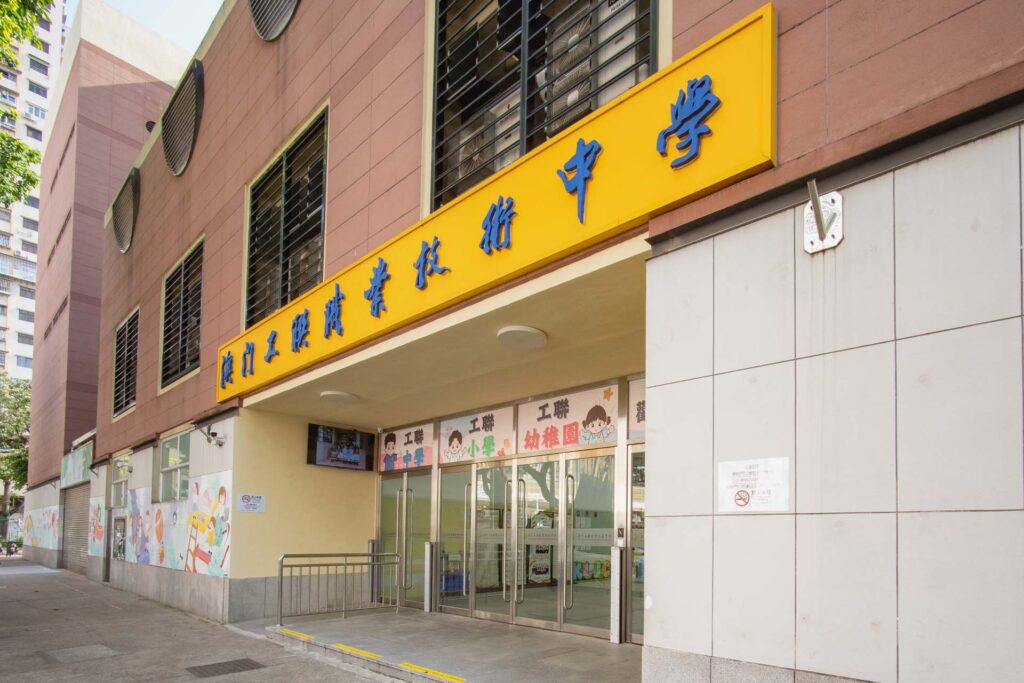
As children grow older, the federation provides educational opportunities through institutions such as Lou Hau High School. Founded 76 years ago, the school was established through community donations to provide children from working families with access to education and a pathway out of poverty.
The federation also operates the Macau Kung Luen Vocational & Technical Middle School, whose curriculum focuses on practical, industry-oriented skills that prepare students for a smooth transition into the workforce.
What medical support services does FAOM offer?
Recognising that the cost of healthcare once prevented many workers from seeking timely treatment, FAOM complemented the opening of its first school in 1950 by establishing its first medical clinic the following year.
With support from the business community, Kiang Wu Hospital and local healthcare professionals, the federation founded Clínica dos Operários de Macau to provide affordable, high-quality medical care for workers. Today, FAOM continues that mission through three clinics serving residents across Macao.
What support does FAOM provide for retired workers and senior citizens?
FAOM views ageing as a continuum rather than a fixed stage of life. While many seniors begin accessing the federation’s elderly services at around the age of 60, the organisation recognises that older people have diverse needs, health conditions, and lifestyles.
For active and independent older residents, the federation’s day centres offer a wide range of cultural, recreational and sporting activities. These centres provide valuable opportunities to socialise, build friendships and remain engaged with the community.
As individuals become more vulnerable and require practical assistance, including those with reduced mobility, FAOM provides hot meals, mobility support and personal care services to help them maintain their independence.
For those who require full-time care, the federation operates a fully staffed nursing home in Ká Hó, providing round-the-clock support for elderly residents with more complex needs.
What specialised cultural and sports services does FAOM offer?
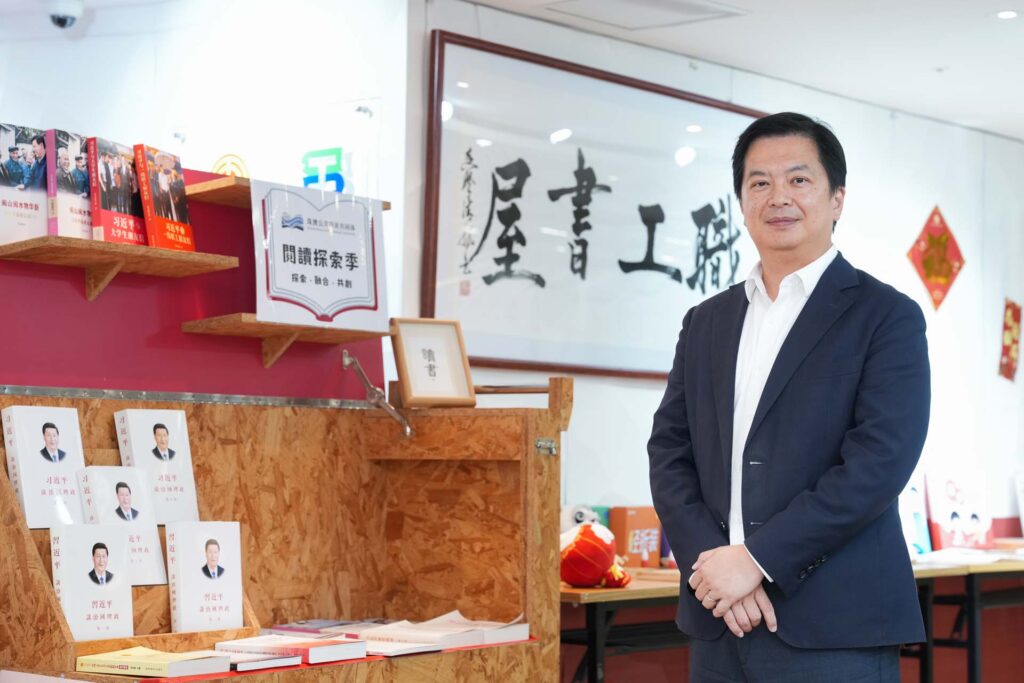
The federation’s cultural initiatives extend well beyond traditional community services. In 2006, cities across the Chinese mainland began establishing Workers’ Book Houses, a movement that has since expanded to more than 100,000 facilities nationwide. The Macao Federation of Trade Unions Workers’ Book House became the first such facility within the Macao, Hong Kong and Taiwan regions.
The book house opened in 2023, with the support of the All-China Federation of Trade Unions. It is much more than a library. It promotes Chinese culture through workshops on traditional crafts, including seal carving, printmaking and paper-cutting. A dedicated section also showcases and sells speciality products from provinces such as Jiangxi, Guizhou and Yunnan, giving local residents an opportunity to learn more about different parts of China while supporting regional development.
FAOM also operates a sports complex that provides workers with a place to exercise and relax. The facility traces its origins to a modest sand football pitch near today’s Praça de Ferreira do Amaral, where workers gathered after their shifts to play sport.
As Macao developed, the venue relocated near the Border Gate and expanded into a modern sports complex with a football pitch, swimming pool and many other facilities. Today, it serves not only workers but also the wider community, with local schools regularly using the venue for physical education classes.
What role do FAOM’s youth-focused programmes play in supporting young people in Macao and preparing them to participate in society?
The federation established its Youth Committee in 1990 to support young workers before gradually expanding its remit to serve young adults across Macao. Through a range of civic and professional development programmes, it aims to equip participants with the skills and confidence to contribute to society.
One such initiative is the Macao Youth Political Talent Training Program, which brings together expert speakers to discuss the city’s political development, encouraging participants to think critically and contribute constructively to public affairs. Another long-running project is the AGOM Youth All-Round Emcee Competition Series of Macau, now in its 21st edition. The competition nurtures public speaking and presentation skills, with many of today’s professional event hosts in Macao having once taken part in the programme.
A central objective of these initiatives is to strengthen young people’s sense of national identity and belonging. Educational exchange visits to the Chinese mainland are organised regularly, giving participants the opportunity to observe the country’s social and economic development first-hand.
In what ways does FAOM participate in Macao’s political sphere?
Civic participation is one of FAOM’s four guiding principles, reflecting its belief that civic engagement is essential to supporting the MSAR Government’s vision of building a better Macao together as a society.
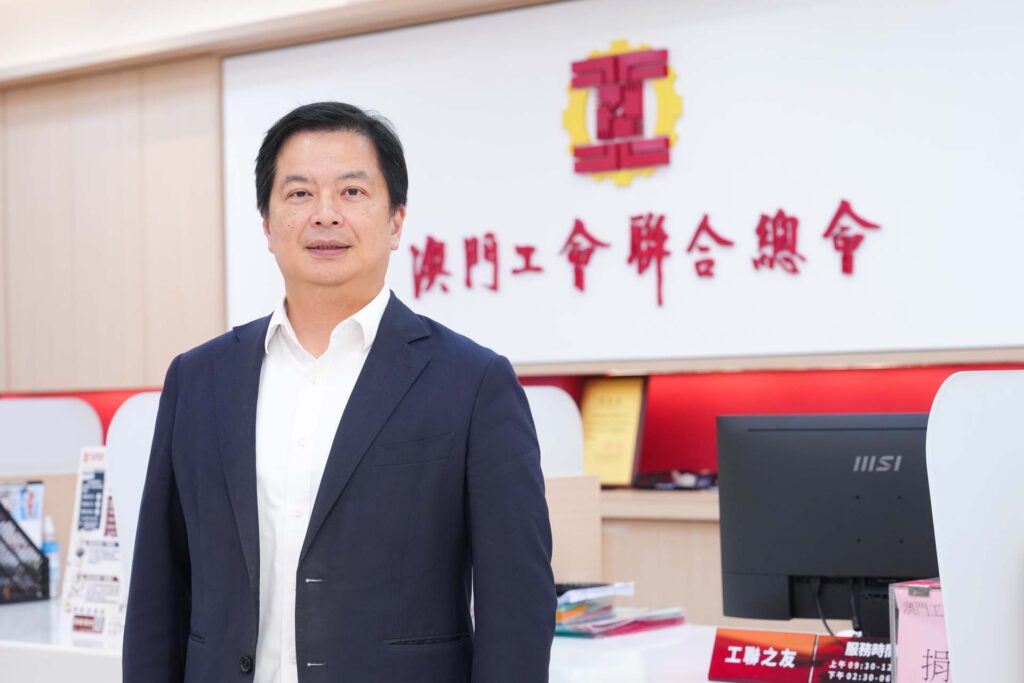
The federation encourages involvement at multiple levels. For younger people, it provides opportunities to participate in community committees, advisory bodies and its own political affairs committee, enabling them to gain practical experience and develop a deeper understanding of public affairs.
FAOM also participates in the Legislative Assembly through legislators affiliated with the federation, contributing to discussions on public policy. The labour sector is also represented by 59 members on the Chief Executive Election Committee. FAOM encourages these representatives to examine governance philosophies and election platforms carefully before casting informed votes.
Through different channels of participation and with the support of the country, FAOM also enjoys opportunities to contribute to national affairs.
How does FAOM contribute to the development of the Guangdong-Hong Kong-Macao Greater Bay Area?
As one of Macao’s longest-established community organisations, FAOM has steadily expanded its presence across the Greater Bay Area.
Recognising the growing number of Macao identity (ID) card holders living and working in Guangdong province, the federation opened its first service office in Zhuhai in 2018. Since then, it has established five additional service points, in Zhongshan, Jiangmen, Nansha, Guangzhou and Hengqin.
Together, these six centres assist Macao ID card holders with practical matters, including housing, legal issues and everyday living. They also organise community activities and share information on social media to help Macao people stay connected and informed while living elsewhere in the Greater Bay Area.
What are FAOM’s main goals for the future?
We intend to continue developing innovative programmes, with particular emphasis on economic development and vocational training. A strong economy benefits both employers and employees because our future is shared.
One of our priorities is to nurture talent across a broad range of industries, supporting Macao’s economic diversification. In the past, generic career fairs brought together a wide range of employers from many sectors, which made it more difficult for job seekers to identify suitable opportunities. We now organise sector-specific recruitment events, enabling employers and candidates to connect more effectively.
Expanding training provisions is another key objective. Alongside our three existing centres, we are establishing a new training facility in Hengqin focused on emerging industries. Given the increasingly close links between Macao and Hengqin, the centre is intended to support Macao ID card holders who choose to live or work there.
Overall, we remain committed to working closely with the MSAR Government and contributing to Macao’s long-term development.
| A community leader passionate about education |
|---|
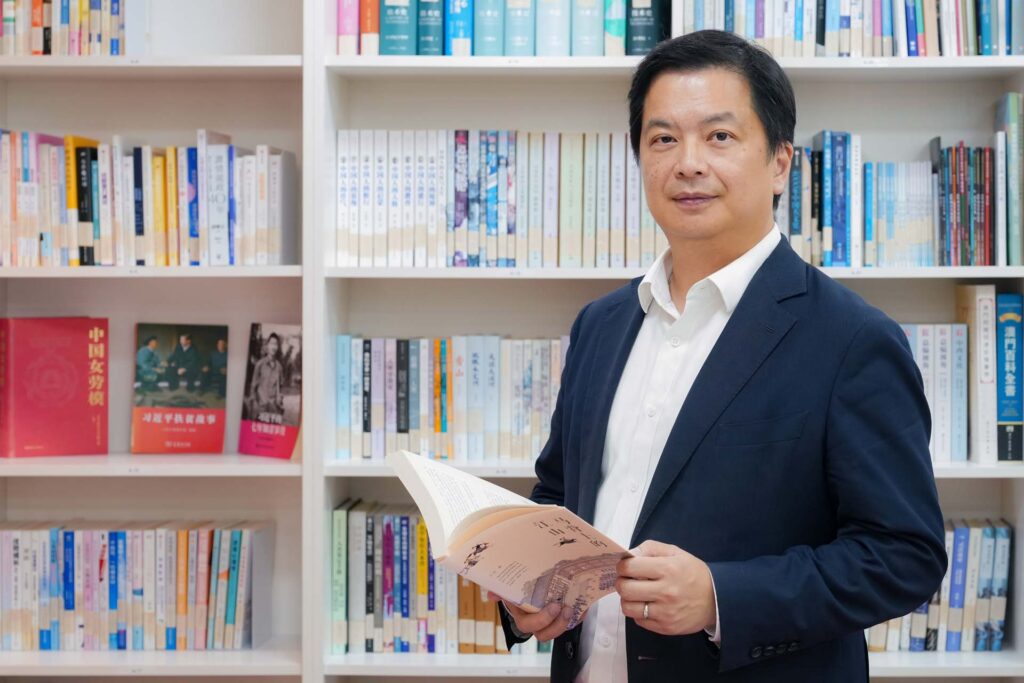
| Lam Lon Wai’s path to leadership at the Macao Federation of Trade Unions (FAOM) began in the classroom. A teacher by training, Mr Lam spent years working in education. His connection with FAOM grew through his work at what is now Lou Hau Middle School, an educational institution operated by the federation, where he later became vice-principal. “My key task at the time was being the contact point between the school and FAOM,” he recalled. Working closely with FAOM gave Mr Lam a deeper understanding of the federation’s work and gradually led him into its wider operations. Over time, he took on a series of responsibilities within the organisation, before becoming its chairman in January. At FAOM, Mr Lam says he has been given opportunities to contribute to public affairs across a broad range of policy areas. During his career, he has served on the Consultative Committee of the Civic and Municipal Affairs Bureau (now the Municipal Affairs Bureau) and the Urban Planning Committee. He is currently a member of the Macao Legislative Assembly and participates in national affairs as a Macao delegate to the Chinese People’s Political Consultative Conference. Despite these wider responsibilities, Mr Lam continues to remain closely connected to his roots in education. He serves as president of the Macao Association for Staff and Workers’ Education Promotion. |