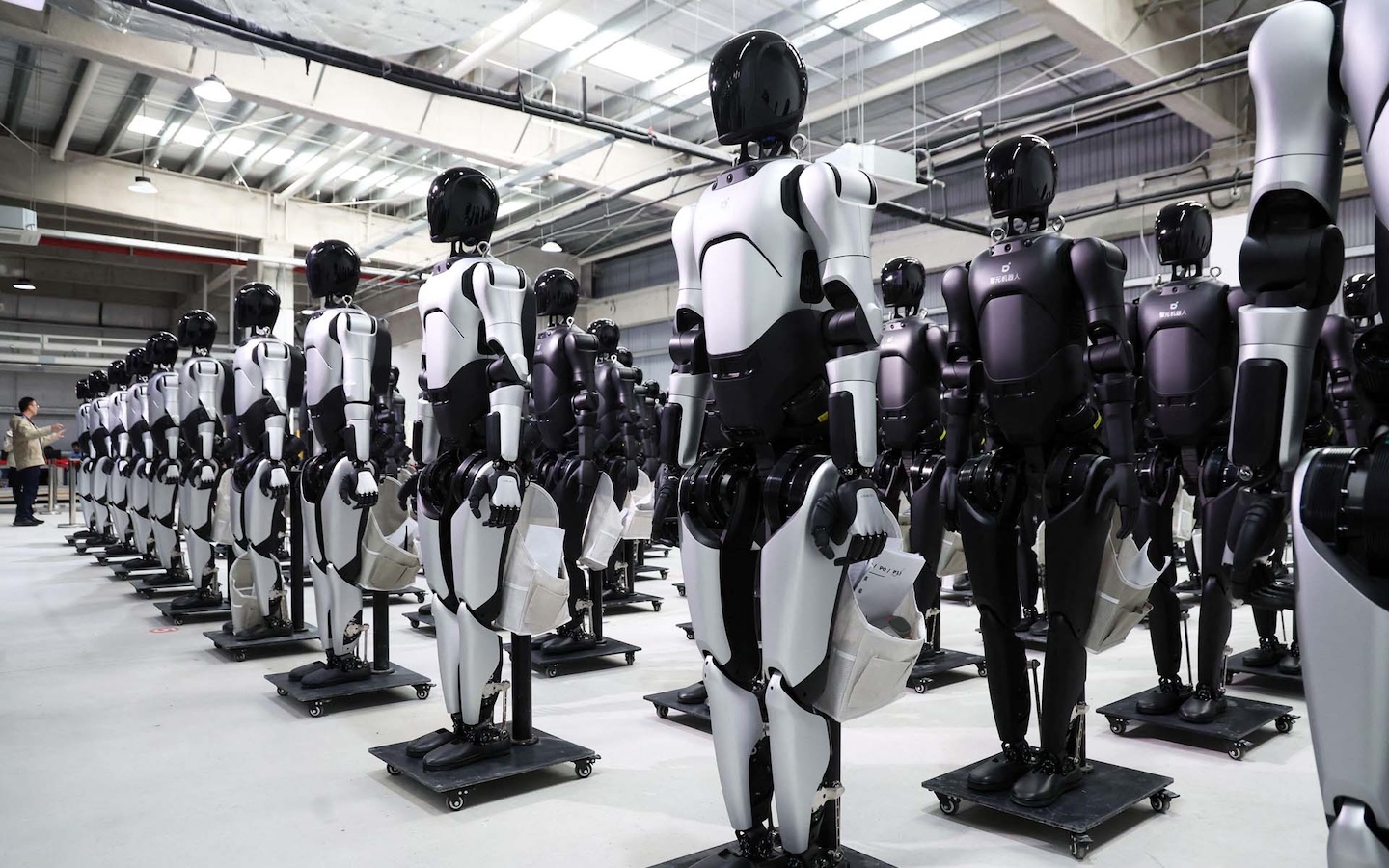
China is increasingly bringing humanoid robots out of the laboratory and into everyday settings, as public expectations surrounding their role in daily life continue to grow. From household assistants and elderly care companions to machines capable of running errands or providing personal services, visions of humanoid robots integrated into ordinary life have become more prominent among Chinese consumers in recent years.
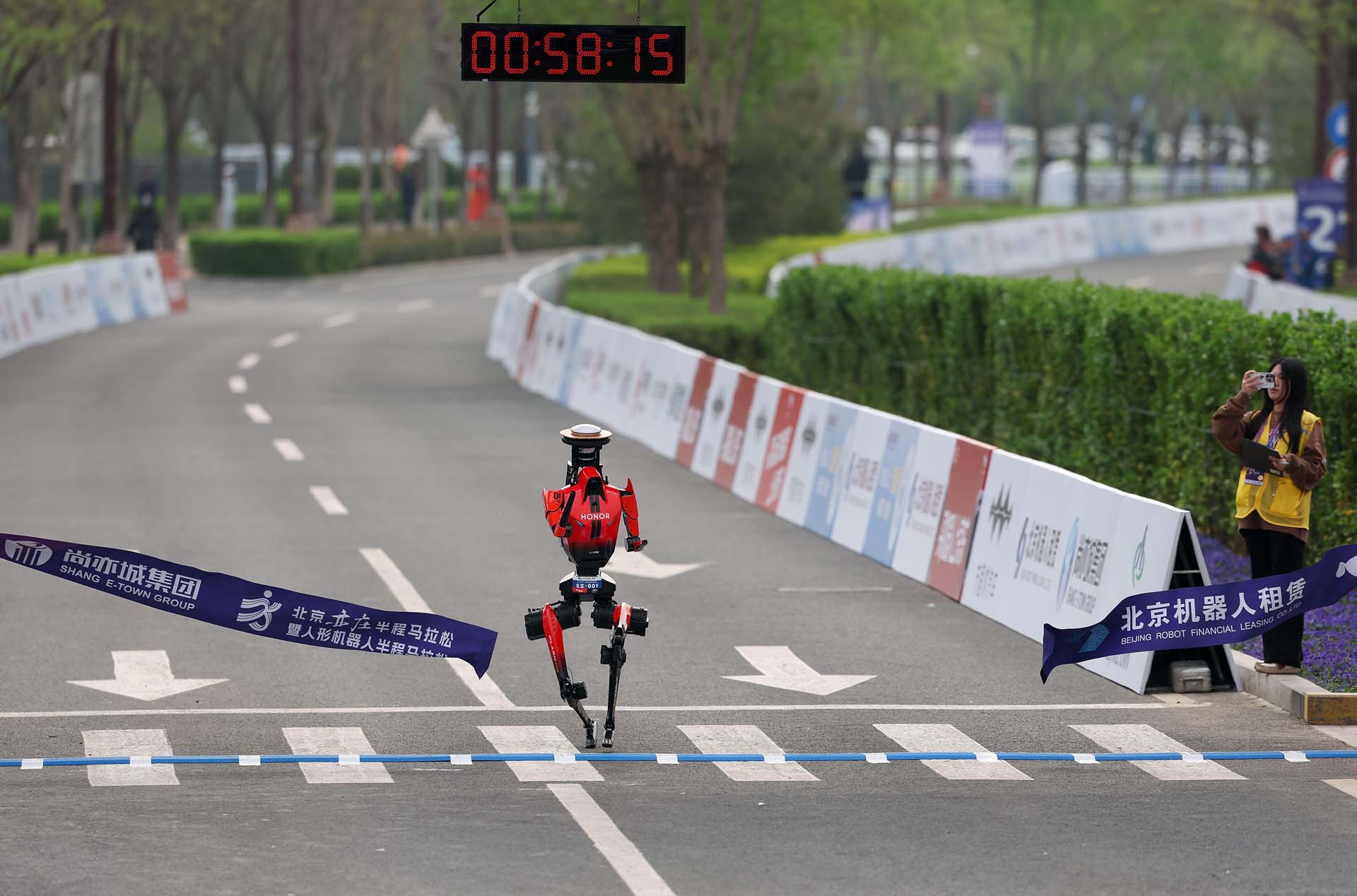
Those expectations have been shaped in part by a series of high-profile demonstrations suggesting the technology may be approaching a turning point. In April, for example, a humanoid robot developed by a team linked to Chinese smartphone maker Honor completed the Beijing E-Town half-marathon in 50 minutes and 26 seconds, beating the human world record by more than six minutes. During the previous edition of the race – which included a humanoid robot category for the first time – the fastest robot completed the course in two hours, 40 minutes and 42 seconds.
Earlier, in February, humanoid robots performed backflips and martial arts routines during the annual Spring Festival Gala, one of China’s most watched television broadcasts.
Fuelling China’s current humanoid robotics boom are rapid advances in artificial intelligence (AI), particularly in so-called “deep learning” – the mathematical framework underpinning large language models (LLMs) such as DeepSeek. Chinese robotics researchers are now developing advanced systems capable of combining perception, reasoning and movement, often described as vision-language-action (VLA) models, or more broadly as “embodied intelligence” or “physical AI”.
In simple terms, embodied AI combines a “brain” – the AI model itself – with a physical “body”. The aim is for machines to learn to navigate the physical world in much the same way LLMs process language: by absorbing and analysing vast amounts of data rather than relying on rigid programming rules.
China’s strength in humanoid robotics is also rooted in its broader industrial ecosystem. Over the past decade, the country has become the world’s largest market for industrial robots, with annual installations exceeding those of all other countries combined. According to the International Federation of Robotics, China accounted for 54 percent of global industrial robot deployments in 2024, with 295,000 units installed – the highest annual total on record. For the first time, Chinese manufacturers also outsold foreign suppliers within the domestic market. China’s operational stock of industrial robots surpassed 2 million units in 2024, the highest figure of any country.
These machines are widely used in sectors such as automotive and electronics manufacturing, where standardised processes allow automation to scale efficiently. In highly automated facilities – often referred to as “dark factories” since they can theoretically operate without human workers – industrial robots can function for extended periods with minimal intervention, highlighting the maturity of this segment.
Early market leader
Chinese firms accounted for more than 80 percent of the estimated 16,000 humanoid robots sold globally in 2025, according to research firm Counterpoint. The Shanghai-based start-up AgiBot topped the list of global vendors, capturing 31.9 percent of humanoid robot installations, followed by Chinese firms Unitree, UbiTech and Leju. Together, the four companies accounted for more than two-thirds of global sales last year.
AgiBot began mass production of its X2 and G2 robots in 2025. Its robots have achieved commercial deployments across hospitality, entertainment, manufacturing and logistics.
Unitree, best known for its quadruped robots and expertise in dynamic motion and balance control, held a 26.5 percent share of humanoid robot sales last year. In early May, the company drew international attention after unveiling the GD01 robot, described as the world’s first production-ready manned “mecha” – a reference to giant robots popularised in science fiction. Standing roughly 2.8 metres tall and weighing around 500 kilograms, the machine allows a human pilot to operate it from an open cockpit inside its torso.
Counterpoint predicts cumulative global installations of humanoid robots will surpass 100,000 units by 2027, with logistics, manufacturing and automotive industries accounting for 72 percent of annual deployments.
Investment bank Morgan Stanley forecasts the global humanoid market to skyrocket by 2050, when it could exceed 5 trillion U.S. dollars, including supply chains, maintenance and support services. China is projected to account for the world’s largest humanoid robot population in 2050, with more than 302 million units nationwide.
Competitive advantages
According to Professor Gao Yang from the Department of Mechanical and Aerospace Engineering at Hong Kong University of Science and Technology and founding director of its Centre for AI Robotics in Space Sustainability, China’s position in humanoid robotics is closely tied to its manufacturing base and industrial infrastructure.
“China’s deep supply chain for industrial robots, including motors, reducers, sensors and controllers, provides a critical cost and speed advantage,” Prof. Gao told Macao Magazine. “Additionally, large-scale deployment experience gives Chinese companies practical knowledge in robot integration, maintenance and system optimisation.”

That industrial foundation has enabled Chinese companies to move more rapidly than foreign competitors from prototype to deployment. Dense networks of suppliers concentrated in industrial clusters, particularly in provinces such as Zhejiang and Guangdong, support the competitiveness of Chinese companies in the global market.
Government backing has further accelerated the sector’s growth. Central and local authorities have channelled funding and industrial planning efforts into robotics and AI, while encouraging the deployment of practical applications across industries.
The sector has been identified in the country’s 15th Five-Year Plan (2026–2030) as a strategically important future industry. In February, China introduced its first national standard system for humanoid robotics, aimed at promoting development through unified technical requirements and safety protocols while encouraging greater modularisation and compatibility between components.
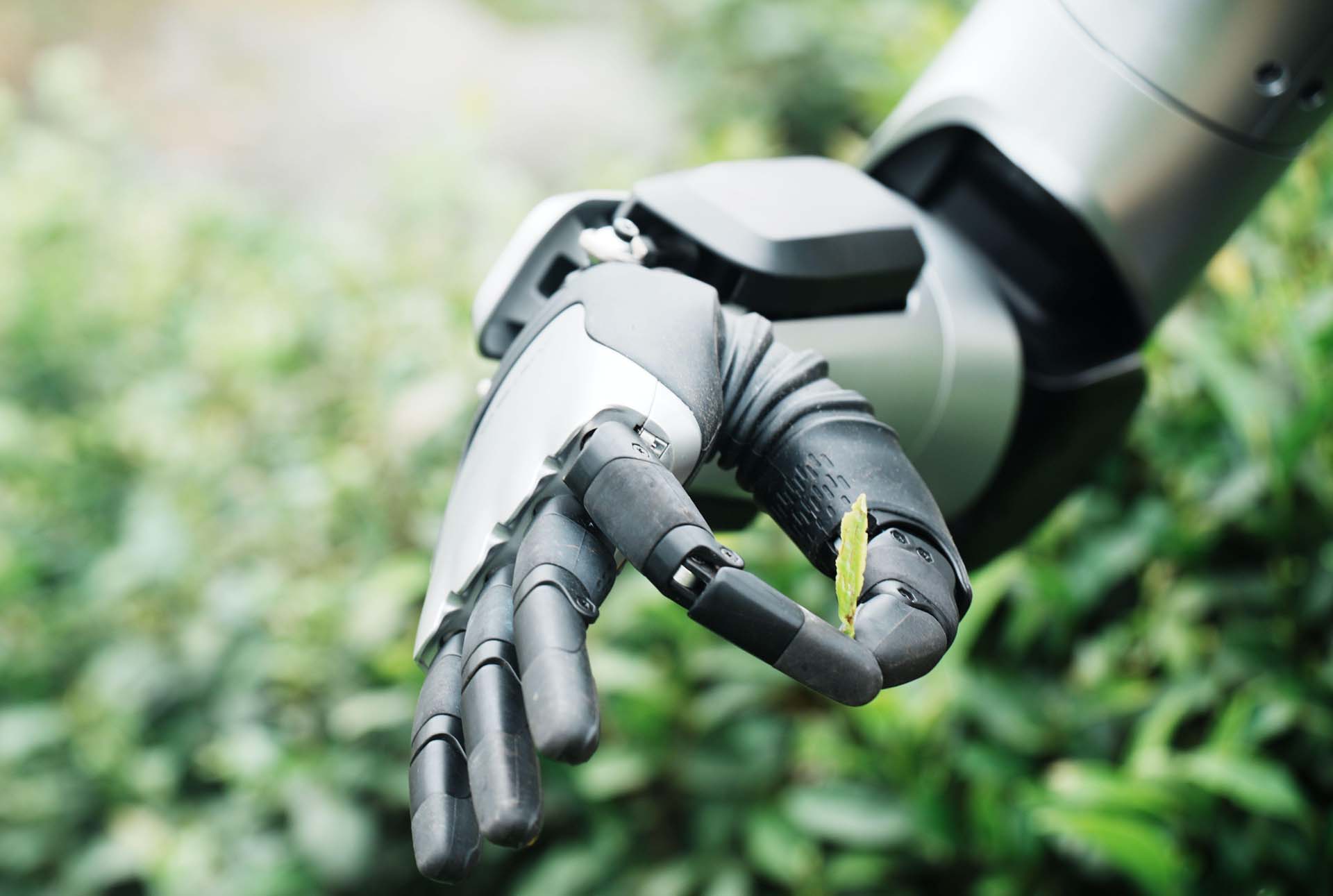
Parallel efforts across different regions have also accelerated the development of industrial clusters, testing platforms and pilot programmes. In May, a national pilot base for embodied robot applications was launched in Hangzhou, the capital of Zhejiang province. The site features more than 130 robots operating across over 30 vocational scenarios, ranging from catering and unmanned retail to power line inspections, fruit picking and underground operations.
Hangzhou alone is now home to more than 700 companies involved in embodied robotics, generating an industrial output value of 106.8 billion yuan in 2025, according to Xinhua News Agency. The city reportedly accounts for more than half of China’s humanoid robot companies.
From research to reality
While public discussion around humanoid robots often focuses on future general-purpose machines capable of performing a wide range of domestic and industrial tasks, industry figures are taking a more pragmatic approach, prioritising applications that can be deployed in the near term. That reflects a broader trajectory in robotics development, in which systems typically evolve from handling simple, structured tasks to operating in increasingly complex environments before eventually approaching general-purpose functionality.
Prof. Gao says humanoid robots remain in the “early stages of real-world economic deployment”, particularly compared with the scale of public expectations. Still, she adds, the transition “has clearly begun”.
“We are not yet at mass adoption, but the shift from pure research to industrial trials is accelerating,” she said.
The gap between expectation and reality is particularly evident in household services and elderly care, often seen as key future markets. According to Prof. Gao, these environments remain among the most difficult for current systems.
“In the near term, viability is low for fully autonomous household or elderly care robots,” she said, citing the need for advanced dexterity, safe physical interaction and complex scene understanding. “Integration will be gradual and task specific.”
“Without a clear, high-value task, neither technology readiness nor cost reduction will trigger adoption,” Prof. Gao argued. “Technology readiness… is the current bottleneck.”
Instead, the first large-scale wave of adoption is expected to occur in factories and logistics operations. “Factories and warehouses offer structured, predictable settings where repetitive tasks can be automated,” she said, adding that these environments provide clearer returns on investment and are easier to adapt to robotic systems.
Step-by-step approach
Hon Chi Tin, associate professor for the Department of Engineering Science at Macau University of Science and Technology and chief executive of Singou Technology (Macau) Ltd, says recent progress in humanoid robotics has been driven largely by advances in embodied AI.
Founded in 2015 and linked to MUST, Singou Technology develops AI algorithms for service robots and holds more than 100 patents.
Embodied AI represents a significant shift from earlier robotic systems that relied heavily on pre-programmed instructions, according to Prof. Hon. “In the past, movements had to be extremely precise; otherwise, the robot could easily fail or fall,” he said. “Now, robots have a higher tolerance for variation – for example, they can grasp objects even when position or size differs.”
Such advances have made robotic behaviour appear more fluid and adaptable, contributing to the growing visibility of humanoid machines at demonstrations and public events. But Prof. Hon cautioned that these developments do not yet translate into large-scale deployment in complex service environments.
“Although there has been significant progress, it is still not enough to support widespread application in service or human-interaction scenarios,” he said, pointing to continuing limitations in data accumulation, behavioural diversity and real-world training.

In many cases, robots still require human intervention or must operate in tightly controlled environments. As a result, initial adoption is likely to occur in settings where tasks are clearly defined and easier to manage.
“The earliest adoption will likely take place in environments with lower human traffic, such as factories, logistics operations, or tasks that people are unwilling to perform,” Prof. Hon said, citing cleaning, material handling and laboratory work as examples.
This emphasis on repeatable, task-specific functions is also shaping product development strategies. While humanoid robots are often associated with general-purpose capabilities, Prof. Hon says achieving that level of versatility remains a long-term ambition. “General-purpose robots require a very long development cycle, but specialised robots can enter the market more quickly.”
That shift is reflected in the evolution of Singou Technology itself. While the company previously developed humanoid systems for security and exhibition use, it has increasingly moved towards narrower vertical applications. One example is a Traditional Chinese Medicine (TCM) diagnostic robot capable of assessing patients through observation, listening, questioning and pulse analysis, while also recommending treatments and automatically preparing herbal drinks.
“This is a very specific application scenario,” Prof. Hon said, noting that such systems are easier to commercialise than general-purpose humanoid platforms.
Prof. Hon also argues that advanced robotics is already far more widespread than many people realise. Autonomous driving technology, now common in many mass-produced vehicles, “is essentially a form of robotics”, he said, noting that systems capable of sensing, decision-making and execution are already operating at scale, even if they do not resemble humans.
In this context, Prof. Hon describes a broader shift towards what he called a “token economy”, in which labour is increasingly measured through computational resources. “When robots perform tasks, what is being consumed is essentially computing power,” he said, suggesting that both physical robots and software systems form part of a wider transformation in how work is organised.
That shift, he added, is likely to reshape labour markets over time as automation expands across both physical and digital sectors. While some traditional jobs may diminish, new forms of work involving supervision, systems management and higher-level decision-making are also expected to emerge.
Robotics as an emerging tool
Widely described in China as the “first year of mass production” for humanoid robots, 2025 marked a turning point for the industry. According to the country’s Ministry of Industry and Information Technology, more than 140 domestic manufacturers released over 330 humanoid robot models during the year.
As production scales up, costs have started to fall, making robots increasingly accessible to commercial users. Entry-level humanoid systems are now typically priced from a few thousand U.S. dollars, also allowing for short-term leasing and deployment in sectors such as exhibitions and events, where interaction and novelty remain key attractions.
In Macao, event organisers have begun experimenting with humanoid robotics in audience engagement and live entertainment settings, according to Kelvin Che Sio Wang, vice-chairman of the Macao Association of Convention, Exhibition & Tourism Sectors.
“In some recent events, robots have been used as hosts or interactive performers,” Mr Che told Macao Magazine, adding that such applications are mainly intended to create novelty and attract public attention rather than replace human workers.

He said non-humanoid robots have also been deployed in more functional but still limited roles, including guiding visitors, performing basic navigation tasks and supporting exhibition displays. At events such as the Macao International Trade & Investment Fair (MIF), coffee-making and bartending robots have been introduced as promotional or trial applications designed around clearly defined tasks.
“At this stage, they are still mainly used to create interaction or a sense of novelty,” Mr Che said, adding that concerns around cost, stability and operational reliability continue to shape adoption decisions.