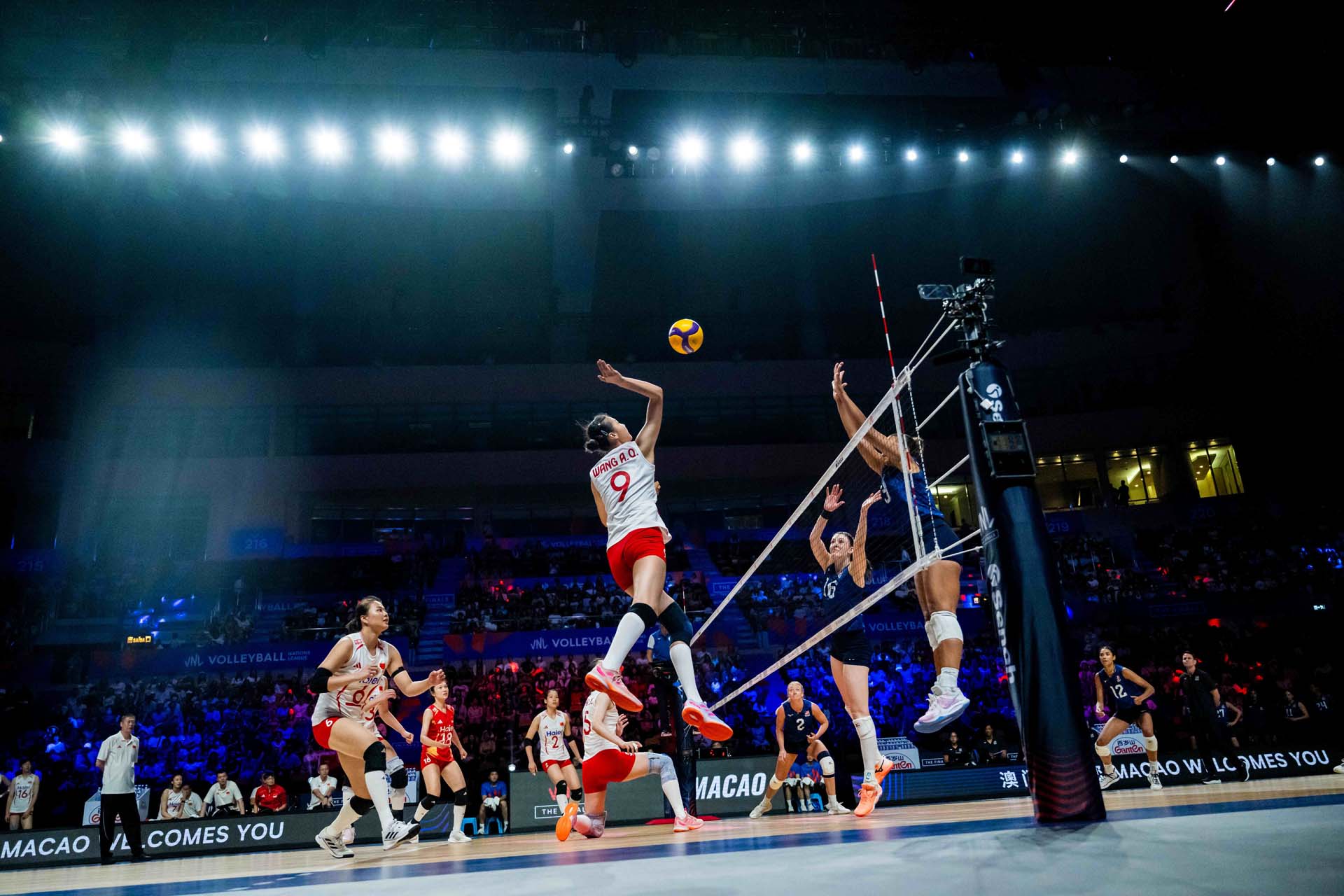
Following Macao’s hosting of the final round of the 2026 FIVB Women’s Volleyball Nations League, one question inevitably follows: what does the city gain from staging major international sporting events?
Over the past decade, Macao has steadily expanded its sporting calendar, growing from seven major events in 2019 to more than 20 during 2025. As the city pursues economic diversification, sport has become an increasingly important element of that strategy.
From the International Table Tennis Federation (ITTF) Men’s and Women’s World Cup and the NBA China Games to the Macau Grand Prix and the UFC Fight Night, Macao’s investment in international sporting events now extends well beyond the competitions themselves. Increasingly, success is measured not only by attendance, but also by the ability of these events to attract visitors, raise the city’s international profile and generate wider economic benefits.
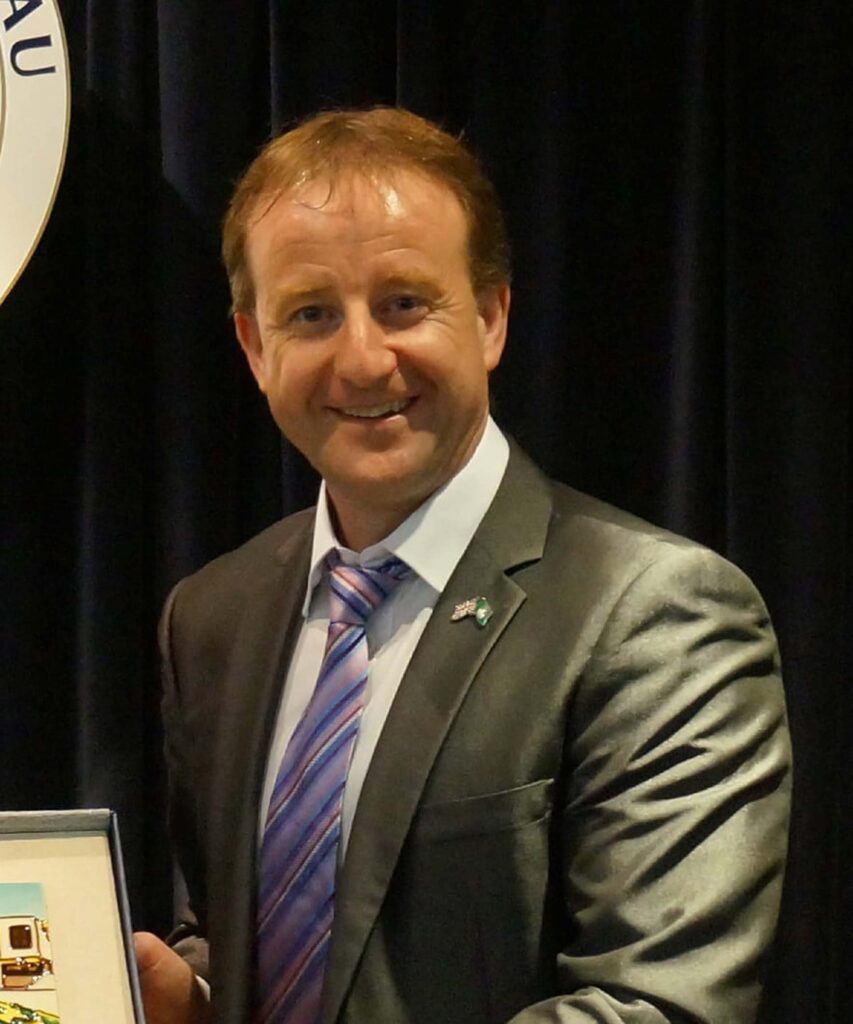
“Sports tourism is not a new phenomenon,” says Glenn McCartney, associate professor in Integrated Resort and Tourism Management at the University of Macau (UM). “What has changed is how seriously destinations now approach it. In the past, it was often seen as a by-product of hosting events, but today there is a much greater emphasis on measuring its economic impact, its contribution to tourism and its role in broader development strategies.”
This growing emphasis reflects the Macao Special Administrative Region (MSAR) Government’s “1+4” strategy for adequate economic diversification. Introduced to promote more balanced and sustainable long-term growth, the policy seeks to consolidate the integrated tourism and leisure industry while accelerating the development of four emerging industries: “Big Health”, with a focus on Traditional Chinese Medicine; modern financial services; high and new technologies; as well as the Meetings, Incentives, Conventions and Exhibitions (MICE) sector, with the hosting of large-scale international events.
The approach was further reinforced through the gaming concession contracts that came into effect in January 2023, which require integrated resort operators to invest in non-gaming projects, including sports. At the time, the Macao Government Tourism Office (MGTO) said attracting visitors through these initiatives would contribute to the local economy by increasing spending on accommodation, dining and entertainment, while further promoting Macao as a destination extending beyond its gaming reputation.
More than a game
Assessing the value of major sporting events is not as simple as counting spectators or ticket sales.
Professor Penny Wan at the Macao University of Tourism (UTM) argues that the return on investment of major sporting events should be measured through a combination of financial, tourism and social indicators, with visitor spending among the most important.
The broader tourism figures offer some indication of why Macao continues to pursue this strategy. According to Statistics and Census Service data, visitors whose primary purpose was attending sporting events or shows spent an average of 3,632 patacas per trip in 2025. That made them the city’s second-highest spending visitor segment after MICE travellers and well above the overall visitor average of 2,472 patacas.
“There have been noticeable improvements in sports tourism since the introduction of the new concessionaire contracts,” Ms Wan says.
“The integrated resort operators… have the resources – sports venues, hotel accommodation, food, entertainment, talent and financial resources,” she explains. “Tourists who are drawn to integrated resorts to attend sporting events will find everything they need in one place.”
Building an event economy
For Prof. McCartney, one of the key challenges is moving beyond isolated competitions and developing a portfolio of recurring events capable of generating sustained economic and tourism benefits.
Speaking to Macao Magazine last year, Samuel Tong Kai Chung, president of the Macau Institute of Management (MIM), made a similar observation. “From the perspective of a tourism centre, sporting events can create a stable visitor flow and a fixed annual activity calendar, becoming a key tool for smoothing out seasonal peaks,” he stated.
An idea that Prof. McCartney reaffirms: “What really drives value in sports tourism is consistency. Events like the Hong Kong Sevens or the Macau Grand Prix succeed because they are recurring fixtures, building recognition, loyalty and anticipation over time.”
The UM scholar points to the Singapore Formula One Grand Prix as an example of how a sporting event can evolve into a much broader economic platform.
“It’s held at night and surrounded by a festival atmosphere, with live performances taking place alongside the race,” he explains. “The experience extends well beyond the Grand Prix itself.”
Macao has increasingly adopted a similar philosophy. In recent years, the Macau Grand Prix and the Macau Food Festival have been deliberately aligned, creating opportunities for visitors to extend their stay and spend across multiple sectors of the economy. In 2023, event-demand analytics company PredictHQ estimated that the Macau Grand Prix generated approximately 11.6 million U.S. dollars in consumer spending, including 5.8 million U.S. dollars spent on restaurants alone.
That broader economic effect was particularly evident in November 2025. The Macau Grand Prix coincided not only with the Macau Food Festival but also with the Macao leg of the 15th National Games, creating one of the busiest periods on the city’s sporting calendar. Within the space of a few days, athletes, racing drivers and spectators from across the country and overseas converged on Macao.
The Macau Grand Prix attracted 116,000 spectators, a 15-percent increase on the previous year’s edition and the highest attendance ever recorded for the traditional four-day format. Speaking after last year’s event, Sports Bureau acting president Lei Si Leng told reporters that the overlapping calendar of sporting events had filled Macao with “a joyful sports atmosphere,” describing the overall results as “very good”.
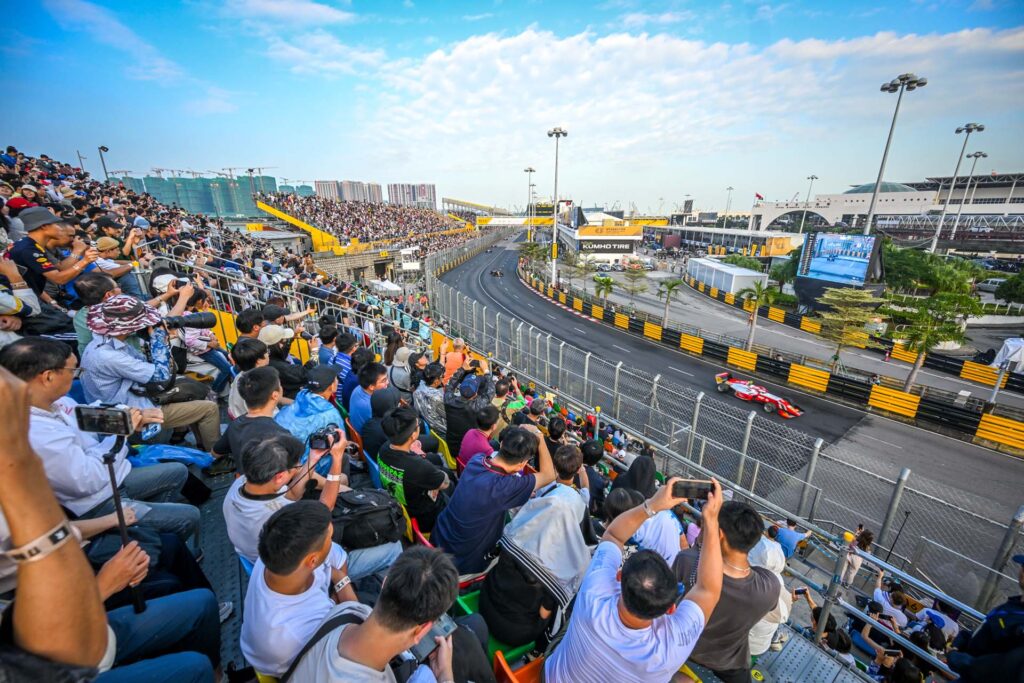
The broader tourism figures reflected that momentum. According to Macao’s statistics bureau, the city welcomed 3.35 million visitors in November 2025, up 18.1 percent from a year earlier, while international arrivals rose 13.6 percent.
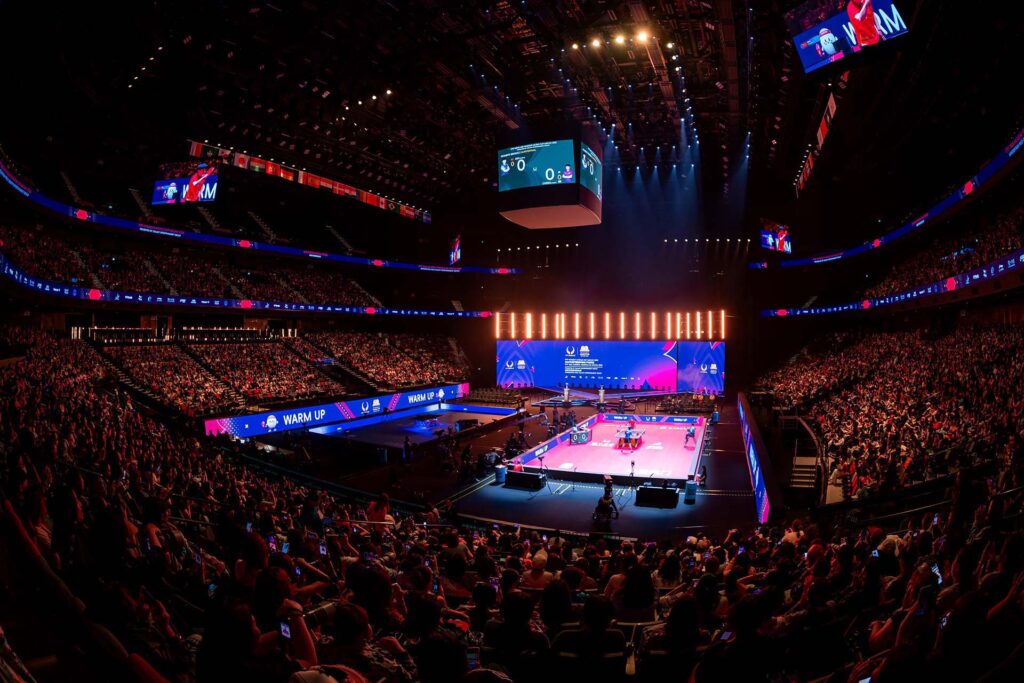
The trend is not limited to motorsport. The 2026 ITTF Men’s and Women’s World Cup, staged in Macao for a third consecutive year, drew near-capacity crowds for the semi-finals and finals at the 16,000-seat Galaxy Arena. Likewise, the first UFC Fight Week promoted by Galaxy Entertainment Group Ltd – under a four-year strategic partnership – attracted nearly 20,000 spectators across three days of events.
Following the UFC event in May 2026, the company said hosting the competition had “proven effective in boosting visitor arrivals, extending the length of stay, and injecting vibrant momentum into the local economy”. It added that extensive global broadcast coverage had also “significantly elevated Macao’s visibility on the international stage”.
For Prof. McCartney, these immediate benefits can also produce longer-term gains for the destination. “Visitors may come for an MMA [Mixed Martial Arts] fight or another major event, and then return weeks later, even when nothing is on, simply because they enjoy the city,” he explains.
Beyond the competition
If recurring events are essential to building a sustainable event economy, Prof. McCartney believes international visibility is equally important. One of the less obvious aspects of sports tourism, he argues, is the distinction between hosting an international event and generating genuine international impact.
Simply attracting overseas athletes, teams and officials does not automatically raise a destination’s profile. The real test, he says, is whether an event succeeds in projecting the city to audiences beyond its borders through media coverage, sponsorships and destination marketing.
Recent international competitions suggest Macao is increasingly achieving precisely that. Reflecting on the 2026 ITTF Men’s and Women’s World Cup, ITTF president Petra Sörling noted that “major platforms delivered extensive multi-angle coverage and helped drive over 420 million cumulative viewers across key TV broadcasts”.
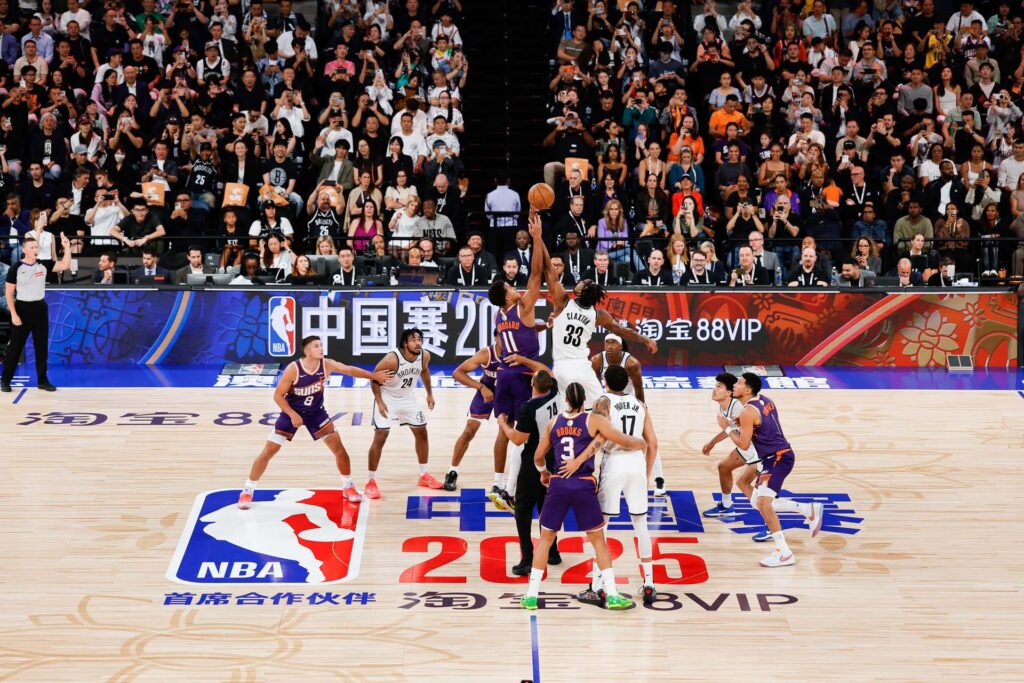
The 2025 NBA China Games provide another example. While each game attracted around 14,000 spectators in 2025, Sands China estimates that the event generated approximately three billion online impressions across Chinese mainland social media platforms. Around the games, the company organised close to 100 supporting activities, including NBA House, fan engagement initiatives and Macao’s first NBA flagship store. The event is due to return this October, when the Dallas Mavericks and the Houston Rockets face each other in Macao.
A ‘City of Sports’?
The steady expansion of Macao’s sporting calendar has undoubtedly enhanced the city’s reputation as a destination for major international competitions. Yet whether sport can become a lasting pillar of economic diversification remains an open question.
Prof. Wan believes Macao enjoys several structural advantages. Chief among them is the close collaboration between the MSAR Government and the city’s six integrated resort operators, allowing world-class venues, accommodation, entertainment and hospitality to be combined within a compact, easily accessible destination.
At the same time, she cautions that Macao’s ambitions face significant challenges, including competition from neighbouring regions. The limited number of flight connections “may also hinder event organisers from considering Macao as a destination for major sporting events,” she says.
Prof. Wan also believes that becoming a genuine sporting city requires “much more than successfully hosting international competitions”.
“Macao needs athletes capable of achieving success at the highest international level,” she says. “Residents also need to embrace sports and physical activity more widely. It is developing, but more effort is needed.”
Prof. McCartney shares that view, arguing that the next stage of development lies in fostering a stronger sporting culture within the community.
“I think we need to do more with grass-roots sports, schools, professional coaching, and the use of venues and facilities,” he states. “A ‘City of Sports’ generally is the development of sports culture.”
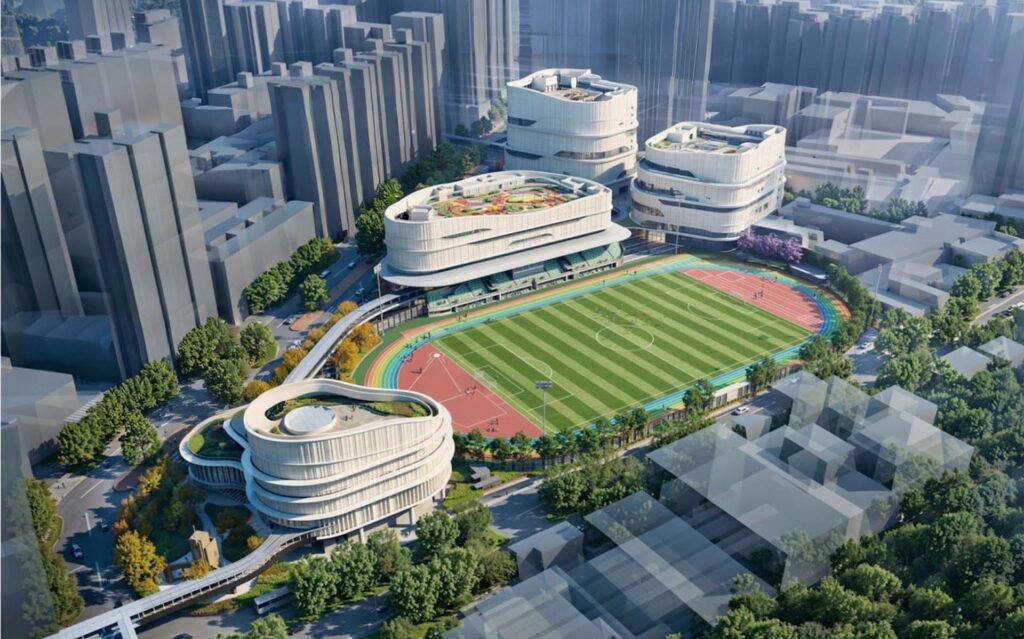
Supporting those ambitions is a significant programme of public investment in sports infrastructure. Macao is currently investing across a few major projects designed to expand participation in sport while strengthening the city’s capacity to host international events. The largest is the redevelopment of the former Canidrome greyhound racetrack – with a first-phase construction budget of 1.34 billion patacas – into a multi-sports park, featuring indoor swimming pools, climbing facilities and a range of community sports amenities.
These investments reflect a broader ambition that extends beyond attracting headline events. They are intended to provide residents with better facilities, nurture sporting talent and create a stronger foundation for future generations of athletes.
Sport alone will not determine Macao’s economic future. Rather, it has become an increasingly important component of a wider diversification strategy that seeks to strengthen tourism, broaden the city’s international appeal and create new opportunities for development.