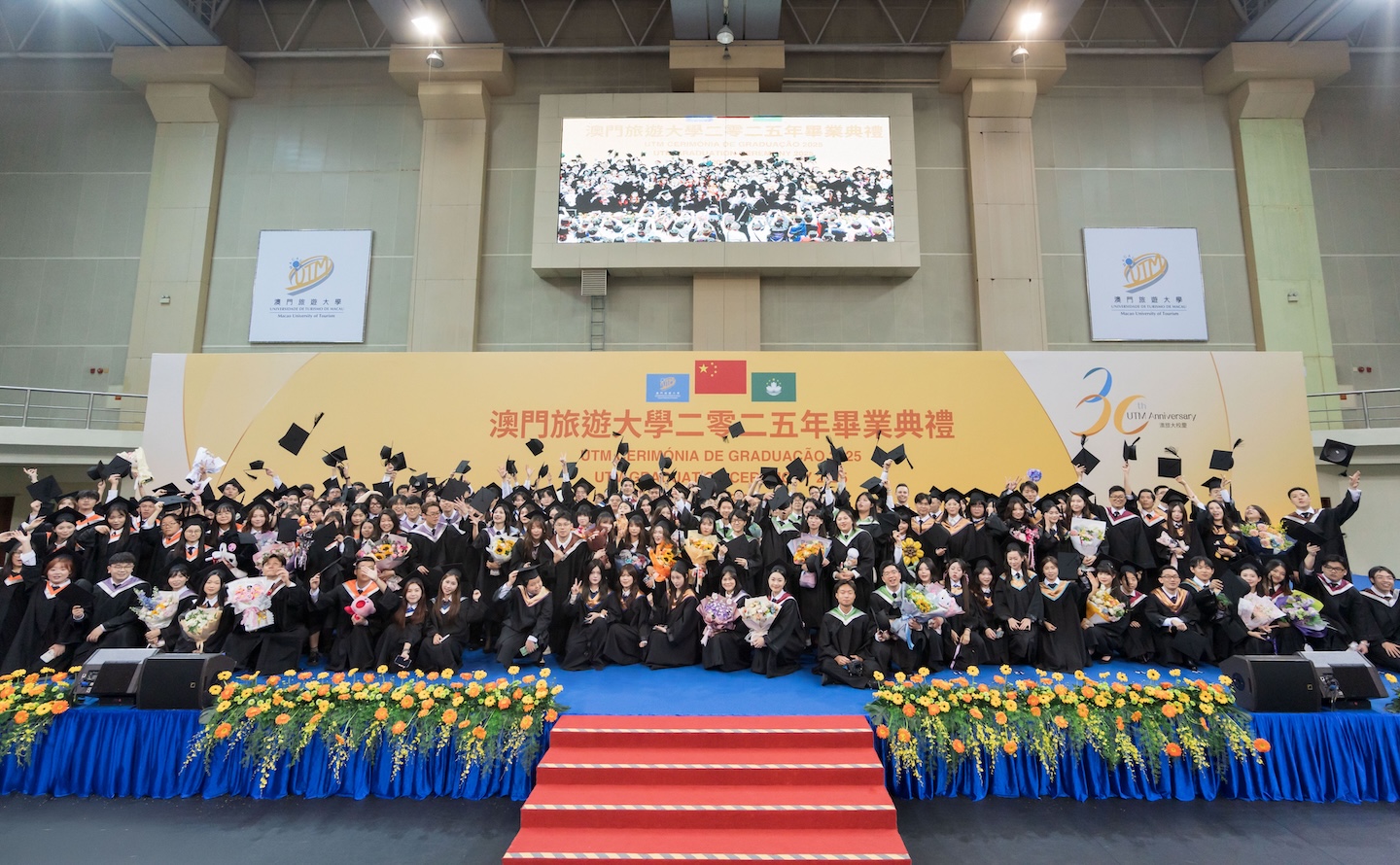
As a growing number of local executives in Macao’s hospitality industry rise through the ranks, many share a common credential: a degree from the Macao University of Tourism (UTM). For three decades, the publicly funded university has focused on developing talent for the culture, tourism and hospitality sectors, and its long-term investment in local human capital is increasingly evident across the city’s leadership landscape.
The success is reflected in international rankings. According to the QS World University Rankings by Subject 2026, UTM is Asia’s leading institution for hospitality and leisure management and ranks among the world’s top 10 universities in the field. One area in which it has particularly excelled is “employer reputation”.
“Evidence shows that a majority of UTM graduates are employed within six months of graduation, with many of them occupying senior positions after accumulating experience,” the university’s rector, Dr Fanny Vong Chuk Kwan, told Macao Magazine. “UTM plays a pivotal role in supporting Macao’s vision to cultivate homegrown industry executives.”
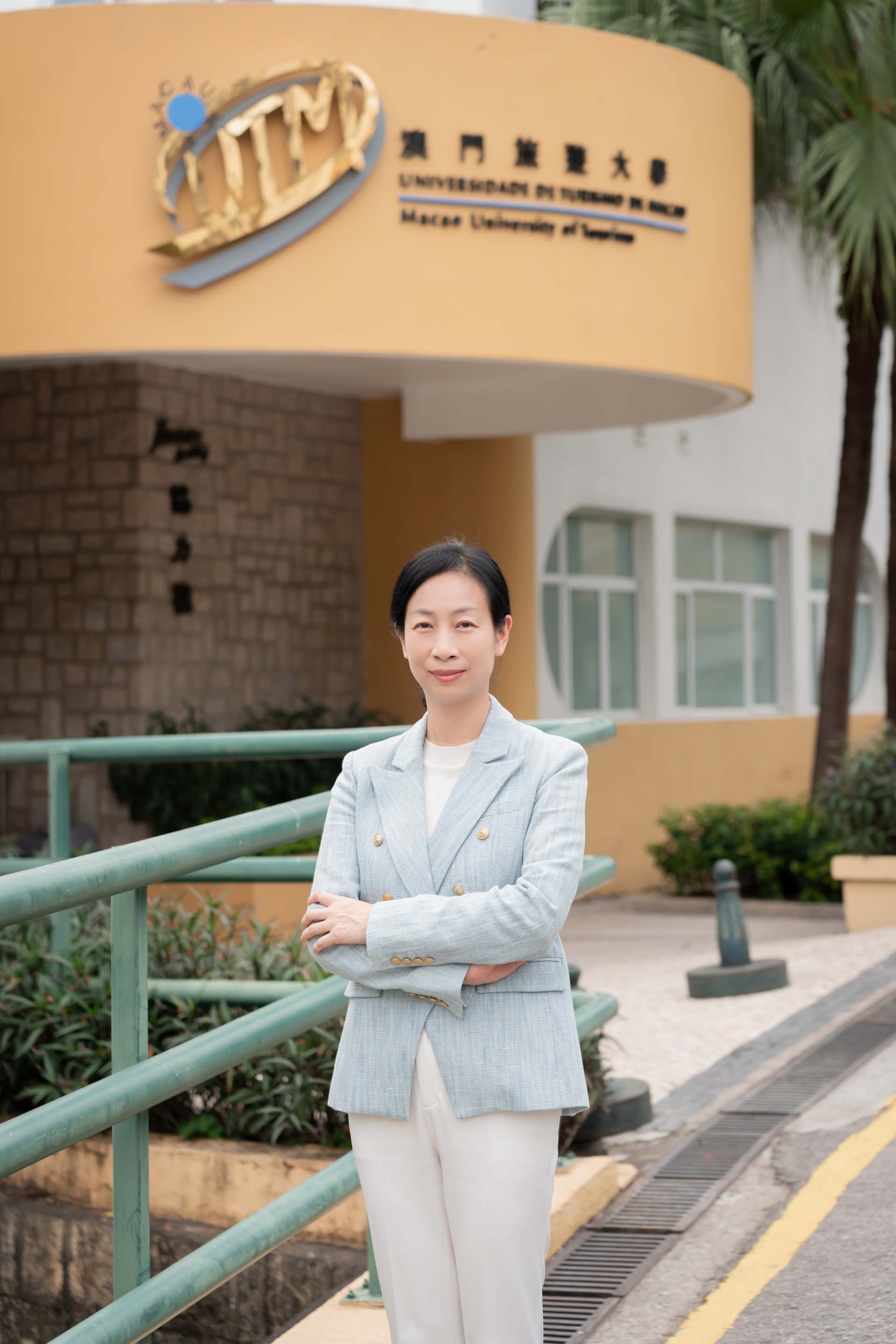
The university currently has more than 2,800 students. Employer demand for UTM graduates “remains high,” according to Dr Vong.
Also in this feature
 Rising through the ranks
 Destined for the top
 A trailblazer in hospitality
 Bridging global experiences with local know-how
 Local leader elevates Macao’s MICE business
The scholar says the combination of academic excellence and industry relevance demonstrates that local higher education institutions “can nurture academically competent, work-ready talent to drive the long-term development of Macao’s economy”.
Over the years, UTM has introduced a range of programmes designed to respond to a rapidly changing industry, including postgraduate and executive development courses aimed at producing professionals capable of assuming leadership positions.
Local success, international strategy
When it was established in 1995 as the Institute for Tourism Studies (IFT), the institution offered only higher diploma and bachelor’s degree programmes. A significant milestone came in 2019, when it expanded its academic portfolio to include master’s and doctoral degrees. Dr Vong describes the move as a turning point in strengthening the pipeline of locally trained professionals equipped for management and executive roles.
More broadly, UTM has reshaped its curriculum from one centred primarily on operational training to an approach focused on developing “strategic, research-informed leaders”, Dr Vong said. While operational competencies remain fundamental, programmes now place greater emphasis on governance, innovation and cross-sector strategy.
“Taken together, these changes ensure graduates can not only run day-to-day operations, but also lead organisations and shape the future direction of Macao’s culture, tourism and hospitality sectors.”
Today, the university offers a diverse portfolio of undergraduate and postgraduate programmes beyond tourism education alone. Examples include master’s degrees in business administration, cultural and creative industries management, health services management, and digital marketing and analytics, as well as PhD and Doctor of Business Administration programmes. Courses are available during the day and in the evening, and teaching languages include English and Chinese. Technology-related elements have also been integrated into courses at all levels.
According to Dr Vong, part of UTM’s success stems from its “internationalised education strategy”. The university operates a number of dual-degree programmes with internationally recognised institutions, including the Swiss Hotel Management School and the University of Queensland, while also running co-branded master’s programmes with the World Tourism Organization (UN Tourism).
Close industry partnerships
UTM also “sustains close, long-term partnerships with industry stakeholders, ensuring curricula and graduate capabilities stay fully aligned with evolving market and industry needs”, she said. Supported by a network of more than 200 international partners and over 900 internship providers, the university offers extensive practical training opportunities while encouraging international exchanges to broaden the global outlook of students.
Macao’s hotels and integrated resorts are central to that network. Dr Vong describes a “structured, multi-touch pipeline” linking the university with major hospitality operators, enabling early talent identification and development.
UTM regularly organises faculty-led visits to local properties, where students meet senior executives and department heads for discussions, case studies and industry insights. These face-to-face engagements help create opportunities for early talent spotting and targeted mentoring. Familiarisation tours, guest lectures, executive masterclasses, internships and industry placements further support high-potential students.
“In parallel, we collaborate on industry-led activities, where high-calibre students recommended by UTM are tested in high-pressure, practice-based settings and receive feedback from resort executives.”
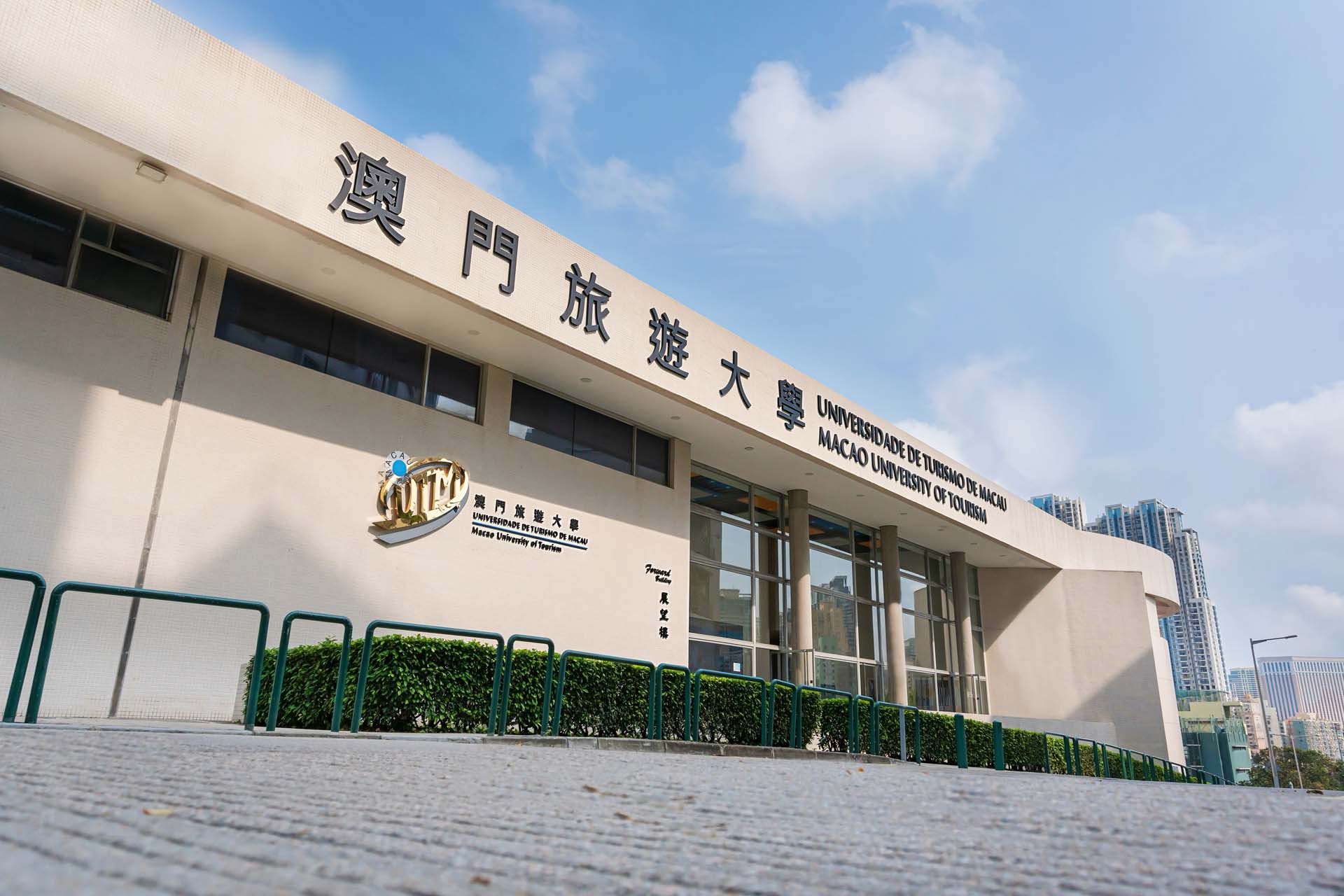
Another factor behind the university’s success is its emphasis on entrepreneurship. That commitment was recognised in 2022 when the Pacific Asia Travel Association (PATA) awarded UTM a PATA Gold Award in the Human Capital Development Initiative category for its decade-long efforts to promote entrepreneurship in tourism and hospitality.
UTM graduates are also widely recognised for their communication skills and professional presentation. “UTM builds students’ confidence to compete with international candidates by combining globally benchmarked, internationally accredited programmes with deep, on-the-ground engagement in Macao’s integrated resort industry,” Dr Vong said.
In 1995, the university opened the Mong-Há campus and by 2015 grew to include its current facilities in Taipa. UTM’s next chapter is now taking shape with the development of a campus in the Macao-Hengqin International Education (University) Town. The latter is a new global talent hub that also involves Macao’s two other public universities.
Scheduled to open in 2030, UTM’s Hengqin extension will strengthen the university’s presence in the Guangdong-Hong Kong-Macao Greater Bay Area, where it already oversees a wide network of vocational training centres.
As the university expands both physically and academically, Dr Vong says UTM “will further draw on premium global resources”.
“Moving forward, it will continue to deliver quality, globally competitive education, nurturing high-calibre interdisciplinary professionals tailored to empower Macao and the Greater Bay Area.”