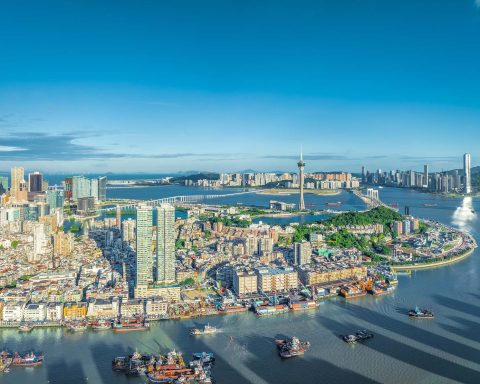
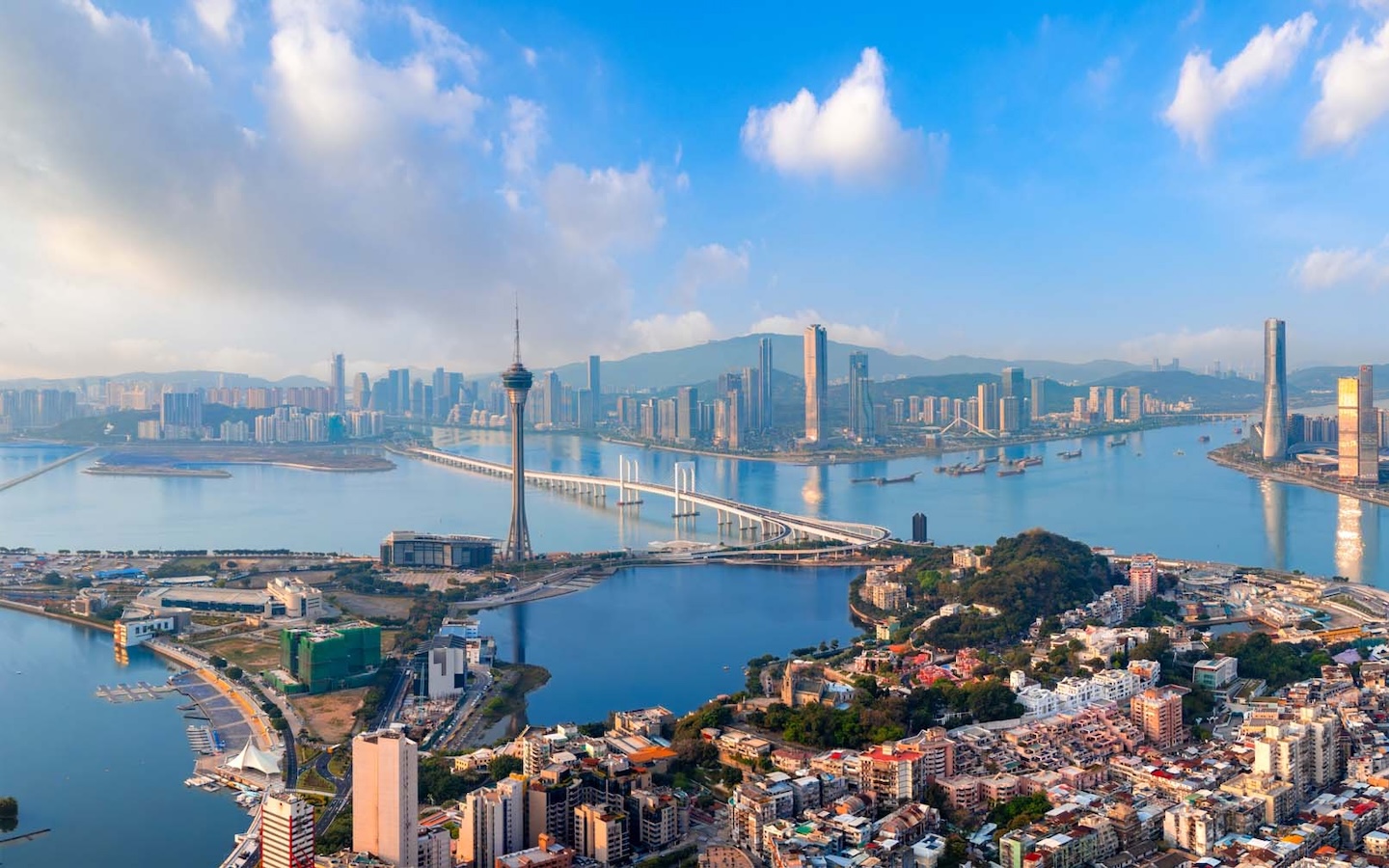
Macao is set to host the 13th APEC Tourism Ministerial Meeting and the 67th APEC Tourism Working Group Meeting from June 24 to 28, marking the return of one of the Asia-Pacific region’s highest-level tourism gatherings to the city for the first time since 2014.
The meetings will bring together senior tourism officials and representatives from member economies of the Asia-Pacific Economic Cooperation (APEC) to discuss future tourism development, regional cooperation and industry priorities across the region.
The tourism-related meetings taking place in June form part of APEC 2026, which China is hosting for the third time. Under arrangements by the Central Government, the Macao Special Administrative Region (MSAR) was selected to host the Tourism Ministerial Meeting, one of the key sectoral events under the APEC framework, as well as the Tourism Working Group Meeting.
APEC’s Tourism Working Group was established in 1991 as a platform for tourism authorities across member economies to exchange information, share best practices and strengthen cooperation in tourism-related policy and trade. Macao has participated in the group as a guest economy since 2001.
Macao’s Chief Executive Sam Hou Fai said the return of APEC’s Tourism Ministerial Meeting to the city carries particular significance, noting that the city last hosted the event in 2014. He expressed gratitude to the Central Government for its support and stated that the MSAR Government would work closely with relevant authorities to ensure smooth preparations and contribute to the success of APEC 2026.
The hosting of the meeting also aligns with Macao’s long-term development goal of becoming a world centre of tourism and leisure, while supporting efforts to diversify the local economy, according to the MSAR Government.
The Macao authorities also said they would use the meetings to highlight both the Chinese mainland’s modern development and Macao’s multicultural characteristics, leveraging its role as a platform linking China with international markets.
International exposure
Industry representatives view the event as an important opportunity to raise Macao’s international profile and reinforce its role as a destination for meetings and exhibitions.
Alan Ho, president of the Macao Association of Convention, Exhibition & Tourism Sectors, said the return of the ministerial meeting reflects continued support for Macao’s development.
“The APEC Tourism Ministerial Meeting was last held in Macao in 2014. And, just like then, this meeting shows our country’s recognition and support towards Macao as a world centre of tourism and leisure, helping the city uplift its status globally,” Mr Ho told Macao Magazine.
He said the event would further strengthen Macao’s position in the Meetings, Incentives, Conventions and Exhibitions (MICE) sector.
“The hosting of this ministerial meeting solidifies Macao as a tourism and MICE destination, and the city can present to the attending delegates its world-class tourism facilities and high-quality services,” Mr Ho stated.
The representative also pointed to the visibility that accompanies an event of this scale. “Notably, the meeting will invite international press coverage, and that will result in a promotional focus on Macao,” Mr Ho noted. “By hosting an international event like this ministerial meeting, it will also help Macao gain more opportunities from organisers looking to host other significant, international events.”
That exposure may prove particularly valuable as destinations across Asia compete for high-value business events and international conferences. Over the past decade, Macao has expanded its convention infrastructure, diversified its tourism offerings and strengthened its portfolio of integrated resorts, event venues and hospitality assets.
The city now possesses facilities capable of hosting large-scale international meetings while maintaining the compact urban accessibility that many organisers value.
Macao hosted a record 1,861 MICE events in 2025, according to data from the city’s Statistics and Census Service. Nearly half of these events were centred on the “1+4” industries, with high technology and big health industries showing the most notable growth, increasing by 48 percent and 32 percent from the prior year, respectively, the bureau said.
APEC legacy
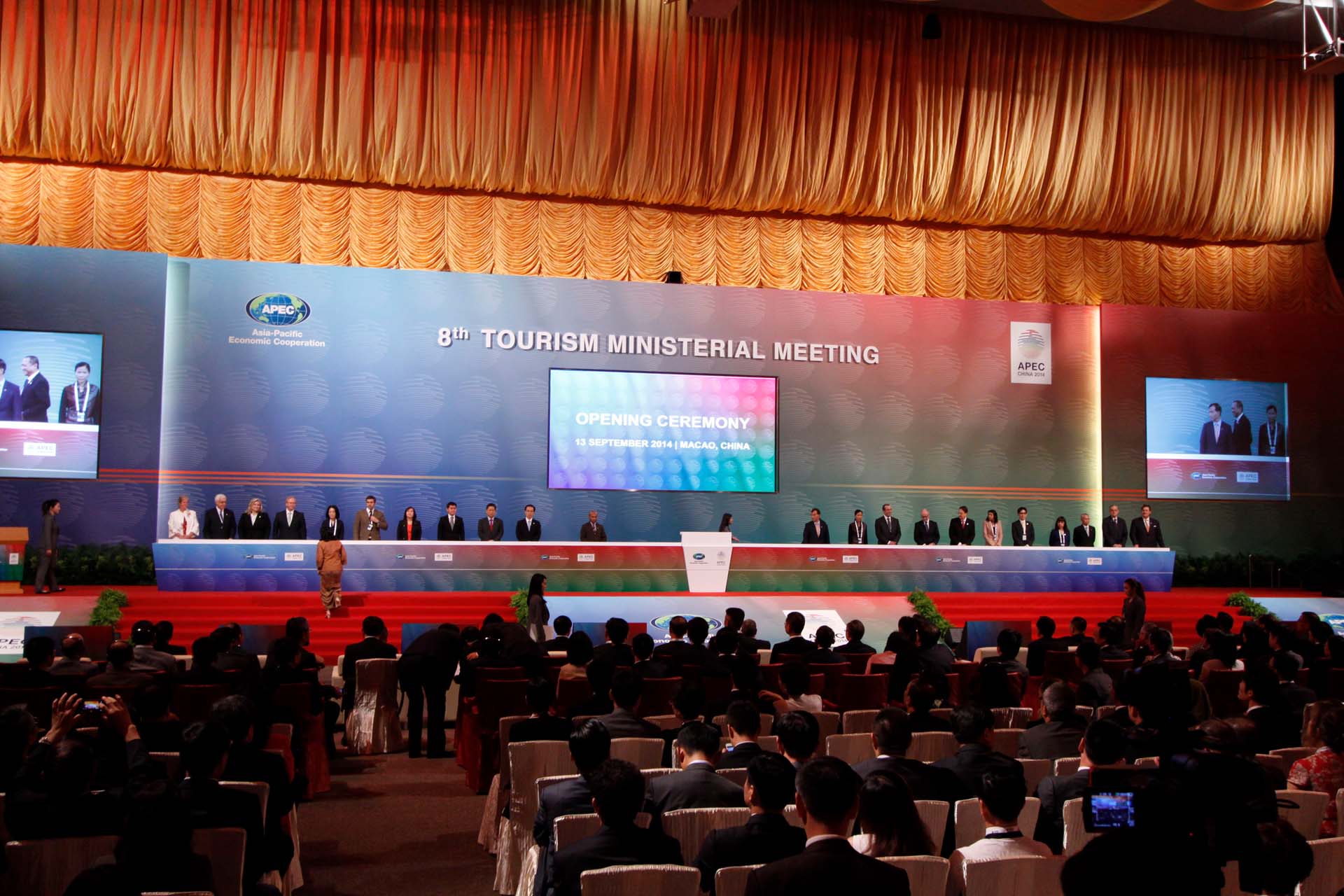
The 2026 gathering marks a return to the city after Macao hosted the 8th APEC Tourism Ministerial Meeting in September 2014. That meeting resulted in the adoption of the “Macao Declaration on Building a New Future for Asia-Pacific Tourism Cooperation and Development”. The document promoted closer cooperation among APEC economies in tourism development and identified priorities including tourism market integration, smart tourism, sustainability, travel facilitation and connectivity.
At the time, ministers set a goal of reaching 800 million international tourist arrivals among APEC economies by 2025 and called for tourism to be developed as a strategic pillar industry within the region.
The Asia-Pacific region remains one of the world’s most dynamic tourism markets. According to figures presented by the APEC Tourism Working Group, global tourist arrivals reached 1.46 billion in 2024. The Asia-Pacific region recorded the fastest growth, with 317.54 million international arrivals in 2024, up 34 percent year-on-year, accounting for 21.7 percent of global tourism arrivals. Tourism receipts in the region reached 422.9 billion U.S. dollars, a rise of 24 percent, representing 20.6 percent of global tourism revenue.
The upward trend continued in 2025, according to the United Nations World Tourism Organization (UN Tourism). An estimated 1.52 billion international tourists were recorded around the world in 2025, as per UN Tourism, which said the results “were driven by strong demand, robust performance from large source markets globally, as well as the ongoing recovery of destinations in Asia and the Pacific”. Arrivals in Asia and the Pacific stood at circa 331 million last year, up approximately 6 percent from 2024.
The June meetings in Macao are expected to support implementation of the APEC Tourism Working Group Strategic Plan 2025–2029, which outlines four priority areas for tourism cooperation across member economies. These include digital transformation; human capital development; travel facilitation and competitiveness; and sustainable tourism growth.
The plan places emphasis on expanding the use of digital technologies across tourism supply chains, improving workforce skills, strengthening transport connectivity and supporting sustainable and inclusive tourism development.